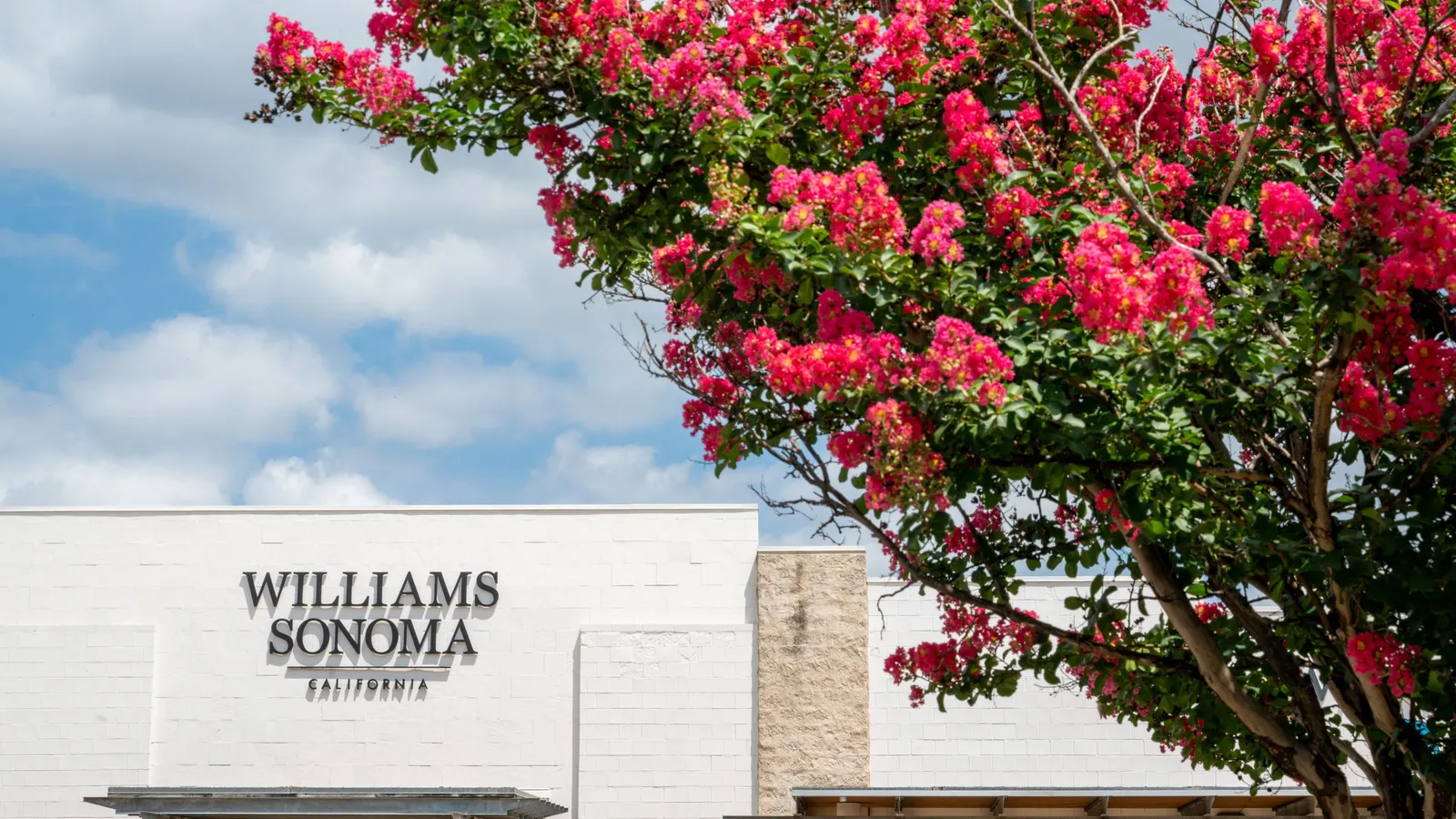
SAN FRANCISCO, CA – August 31, 2026 – In a significant move diverging from many industry peers, kitchenware and home furnishings giant Williams-Sonoma, Inc. (WSI) has announced a multi-pronged allocation of its recently recouped tariff refunds, including a substantial $10 million injection into employee retirement accounts and direct reimbursements to vendors. This decision comes as the company receives "substantially all" of the approximately $200 million in refunds for tariffs previously imposed under the International Emergency Economic Powers Act (IEEPA), which were ultimately invalidated by a landmark Supreme Court ruling in February of this year.
The strategic distribution underscores a philosophy of shared prosperity and partnership, a stance articulated by CEO Laura Alber. While other major retailers and consumer brands have opted for price reductions for customers, increased investments in logistics, or even selling off refund rights, Williams-Sonoma’s approach emphasizes internal and external stakeholder appreciation, particularly for those who navigated the tumultuous period of tariff-induced supply chain disruptions.
A Dive into the Details: Rewarding Resilience and Partnership
The core of Williams-Sonoma’s announcement focuses on two key beneficiaries: its dedicated workforce and its invaluable vendor network. The $10 million allocated to employee retirement accounts is a direct acknowledgment of the extraordinary efforts undertaken by staff during a period characterized by significant operational challenges. "It was a very chaotic year moving products all over the world and trying to resource them," CEO Laura Alber stated, highlighting the immense pressure on supply chain teams. "Teams did a great job also in supply chain, offsetting some of these costs that the tariffs forced upon us." This investment is poised to bolster employee morale, foster loyalty, and reward the resilience demonstrated in maintaining operational continuity amidst global trade uncertainties.
Simultaneously, Williams-Sonoma is channeling a significant portion of the refunds to reimburse vendors for discounts previously extended to the retailer under the tariff regime. Alber described this as "the right thing to do," explaining, "They gave us discounts and when we got the money back, we gave them their money back." This move is not merely a gesture of goodwill but a strategic reinforcement of critical supplier relationships. Alber emphasized its potential to "further solidify the special partnership we have with them versus our competitors," suggesting a long-term competitive advantage derived from ethical and reciprocal business practices.
The company has confirmed it had recouped the vast majority of its filed returns as of August 2, with an additional $3.2 million still expected. This substantial financial recovery provides significant flexibility, and Alber hinted at further potential uses for the funds. "We love cash. So why not have some more? And who knows, we may decide to do something," she mused, leaving open the possibility of future investments within the business.
Chronology of a Trade War and Its Unraveling
The journey to these tariff refunds has been a protracted and complex one, rooted in the trade policies of the previous administration and culminating in a pivotal legal challenge.
The Genesis of IEEPA Tariffs (2018-2021)
The tariffs in question, commonly referred to as Section 301 tariffs, were initially imposed by the Trump administration on a wide range of goods imported from China, commencing in 2018. The stated aim was to address unfair trade practices, including intellectual property theft and forced technology transfers. While many of these tariffs were initially justified under Section 301 of the Trade Act of 1974, subsequent tranches of tariffs, particularly those enacted in 2019, were controversially justified under the International Emergency Economic Powers Act (IEEPA). This act grants the President broad authority to regulate international commerce during a national emergency. Critics and eventually, the courts, argued that using IEEPA for these specific tariffs exceeded the President’s statutory authority, as the tariffs were not directly linked to a declared national emergency in the manner required by the act.
Retailers like Williams-Sonoma, heavily reliant on global supply chains for their diverse product offerings, faced immediate and significant financial strain. The tariffs increased the cost of goods sold, forcing companies to either absorb these costs, pass them on to consumers, or negotiate discounts with suppliers. Many chose a combination, with the latter often impacting supplier margins. The tariffs also spurred a frantic scramble to diversify sourcing, redesign products, and optimize logistics to mitigate the financial impact, leading to the "chaotic year" described by CEO Alber.
The Legal Battle and Supreme Court Intervention (2021-2026)
The legal challenge to the IEEPA tariffs gained momentum through various channels, with numerous importers filing lawsuits arguing against their legality. A key case, Freestyle World Inc. v. United States of America, became a focal point. These legal battles slowly wound their way through the court system, culminating in a Supreme Court decision in February 2026. The high court’s ruling decisively struck down the IEEPA-based tariffs, declaring them unlawful due to an overreach of presidential authority.
This landmark decision immediately opened the floodgates for companies to seek refunds for the duties they had paid on goods imported under these invalidated tariffs. Customs and Border Protection (CBP) was then tasked with processing an unprecedented volume of refund claims. The process involved companies meticulously documenting their tariff payments, often stretching back several years, and filing formal requests for reimbursement. The expectation of these refunds, while legally mandated, was not always met with optimism by companies like Williams-Sonoma, who earlier in the year had expressed a degree of pessimism about the potential for full recovery. This cautious outlook likely stemmed from the sheer complexity of the refund process, the potential for bureaucratic delays, and the uncertainty surrounding the total amount that would ultimately be recouped.
Williams-Sonoma’s Path to Recovery (Early 2026 – August 2026)
Following the Supreme Court’s ruling, Williams-Sonoma moved swiftly to file its claims. The company’s diligent record-keeping and robust legal department likely facilitated a relatively smooth and comprehensive filing process. By August 2, 2026, WSI had successfully recouped "substantially all" of its anticipated refunds, amounting to approximately $200 million. The expectation of a further $3.2 million suggests that the process is nearing completion, allowing the company to finalize its strategic allocation decisions by the end of August.
Supporting Data: The Broader Impact and Industry Responses
The Supreme Court’s decision to invalidate the IEEPA tariffs unleashed a torrent of capital back into the U.S. economy, impacting companies across numerous sectors. The sheer magnitude of these refunds, collectively amounting to billions of dollars, presented businesses with significant financial windfalls and strategic dilemmas.
The Financial Landscape of Tariff Refunds
For a company like Williams-Sonoma, the $200 million refund represents a substantial boost to its liquidity and potentially its profitability. In its most recent financial reports, prior to the refund, WSI had demonstrated consistent performance, driven by strong consumer demand for home furnishings and kitchenware, a trend accelerated during the earlier years of the pandemic. However, like many retailers, it has also faced persistent inflationary pressures, elevated logistics costs, and fluctuating consumer confidence. This tariff refund, therefore, arrives at a time when additional financial flexibility can be strategically deployed to reinforce various aspects of the business. The ability to funnel $10 million into employee retirement accounts, for instance, reflects a healthy balance sheet and a commitment to long-term employee welfare, going beyond mere quarterly performance metrics.
The decision to reimburse vendors is equally telling. Supply chain partnerships have become increasingly critical in the post-pandemic era, where disruptions remain a constant threat. By returning funds to vendors who offered discounts during the tariff period, Williams-Sonoma is investing in the resilience and loyalty of its supply network. This could translate into more favorable terms, priority access to inventory, or enhanced collaborative innovation with these partners in the future, providing a distinct competitive edge in an increasingly competitive retail landscape.

Diverse Approaches Across Industries
The corporate response to these tariff refunds has varied widely, reflecting different business models, market pressures, and corporate philosophies.
- Customer-Centric: Some companies, like Amazon, announced they would issue refunds to shoppers in "a limited set of circumstances," largely for direct imports where the tariff impact was directly quantifiable. Walmart and BJ’s Wholesale Club, meanwhile, opted to invest in broad price cuts, aiming to pass savings directly to consumers and potentially gain market share in a price-sensitive environment. This strategy aligns with their low-cost leadership models.
- Shareholder/Investment Focused: Other firms focused on bolstering their balance sheets, offsetting increased operational costs, or returning value to shareholders. Some companies, particularly those with immediate cash needs or seeking to de-risk, even opted to sell their refund rights to third-party financial firms for a discounted but immediate payout. This highlights the varying financial health and strategic priorities among companies.
- Internal Reinvestment: Companies like Kimberly-Clark reported using their refunds to offset "increased logistics and sourcing costs," demonstrating a focus on improving operational efficiencies and mitigating ongoing inflationary pressures. Nintendo, on the other hand, explicitly stated that tariff refunds were not owed to customers, signaling a clear intent to retain the funds for corporate investments or shareholder returns, likely against the backdrop of intensifying memory crunch and supply challenges.
- Supplier Partnership: O’Reilly Automotive was noted for "sharing reimbursement benefits" with its supplier partners, a strategy that aligns closely with Williams-Sonoma’s vendor reimbursement initiative. This approach recognizes the interdependent nature of modern supply chains and the value of strong, reciprocal relationships.
Williams-Sonoma’s decision to prioritize both employees and vendors places it firmly in the camp of companies seeking to cultivate robust internal and external ecosystems, rather than solely focusing on immediate customer benefits or shareholder returns. This comprehensive approach differentiates it from many of its peers.
Official Responses: A Philosophy of Shared Success
CEO Laura Alber’s statements provide the primary official response from Williams-Sonoma, painting a clear picture of the company’s rationale. Her emphasis on "the right thing to do" regarding vendor reimbursements speaks to a strong ethical compass and a long-term vision for sustainable partnerships. This isn’t merely about transactional exchanges but about nurturing relationships that have weathered economic storms together. The tariffs had forced many retailers to demand concessions from suppliers, and now, with the financial burden lifted, WSI is actively reversing that impact. This could foster deeper trust, potentially leading to more exclusive product lines, preferential allocation of scarce resources, and stronger collaborative efforts in product development or sustainability initiatives.
Similarly, the decision to invest in employee retirement accounts underscores a profound appreciation for the human capital that drives the company. In an era where employee retention and engagement are paramount, a $10 million collective bonus to retirement funds sends a powerful message of valuing employees beyond their immediate labor. It acknowledges the mental and logistical strain placed on teams during a period of immense supply chain volatility and rewards their ingenuity in "offsetting some of these costs." This can be a potent tool for recruitment and retention, particularly in specialized areas like supply chain management, where skilled talent is often in high demand.
Alber’s open-ended comment about future uses of cash – "who knows, we may decide to do something" – suggests that the company is not finished strategically deploying its newfound financial flexibility. This could imply further investments in technology, e-commerce capabilities, physical store enhancements, or even strategic acquisitions, all aimed at strengthening Williams-Sonoma’s market position.
Implications: A Blueprint for Responsible Capital Deployment
Williams-Sonoma’s unique allocation strategy carries significant implications, not only for the company itself but also for the broader retail and supply chain industries, potentially setting a precedent for how corporations manage unexpected financial windfalls.
For Williams-Sonoma: Enhanced Brand Equity and Operational Resilience
Internally, the $10 million contribution to employee retirement accounts is likely to boost morale, reinforce a positive corporate culture, and potentially reduce employee turnover. In an environment where companies are constantly vying for talent, such a tangible benefit can significantly enhance Williams-Sonoma’s employer brand. This investment in human capital translates directly into greater operational efficiency, improved customer service, and sustained innovation.

Externally, the reimbursement of vendors solidifies Williams-Sonoma’s reputation as a fair and reliable business partner. This can lead to stronger supply chain resilience, as preferred vendor status often comes with benefits like priority order fulfillment, early access to new products, and more robust risk-sharing agreements. In a world still grappling with supply chain vulnerabilities, these strengthened relationships are an invaluable asset. Moreover, this ethical approach could resonate positively with conscious consumers, enhancing brand loyalty and perception. The company’s actions subtly differentiate it from competitors who may have prioritized short-term gains or shareholder returns over broader stakeholder welfare.
For the Retail and Supply Chain Industry: A New Benchmark?
Williams-Sonoma’s multi-pronged approach offers an intriguing case study for other companies facing similar windfalls or considering their corporate social responsibility strategies. It demonstrates that unexpected financial gains can be leveraged not just for shareholders or customers, but also to reinforce the foundational pillars of the business: its people and its partners.
This strategy could encourage a broader industry discussion about balancing various stakeholder interests. While immediate price cuts benefit consumers, and share buybacks benefit investors, Williams-Sonoma’s model suggests a long-term view where investing in employees and suppliers ultimately strengthens the entire value chain, leading to more sustainable growth and resilience. It challenges the conventional wisdom that such windfalls must primarily benefit one group.
Broader Economic Context and Future Outlook
In the broader economic landscape of 2026, where inflation remains a concern and supply chain stability is still a priority, Williams-Sonoma’s decision reflects a prudent and forward-thinking management philosophy. The ability to inject capital into employee retirement accounts and solidify vendor relationships suggests confidence in future growth and a commitment to long-term value creation.
The entire episode surrounding the IEEPA tariffs and their subsequent invalidation also highlights the inherent risks and complexities of international trade policy. It underscores the critical importance for businesses to not only adapt to changing regulatory environments but also to actively engage in legal and advocacy efforts to protect their interests. The swift and comprehensive refund process by CBP, post-Supreme Court ruling, sets a positive precedent for how government agencies can respond to judicial decisions impacting corporate finance.
Ultimately, Williams-Sonoma’s strategic allocation of its $200 million tariff refund serves as a compelling example of a company leveraging an unexpected financial boon to fortify its core operations, reward its key stakeholders, and strategically position itself for sustained success in a dynamic global marketplace. The move is likely to be studied as a model for responsible capital deployment and stakeholder engagement for years to come.
About the Author