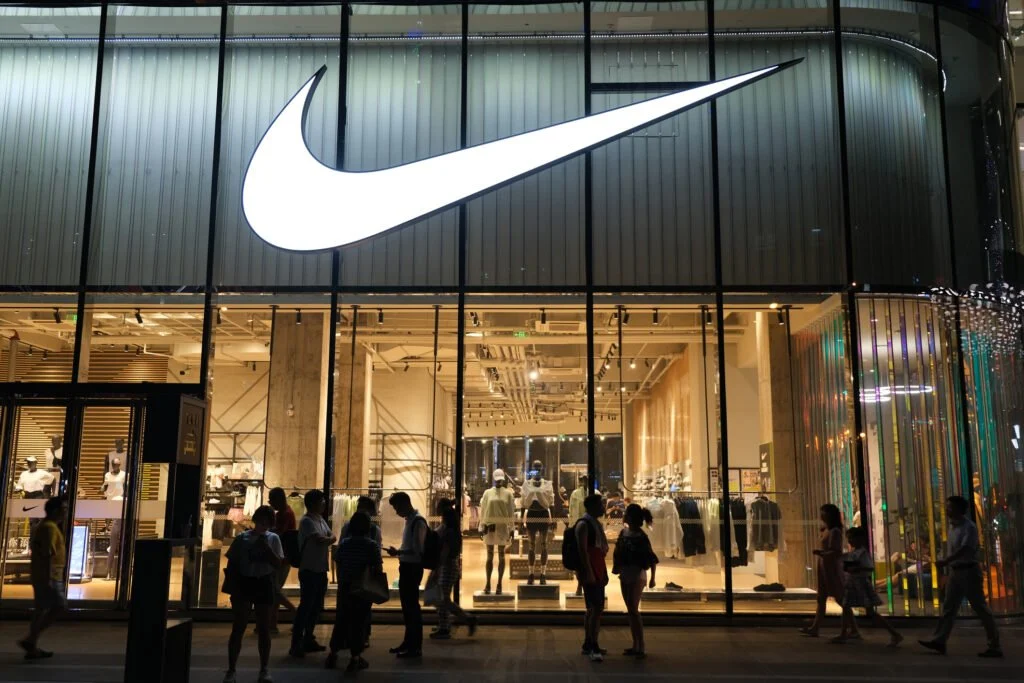
Nike, the perennial titan of the athletic footwear and apparel industry, has long set the benchmark for global brand dominance. However, as the company closed its first quarter of fiscal 2026 on August 31, 2025, the results unveiled a narrative far more nuanced than a simple growth story. With total revenue hitting $11.7 billion—a modest 1% increase year-over-year—and a diluted EPS of $0.49 that surpassed Wall Street’s cautious expectations, Nike finds itself navigating a complex "tale of two channels."
The quarter serves as the inaugural report card for the "Win Now" agenda under CEO Elliott Hill. While the brand demonstrates signs of operational stabilization, the report reveals a critical internal tension: a resurgent wholesale business propping up a struggling direct-to-consumer (DTC) engine. This article examines the multifaceted dynamics currently shaping the future of the world’s most recognizable sports brand.
Main Facts: A Mixed Bag of Metrics
The headline numbers for Q1 2026 reflect an organization in transition. While revenue growth was positive, it was heavily localized and channel-dependent. Nike Brand revenue reached $11.4 billion, reflecting a 2% reported increase, though this figure flatlined when adjusted for currency fluctuations.
The most striking divergence occurred between how Nike reaches its customers. For years, the company aggressively pursued a "DTC-first" strategy, pivoting away from third-party retailers to control the customer experience and margin. In Q1 2026, the pendulum swung back. Wholesale revenue surged by 7% (5% FX-neutral), buoyed by retail partners replenishing inventories ahead of the vital back-to-school and fall sports seasons. Conversely, Nike Direct—the flagship digital and brick-and-mortar arm—suffered a 4% decline. This data point is particularly sobering for investors, as it suggests that the digital consumer, once the primary driver of Nike’s growth, is either losing interest or shifting their purchasing habits back to physical retail environments.
Furthermore, the brand’s sub-label, Converse, provided a significant drag on the bottom line, posting a 27% revenue drop. This, combined with a 320-basis-point contraction in gross margins to 42.2%, underscores the structural headwinds Nike faces, including higher supply chain costs and an unfavorable product mix.
Chronology of the Strategic Pivot
To understand the current state of Nike, one must look at the timeline of the "Win Now" initiative.
- Pre-2024: Nike prioritized digital transformation, attempting to bypass traditional retail partners to maximize margins. This led to strained relationships with long-time wholesale allies.
- Late 2024–Early 2025: Facing slowing growth and increased competition from agility-focused brands like Adidas and Hoka, internal pressure mounted to re-evaluate the DTC-centric model.
- Mid-2025 (CEO Transition): Elliott Hill assumed leadership, signaling a shift in philosophy. The "Win Now" mandate was born, emphasizing a return to performance-led innovation and a repaired, symbiotic relationship with wholesale partners.
- August 31, 2025 (Q1 2026 Closing): The fiscal quarter ended, marking the first real-world data collection period for the new strategic direction.
- September 2025: The earnings release confirmed that while the wholesale pivot is yielding immediate results, the brand’s digital ecosystem remains under significant stress.
Supporting Data: Dissecting the Financial Health
The financial data provided by Nike’s investor portal offers a granular look at where the brand is succeeding and where it is bleeding.
Margin Compression: The Cost of Doing Business
The 320-basis-point dip in gross margin to 42.2% is the most concerning metric for financial analysts. This was not the result of a single factor but a "perfect storm" of operational friction:
- Tariffs and Product Costs: North American supply chain volatility continues to inflate the cost of goods sold.
- Channel Mix: As the business leans back toward wholesale—which traditionally carries lower margins than direct sales—the overall blended margin is inevitably pressured.
- Pricing Power: Lower average selling prices (ASPs) suggest that to move volume in a crowded market, Nike has been forced to rely on promotional activity, which effectively erodes brand equity and profitability.
Regional Disparities
North America remains the bedrock of the company’s recovery, showing resilience in performance categories like running and basketball. However, the international picture is darker. Greater China, once the engine of Nike’s growth, continues to underperform due to a combination of shifting consumer tastes and a difficult macroeconomic environment. The decline in Converse, a global sub-brand, further highlights that the issues are not merely localized to the flagship Nike banner but reflect a broader struggle to connect with younger, lifestyle-oriented consumers.
Official Responses and Leadership Vision
During the earnings call, management emphasized that the "Win Now" agenda is not a retreat, but a "realignment." CEO Elliott Hill and his leadership team highlighted that the current strategy is built on three pillars:
- Core Performance: Moving away from the "athleisure" saturation and refocusing on the technical aspects of footwear—running, training, and sport-specific gear.
- Wholesale Restoration: Acknowledging that the "DTC-only" approach alienated key partners. Management stated that "the consumer dictates the channel," and currently, the consumer wants the touch-and-feel experience of traditional retail.
- Operational Discipline: A commitment to tighter inventory control. By not over-producing, Nike aims to reduce the need for deep discounting, which has historically damaged the brand’s premium positioning.
Hill’s rhetoric is clear: Nike must return to its roots as an "athlete-first" company to regain the cultural and market share ground lost over the past 24 months.
Implications for the Athletic and Retail Landscape
The implications of these results ripple far beyond Nike’s balance sheet. They serve as a case study for the entire retail sector.
The Myth of the "DTC-Only" Utopia
Nike’s Q1 results provide a stark warning to other brands that pursued aggressive DTC-only strategies during the pandemic: digital is a powerful tool, but it is not a total replacement for the physical retail ecosystem. The wholesale channel provides scale, brand visibility, and a level of consumer accessibility that digital stores cannot replicate on their own.
The Competitive Opportunity for Rivals
With Nike in a state of flux, competitors like Adidas are seizing the moment. By capitalizing on Nike’s softness in the digital space and the underperformance of sub-brands, rivals are finding openings to capture market share. For the industry at large, this suggests that the next two years will be defined by an "arms race" in product innovation and retail placement. Brands that can balance a premium digital presence with a robust physical distribution strategy will likely win.
Sustainability and Pricing Discipline
The margin pressure noted in this quarter serves as a reminder of the "profitability trap." As brands face higher tariffs and inflation, the temptation to discount is high. However, Nike’s struggle shows that once a brand begins to rely on promotions to drive top-line revenue, it becomes incredibly difficult to restore full-price status. Success in the coming quarters will depend on whether Nike can maintain its "Win Now" momentum without sacrificing its long-term brand premium.
Conclusion: A Turning Point or a Long Road?
As we look toward the remainder of the 2026 fiscal year, the narrative surrounding Nike is one of cautious optimism. The company has successfully identified the friction points—the reliance on an over-extended DTC model and the need for renewed wholesale partnerships—and has begun the process of correction.
However, the "Win Now" agenda is in its infancy. The true test will not be the current quarter’s replenishment of wholesale shelves, but the ability to drive consistent, full-price sell-through in core performance categories. Can Nike translate its heritage in running and sport into a new generation of consumer loyalty? Can it stabilize its international markets, particularly China? And, most importantly, can it fix its digital operations without further damaging its margins?
Nike remains an industry powerhouse, but the Q1 2026 results confirm that its era of effortless growth is over. The company is now in a "fight for its future," a battle that will require a delicate balance of operational efficiency, aggressive product innovation, and a humble acknowledgment of the changing retail landscape. Investors and enthusiasts alike will be watching closely as the "Win Now" agenda moves from strategy to execution in the coming months. For Nike, the marathon continues, and the brand is clearly adjusting its stride.
About the Author