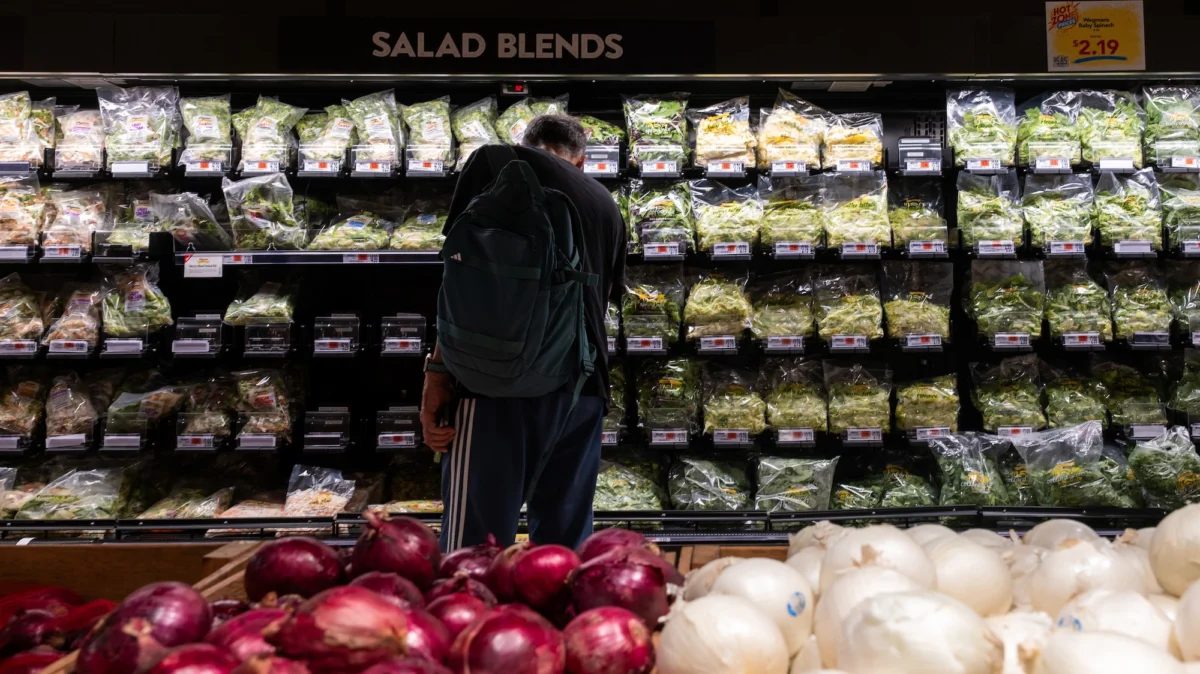
The quintessential American summer—defined by backyard barbecues, crisp garden salads, and fresh seasonal fruit—has been hollowed out by a growing, invisible threat. In 2026, the promise of harvest season has been replaced by a pervasive sense of dread in the produce aisle. As the United States grapples with a surge of foodborne pathogens, the intersection of a warming planet and a gutted federal public health apparatus has created a "perfect storm" for food safety, leaving millions of Americans questioning the security of their dinner plates.
The New Normal: A Surge in Pathogens
The statistics from the current season are staggering. Since May, the United States has recorded more than 17,000 lab-confirmed cases of cyclosporiasis. To put this in perspective, the country historically saw only a few hundred infections annually from this parasite—a microscopic organism that induces severe, often debilitating gastrointestinal distress.
This, however, is merely the tip of the iceberg. The current food safety crisis is multi-pronged and pervasive:
- Listeria: A fatal case was traced back to contaminated ricotta cheese, prompting a widespread recall.
- Salmonella: A massive outbreak linked to eggs sickened nearly 100 people, while a separate, ongoing incident involving jalapeños has hospitalized over 400.
- E. coli: The Food and Drug Administration (FDA) issued its highest-level "urgent" recall for frozen blueberries earlier this month, signaling a high-risk threat to consumers.
- Multi-Pathogen Outbreaks: Most recently, an outbreak involving both salmonella and E. coli in alfalfa sprouts has affected dozens across 15 states, with hospitalization rates climbing.
The frequency of these reports has become so alarming that mainstream discourse has shifted from general caution to extreme avoidance. Some public health commentators have gone as far as to suggest that consumers should abandon leafy greens entirely—a dire recommendation that complicates the nutritional goals of a healthy, vegetable-forward diet.
Chronology of a Crisis
The decline in food safety did not happen overnight, but the 2026 season represents a tipping point.
- January 2025 – October 2025: The federal public health landscape undergoes a radical transformation. Through a series of aggressive administrative restructurings and budget realignments, the FDA and the Centers for Disease Control and Prevention (CDC) see their workforces decimated.
- May 2026: The first major spikes in cyclosporiasis are noted. Initially dismissed as a seasonal anomaly, the numbers quickly eclipse all previous historical records.
- June 2026: Researchers confirm that pathogens once relegated to tropical environments are appearing in domestic US agricultural hubs, including Florida.
- August 2026: The crisis reaches a fever pitch. With reports of salmonella and E. coli flooding in simultaneously, federal agencies struggle to maintain consistent messaging, leading to public confusion and a breakdown in the chain of trust between regulators and the American consumer.
- Late August 2026: As the summer wanes, the "brain drain" at the FDA becomes a primary point of political contention, with former officials publicly decrying the loss of institutional knowledge that once allowed for rapid outbreak detection.
The Climate Factor: Why the Bugs Are Spreading
While public attention is focused on the immediate fallout, epidemiologists are sounding the alarm on a deeper, structural shift: the role of climate change in foodborne illness.
Pathogens such as Cyclospora, Salmonella, and E. coli thrive in specific environmental conditions. Salmonella flourishes in high humidity, while E. coli shows increased resilience and proliferation in rising temperatures. As global temperatures creep upward, the "comfort zone" for these pathogens is shifting away from the tropics and toward temperate agricultural zones in North America.
Joseph Eisenberg, a professor of epidemiology at the University of Michigan, points out that the historical geographic barriers that once protected US farms are dissolving. "Climate change has allowed pathogens like Cyclospora to expand from the tropic and subtropic lines into areas further north and south," Eisenberg notes.
The implication is that these diseases are becoming "endemic"—meaning they are no longer just travel-related risks or isolated incidents, but permanent fixtures of the domestic agricultural environment. The 2020 detection of Cyclospora on Florida farms was the first canary in the coal mine, suggesting that the "summer of sickness" is not a one-off event, but a preview of a warmer, more pathogenic future.
Structural Decay: The Impact of Federal Staffing Cuts
The severity of this year’s outbreaks has been exacerbated by a significant reduction in the government’s capacity to respond. During the second Trump administration, the federal government underwent a massive reduction in force.
Data from the Partnership for Public Service indicates that the FDA and the USDA lost more than 11,000 workers, representing a 22 percent cut to their combined workforce. The CDC fared even worse; by the summer of 2026, the number of scientists dedicated specifically to tracking food parasites had plummeted from 11 to just three.
This, combined with the shuttering of several national monitoring programs, has created a blind spot in the nation’s food defense. Dr. Anurag Malani, an infectious disease expert, describes the current state as a "brain drain" that has crippled the nation’s ability to act. "The ability to do what you need to do to keep citizens safe… we don’t have as many people doing that as we used to," Malani stated.
The decentralization of health monitoring has forced state and local agencies—which are already struggling with funding shortages—to fill the gap. Local health departments, lacking the centralized resources of the federal government, are reporting that they are often days or weeks behind in receiving the data necessary to warn the public about contaminated products.
Implications for the Future
The current food safety crisis poses profound questions for the future of American agriculture and public health policy.
1. The Globalized Supply Chain Vulnerability
The modern expectation of year-round access to fresh produce—regardless of season or origin—requires an incredibly complex, globalized supply chain. Each step in this process, from irrigation to harvest and distribution, presents a point of failure. When these supply chains are coupled with poor storage practices and tainted water sources, the risk of contamination skyrockets. As long as the demand for non-seasonal produce remains, the risk of importing pathogens will persist.
2. A Call for Reinvestment
The current administration has begun an emergency hiring push, attempting to recruit 2,200 staff members to mitigate the ongoing crisis. However, experts warn that this is a "Band-Aid" solution. Rebuilding a public health apparatus requires years of training, specialized knowledge, and deep institutional memory. Simply filling seats does not replace the scientists who were laid off in 2025.
3. Adapting to a New Reality
If, as scientists suggest, climate change is facilitating the domestic establishment of tropical pathogens, the standard methods of food inspection may need a total overhaul. This could involve stricter testing requirements for domestic farms, significant investments in water sanitation technology, and perhaps a fundamental shift in how the FDA prioritizes "Food" within its mandate, which has historically prioritized the "Drug" component of its operations.
Conclusion: Will the Summer Ever End?
As the calendar turns toward autumn, the immediate panic may subside, but the underlying conditions remain unchanged. We are living in an era where the food on our tables is more susceptible to contamination than it has been in decades.
The "diarrhea summer" of 2026 may be remembered as a turning point—a moment when the fragility of the global food system was laid bare by the dual forces of a changing climate and a hollowed-out regulatory state. Until there is a robust, sustained investment in public health and a serious accounting of the ecological shifts occurring on our farms, the risk of foodborne illness will remain a permanent, uncomfortable guest at the American dinner table. For now, consumers are left to navigate this new landscape with little more than caution and the hope that, at the very least, they can safely cook their way out of the danger.
About the Author