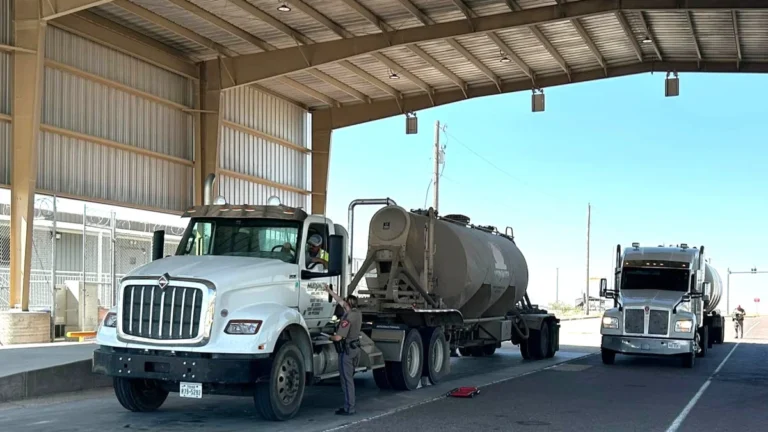
In what Florida Attorney General James Uthmeier has described as one of the most horrific cases his office has ever encountered, two women are facing a combined 22 felony charges following the discovery of four children who were held captive inside the sleeper cab of a commercial semi-truck for more than six years. The investigation, which spans conduct occurring from January 2020 through April 2026, has unveiled a harrowing narrative of systemic neglect, physical violence, and sexual abuse occurring on the open road.
The defendants, identified as 37-year-old Tamra Marshon Stewart of Jacksonville, Florida, and 51-year-old Keysha Monique Epps of Atlanta, Georgia, are currently facing the full weight of the Florida legal system. Epps, who worked as a commercial truck driver, utilized her long-haul routes between Atlanta and Miami to facilitate the confinement of the children—two boys and two girls—who lived in squalor within the confines of the vehicle’s sleeper compartment.
The Horror of the Sleeper Cab: A Chronology of Confinement
The investigation suggests that the victims—two 5-year-olds, one 6-year-old, and one 9-year-old—were subjected to a life of extreme deprivation. For over half a decade, the four children were forced to share a single bunk in the back of the truck. According to the Attorney General’s office, the mobile environment served as a “rolling prison,” where the children were almost never permitted to leave.
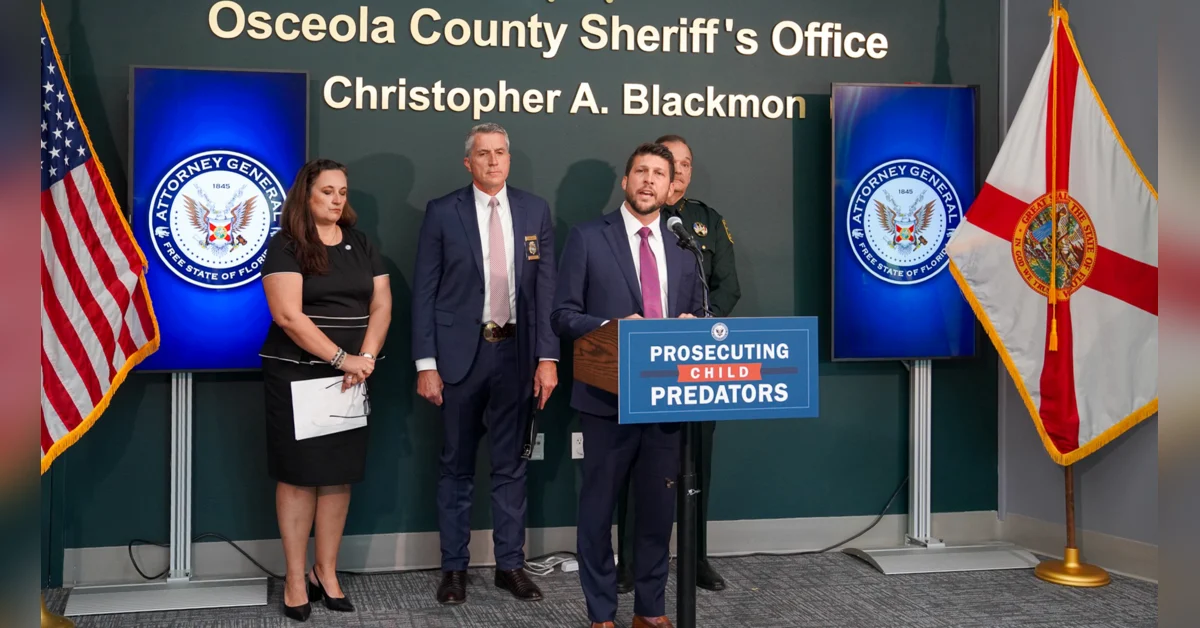
During a live press conference, Uthmeier painted a bleak picture of the victims’ daily reality. The children were chronically malnourished, lacking access to regular, nutritious meals. Beyond the physical hunger, they were denied basic hygiene, with no access to proper sanitation or showers. The investigation revealed that the children were forced to use household items, including cups and paper bags, as makeshift toilets, living in the filth created by such arrangements.
The timeline of the abuse is extensive. Investigators have pieced together years of systemic mistreatment, identifying the period from 2020 to 2026 as the primary window of criminal activity. During this time, the truck traveled across Florida, with frequent stops in cities like Orlando, while the children remained hidden behind the cab’s curtains.
Physical and Psychological Toll
The medical findings associated with the case are particularly disturbing. Investigators discovered that two of the children suffered from untreated burns that resulted in permanent, significant scarring. Furthermore, at least one child was diagnosed with a sexually transmitted infection after finally being removed from the women’s custody.
The emotional and psychological trauma inflicted upon the children remains difficult to quantify. The two girls in the group disclosed years of sexual abuse at the hands of Stewart. The two boys reported being forced to witness these acts and detailed subsequent beatings they received if they confronted Stewart or attempted to alert Epps. Prosecutors allege that Epps was fully aware of the abuse but failed to intervene, instead continuing her commercial routes while the violence unfolded in the bunk behind her.
Legal Breakdown: The 22 Criminal Charges
The prosecution, led by Special Counsels Rita Peters, Stephanie Bergen, and Beth Shelley, has filed a comprehensive set of charges in Florida’s Ninth Judicial Circuit. The legal strategy aims to hold both women accountable for their individual roles in the abuse and their collective failure to protect the children.
Charges Against Tamra Marshon Stewart
Stewart faces 10 criminal counts, reflecting the gravity of her direct involvement in the abuse:
- Sexual Battery: Two counts of sexual battery by an individual in a position of familial or custodial authority.
- Molestation: Two counts of lewd or lascivious molestation involving a child younger than 12.
- Battery: Two counts of battery through the expulsion of bodily fluids or materials.
- Child Neglect: Four counts of neglect, two involving great bodily harm and two involving permanent disfigurement.
Charges Against Keysha Monique Epps
Epps faces 12 counts, highlighting her role as the driver and primary caregiver who permitted the abuse to continue:
- Sexual Battery: Two counts of sexual battery by a custodial authority.
- Molestation: Two counts of lewd or lascivious molestation involving a child under 12.
- Failure to Report: Four counts of failing to report child abuse, a mandatory legal obligation under Florida law.
- Child Neglect: Four counts related to bodily harm and permanent disfigurement resulting from the prolonged, inhumane living conditions.
Official Responses and the Pursuit of Justice
The discovery of the “rolling prison” has sent shockwaves through the Florida law enforcement community. Attorney General Uthmeier, during his public briefing, expressed his absolute indignation at the situation. “These children were trapped in a rolling prison,” Uthmeier stated, pledging to seek the maximum possible penalty under state law. When questioned about the severity of the sentencing, Uthmeier indicated that he would pursue the death penalty if the statutory framework allows, emphasizing that Florida maintains a “zero-tolerance” policy for those who prey on children.
Florida Department of Law Enforcement (FDLE) Commissioner Mark Glass echoed these sentiments, labeling the protection of children as society’s “most sacred responsibility.” He promised that the state would ensure full accountability for the perpetrators, regardless of the complexity of the investigation. Similarly, Osceola County Sheriff Chris Blackmon reinforced the non-negotiable nature of child safety, urging the public to remain vigilant and report any suspicions of abuse immediately.
Implications for the Transportation Industry
The case has cast a spotlight on a vulnerable blind spot within the commercial trucking industry. While the vast majority of drivers operate within the bounds of the law, the sheer mobility of a semi-truck allows perpetrators to cross multiple jurisdictions, effectively masking criminal conduct from local law enforcement agencies.
This case serves as a grim warning to transportation professionals, dispatchers, and weigh station operators. The use of commercial equipment to conceal domestic crimes suggests that human trafficking and child abuse can, and do, happen on the highways of America. Industry experts are now highlighting the importance of “careful observation.” If a driver is seen with children in a long-haul truck for extended periods or if the vehicle appears to be a permanent residence for minors, it should be treated as a red flag.
The investigation into the case remains active. While the children are currently in state custody receiving urgent physical and emotional treatment, authorities have not yet released details regarding their long-term prognosis or their relationship to the defendants. Officials have also remained tight-lipped about the specific tip that led to the discovery of the truck, citing the ongoing nature of the investigation and the need to protect the privacy of those who came forward.
Moving Forward: Recovery and Reform
As the Ninth Judicial Circuit prepares for upcoming hearings, the focus remains on the rehabilitation of the four victims. Their recovery is expected to be a long, arduous process, given the duration and intensity of the abuse they endured. The state has committed to providing them with the necessary resources to navigate the path toward healing, though the scars—both physical and psychological—will likely persist for years to come.
For the logistics and trucking sector, this case is likely to spark renewed debates regarding the oversight of drivers and the potential for increased scrutiny of sleeper cabs. With the industry already dealing with high-profile issues such as cargo theft, fraudulent pickups, and human smuggling, the revelation that a sleeper cab was used as a long-term detention facility for children adds a new, horrifying layer of concern for industry compliance officers.
As Attorney General Uthmeier noted, the investigation is not yet complete. The legal team continues to review evidence, and the potential for additional charges remains on the table. For now, the case stands as a stark reminder that the most vulnerable members of society can be hidden in plain sight, and that it requires the vigilance of the public—and the industry at large—to ensure that such a “rolling prison” is never allowed to exist again.
About the Author