In an era dominated by digital interfaces and sprawling studio setups, a refreshing counter-movement is taking shape in the palms of creators worldwide. At the heart of this shift is the Retro Mini Pochade Box, a meticulously engineered watercolor sketching kit produced by the Mexico-based creative studio Blue Star Crafts. This device is not merely an art supply; it is a profound statement on the portability of inspiration and the democratization of the creative process.
Main Facts: Engineering the Impossible
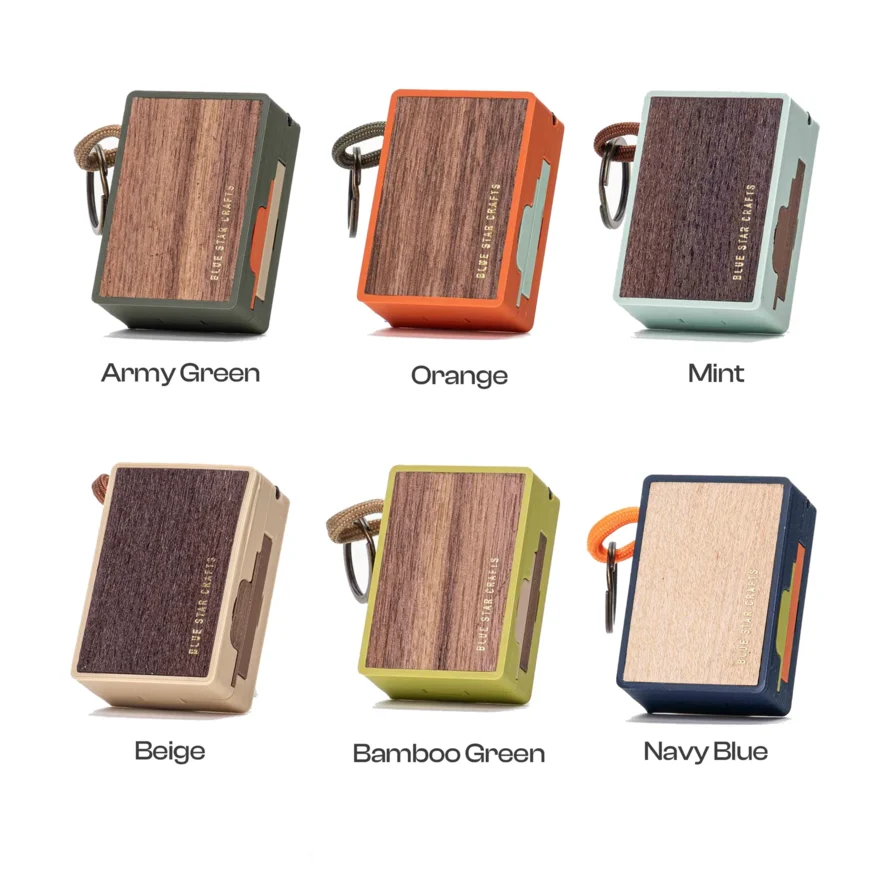
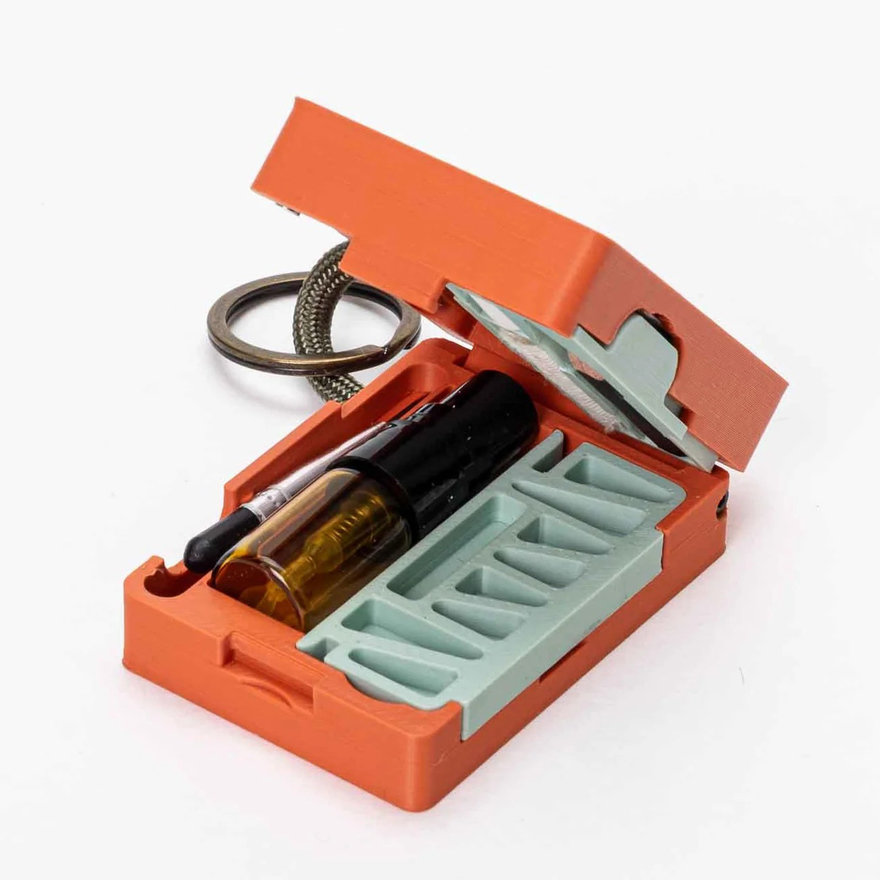
Created by architect Federico Alvarado and designer Daniela Ramón, the Retro Mini Pochade Box is a masterclass in industrial design and miniature engineering. Despite its diminutive stature—measuring a mere 1 5/8" x 7/8" x 2 3/8" (2.3 x 6 x 4.2 cm)—the box functions as a comprehensive, self-contained mobile atelier.
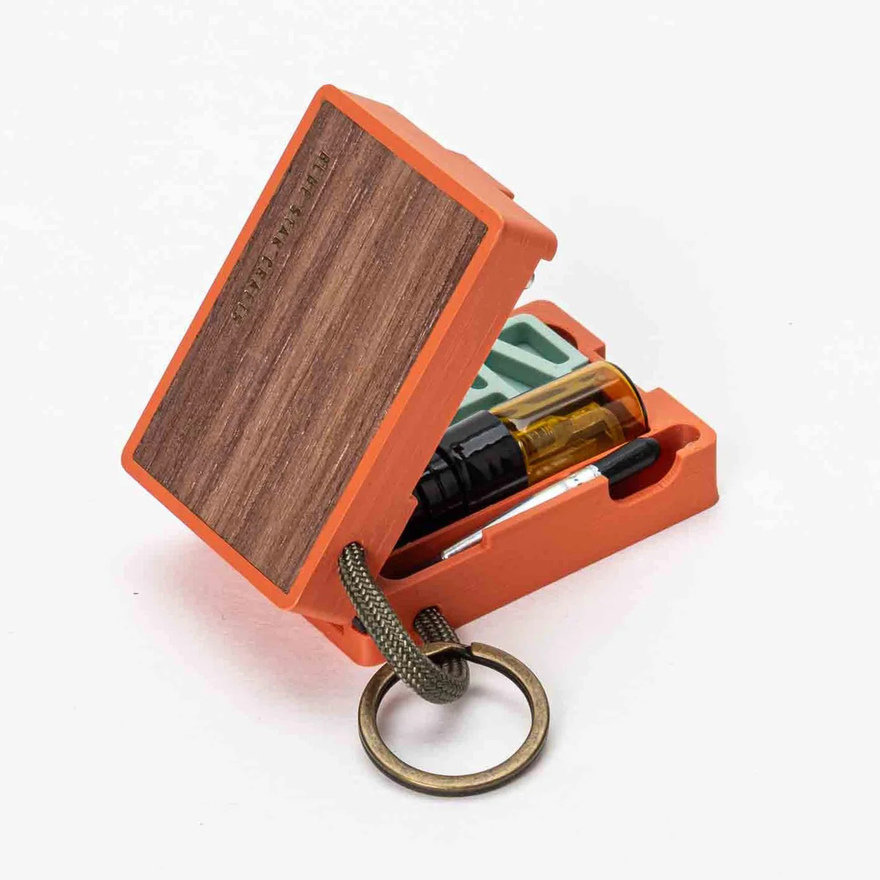
The kit is designed to bridge the gap between intent and action. It includes a custom-fitted spray bottle for paint activation, a precision-grade miniaturized paintbrush, and a high-quality Blackwing pencil paired with a matching eraser. Perhaps most impressively, the kit features a specialized magnetic retention system that secures a stack of 30 custom-cut watercolor sheets, ensuring that the artist is never without a substrate for their ideas.
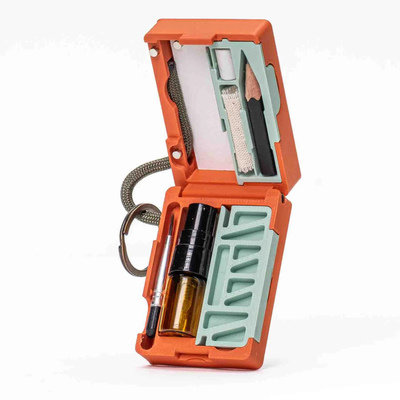
The structural brilliance of the box lies in its modularity. The vibrant blue trays, crafted from high-durability silicone, are designed to be fully removable. When in use, they clip onto the sides of the box, extending the workspace and providing a dedicated area for water management and color mixing. Currently available in six distinct colorways, the unit is priced at $70, positioning it as both an accessible tool for hobbyists and a collector’s item for design enthusiasts.
A Chronology of Concept: From Architectural Roots to Artisanal Utility
The story of the Retro Mini Pochade Box is rooted in the intersection of professional architecture and industrial design. Federico Alvarado and Daniela Ramón founded Blue Star Crafts with a specific philosophy: to create "the kind of solutions that make you want to create something every day."
The Pre-Inception Phase
Long before the launch of the Retro Mini, Alvarado and Ramón operated within the traditional constraints of their respective fields. As an architect, Alvarado spent years grappling with the tension between large-scale structural projects and the immediate, ephemeral nature of sketching. Ramón, with a background in design, brought a keen eye for material aesthetics and user-centric ergonomics.
The Prototyping Era
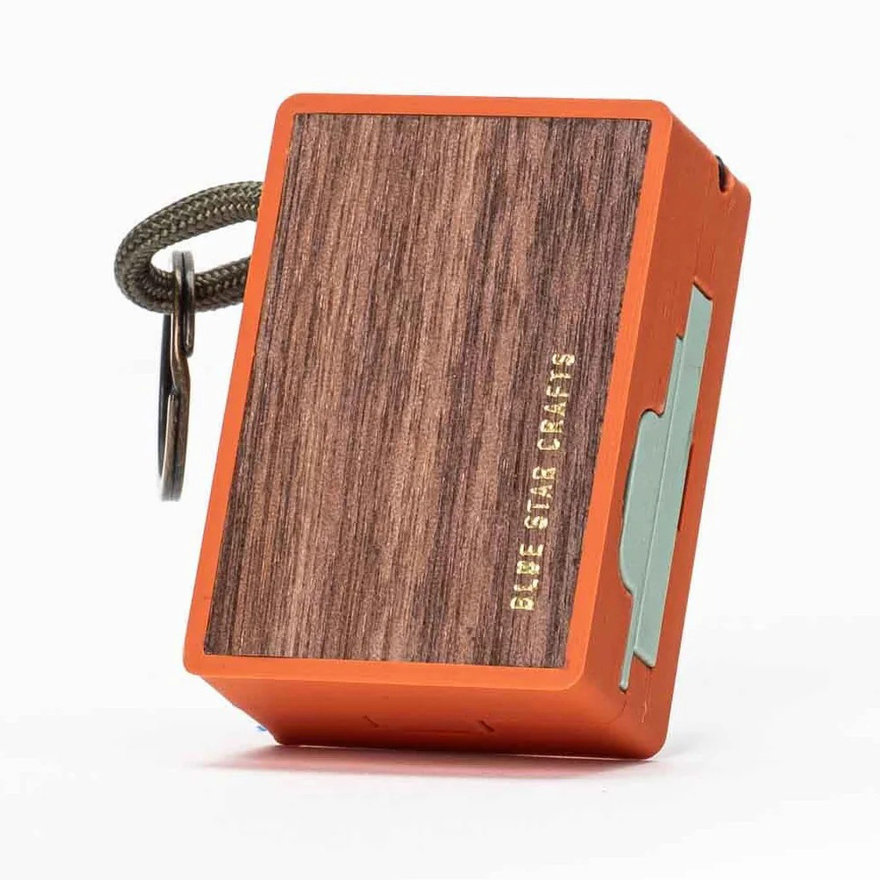
The development phase was characterized by a rigorous cycle of trial and error. The primary challenge was spatial: how to condense a multi-component art kit into a form factor that fits comfortably in a shirt pocket or a small handbag. The duo spent months experimenting with different hinge mechanisms, magnet strengths, and material densities. The selection of the silicone side-trays was a pivotal moment in the development, as it allowed for a tactile, collapsible solution that didn’t compromise the rigidity of the main wooden housing.
The Launch and Market Reception
Upon its introduction to the global market via their online storefront, the kit immediately captured the attention of the urban sketching community. Unlike bulky field easels, which require significant setup time, the Retro Mini was marketed as a "grab-and-go" solution. Its popularity skyrocketed as social media influencers demonstrated the ease with which one could capture a sunset or a street scene in under ten minutes, fueling a wave of interest from artists who felt stifled by the weight of their traditional gear.
Supporting Data: The Anatomy of a Miniature Tool
To understand the significance of the Retro Mini Pochade Box, one must examine the metrics of its design. The following data highlights why this specific kit has outperformed generic competitors:
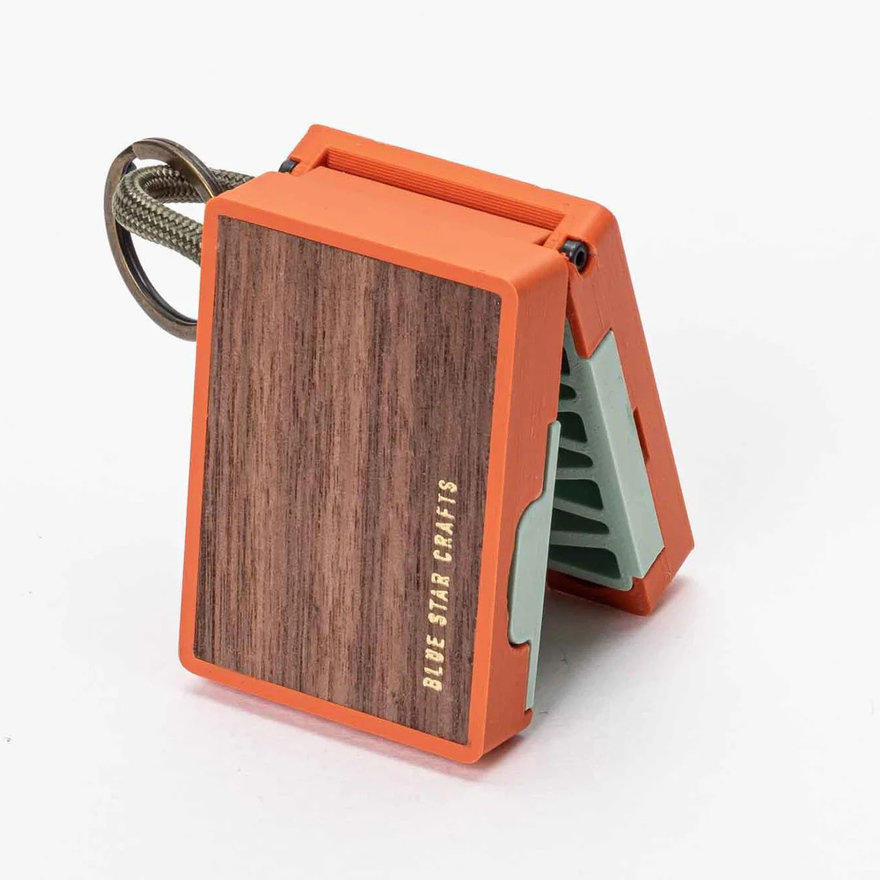
- Dimensional Efficiency: At a total volume of less than 4 cubic inches, it is among the smallest fully-functional watercolor kits currently on the market.
- Material Integrity: The use of wood provides a warmth and tactile quality that plastic alternatives lack, while the silicone accents ensure long-term durability against water and pigment staining.
- Magnetics: The use of embedded magnets for paper retention is a clever solution to the "slippage" problem common in field sketching, where wind or uneven surfaces can ruin a composition.
- The Blackwing Factor: By including a Blackwing pencil—a tool revered by legendary writers and artists for its graphite quality—Blue Star Crafts signals to the user that this is a professional-grade instrument, not a child’s toy.
Official Perspectives: The Philosophy of Blue Star Crafts
In various discussions surrounding their design process, Alvarado and Ramón have emphasized that the Retro Mini Pochade Box is an answer to the "friction of creation."
"We believe that the biggest enemy of creativity is the friction involved in starting," the duo has noted. "When you have to prepare a workspace, find your brushes, organize your paints, and set up your easel, the impulse to create often fades before you put the first mark on the paper."
By eliminating this preparation time, the duo aims to foster a habit of daily artistic output. Their design language is intentionally minimalist, favoring clean lines and functional beauty. They view the box as a "companion" rather than a tool—a constant presence that allows for serendipitous artistic expression during commutes, lunch breaks, or moments of idle waiting. This philosophy aligns with current design trends that prioritize "intentional living," where every object in one’s possession is curated for its ability to enhance daily life.
Implications: The Future of Mobile Artistry
The success of the Retro Mini Pochade Box has broader implications for the art supply industry and the future of creative labor.
The Rise of "Micro-Creation"
We are witnessing a shift toward "micro-creation." Much like the rise of mobile photography transformed the way we document our lives, portable, high-quality kits are transforming the way we document our thoughts and environments. The Retro Mini suggests that artists no longer need to dedicate specific "studio hours" to their craft. Instead, the studio has become portable.
A Challenge to Industrial Giants
Blue Star Crafts represents a growing trend of boutique, artisanal firms outperforming massive conglomerates by focusing on hyper-specialized user experiences. Traditional art supply companies often prioritize high-volume production of standardized kits. In contrast, Alvarado and Ramón have leveraged their niche status to iterate rapidly, listening to user feedback to refine the ergonomics of their product in ways that larger, less agile companies cannot.
The Sustainability of Artisanal Design
The price point of $70, while higher than a mass-produced plastic box, reflects the labor-intensive, handcrafted nature of the product. This signals a shifting consumer mindset: a growing willingness to pay a premium for tools that are ethically produced, aesthetically pleasing, and built to last. It is a rejection of the "disposable" culture of the 21st century.
Conclusion: A Small Box, A Large Impact
The Retro Mini Pochade Box is a testament to the idea that design is most powerful when it is invisible. By fading into the background of the artist’s routine, it allows the focus to remain entirely on the creative process. Federico Alvarado and Daniela Ramón have succeeded in creating a product that is not just functional, but inspirational.
As urban spaces become more crowded and our lives more digitally fragmented, the ability to physically manifest an idea on paper remains a uniquely human necessity. Whether you are an architect capturing a skyline, a student sketching in a park, or a professional illustrator looking to break a creative block, the Retro Mini offers a portal back to the tactile joys of painting. In a world that is constantly asking us to look at screens, Blue Star Crafts provides a compelling reason to look at the world around us, one miniature watercolor at a time.
About the Author