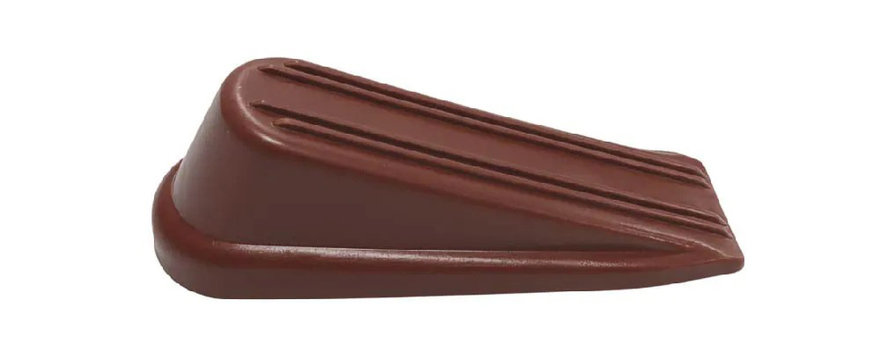
For centuries, the wedge-shaped doorstop has been a fixture of the built environment. It is an object so fundamental and so deceptively simple that it has largely evaded the scrutiny of modern industrial design. It exists in the periphery of our vision—a scrap of rubber, wood, or plastic kicked into place with a shoe and forgotten until it is inevitably lost or misplaced.
However, John and Wonhee Arndt, the creative force behind the Eugene, Oregon-based industrial design firm Studio Gorm, believe that even the most mundane objects warrant a rigorous reappraisal. Their latest project, simply titled "Stop," is a masterclass in how thoughtful design can elevate a utilitarian relic into an object of both functional brilliance and environmental integrity.
The Main Facts: An Object Redefined
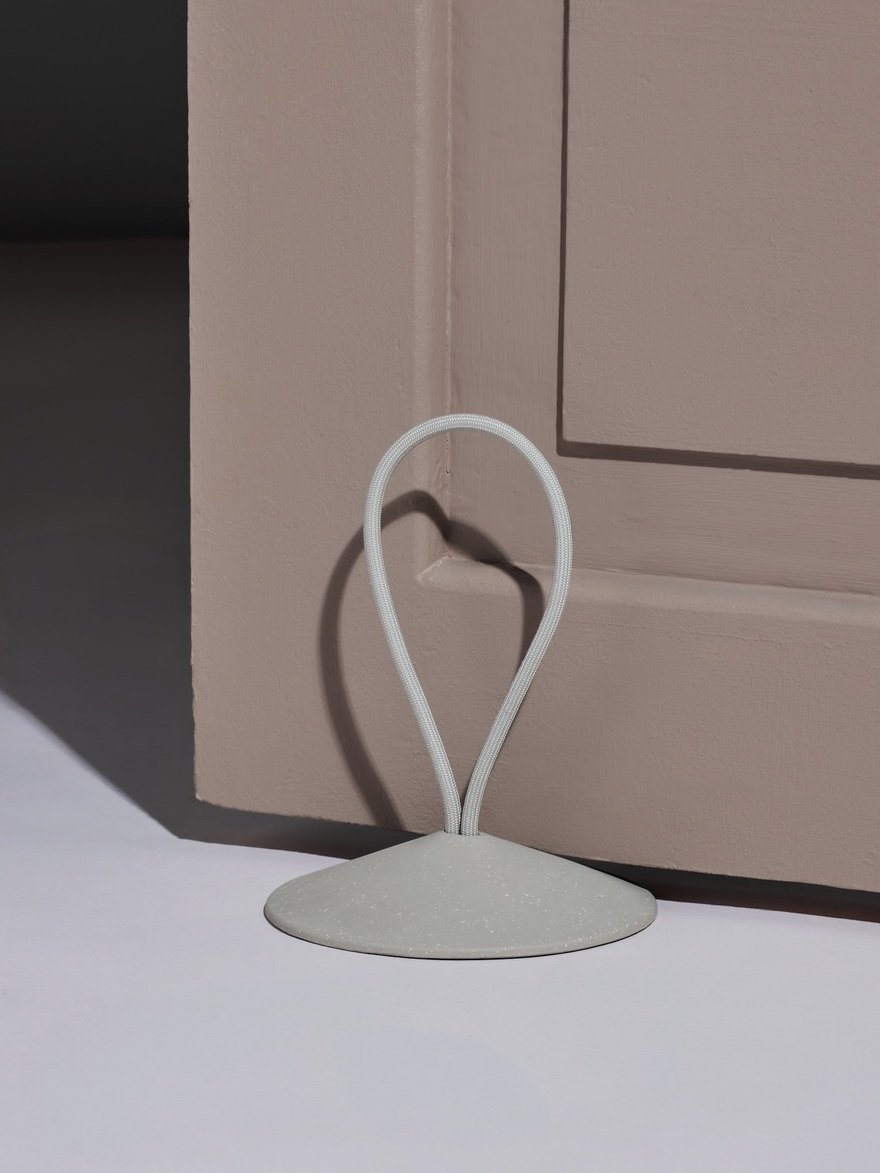
At its core, the "Stop" doorstop is a project born from the realization that common household objects often suffer from a lack of user experience (UX) consideration. When the Arndts looked at the traditional wedge, they saw a design failure: it is difficult to store, prone to sliding on certain floor types, and often visually unappealing, relegating it to the status of a "hidden" tool rather than a functional piece of home hardware.
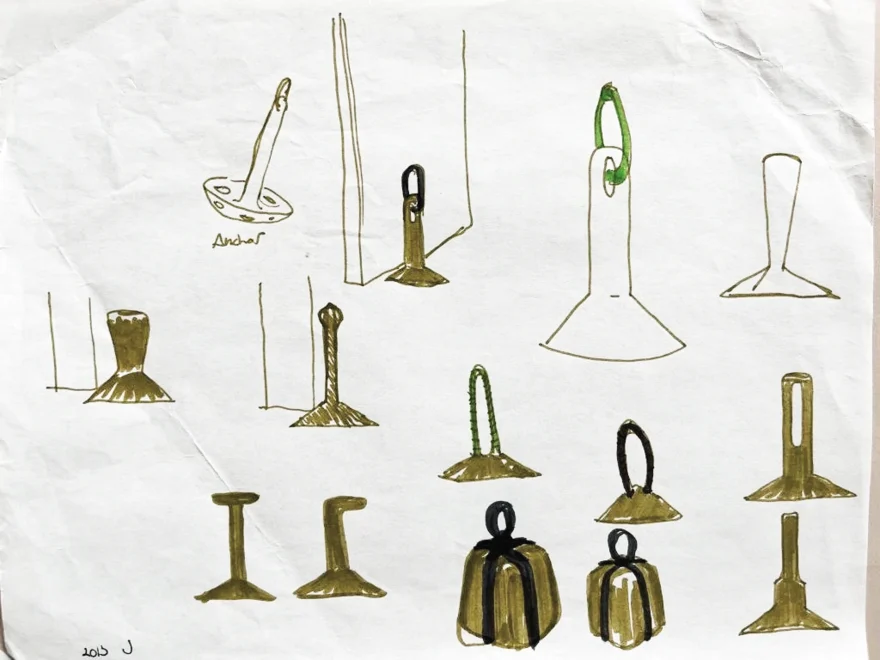
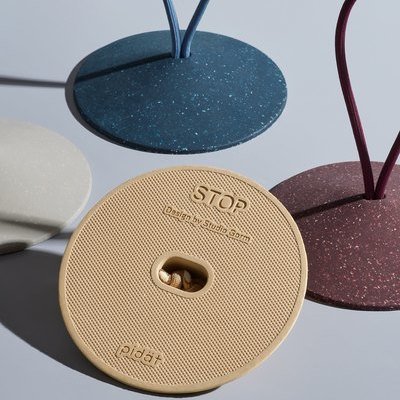
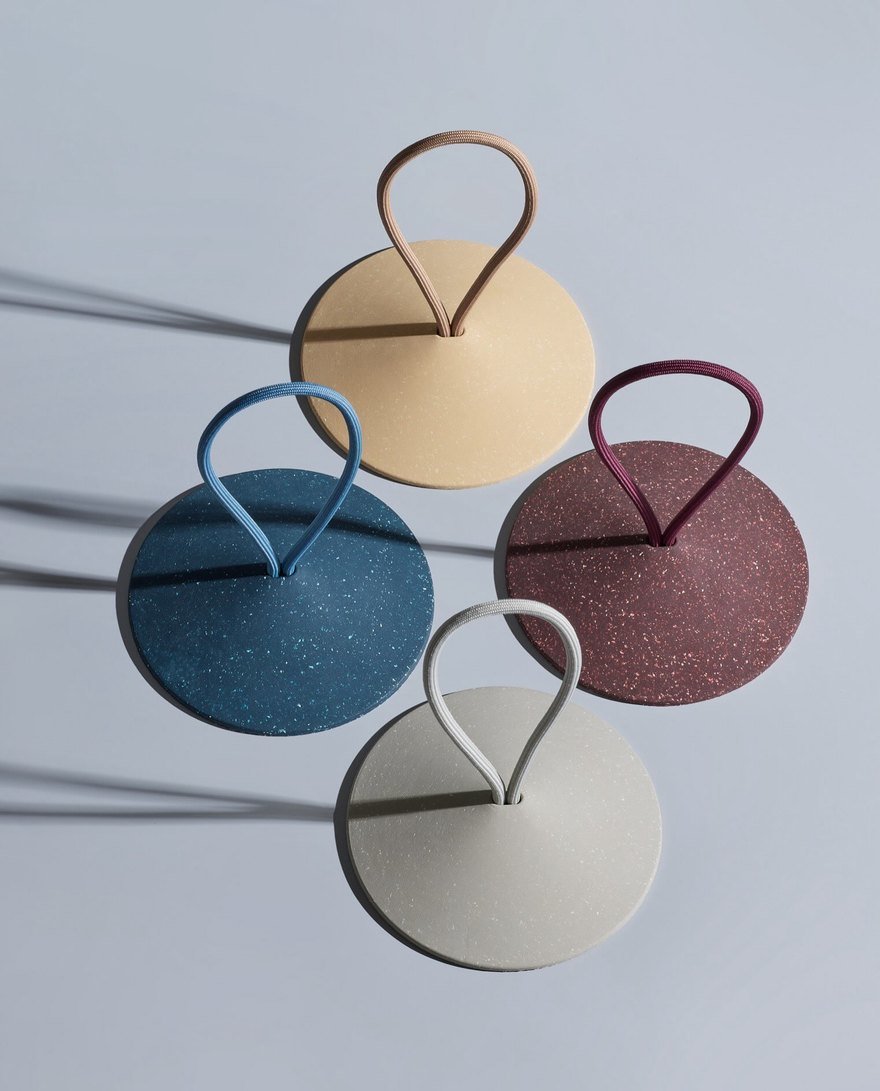
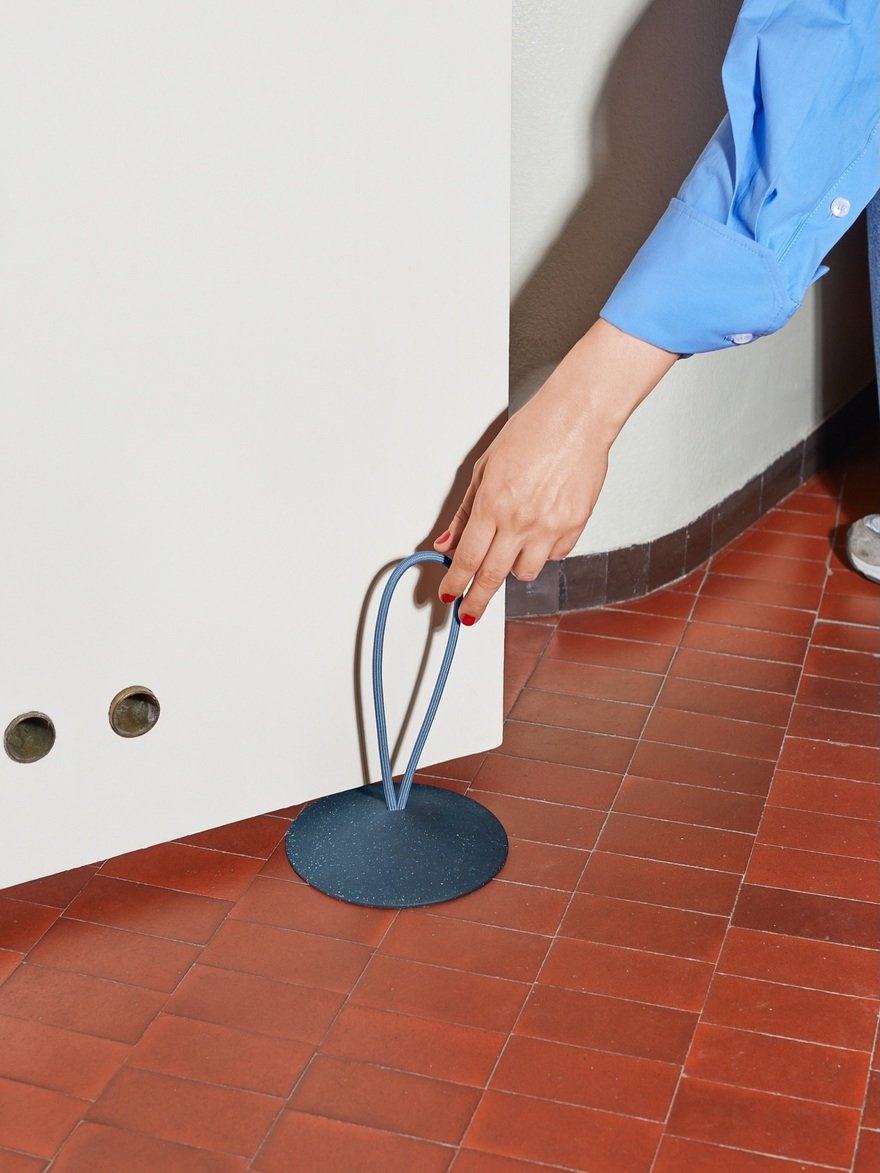
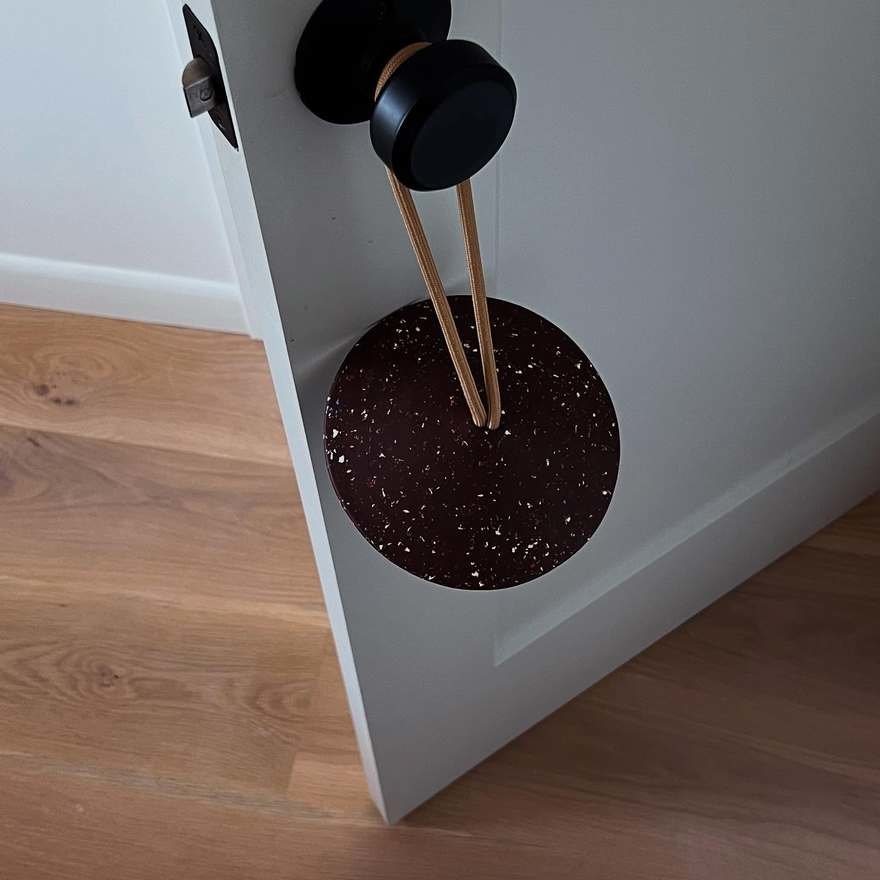
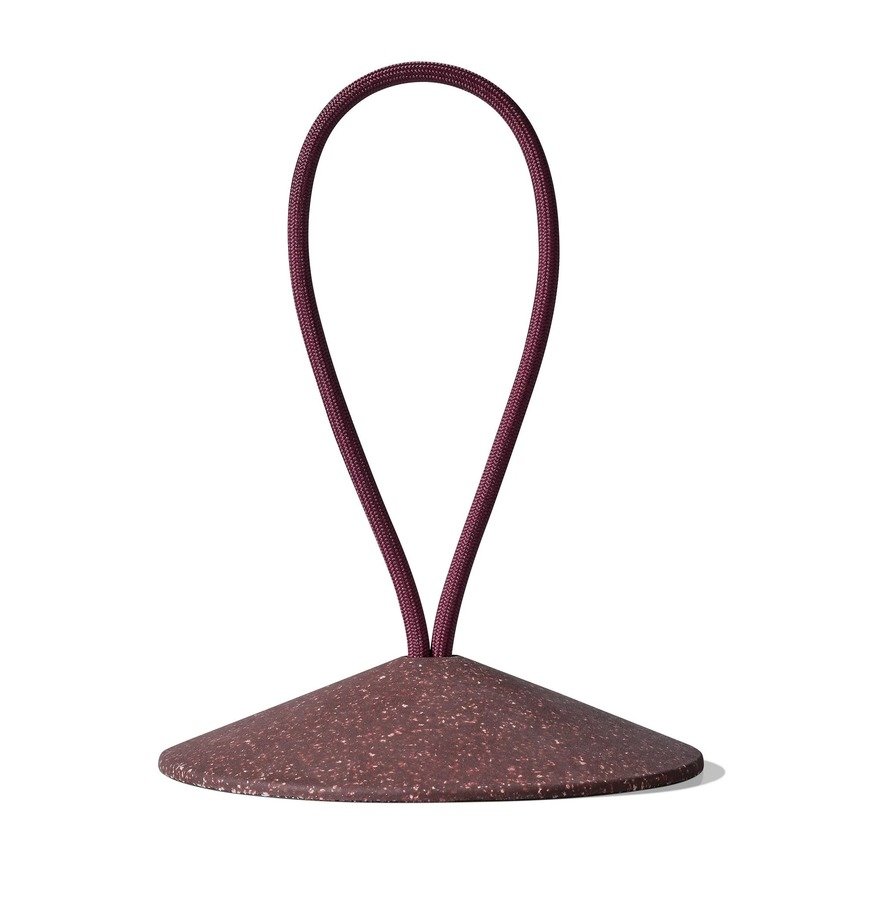
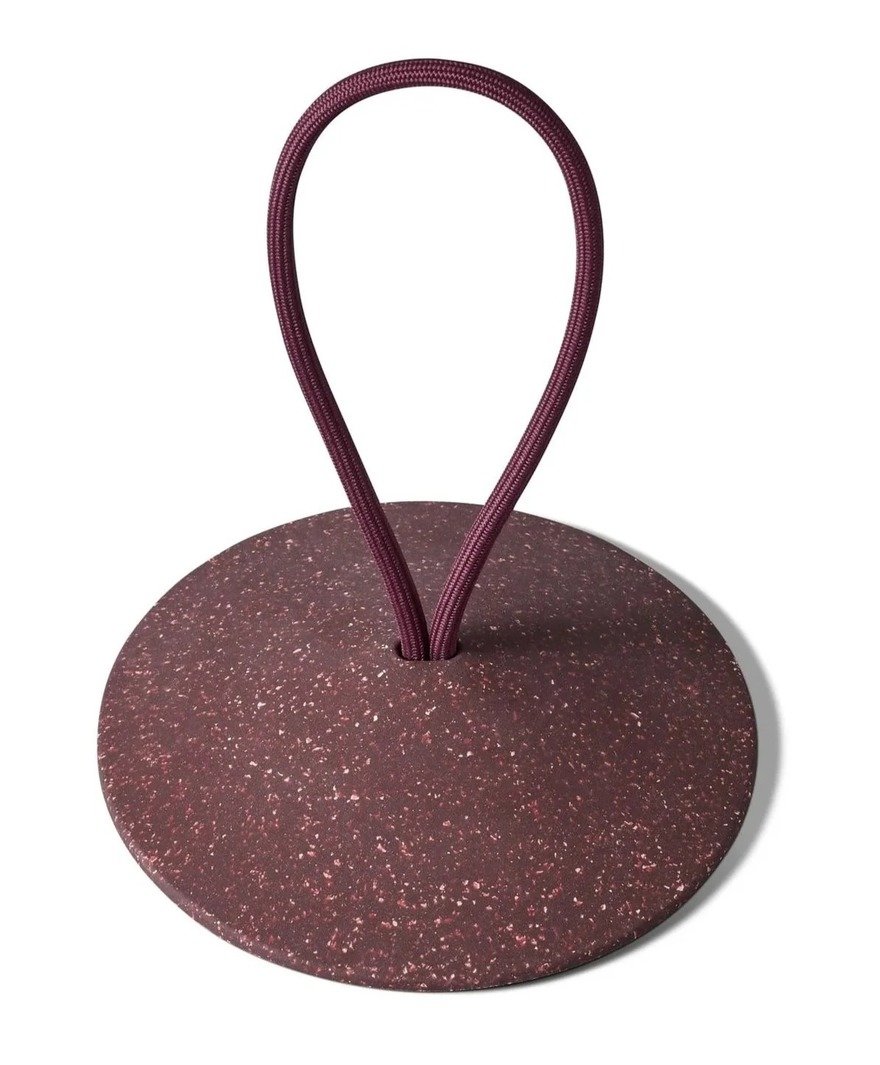
The design solution they arrived at is a striking synthesis of form and utility. "Stop" is not merely a wedge; it is a system. It features a tactile, durable body that is easier to engage with—eliminating the awkward bending or toe-fumbling associated with standard wedges—and includes a clever, integrated storage mechanism. The inclusion of a rope loop allows the item to be hung on a handle or hook when not in use, ensuring that the object is always exactly where the user needs it.
Manufactured in Portugal, the production process utilizes a specialized shoe-sole factory, allowing the designers to tap into existing industrial infrastructure to create a product that is as much about process as it is about output.
A Chronology of Innovation: From Concept to Production
The journey of "Stop" began with a fundamental question: Why has the doorstop remained unchanged for so long?
- The Research Phase: Studio Gorm initiated a study of the domestic landscape, identifying "friction points"—literally and figuratively—in how people interact with their living spaces. They noted that doorstops are frequently bought and discarded, contributing to a cycle of minor waste.
- Material Sourcing: The design team sought partners who shared their commitment to the circular economy. This led them to a Portuguese facility known for producing high-durability shoe soles. By repurposing industrial waste, they avoided the need for virgin material production.
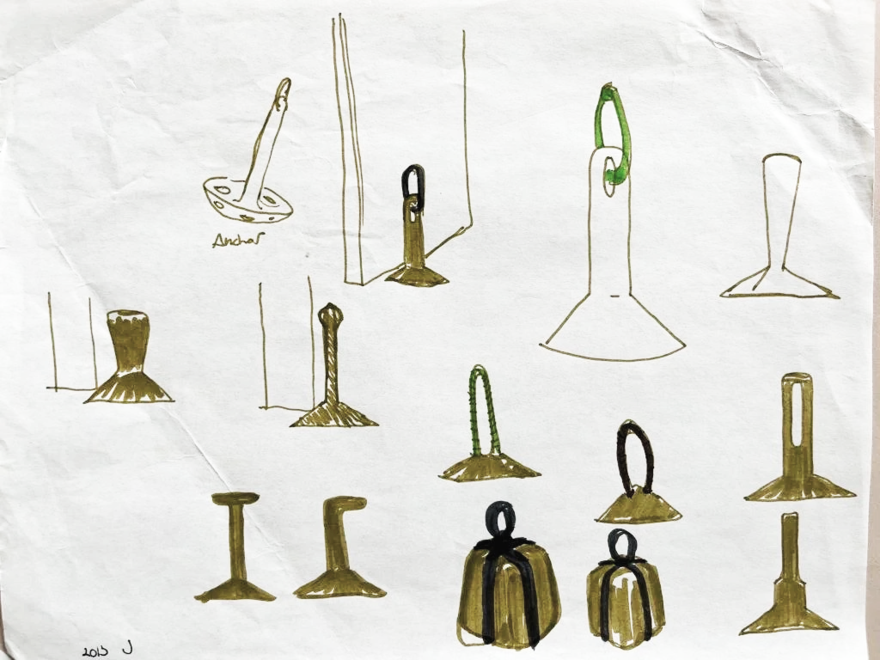
- Refining the Prototype: Iterations focused on the angle of the wedge and the density of the recycled material to ensure it could hold doors of varying weights without marring surfaces or slipping.
- Strategic Partnership: To bring the product to market, Studio Gorm partnered with the Finnish design house Pidat. This collaboration was essential for bridging the gap between a high-concept design study and a mass-producible, high-quality consumer product.
- Final Market Launch: With the branding and circular supply chain finalized, "Stop" entered production, signaling a shift in how we might expect everyday hardware to be manufactured in the coming decade.
Supporting Data: The Circular Economy in Practice
"Stop" is not just a triumph of aesthetics; it is a case study in circular design principles. In an era where sustainability is often relegated to a marketing buzzword, Studio Gorm has provided a tangible example of what a closed-loop system looks like for a small-scale product.
Material Composition
The body of the "Stop" is composed of recycled shoe sole grind. This material is RCS (Recycled Claim Standard) certified, ensuring that the "flakes" of rubber are truly post-industrial waste that has been diverted from landfills. This choice provides the necessary friction and weight required for a high-performance doorstop while giving a second life to discarded industrial matter.
Textile Integration
The integrated rope, a defining feature of the design, is crafted from 100% upcycled post-consumer waste plastic bottles. This material is GRS (Global Recycled Standard) certified, reinforcing the product’s environmental credentials.
Zero-Waste Packaging
Perhaps the most radical aspect of the product’s lifecycle is its packaging. Studio Gorm and Pidat have eliminated the use of traditional cardboard or plastic clamshells. Instead, all necessary product information is printed directly onto a reusable cotton pouch. This eliminates a secondary layer of waste that is almost always destined for the trash the moment a consumer unboxes their purchase.
Official Responses and Design Philosophy
In their documentation of the project, the Arndts emphasize that their work is intended to be a critique of the "throwaway" culture that defines modern home goods. "Design for a circular economy," they write, is the guiding principle of the endeavor.
The duo has been vocal about the importance of "easy assembly and disassembly." By ensuring that the parts of the doorstop—the rubber body and the polyester rope—can be separated, they have designed the object for the end of its life. Even years from now, when the product finally wears out, it can be broken down and returned to the recycling stream, rather than becoming permanent waste.
Pidat, the Finnish manufacturer, has echoed this sentiment, noting that their collaboration with Studio Gorm is part of a broader shift in Nordic design toward products that are "quietly intelligent." They argue that a product should not have to scream for attention; its value should be revealed through its performance over time.
Implications: The Future of Everyday UX
The "Stop" doorstop serves as a poignant reminder that there is no such thing as a "solved" problem in industrial design. Every object we touch—from the light switch to the kitchen utensil—carries with it the potential for improvement, both in terms of user experience and environmental footprint.
1. Elevating the Mundane
The primary implication of this project is a challenge to the industry: stop neglecting the "boring" objects. When designers apply the same level of care to a doorstop that they do to a high-end chair or a piece of consumer electronics, the quality of our daily existence improves. We stop struggling with objects that don’t work, and we start interacting with tools that feel considered and intentional.
2. The Standardization of Circularity
Studio Gorm’s reliance on RCS and GRS certifications is a blueprint for the future. As consumers become more eco-conscious, they are increasingly demanding transparency in the supply chain. By utilizing certified recycled materials, designers can build trust and differentiate their products in a crowded marketplace.
3. The End of Packaging Waste
The decision to print information on a reusable cotton pouch is a bold step that mainstream manufacturers should emulate. Packaging is often the largest single source of waste for small household items. If a doorstop can be sold without a landfill-bound box, then larger, more complex items should also be held to this standard.
4. Designing for Longevity
Finally, the "Stop" project highlights the move toward emotional durability. By creating an object that is aesthetically pleasing and functional, the designers increase the likelihood that the owner will keep the object for years rather than replacing it at the first sign of wear. When we choose objects that we enjoy looking at and using, we are less likely to participate in the cycle of rapid consumerism.
Conclusion
Studio Gorm’s "Stop" is more than a wedge. It is a quiet revolution in the world of home accessories. By addressing the UX failures of the past and adopting the rigorous material standards of the future, John and Wonhee Arndt have elevated a relic of the past into a beacon for modern design.
As we look toward a future where our consumption habits must become more sustainable, the "Stop" serves as a vital reminder: good design is not about reinvention for the sake of novelty; it is about looking at the things we take for granted and asking how they might be made better, kinder, and more lasting. In the case of the humble doorstop, that answer is clear. It is not just about keeping the door open; it is about keeping the door to innovation wide open as well.
About the Author