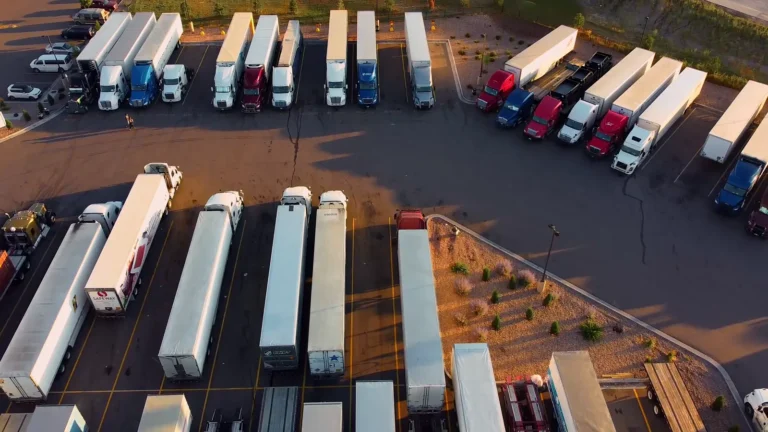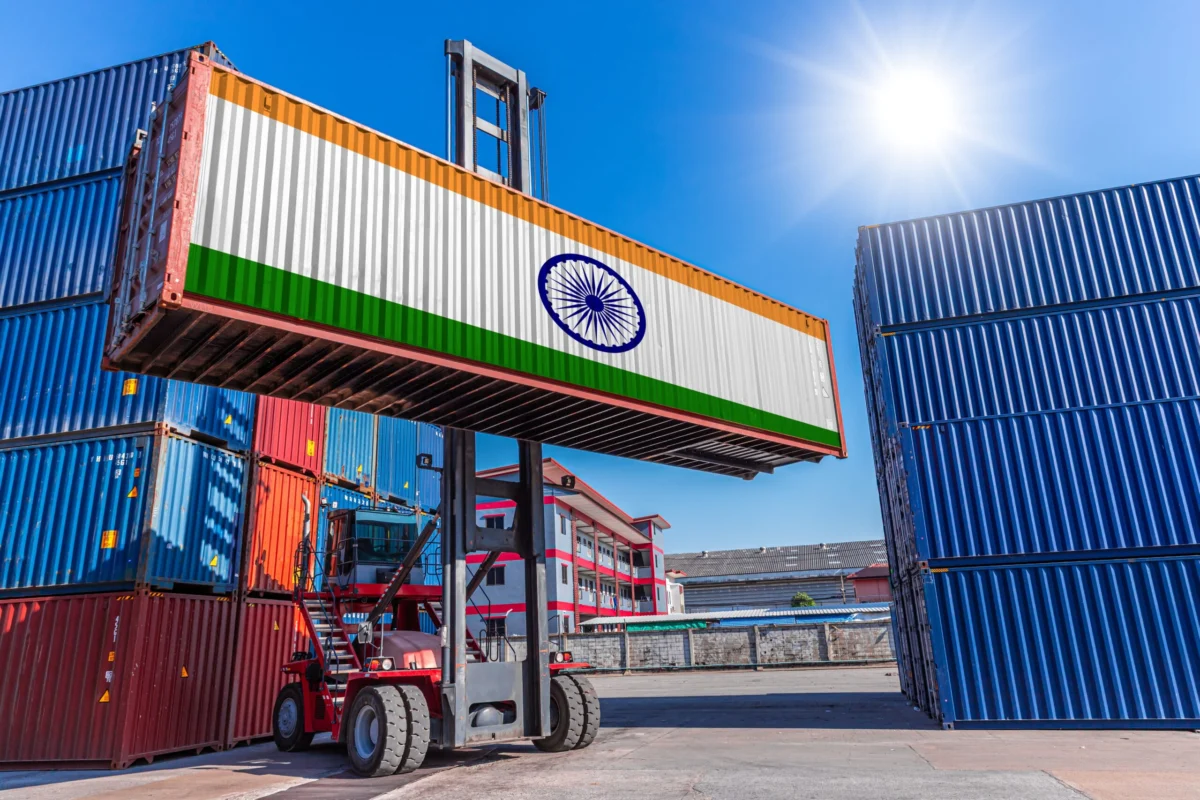
For decades, the narrative of India’s economic ascent has been dominated by the language of heavy engineering: the expansion of deep-sea ports, the laying of high-speed freight corridors, and the construction of vast industrial clusters. While these physical assets remain the bedrock of global competitiveness, a quiet but profound transformation is unfolding beneath the surface. The next phase of India’s trade evolution is being written not just in concrete and steel, but in code, data, and the ingenuity of a new, digitally fluent generation.
As India positions itself as a global manufacturing hub, the efficiency of its trade ecosystem—once hampered by fragmented documentation and opaque supply chains—is being overhauled. By integrating sophisticated digital public infrastructure with a burgeoning workforce of tech-savvy professionals, India is moving toward a future where logistics is transparent, responsive, and, crucially, inclusive for small and medium-sized enterprises (MSMEs).
Main Facts: The Convergence of Infrastructure and Innovation
The core premise of India’s modern trade strategy is that physical connectivity is useless without digital interoperability. In the traditional logistics model, a single shipment could involve a dozen disparate entities—manufacturers, freight forwarders, port authorities, and customs officials—each operating in information silos. This disconnect inevitably leads to repetitive paperwork, cargo bottlenecks, and a lack of real-time visibility.
To combat this, the Indian government has pivoted toward a "digital-first" logistics policy. Initiatives such as the PM Gati Shakti master plan have become the cornerstone of this shift, consolidating infrastructure data from multiple ministries onto a single, GIS-based platform. This allows for multimodal planning, ensuring that road, rail, and port developments are synchronized rather than isolated.
The digital architecture supporting this consists of several key platforms:
- Unified Logistics Interface Platform (ULIP): A game-changing ecosystem that enables secure, seamless data exchange between government agencies and private stakeholders.
- Logistics Data Bank (LDB): A sophisticated tracking mechanism providing end-to-end container visibility, allowing exporters and importers to monitor their cargo across various transport modalities.
- Track Your Transport (TYT): A mobile-first interface that democratizes logistics data, putting control directly into the hands of transporters and small business owners.
Chronology: From Silos to Systems
The evolution of India’s logistics landscape can be mapped through its recent policy milestones:
- 2016: The birth of the Logistics Data Bank (LDB) by NICDC Logistics Data Services Ltd, marking the first major attempt to bring end-to-end container visibility to India’s ports.
- 2021: Launch of the PM Gati Shakti National Master Plan, aiming to break departmental silos and create a unified framework for infrastructure project planning.
- 2022: The official rollout of the National Logistics Policy (NLP), which explicitly highlighted the need for digitization, standardization, and the upskilling of the logistics workforce.
- 2023-Present: The integration of ULIP into the mainstream, moving beyond pilot testing to become the standard interface for logistics data exchange, attracting a wave of private-sector startups building niche applications on top of the government’s digital rails.
Supporting Data: The Impact of Visibility
The economic case for this transition is grounded in quantifiable improvements in operational efficiency. According to recent trade assessments, the implementation of shared digital infrastructure has significantly reduced "dwell time"—the amount of time cargo spends idling at ports or depots.
Before the implementation of the LDB, visibility was often limited to a single leg of a journey. Today, shippers can access comparative performance indicators, allowing them to make data-driven decisions on route selection. Furthermore, the digitalization of logistics is estimated to have:
- Reduced Transaction Costs: By eliminating redundant manual documentation, businesses are seeing a decrease in administrative overheads.
- Improved Predictability: With real-time alerts and congestion analysis, companies can now optimize inventory planning, reducing the need for costly "safety stocks."
- Enhanced Compliance: Digital trails create a transparent audit log, making customs clearance faster and less prone to human error or bureaucratic delays.
Official Responses: A Strategic Vision
Government officials have consistently emphasized that the "hardware" of ports and highways is merely the stage, not the play itself. A senior official from the Ministry of Commerce and Industry noted during a recent trade summit that, "India’s competitive advantage will no longer come from cheap labor alone, but from our ability to provide a frictionless trade environment through digital public goods."
The government’s role, according to the National Logistics Policy, is to act as an "enabler" rather than a "provider." By building the underlying "pipes" of the digital ecosystem—such as ULIP—the state provides a foundation that private entrepreneurs can build upon. This "public-private synergy" is designed to spur a wave of innovation, where startups develop user-friendly interfaces that solve specific pain points for exporters who previously struggled to navigate the complexity of international trade.
The Human Element: A New Generation of Logistics Professionals
Perhaps the most significant shift is the change in the workforce. Previous generations viewed logistics as a back-end, low-tech function—a world of warehouses and paper ledgers. Today, a digital-native workforce is entering the sector with an entirely different perspective.
These young professionals, accustomed to the immediate feedback loops of apps and the power of predictive analytics, are bringing a culture of "continuous improvement" to the industry. They are not merely operating transport systems; they are designing software, managing digital-product lifecycles, and analyzing freight emissions to meet sustainability targets.
The Broadening of Logistics Careers
The modern logistics career path now encompasses a diverse set of disciplines:
- Data Science: Predicting dwell times and optimizing routes using AI.
- UX/UI Design: Building intuitive interfaces that translate complex customs codes into simple, actionable prompts for MSMEs.
- Sustainability Analytics: Measuring and mitigating the carbon footprint of multimodal freight.
- Software Engineering: Building the APIs that allow private apps to "talk" to government databases like ULIP.
This shift is essential for the industry’s professionalization. When young talent questions why a process remains manual or why data is not shared between systems, they drive the organizational change necessary for India to compete on a global stage.
Implications: Building an Inclusive Trade Ecosystem
The ultimate goal of this digital transformation is inclusion. Historically, large corporations have possessed the resources to hire consultants and navigate the complexities of global supply chains. Small and medium enterprises (MSMEs), however, have often been excluded due to the high barrier to entry.
Digital infrastructure is changing this dynamic. By creating standardized, mobile-first, and potentially regional-language-enabled tools, the government and private innovators are lowering the "cost of entry" into trade. An MSME in a Tier-2 city can now, in theory, track their shipment with the same clarity as a multinational conglomerate.
However, technology is not a panacea. The article underscores a vital reality: Algorithms cannot replace human judgement. While AI can predict a traffic jam or forecast a delay, it cannot navigate the nuanced commercial relationships, regulatory complexities, and real-world negotiations that define the logistics business. The future of Indian trade belongs to the "hybrid professional"—someone who combines technical fluency with deep sector knowledge and the ability to make strategic decisions when the data falls short.
Conclusion
India stands at a unique crossroads. It is investing heavily in the physical infrastructure required for a global superpower, but it is simultaneously building the digital "nervous system" that will make that infrastructure intelligent.
The success of this endeavor will be measured by the creative use of these foundations at scale. By empowering a new generation of professionals to leverage public platforms for private innovation, India is not just upgrading its logistics—it is rewriting the rules of global trade competitiveness. The future of Indian trade will be characterized by a seamless interaction between connected systems and the ambitious people who operate them, ensuring that the country’s economic growth is not just faster, but more predictable, transparent, and inclusive than ever before.
About the Author