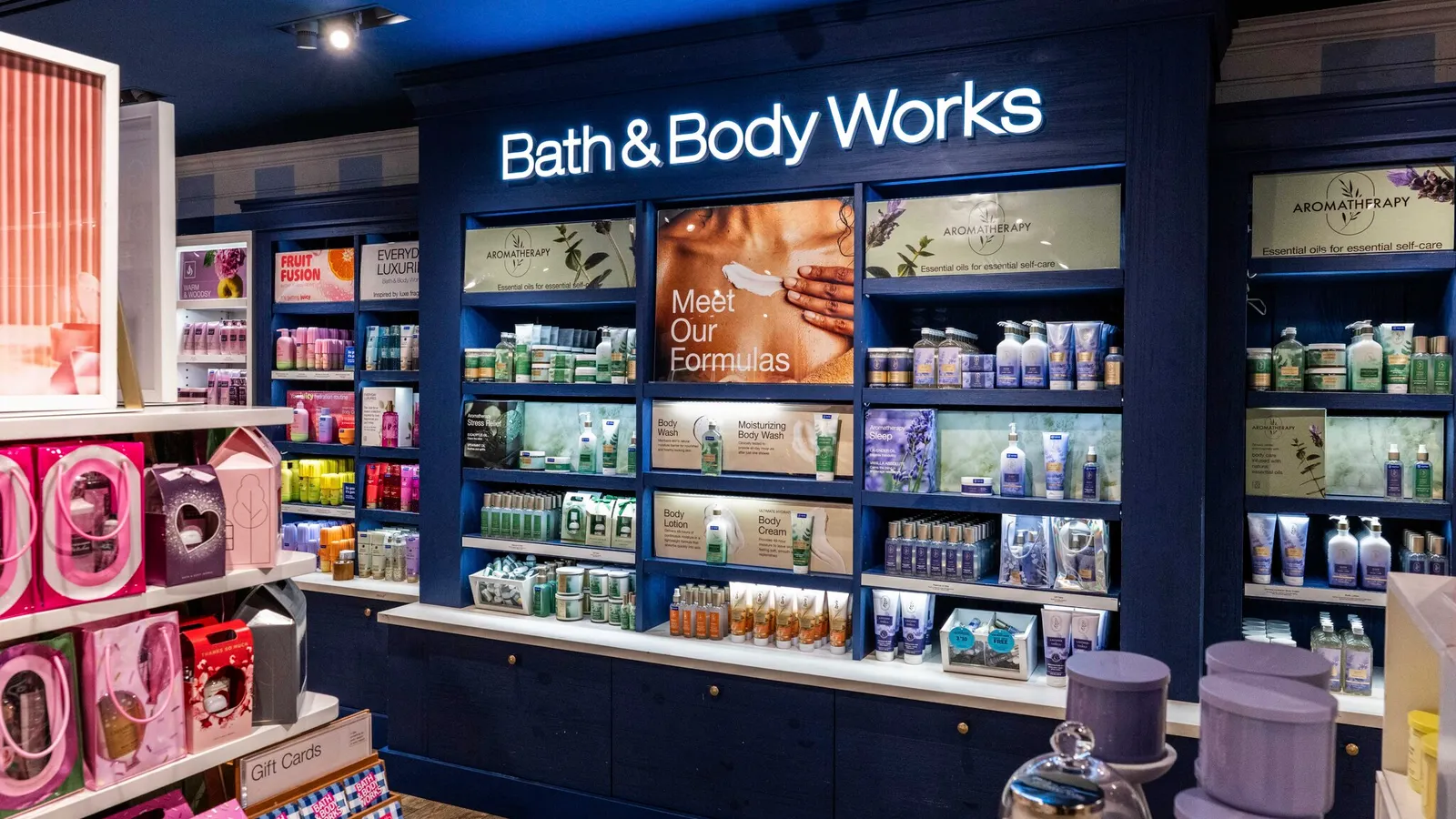
Columbus, OH – [Current Date] – In a significant strategic pivot designed to foster long-term growth and brand vitality, Bath & Body Works is fundamentally re-evaluating its approach to promotional selling events, shifting its focus from a reliance on discounts to a renewed emphasis on brand marketing and product innovation. The company, a beloved fixture in the personal care and home fragrance market, is undergoing a comprehensive transformation of its supply chain planning and purchasing decisions to align with this new, less promotion-driven future.
The move comes as retailers across various sectors grapple with the pervasive challenge of promotional fatigue and its potential to erode brand equity and profit margins. For Bath & Body Works, this evolution is not merely a tactical adjustment but a core tenet of its broader "Consumer First Formula" growth strategy, initiated in the wake of what the company described as "sluggish sales in 2025."
A key tenet of this revised strategy, articulated by a company executive identified as Heaf, is the belief that "you can’t promote a business back to health." This philosophy underscores a commitment to leveraging promotions primarily in the first half of the fiscal year, reserving the latter half for growth driven by compelling brand narratives and distinctive product offerings. The objective is to cultivate a more robust, sustainable business model that resonates deeply with consumers beyond the allure of a temporary markdown.
Despite overall inventory levels showing an increase at the end of June, Heaf reassured stakeholders that "forward inventory was clean," positioning the company favorably to execute its revised strategy in the crucial back half of the year. This includes aggressive replenishment efforts for popular new launches, such as the widely anticipated Fruit Fusion line, which has garnered significant attention through its partnership with pop star and actress Hilary Duff as brand ambassador and creative partner.
This strategic reorientation is intertwined with ongoing efforts to rightsize Bath & Body Works’ product mix, a critical component of its turnaround initiatives. Following customer feedback citing stores as "too overwhelming and confusing," the company embarked on a SKU simplification program, beginning with exits from select product categories in the first quarter of this year. By the end of the second quarter, Heaf confirmed that the company was broadly on track with its SKU rationalization goals, a testament to its commitment to streamlining the customer experience and optimizing operational efficiency.
The Strategic Overhaul: A Chronology of Change
Bath & Body Works’ current strategic redirection is the culmination of a multi-faceted initiative, meticulously planned and progressively rolled out, aimed at revitalizing its market position and ensuring sustainable profitability. Understanding the timeline of these changes provides crucial context for the company’s current trajectory.
The Genesis of the "Consumer First Formula"
The roots of this transformative strategy can be traced back to the acknowledgment of "sluggish sales in 2025." This period served as a critical inflection point, prompting an introspective analysis of the brand’s performance, market perception, and operational efficacy. It became clear that a reactive, promotion-heavy approach was not yielding the desired long-term results and potentially diluted the brand’s premium perception.
In response, Bath & Body Works publicly unveiled its "Consumer First Formula" growth strategy. This ambitious blueprint was designed to put the customer at the absolute center of every decision, from product development and merchandising to marketing and store experience. The underlying premise was that by truly understanding and catering to consumer desires, the brand could foster deeper loyalty and drive organic growth, rather than relying on price-based incentives. This formula signaled a departure from past practices and a commitment to a more holistic, brand-centric approach.
Initial Steps: SKU Simplification and Category Exits
A cornerstone of the "Consumer First Formula" was the radical concept of SKU simplification. For years, Bath & Body Works had expanded its product assortment, offering a vast array of fragrances, formats, and seasonal collections. While this breadth initially appealed to a wide demographic, it eventually led to customer feedback indicating that stores had become "too overwhelming and confusing." This "paradox of choice" not only created a less enjoyable shopping experience but also presented significant challenges for inventory management, supply chain logistics, and visual merchandising.
To address this, the company announced plans to begin exiting select product categories in the first quarter of the current year. This wasn’t merely about reducing the number of items; it was a strategic decision to prune underperforming lines, eliminate redundancies, and focus resources on core categories and high-potential innovations. The goal was to create a more curated, intuitive, and enjoyable shopping journey for customers, allowing them to more easily discover and appreciate the brand’s signature offerings. This initial phase was crucial for laying the groundwork for a more streamlined and efficient operation.
The Current Juncture: Rebalancing Promotions and Brand Building
As the company moved into the second quarter, significant progress was reported on the SKU simplification program, with the company broadly meeting its internal targets. This operational streamlining has paved the way for the latest, and perhaps most impactful, aspect of the strategy: the rebalancing of promotional activities.
The current announcement emphasizes a deliberate shift in promotional timing and intensity. Promotions and markdowns, while acknowledged as important tools, will now be predominantly deployed in the first six months of the year. This allows the company to clear seasonal inventory, attract price-sensitive shoppers early in the year, and maintain a certain level of market competitiveness. However, the crucial change lies in the strategy for the back half of the year. During this period, particularly vital for holiday sales, Bath & Body Works intends to "use that lever less" and instead lean heavily on "brand marketing and product as the things that we are leaning on to drive growth." This signifies a powerful commitment to showcasing the intrinsic value of its products and the strength of its brand identity, rather than relying on perpetual discounting. It’s a calculated risk, betting on brand loyalty and product appeal to sustain sales during peak periods.
Deeper Dive: Supporting Data and Industry Context
The strategic shift at Bath & Body Works is not an isolated event but reflects broader trends and challenges within the retail industry. Several factors underscore the rationale behind the company’s decisions, providing a richer understanding of its potential impact.
Beyond Discounts: The Perils of Promotional Fatigue
For decades, promotional selling has been a cornerstone of retail strategy, driving traffic and boosting short-term sales. However, an over-reliance on discounts can lead to "promotional fatigue," a phenomenon where consumers become accustomed to perpetual sales, devaluing products at full price and conditioning purchasing behavior to wait for markdowns. This not only erodes profit margins but also diminishes brand perception, making it difficult for brands to communicate their inherent value.
Research consistently shows that while promotions can provide immediate sales spikes, they often fail to build long-term customer loyalty. Instead, customers become loyal to the discount itself, rather than the brand. Bath & Body Works’ recognition that "you can’t promote a business back to health" is a direct acknowledgment of this industry-wide challenge, signaling a desire to break this cycle and build a more resilient customer base.
The Power of Brand and Product Innovation
In an increasingly crowded market, strong brand identity and continuous product innovation are paramount for sustained success. A robust brand narrative differentiates a company from its competitors, fostering emotional connections with consumers. When a brand stands for quality, aspiration, or a particular lifestyle, customers are willing to pay a premium.
Bath & Body Works’ intention to lean on "brand marketing and product" in the back half of the year highlights this understanding. Initiatives like the Fruit Fusion line, bolstered by a celebrity partnership with Hilary Duff, exemplify a focus on creating excitement through new, compelling offerings and communicating their unique value proposition. This strategy aims to create desirability and perceived value, making discounts less necessary as the primary sales driver. The replenishment of popular product launches suggests a demand-driven approach, where product appeal, not just price, dictates purchasing decisions.
Supply Chain Reimagined: Precision Planning and Purchasing
The decision to rethink supply planning and purchasing decisions is a direct and critical consequence of the new promotional strategy. A traditional, promotion-heavy model often necessitates large inventory buffers to support anticipated sales spikes, which can lead to overstocking and costly liquidation if promotions underperform.
By shifting away from perpetual promotions, Bath & Body Works can adopt a more agile and demand-driven supply chain. This involves:
- Enhanced Forecasting: More accurate prediction of demand based on brand strength and product appeal rather than discount-induced surges.
- Optimized Inventory Levels: Reducing excess inventory, thereby lowering carrying costs, storage expenses, and the risk of obsolescence.
- Strategic Sourcing: Focusing purchasing on high-performing SKUs and innovative new products, ensuring better allocation of resources.
- Improved Vendor Relationships: Collaborating more closely with suppliers to ensure timely delivery of popular items and efficient production of new lines.
This transition requires significant investment in data analytics, supply chain technology, and cross-functional collaboration, but the potential rewards in terms of efficiency, reduced waste, and improved profitability are substantial.
SKU Rationalization: A Clearer Path to Profitability
The SKU simplification program is a powerful lever for operational improvement. A bloated product assortment, while seemingly offering choice, often leads to:
- Increased Complexity: More SKUs mean more items to manage, track, and store across the supply chain.
- Higher Costs: Each SKU incurs costs related to design, production, inventory holding, and marketing. Low-performing SKUs can become financial drains.
- Confused Customers: As highlighted by Bath & Body Works’ customer feedback, too much choice can overwhelm shoppers, leading to decision paralysis or frustration.
By trimming SKU counts, Bath & Body Works can:
- Focus Resources: Direct investment and marketing efforts toward best-selling and most profitable products.
- Improve In-Store Experience: Create a cleaner, more intuitive, and less cluttered shopping environment, making product discovery easier and more enjoyable.
- Enhance Supply Chain Efficiency: Streamline warehousing, distribution, and replenishment processes, reducing errors and improving speed to market for key items.
- Boost Profitability: Concentrating on higher-margin, faster-moving products can significantly improve overall financial performance.
The rationale mirrors that of other retailers like BJ’s Wholesale Club, which plans to cut its product count by 20% after recognizing it was "over SKUed." This indicates a growing industry consensus that less can indeed be more when it comes to product assortment.
The Customer Experience Imperative
At its core, the "Consumer First Formula" is about enhancing the customer experience. A less cluttered store, a clearer product offering, and a focus on intrinsic brand value contribute to a more positive and memorable interaction. When customers feel valued and understood, rather than merely targeted by discounts, it fosters genuine loyalty. The replenishment of popular items like the Fruit Fusion line also speaks to a commitment to ensuring customer favorites are readily available, further enhancing satisfaction.
A Broader Retail Trend
Bath & Body Works’ strategy is indicative of a broader industry shift. Many retailers are moving away from a race to the bottom on pricing and towards creating distinctive brand experiences, investing in digital transformation, and optimizing their supply chains for agility and efficiency. The pandemic accelerated many of these trends, forcing companies to reconsider traditional retail models and prioritize resilience and customer-centricity. This strategic pivot positions Bath & Body Works as a proactive player in this evolving retail landscape.
Official Responses and Leadership Vision
The articulation of this new strategy by company leadership provides critical insight into the vision guiding Bath & Body Works through this transformative period. The executive’s statements are not merely operational directives but philosophical declarations on the future direction of the brand.
Heaf’s Mandate: "You Can’t Promote a Business Back to Health"
The most striking and often-quoted statement from the company executive, Heaf, is: "My macro is you can’t promote a business back to health." This powerful assertion serves as the central tenet of the company’s new strategy, directly challenging the conventional wisdom that discounts are the primary solution for flagging sales. It reflects a deeper understanding of brand economics and consumer psychology, acknowledging that while promotions can offer short-term boosts, they often mask underlying issues and can inflict long-term damage on brand equity and profitability.
Heaf’s statement signals a fundamental shift in mindset within Bath & Body Works. It suggests a leadership team committed to addressing systemic challenges through strategic repositioning rather than relying on quick fixes. By emphasizing that promotions will be used "less" in the back half of the year, and that "brand marketing and product as the things that we are leaning on to drive growth," the company is clearly articulating its belief in the enduring power of brand value, innovation, and an exceptional product offering to foster sustainable success. This is a commitment to building a healthier, more resilient business from the ground up.
Confidence in Forward Inventory and Back-Half Strategy
Despite an overall increase in inventory levels at the end of June, Heaf expressed confidence in the company’s position, stating that "forward inventory was clean" and that Bath & Body Works was "well positioned to deliver in the back half." This nuanced distinction is crucial. It suggests that while historical or less strategic inventory might be higher, the inventory designated for upcoming seasons and popular product launches is optimized and ready for deployment. This implies effective inventory management practices that differentiate between aging stock and fresh, high-demand merchandise.
The executive’s remarks also highlighted ongoing efforts to replenish inventory for popular product launches, specifically citing the success of the Fruit Fusion line and its partnership with Hilary Duff. This proactive approach to ensuring the availability of in-demand items underscores the company’s commitment to customer satisfaction and its ability to capitalize on successful product innovations. It also demonstrates an agile supply chain capable of responding quickly to market reception, even amidst a broader strategic overhaul. This confidence in inventory management and replenishment is vital for executing a back-half strategy that relies heavily on product appeal and brand momentum rather than price-driven incentives.
Broader Implications and Future Outlook
The strategic decisions undertaken by Bath & Body Works carry significant implications, not only for the company itself but also for the broader retail landscape, consumers, and investors alike.
For Bath & Body Works: Navigating the Transition
For Bath & Body Works, this strategic pivot presents both considerable opportunities and potential challenges.
- Opportunities: A successful execution could lead to stronger brand loyalty, improved profit margins due to reduced discounting, a more efficient and responsive supply chain, and a clearer, more engaging customer experience. By focusing on quality and innovation, the brand can elevate its perception and attract a customer base willing to pay full price for perceived value.
- Challenges: The transition period may see some initial resistance from price-sensitive customers accustomed to frequent sales. The company must effectively communicate the value proposition of its products and the enhanced shopping experience to retain and grow its customer base. Executing a major supply chain overhaul and SKU rationalization without disrupting operations requires meticulous planning and flawless execution. There’s also the risk that new product launches, while well-intentioned, may not always resonate as strongly as anticipated.
Ultimately, the success of this strategy hinges on Bath & Body Works’ ability to consistently deliver innovative, high-quality products supported by compelling brand marketing, thereby proving that intrinsic value can indeed drive sustainable growth beyond the allure of a discount.
For the Retail Landscape: A Blueprint for Sustainable Growth
Bath & Body Works’ bold move could serve as a blueprint for other retailers grappling with similar issues of promotional fatigue and brand erosion. As consumer expectations evolve and the competitive landscape intensifies, a shift towards brand building, product innovation, and customer-centricity is becoming increasingly vital. The strategy highlights:
- The Importance of Brand Equity: Reinforcing that brand strength is a long-term asset that must be protected and nurtured.
- Supply Chain Agility: Demonstrating the necessity of a flexible and intelligent supply chain that can adapt to changing market demands and strategic shifts.
- Customer Feedback Integration: Emphasizing the power of listening to customers and using their insights to drive strategic decisions, such as SKU simplification.
This approach suggests a future where retailers prioritize sustainable, profitable growth over short-term sales spikes, fostering a healthier, more innovative industry overall.
For Consumers and Investors
- For Consumers: The immediate implication for consumers will likely be a more curated and less overwhelming shopping experience, both online and in-store. While aggressive sales might be less frequent in the latter half of the year, consumers can expect a greater focus on exciting new product launches and a clearer articulation of brand value. The expectation is that the products will speak for themselves, justifying their price points through quality, innovation, and brand appeal.
- For Investors: Investors will be closely watching the financial outcomes of this strategy. While the short-term might see some volatility as the company recalibrates, the long-term potential for improved profit margins, reduced operational costs, and enhanced brand equity could be highly attractive. The move signals a management team confident in its brand’s inherent strength and committed to building a more financially robust and resilient business. Successful execution could lead to increased shareholder value, positioning Bath & Body Works as a leader in strategic retail transformation.
In conclusion, Bath & Body Works is embarking on a pivotal journey, shedding the vestiges of a promotion-heavy past to embrace a future built on brand strength, product excellence, and a deep understanding of its consumers. This strategic reorientation is a testament to the evolving dynamics of modern retail and a bold declaration of intent to secure long-term prosperity in a highly competitive market.
About the Author