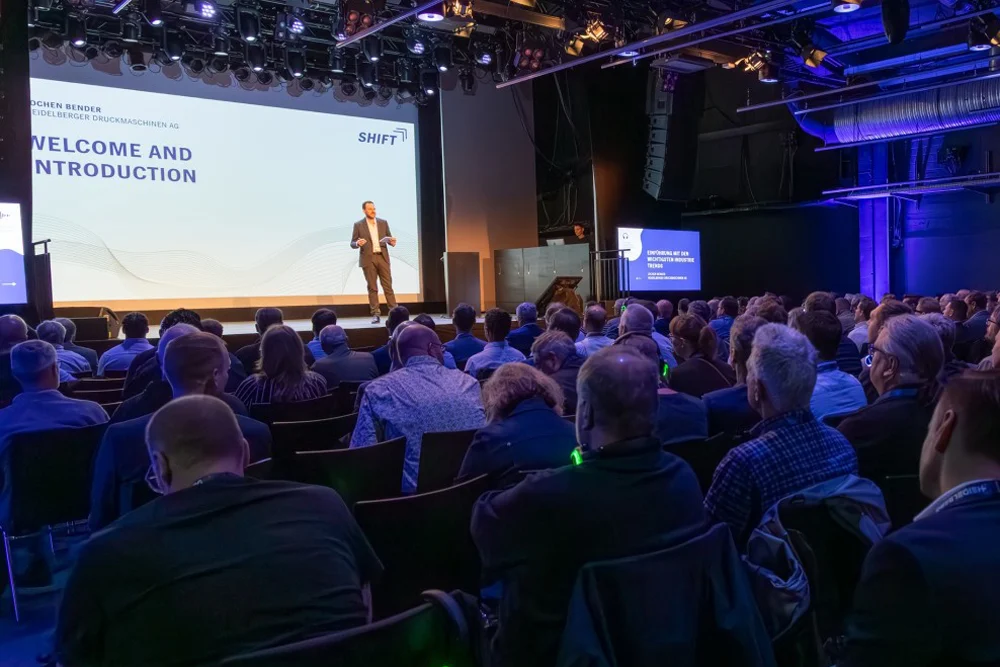
Wiesloch-Walldorf, Germany – The global printing industry stands at the precipice of a profound transformation, driven by an accelerating confluence of digital innovation, artificial intelligence, and advanced automation. At the forefront of this evolution, Heidelberg, a world leader in print solutions, is once again poised to convene the industry’s brightest minds and most influential decision-makers at SHIFT 2026. Following its highly successful inaugural event, SHIFT has rapidly established itself as the premier international forum dedicated to AI-driven hybrid print production, and the upcoming edition promises to deepen this critical dialogue.
Scheduled for October 6th and 7th, 2026, SHIFT 2026 will unfold across two key locations: the strategic hub of Heidelberg and the company’s renowned "Home of Print" in Wiesloch-Walldorf. This two-day immersive experience is meticulously crafted to address the most pressing challenges and opportunities facing the print sector, focusing squarely on the digital transformation of printing businesses, the widespread adoption of automated production processes, the integration of robotics, groundbreaking end-to-end digital print innovations like the Jetfire 50 and Jetfire 75, and the relentless march of artificial intelligence into every facet of modern print operations.
The event’s unique concept, which seamlessly blends inspiring presentations, compelling real-world case studies, and unparalleled networking opportunities, is specifically tailored for CEOs, senior executives, and key decision-makers within print companies, alongside digitalization experts from across the globe. SHIFT 2026 is not merely a conference; it is a strategic imperative for any enterprise aiming to navigate the complexities of the future print landscape and secure a decisive competitive advantage.
A Deep Dive into the SHIFT 2026 Agenda: Chronology of Innovation
The SHIFT 2026 program is structured to provide both high-level strategic insights and practical, actionable demonstrations, ensuring that attendees gain a comprehensive understanding of the path forward.
Day 1: Strategic Insights and Industry Trends
The first day of SHIFT 2026 will be held in Heidelberg, serving as a pivotal platform for in-depth discussions on the central industry trends and the formidable challenges confronting the print sector. An impressive roster of international speakers, drawn from leading printing and technology companies, as well as renowned consulting firms, will share invaluable practical insights derived from successful process digitalization projects.
Planned presentations are set to cover a broad spectrum of critical topics, including:
- Data-Driven Production: Exploring how leveraging data analytics can optimize every stage of the print workflow, from order intake to dispatch, enabling predictive maintenance, dynamic scheduling, and waste reduction.
- Workflow Automation: Delving into the latest advancements in automating routine tasks, integrating different systems, and creating seamless, touchless production environments that boost efficiency and reduce human error.
- Hybrid Print Environments: Examining the strategic imperative of combining the strengths of digital and offset printing to achieve optimal flexibility, cost-effectiveness, and quality across diverse print jobs. This session will highlight how to intelligently route jobs to the most suitable technology based on run length, personalization requirements, and substrate.
- Robotics in Print: Showcasing the transformative potential of robotics in handling, sorting, finishing, and packaging, demonstrating how these advanced systems can improve consistency, speed, and safety in the print shop.
- The Application of Artificial Intelligence: Unpacking the myriad ways AI is revolutionizing both business and production processes, from intelligent estimating and personalized marketing to advanced quality control and predictive analytics for machinery maintenance.
Crucially, the first day will also feature several Heidelberg customers presenting their first-hand experiences with implementing digital transformation projects. Among these will be Meinders & Elstermann, a prominent company that stands as one of the pilot users of Prinect Touch Free in conjunction with the industrial digital printing system, Jetfire 50. Their presentation will offer a unique opportunity for attendees to learn directly about the challenges and triumphs of integrating a new, highly automated workflow and the tangible efficiency gains already realized through its deployment. This real-world case study will provide invaluable lessons for other print businesses contemplating similar transformations.
Day 2: Live Demonstrations at the "Home of Print"
The second day of SHIFT 2026 promises a dynamic and experiential journey as participants transition to Heidelberg’s impressive "Home of Print" at the Heidelberg Print Media Center in Wiesloch-Walldorf. Here, the theoretical discussions of Day 1 will come to life, allowing attendees to witness the digitalization of print production in a live, operational environment.
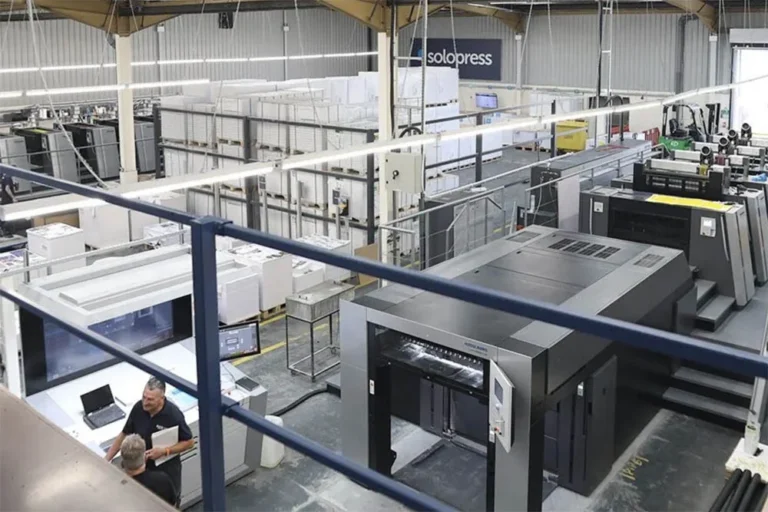
The focal point of Day 2 will be the demonstration of industrial digital print applications, specifically highlighting the formidable capabilities of the Jetfire 50 with inline finishing and the Jetfire 75. Both systems will be showcased operating under the sophisticated control of Prinect Touch Free, underscoring the power of AI-driven, highly automated workflows. Visitors will observe how these state-of-the-art machines integrate seamlessly into a holistic production chain, delivering unparalleled speed, quality, and flexibility for a wide range of applications, from personalized direct mail to high-volume commercial print.
Beyond the digital presses, the day will feature compelling demonstrations of:
- Intelligent Postpress Processing: Showcasing how automation extends beyond printing, with smart finishing solutions that minimize manual intervention and optimize throughput.
- Advanced Data Analysis: Illustrating how real-time data from production can be captured, analyzed, and leveraged to make informed decisions, identify bottlenecks, and continuously improve operational efficiency.
- Automation Concepts for Fully Integrated Hybrid Production: Providing a holistic view of how digital and offset printing can be combined within a single, intelligently managed workflow, ensuring optimal utilization of resources and maximizing profitability. This includes automated job routing, load balancing, and seamless data exchange between different production technologies.
The program will be further enriched by a series of interactive live demonstrations, breakout sessions offering deeper dives into specific technologies, and presentations from Heidelberg’s strategic partner companies, providing a comprehensive overview of the ecosystem supporting the future of print.
Supporting Data and Technological Underpinnings
The themes of SHIFT 2026 are not merely aspirational; they represent tangible shifts in technological capability and market demand. Understanding the underlying technologies is key to appreciating the event’s significance.
The Ascendancy of AI in Print Production
Artificial intelligence is no longer a futuristic concept but a practical tool reshaping the print industry. At SHIFT 2026, attendees will learn how AI is deployed to:
- Optimize Workflows: AI algorithms can analyze historical data to predict optimal job scheduling, automatically adjust machine settings for different substrates, and streamline pre-press tasks, reducing setup times and waste.
- Enhance Quality Control: AI-powered vision systems can detect print defects with greater accuracy and speed than human operators, ensuring consistent quality across long runs and minimizing reprints.
- Enable Predictive Maintenance: By monitoring machine performance in real-time, AI can anticipate potential equipment failures before they occur, allowing for proactive maintenance and significantly reducing downtime.
- Personalize Print: AI facilitates highly personalized print campaigns by analyzing customer data and automatically generating unique content, leading to higher engagement and ROI.
- Smart Factories: The integration of AI contributes to the vision of a "smart factory" where machines communicate, processes are self-optimizing, and production is highly agile and responsive to demand.
Automation and Robotics: Redefining Efficiency
The push towards greater automation and the integration of robotics addresses critical industry challenges such as labor shortages, rising operational costs, and the demand for faster turnaround times. SHIFT 2026 will demonstrate:
- Automated Material Handling: Robotic systems for loading and unloading substrates, moving printed sheets between processes, and packaging finished products.
- Robotic Finishing: Precision robotics performing complex cutting, folding, and binding tasks with unmatched accuracy and speed.
- Lights-Out Production: The concept of operating parts of a print shop with minimal human intervention, especially during off-peak hours, maximizing machine utilization.
- Reduced Human Error: Automation eliminates inconsistencies and errors inherent in manual processes, leading to higher quality and reduced waste.
Hybrid Print Production: Bridging Digital and Offset
The term "hybrid print production" encapsulates the strategic integration of both digital and offset printing technologies within a unified workflow. This approach recognizes that neither technology is a panacea, but rather complementary tools. SHIFT 2026 will illustrate:
- Flexibility and Versatility: How businesses can leverage offset for long runs requiring exceptional quality and low cost per impression, while utilizing digital for short runs, variable data printing, and personalized items, achieving optimal production for every job.
- Cost-Effectiveness: By intelligently routing jobs, print companies can minimize costs, reduce waste, and improve profitability across a diverse portfolio of work.
- Streamlined Workflows: Heidelberg’s Prinect software plays a crucial role in managing these hybrid environments, ensuring seamless data flow, color consistency, and workflow integration between different press technologies.
Jetfire Series and Prinect Touch Free: Heidelberg’s Flagship Innovations
At the heart of Heidelberg’s vision for industrialized digital printing are the Jetfire 50 and Jetfire 75 systems. These presses represent a new generation of high-performance digital printing, offering:
- Industrial Scale: Designed for high-volume production, challenging the traditional boundaries between digital and offset.
- Exceptional Quality: Delivering offset-like quality with the flexibility of digital.
- Versatility: Capable of handling a wide range of substrates and applications, from commercial print to packaging.
Complementing these powerful machines is Prinect Touch Free, an AI-driven, automated workflow solution that embodies the "touchless" production philosophy. Prinect Touch Free is engineered to:
- Minimize Manual Intervention: Automating numerous workflow steps, from job preparation to press setup.
- Increase Efficiency: Reducing setup times, optimizing material usage, and streamlining overall production.
- Enhance Consistency: Ensuring repeatable results and reducing variability across jobs.
The firsthand account from Meinders & Elstermann will vividly demonstrate how the synergy between Jetfire 50 and Prinect Touch Free translates into tangible benefits such as significantly reduced make-ready times, increased throughput, and improved overall operational efficiency, setting a benchmark for the industry.
Official Responses and Strategic Vision
Dr. David Schmedding, CSO at HEIDELBERG, eloquently encapsulates the urgency and strategic importance of the SHIFT 2026 agenda: "Without digitalization, automation, and artificial intelligence, sustainable economic success in the print industry will be virtually impossible in the future. Companies that consistently invest in these technologies today will secure crucial competitive advantages. SHIFT 2026 uses concrete examples from the real world to illustrate how this transformation can be implemented successfully."
Dr. Schmedding’s statement underscores Heidelberg’s conviction that these technologies are not optional enhancements but fundamental pillars for future viability. The company is positioning itself not just as a supplier of advanced machinery, but as a strategic partner guiding the industry through this complex transition. "Attendees will also gain valuable insights, new perspectives, and the opportunity to exchange ideas with leading industry experts," he adds, emphasizing the collaborative and forward-thinking spirit of the event.
Heidelberg has deliberately crafted SHIFT as more than just a showcase for its own innovations. It is envisioned as a vital industry platform where representatives can learn about real-world application scenarios, share their own experiences, and witness the print technologies of tomorrow firsthand. This collaborative environment fosters knowledge exchange, encourages innovative thinking, and helps participants formulate their own strategic roadmaps for digital transformation.
Implications for the Global Print Industry
The themes explored at SHIFT 2026 carry profound implications for the global print industry, extending far beyond the immediate operational benefits.
Future-Proofing Print Businesses
In an increasingly volatile market characterized by fluctuating material costs, evolving customer demands for personalization, and intensified competition, embracing digitalization, automation, and AI is paramount for future-proofing print businesses. These technologies enable companies to:
- Adapt Rapidly: Quickly respond to market shifts and new customer requirements.
- Reduce Operational Costs: Through increased efficiency, reduced waste, and optimized resource allocation.
- Attract and Retain Talent: By creating modern, technologically advanced workplaces that appeal to a new generation of skilled professionals.
Sustainability and Operational Excellence
The drive towards digitalization and automation is intrinsically linked to the pursuit of sustainability. By optimizing production processes, reducing waste, minimizing energy consumption, and enabling more precise material usage, these technologies contribute significantly to a greener footprint. Operational excellence, defined by continuous improvement and efficiency, is a natural byproduct of integrating these advanced solutions. Businesses can achieve higher throughput with fewer resources, leading to improved profitability and a stronger market position.
The Evolving Role of the Print Professional
As machines become smarter and processes more automated, the role of the print professional is evolving. SHIFT 2026 highlights the need for a workforce equipped with new skills, focusing on:
- Data Analysis and Interpretation: Understanding production data to make informed decisions and optimize workflows.
- Technology Management: Operating and maintaining complex automated systems.
- Strategic Planning and Innovation: Focusing on business development, customer relationships, and identifying new opportunities.
This shift underscores the importance of continuous learning and professional development within the industry.
SHIFT as a Catalyst for Transformation
Heidelberg’s SHIFT event serves as a critical catalyst for this industry-wide transformation. By bringing together experts, innovators, and decision-makers, it provides a forum for collective learning, problem-solving, and vision-setting. Attendees will not only witness the latest technological advancements but will also gain a clearer understanding of how to integrate these solutions into their own operations, overcoming barriers and realizing the full potential of a digitally transformed print business. The extensive networking opportunities and attractive supporting program over both days further enhance the value, fostering collaborations and partnerships that can accelerate individual company and industry-wide progress.
Registration Details and Call to Action
Participation in SHIFT 2026 is free of charge, a testament to Heidelberg’s commitment to fostering innovation and knowledge sharing across the industry. This invaluable opportunity to gain strategic insights, witness cutting-edge technology, and network with global industry leaders should not be missed.
Interested parties can register directly via Heidelberg’s dedicated event portal: https://shift.heidelberg.com/?lang=en
Alternatively, for those in Denmark, direct contact can be made with Brian Hansen from Heidelberg Danmark via email at: [email protected]
SHIFT 2026 is more than just an event; it is an invitation to engage with the future of print. It is an essential gathering for anyone committed to ensuring their business thrives in an era defined by rapid technological advancement and unprecedented change.
About the Author