Design aesthetics are rarely universal. What thrives in a boutique studio in Copenhagen might languish in a Shenzhen warehouse, and conversely, the bold, utilitarian experiments emerging from China’s vibrant DIY scene often strike Western observers as eccentric, if not entirely baffling. A prime example of this cross-cultural design friction is the "Turtle Stool," a rolling, storage-integrated seat created by the enigmatic Chinese designer known as Qingshan (meaning "Green Mountain").
Distributed under the brand name "Soda Box," the Turtle Stool has become a quiet sensation on Chinese social media platforms. It represents a fascinating synthesis of industrial modularity, repurposed components, and the burgeoning "maker" culture that is currently redefining consumer expectations in the Chinese market.
Main Facts: Deconstructing the Turtle Stool
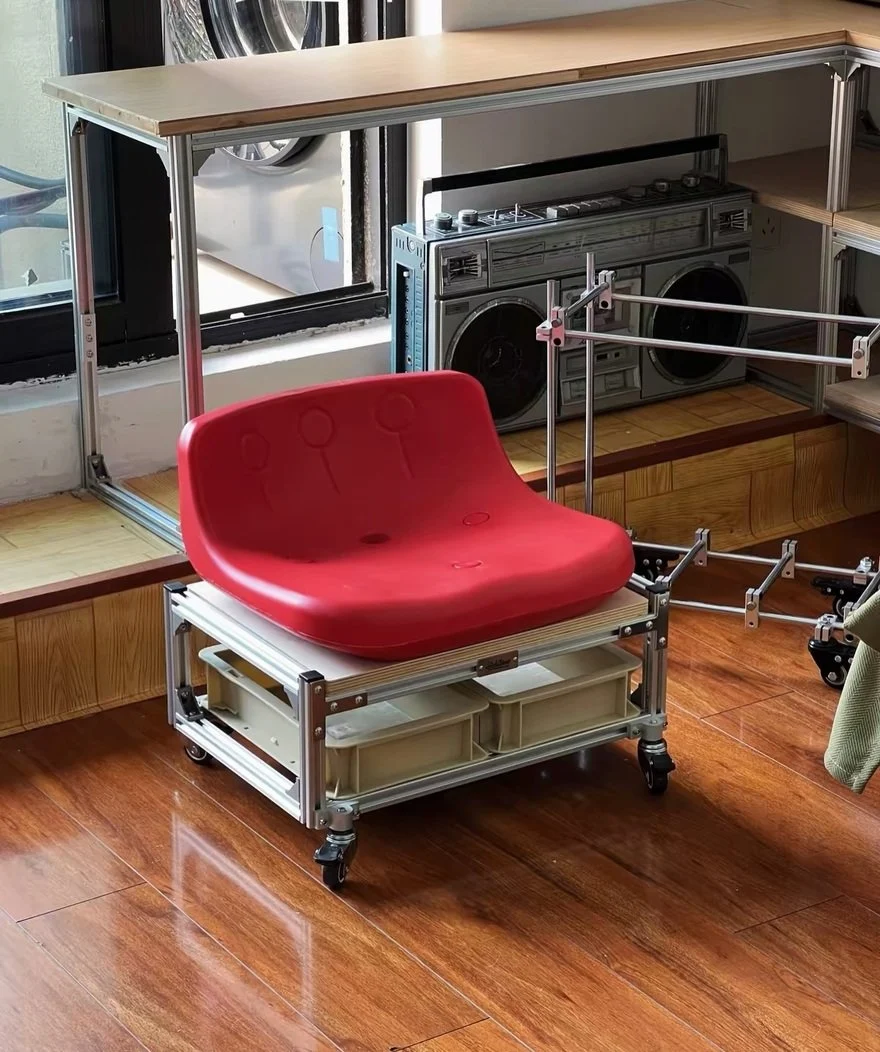
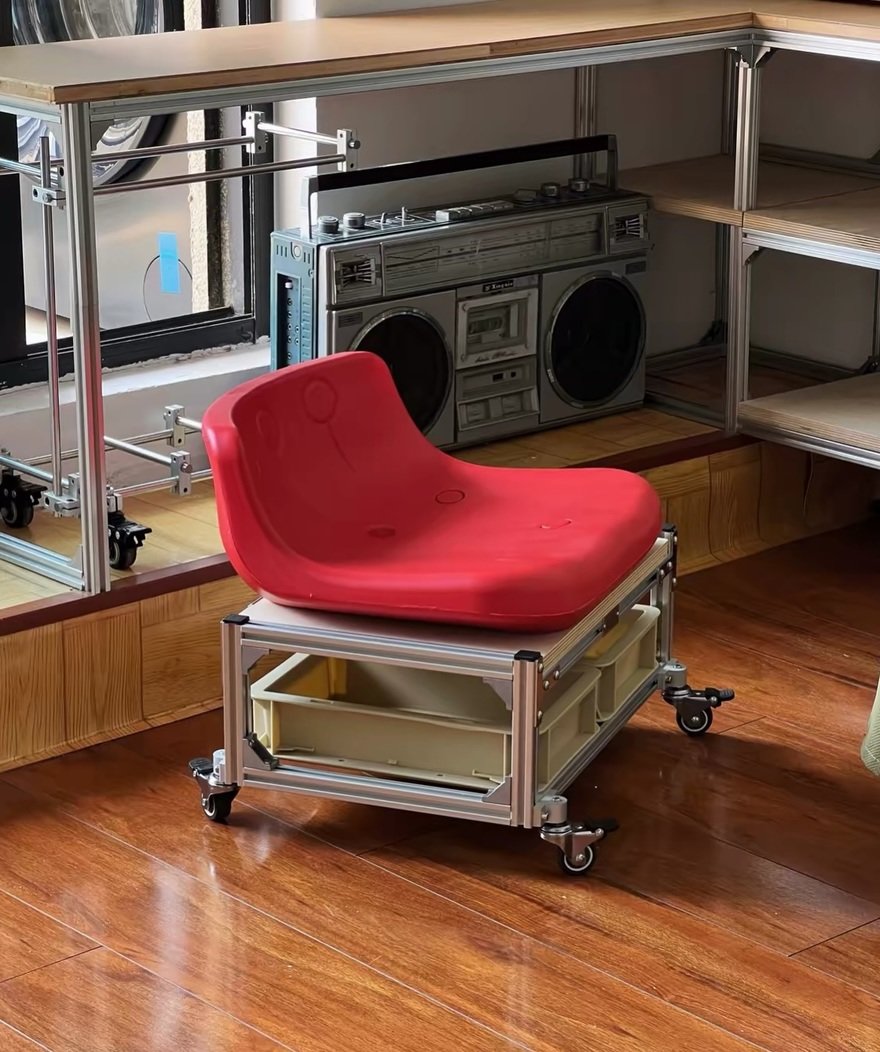
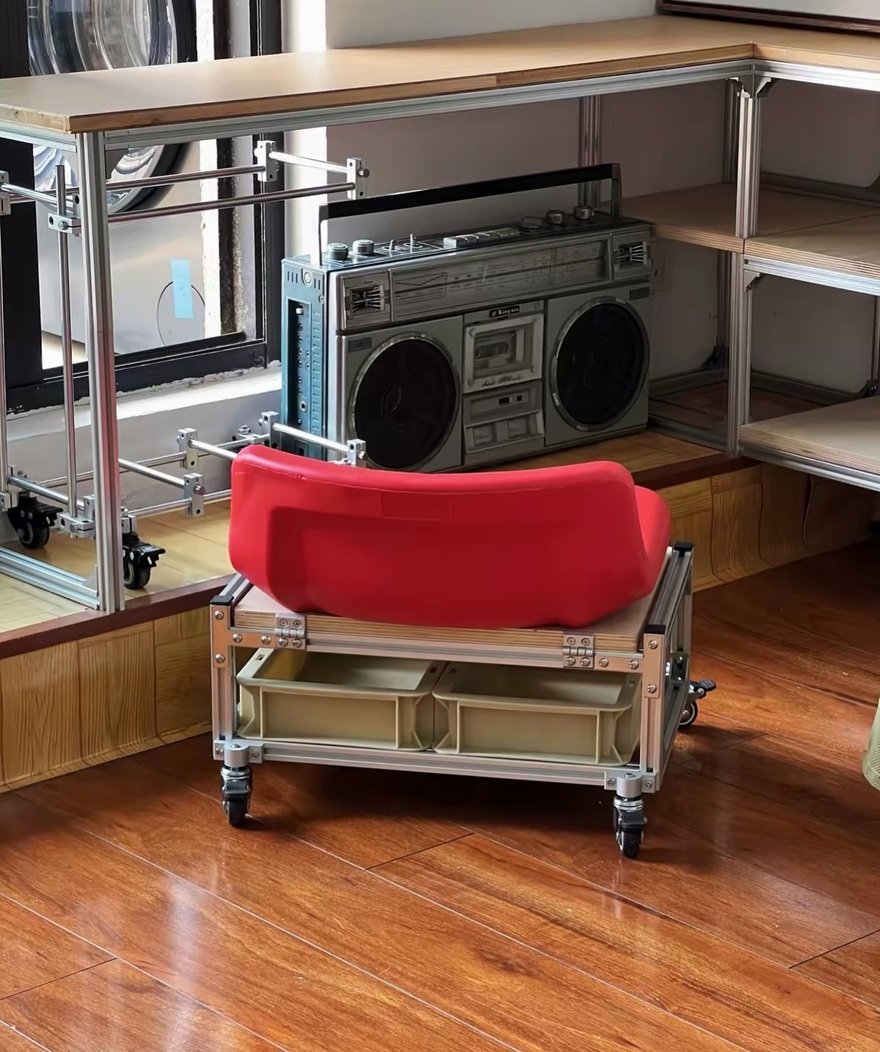
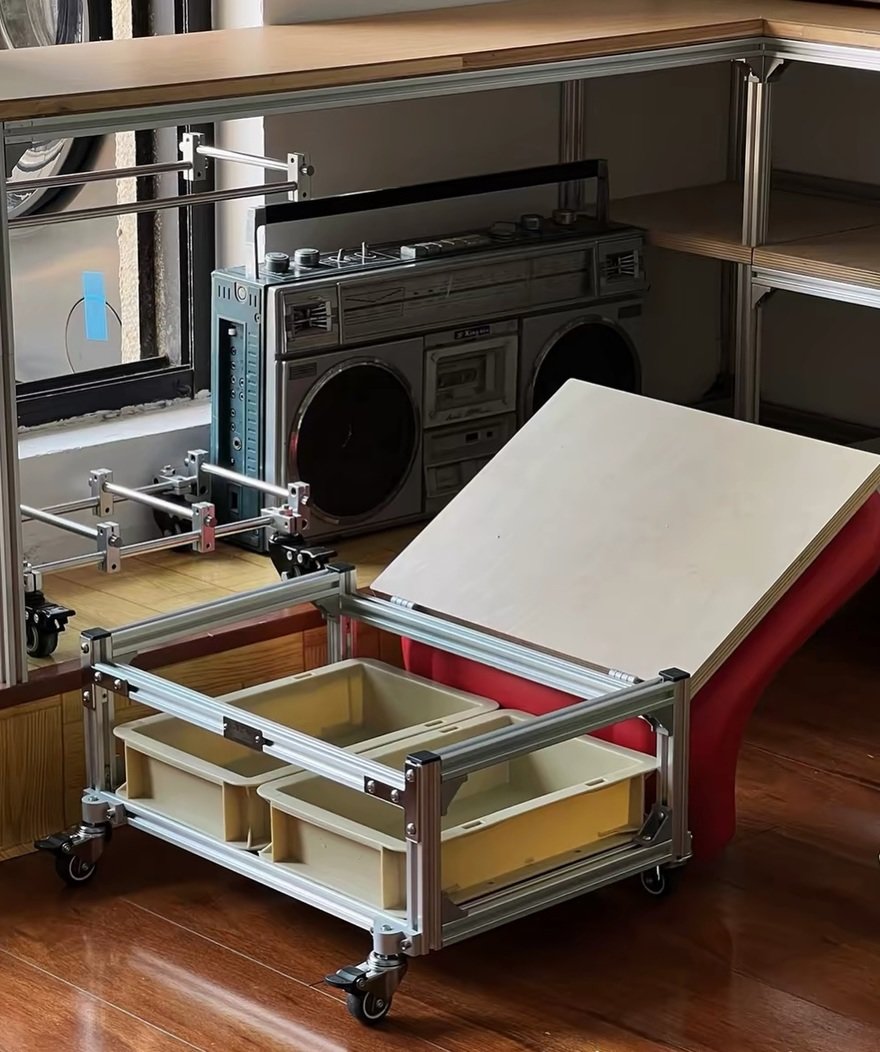
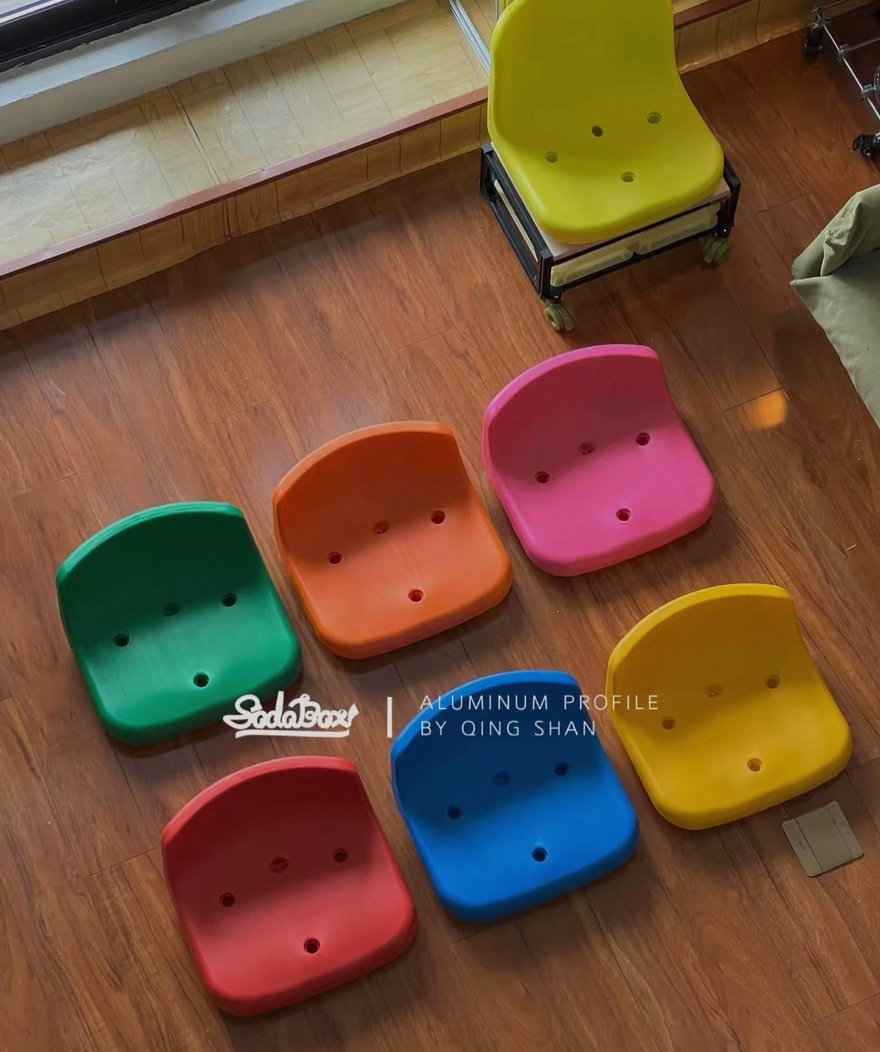
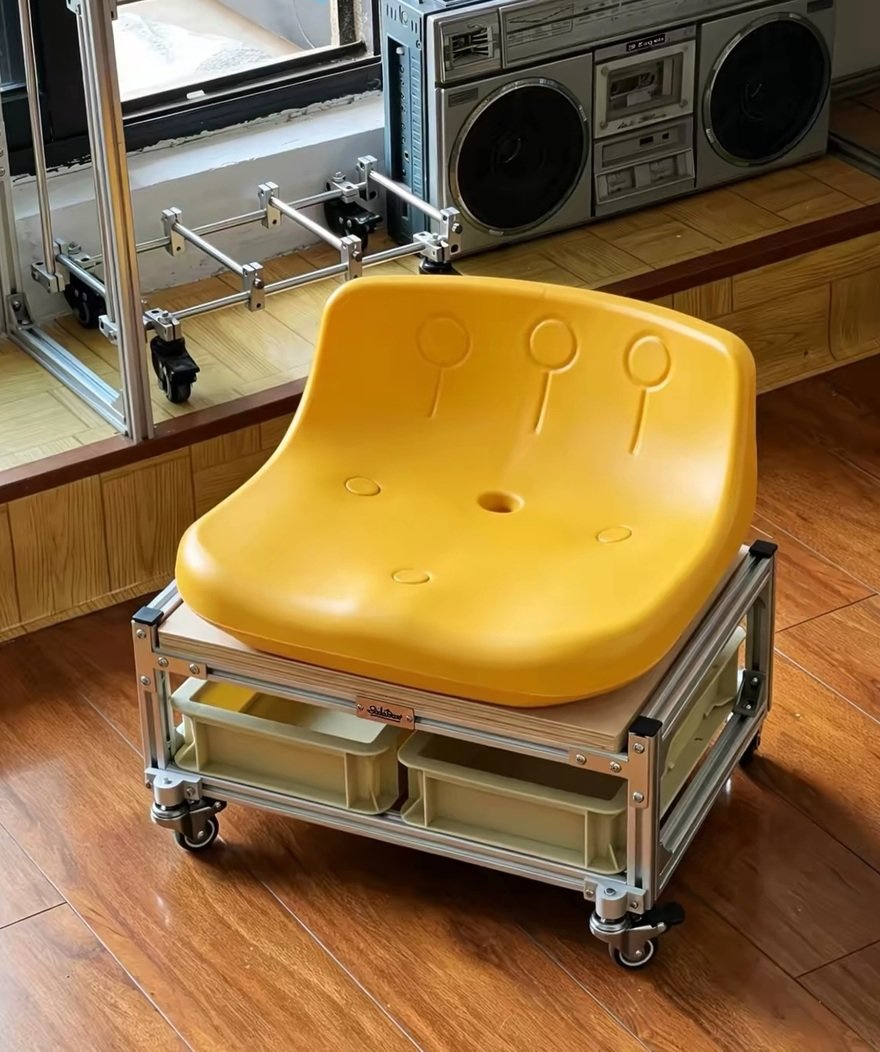
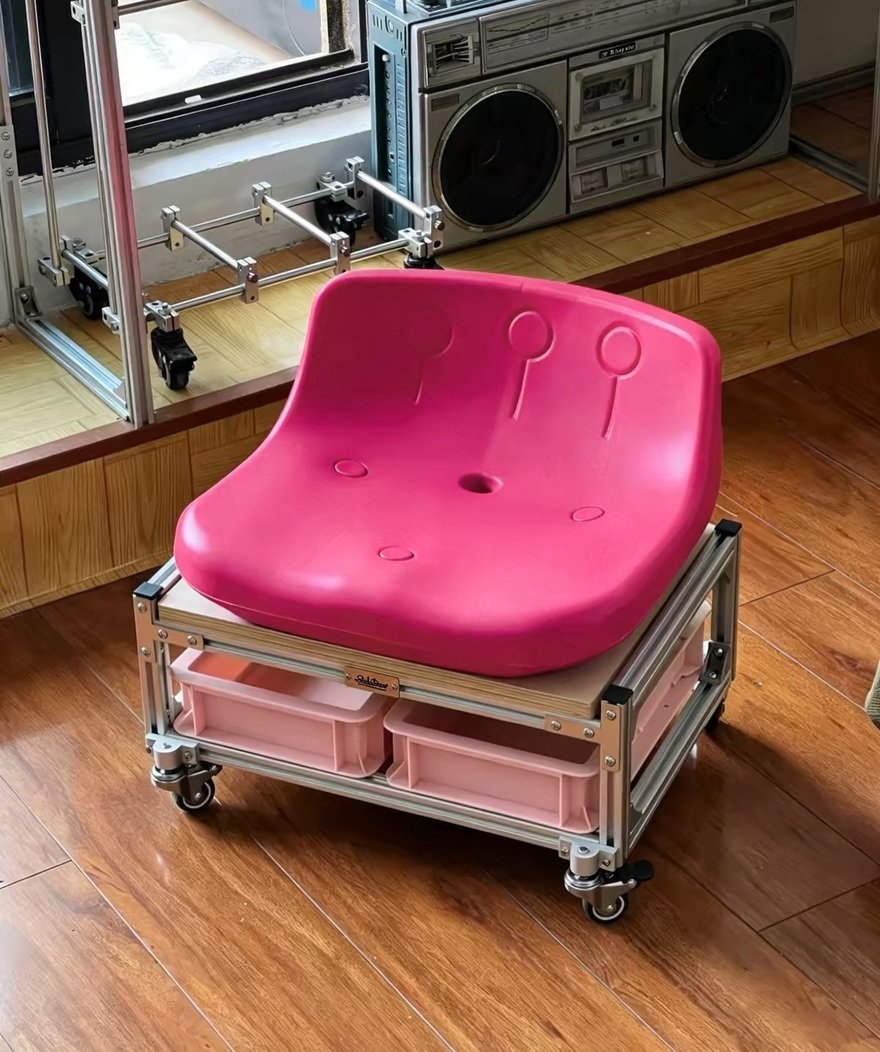
At its core, the Turtle Stool is an exercise in brutalist efficiency. The piece consists of two distinct functional elements: a molded, ergonomically contoured seat perched atop a low-slung, boxy chassis constructed from aluminum extrusions. This base is not merely a support structure; it serves as a housing for two integrated storage bins, turning a standard piece of furniture into a mobile organizational hub.
The name "Turtle Stool" is evocative of its low profile and the way the storage bins tuck beneath the seat like a shell. Qingshan, the creator, claims the design is "so cozy you’ll never want to get up," suggesting that the form factor—while unconventional—prioritizes long-term comfort for users who might be engaged in crafting, repair work, or extended digital tasks.
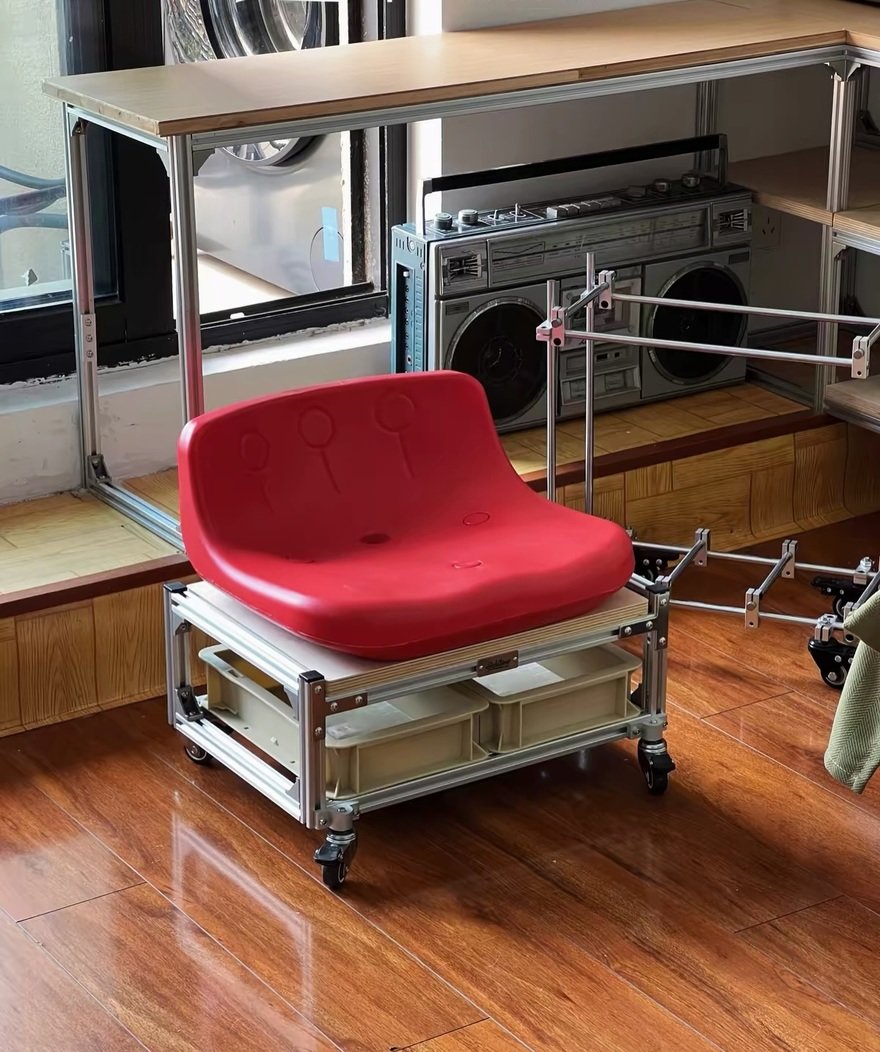
The most striking aspect of the stool is its raw, industrial aesthetic. The aluminum extrusions—a material commonly found in high-end shelving or CNC machine frames—are left exposed, celebrating the mechanical nature of the object rather than hiding it behind veneers or upholstery. The seat itself is a repurposed component, reflecting Qingshan’s pragmatic approach to design: he does not claim to have invented the seat, but rather to have curated it to fit his engineered crate, creating a synergy between mass-produced components and custom modular framing.
Chronology: The Evolution of Soda Box
The rise of the Turtle Stool did not happen in a vacuum. It is the latest output of a consistent creative trajectory from Qingshan, who has built a following on platforms like YouTube by documenting his process of turning industrial "odds and ends" into functional household objects.
- The Prototyping Phase: Qingshan began by experimenting with T-slot aluminum extrusions, a favorite material among DIY enthusiasts for its structural integrity and ease of assembly. His early videos focused on utility—building mobile workstations and storage racks for his own studio.
- The Pivot to Furniture: Recognizing a gap in the market for "prosumer" furniture that felt less like mass-market plastic and more like heavy-duty equipment, Qingshan began designing the Soda Box collection.
- The "Turtle" Realization: The specific design of the Turtle Stool emerged as a response to the need for a seat that could easily slide under work surfaces while providing immediate access to tools or personal items.
- The Market Launch: Following a series of social media teases, the stool was introduced as a kit. Recognizing the logistical challenges of shipping fully assembled aluminum furniture, Qingshan opted for a flat-pack, DIY-assembly model. This decision not only reduced shipping costs but also engaged the customer in the "making" process, a hallmark of the Soda Box brand.
Supporting Data: The Logistics of a Niche Brand
The distribution model for the Turtle Stool highlights a significant divergence between Western and Chinese retail ecosystems. In the West, a designer like Qingshan would typically launch a direct-to-consumer (DTC) website, leveraging Shopify, Instagram ads, and sophisticated SEO strategies.
In the Chinese market, however, the digital infrastructure is dominated by "super-apps" and massive third-party e-tailer ecosystems. Soda Box does not maintain a traditional corporate website. Instead, the stool is sold through specialized Chinese e-commerce platforms where discovery is driven by social proof, algorithmic recommendation, and influencer endorsement rather than traditional brand-owned digital real estate.
Material Specifications
- Chassis: High-grade aluminum T-slot extrusions.
- Fasteners: Industrial-grade zinc-plated bolts and T-nuts.
- Storage: Dual high-density polymer bins (custom-fit for the extrusion dimensions).
- Assembly: User-assembled, requiring only basic hex keys, providing a "Lego-like" experience for the end user.
The cost-to-value ratio of such items is typically high due to the lack of retail overhead, yet the shipping of metal components remains a logistical hurdle. By selling the product disassembled, Soda Box effectively manages the "last mile" delivery challenges that often plague heavier, industrial-style furniture.
Official Responses and Creator Philosophy
Qingshan’s public persona is that of a "maker" rather than a corporate executive. His commentary on the Turtle Stool is refreshingly informal. When discussing the design, he focuses on the "tactile satisfaction" of the aluminum and the "liberating" nature of having one’s belongings move with them.
In various video posts, he addresses the skepticism of viewers who question why anyone would want a stool that looks like a piece of factory equipment. His response is consistently centered on durability and personalization. "Furniture shouldn’t be static," he suggests. "The Turtle Stool is an extension of the workspace. It’s not just for sitting; it’s for keeping your creative chaos organized."
He has also leaned into the transparency of his process, often showing the exact parts sourced from hardware suppliers. This radical transparency serves to build trust with a demographic of buyers who are increasingly wary of "fast furniture" that breaks within a year. By using industrial components, Qingshan provides an implicit guarantee of longevity: if a bolt wears out, the user can simply replace it from any hardware store.
Implications: The Future of "Maker-Retail"
The Turtle Stool is more than just a piece of furniture; it is a signal of a larger shift in consumer behavior. We are entering an era where the boundary between the "professional workshop" and the "living room" is dissolving. As more people work from home, the desire for furniture that performs—furniture that holds equipment, adjusts to height, and offers modular storage—is growing.
1. The Death of the "Polished" Aesthetic
For years, Western furniture design has been obsessed with "concealment"—hiding the screws, masking the joints, and creating a seamless, monolithic appearance. The Turtle Stool challenges this by celebrating the "bones" of the design. This mirrors a broader trend in architecture and interior design known as "honest design," where the construction method becomes the primary aesthetic feature.
2. The Rise of the Disassembled Brand
The success of Soda Box proves that consumers are willing to invest time in assembly if it means they receive a higher-quality, more personalized product. This "kit-based" commerce is highly sustainable, as it drastically reduces the carbon footprint associated with shipping bulky, assembled goods.
3. The Localization of Design
The "unusual" nature of the Turtle Stool in Western eyes is a reminder that design is culturally situated. In China, where urban living often involves smaller footprints and a need for highly versatile, multi-functional objects, the Turtle Stool is perfectly adapted to the environment. It is a solution to a specific set of spatial constraints that are becoming increasingly common globally.
4. The E-commerce Paradigm Shift
Finally, the lack of a formal corporate website for Soda Box is a wake-up call to Western observers. It highlights a retail model that is entirely reliant on the community-driven nature of social media marketplaces. While Western brands fight for Google search rankings, brands like Soda Box are winning by becoming a part of the "feed," where their products are discovered through organic video content rather than paid advertising.
In conclusion, the Turtle Stool is a fascinating case study in modern industrial design. It defies conventional categorization, blending the aesthetic of a hardware store with the function of a high-end office chair. Whether or not it catches on in Western markets remains to be seen, but its success in China serves as a testament to the power of modularity, the appeal of "honest" manufacturing, and the evolving nature of how we define "comfort" in an increasingly digital and workspace-fluid world. Qingshan may not have set out to redefine furniture design, but with the Turtle Stool, he has certainly provided a glimpse into a more functional, and perhaps more "cozy," future.
About the Author