Greek Yogurt Giant Establishes Northeast Manufacturing and Distribution Hub, Realigns Partnership with KDP in Landmark $800 Million Deal
Published: September 4, 2026
By Christopher Doering, originally for Food Dive
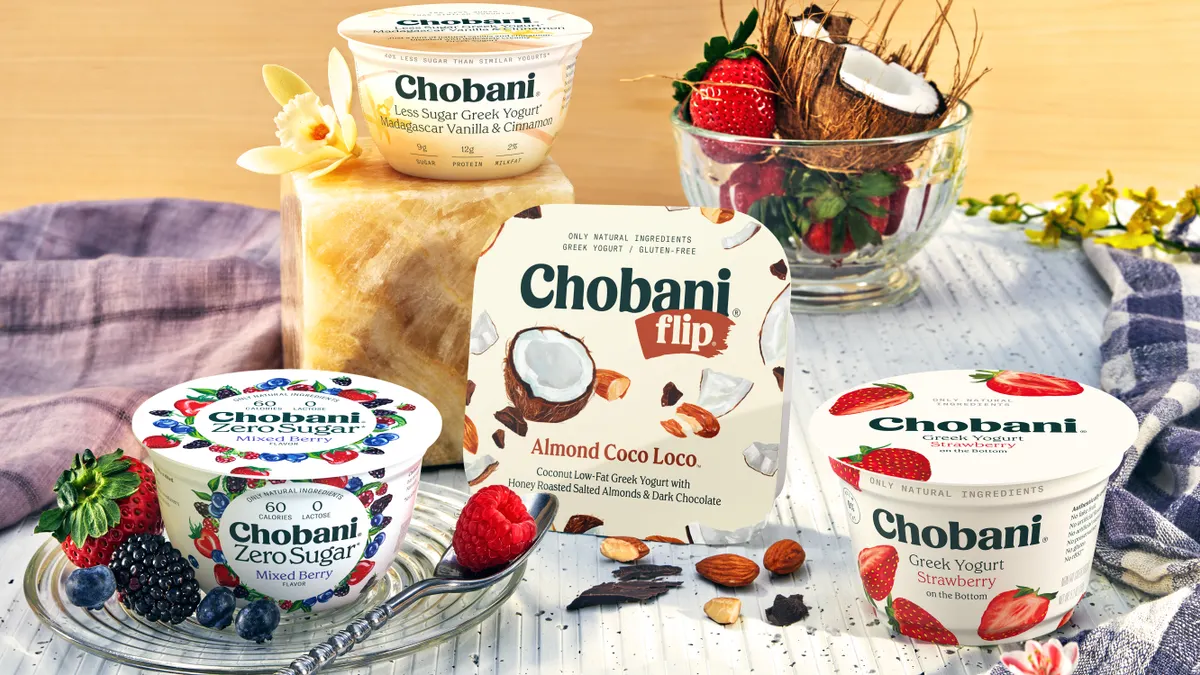
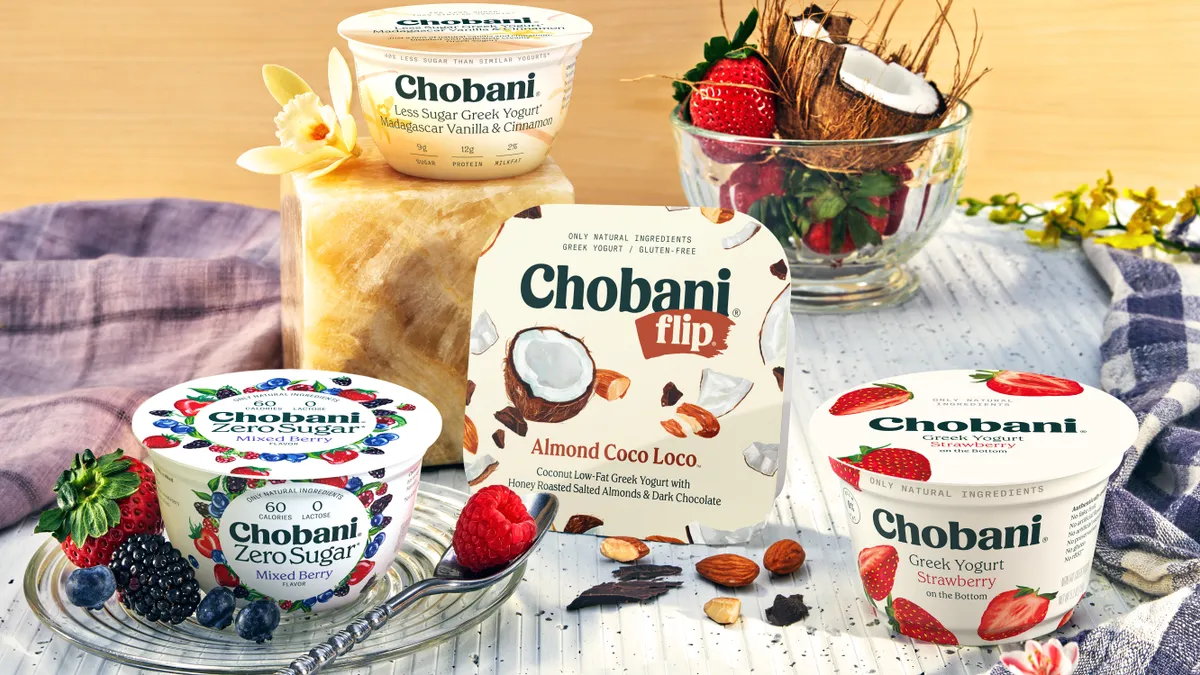
(Image: Chobani yogurt containers or a factory exterior, as per original source image guidance. Caption: Permission granted by Chobani)
Main Facts: Chobani’s Bold Leap into the Northeast
Chobani, the trailblazing Greek yogurt maker renowned for disrupting the dairy industry, has announced a significant strategic move, acquiring a sprawling manufacturing facility in Allentown, Pennsylvania, from Keurig Dr Pepper (KDP). This acquisition, finalized on September 4, 2026, marks a pivotal moment in Chobani’s aggressive growth trajectory, transforming the former KDP plant into what the company describes as a "major new hub" for its expanding portfolio of food and beverage products. The deal is intrinsically linked to a broader restructuring of the long-standing partnership between Chobani and Keurig Dr Pepper, wherein KDP has sold its minority equity stake in Chobani back to the yogurt maker for a substantial $800 million.
This landmark transaction is poised to dramatically enhance Chobani’s production capabilities and strengthen its supply chain resilience, particularly across the vital northeastern and mid-Atlantic U.S. markets. The Allentown facility, strategically located within 500 miles of approximately 40% of the U.S. population, offers unparalleled logistical advantages, promising more efficient distribution and fresher product delivery to millions of consumers. Chobani’s vision for the site is ambitious, with plans to develop a campus encompassing 1.5 million square feet of manufacturing and warehouse space over the next five years, housing up to ten production lines. This expansion is projected to significantly bolster the local economy, including an anticipated annual sourcing of over 3 billion pounds of Pennsylvania milk at full operational capacity.
The divestiture by Keurig Dr Pepper, while signaling a recalibration of its investment strategy, is a pre-emptive measure to fortify its balance sheet, primarily to pay down debt ahead of its anticipated split in early 2027. Despite the equity stake sale, the two companies have affirmed their ongoing operational collaboration: Keurig Dr Pepper will continue its role in distributing Chobani-owned beverage products, including the popular La Colombe ready-to-drink lattes, and Chobani will temporarily manufacture certain products for KDP from the newly acquired Allentown plant. This complex, multi-faceted agreement underscores a strategic realignment that promises mutual benefits while charting distinct paths for both food and beverage giants.
Chronology: A Trajectory of Unprecedented Growth and Strategic Evolution
Chobani’s journey from a small startup in upstate New York to a dominant force in the food and beverage industry has been characterized by audacious investments and a relentless pursuit of consumer-centric innovation. The Allentown acquisition, while significant, is the latest in a series of strategic capital outlays that underscore the company’s commitment to scaling its operations to meet surging demand.
Early Foundations and Market Disruption:
Founded by Hamdi Ulukaya in 2005, Chobani quickly revolutionized the American dairy aisle with its authentic, thick, and protein-rich Greek yogurt. The brand’s emphasis on natural ingredients, low sugar content, and a clean label resonated deeply with a growing segment of health-conscious consumers. This initial success laid the groundwork for continuous expansion and diversification.
Recent Investment Blitz:
The past two years have seen Chobani embark on an unprecedented investment spree, reflecting its "red-hot growth," as described by Chief Customer Officer John Frost.
- 2025 – Twin Falls, Idaho Expansion: Chobani announced a colossal $500 million investment to expand its existing facility in Twin Falls, Idaho. This move was aimed at augmenting production capacity in the western U.S., catering to a rapidly expanding customer base and further solidifying its national footprint. The Idaho plant, already one of the largest yogurt manufacturing facilities in the world, was slated for significant technological upgrades and increased output.
- Undisclosed Recent Investment – Rome, New York: Prior to the Allentown deal, Chobani had already committed a staggering $1.2 billion towards the development of a new food manufacturing plant in Rome, New York. While specific details about this plant’s operational status or exact timeline for completion were not immediately available, this investment signaled Chobani’s long-term commitment to its home state and its strategy of building state-of-the-art facilities to support its burgeoning product lines. The scale of this investment alone dwarfs many industry-wide capital projects, highlighting Chobani’s confidence in sustained market expansion.
Evolution of the KDP Partnership:
The relationship between Chobani and Keurig Dr Pepper has been a dynamic one, evolving from a strategic investment to a complex operational alliance. Keurig Dr Pepper initially acquired a minority equity stake in Chobani, a move that provided capital for Chobani’s growth while offering KDP a foothold in the rapidly expanding refrigerated foods sector. This partnership also leveraged KDP’s extensive distribution network, particularly for Chobani’s burgeoning beverage offerings.
However, as both companies have matured and refined their strategic priorities, a restructuring became inevitable. KDP’s decision to divest its $800 million stake is driven by its own corporate roadmap, primarily focusing on debt reduction in anticipation of its planned corporate split in early 2027. This split is expected to carve out distinct entities, allowing each to pursue more focused strategies in the competitive beverage market. By selling its stake in Chobani, KDP streamlines its asset portfolio and enhances its financial agility, positioning itself for a leaner, more focused future.
Crucially, the dissolution of the equity partnership does not signify an end to all collaboration. The continuation of KDP’s distribution of Chobani-owned beverage brands, such as La Colombe ready-to-drink lattes, underscores the enduring value of their operational synergies. Furthermore, Chobani’s agreement to manufacture certain KDP products at the Allentown plant for a transitional period highlights a mutually beneficial arrangement designed to ensure smooth transitions and maintain supply chain stability for both parties. This amicable restructuring exemplifies strategic business divorce, prioritizing ongoing operational advantages despite a financial parting of ways.
Supporting Data: A Deep Dive into Market Dynamics and Economic Impact
The Allentown acquisition is not merely a transaction; it’s a meticulously calculated move underpinned by robust market data and promising significant economic ripple effects. Chobani’s success stems from its adept navigation of evolving consumer preferences, a trend that continues to fuel its expansion.

Consumer Shifts and Chobani’s Product Prowess:
As John Frost, Chobani’s Chief Customer Officer, articulated last November, "All of our businesses are growing and growing rapidly… We are seeing shifts within the consumer, and those shifts are landing in a place that Chobani has been for nearly two decades." These shifts are primarily characterized by:
- Demand for Protein: Consumers are increasingly seeking protein-packed foods for satiety, muscle health, and energy. Greek yogurt, with its higher protein content compared to traditional yogurt, perfectly aligns with this trend.
- Clean Label Movement: A strong preference for products with simple, recognizable ingredients and minimal artificial additives. Chobani’s commitment to "clean-label" products has been a cornerstone of its brand identity.
- Low Sugar Focus: Growing awareness of sugar’s health implications has driven demand for lower-sugar alternatives. Chobani has innovated with products like Chobani Zero Sugar, further capturing this market segment.
- Convenience: In an increasingly busy world, ready-to-eat and on-the-go options are paramount. Chobani’s single-serve yogurts, creamers, and ready-to-drink beverages cater directly to this need.
Chobani’s diversified portfolio, extending beyond its flagship Greek yogurt to include coffee creamers, the popular La Colombe ready-to-drink coffee line (acquired through a strategic partnership), and even plant-based food maker Daily Harvest (acquired in a strategic move to broaden its reach into alternative protein and healthier meal solutions), positions it perfectly to capitalize on these multifaceted consumer trends. The Allentown facility will provide the necessary infrastructure to scale production across these diverse categories, enabling the company to accelerate new product development and market entry.
The Strategic Advantage of Allentown:
The selection of Allentown, Pennsylvania, is a masterclass in logistical foresight.
- Market Proximity: "The Allentown facility sits within 500 miles of approximately 40% of the U.S. population," Chobani stated. This geographic advantage is critical. It translates into significantly reduced transportation costs, shorter lead times for product delivery, and a fresher product on store shelves across major metropolitan areas like New York City, Philadelphia, Washington D.C., and Boston. For perishable goods like dairy and refrigerated beverages, speed to market is a crucial competitive differentiator.
- Infrastructure: Pennsylvania boasts a robust transportation network, including major highways, rail lines, and access to ports, facilitating efficient inbound raw material flow and outbound product distribution.
- Production Capacity and Future-Proofing: Chobani’s plan for "up to 10 production lines" in Allentown signifies a massive increase in capacity. This multi-line setup will allow for flexibility in manufacturing different product types concurrently, from various yogurt SKUs to creamers and plant-based offerings. This modular approach ensures that Chobani can "scale existing products while continuing to develop new food and beverage offerings," future-proofing its manufacturing capabilities against evolving market demands.
Economic Impact on Pennsylvania and the Dairy Sector:
The investment in Allentown extends far beyond Chobani’s balance sheet, promising substantial benefits for the local and regional economy:
- Job Creation: While specific numbers were not immediately disclosed, the transformation of the KDP facility into a "major new hub" with up to 10 production lines and 1.5 million square feet of space will undoubtedly lead to significant job creation, from manufacturing and logistics roles to administrative and management positions. Chobani’s CEO, Hamdi Ulukaya, noted, "There’s already an incredibly talented team here that knows how to make great food. The foundation is strong." This suggests an initial retention of some existing KDP employees, augmented by new hires.
- Support for Local Agriculture: Perhaps one of the most impactful statistics is Chobani’s commitment to sourcing "more than 3 billion pounds of Pennsylvania milk annually" at full capacity. This represents a colossal demand for local dairy farmers, providing a stable and substantial market for their produce. In an era where dairy farmers often face fluctuating prices and market uncertainties, such a commitment from a major buyer offers significant economic stability and encourages growth within the state’s agricultural sector. This direct investment in local sourcing strengthens regional food systems and reduces reliance on distant supply chains.
- Investment in the Region: The development of a 1.5-million-square-foot campus represents a multi-million-dollar investment in real estate, infrastructure, and technology, injecting significant capital into the Allentown area and Lehigh Valley region. This can attract further ancillary businesses and spur broader economic development.
The data collectively paints a picture of a company strategically leveraging market trends, geographical advantages, and significant capital to fortify its position as a leader in the evolving food and beverage landscape, while simultaneously contributing positively to the communities it operates within.
Official Responses: Leadership’s Vision and Strategic Clarity
The official statements from Chobani’s leadership offer a clear articulation of the strategic rationale behind the Allentown acquisition and the broader vision for the company’s future. While Keurig Dr Pepper’s direct quotes were not provided in the initial announcement, their actions speak to a focused strategic realignment.
Hamdi Ulukaya, Founder and CEO of Chobani:
Ulukaya, the visionary behind Chobani’s success, expressed enthusiasm for the new chapter in Allentown: "There’s already an incredibly talented team here that knows how to make great food. The foundation is strong. And we have an opportunity to build something extraordinary on top of it." This statement encapsulates several key elements of Ulukaya’s leadership philosophy:

- Value for Existing Talent: His recognition of the "talented team" at the former KDP facility highlights Chobani’s commitment to people and its ability to integrate existing expertise. This fosters continuity and leverages institutional knowledge, which is crucial for a smooth transition.
- Building on Strengths: The phrase "foundation is strong" suggests that the acquired facility is not a blank slate but a robust operational base upon which Chobani can innovate and expand. This reduces the risk associated with greenfield projects and accelerates time to market.
- Vision for the Future: Ulukaya’s ambition to "build something extraordinary" reflects Chobani’s innovative spirit and its continuous drive to push boundaries, whether in product development or manufacturing excellence. This aligns with his history of challenging industry norms and creating new categories. His vision is not just about increasing output, but about creating a state-of-the-art facility that embodies Chobani’s commitment to quality, efficiency, and sustainability.
John Frost, Chief Customer Officer of Chobani:
Frost’s earlier comments from November provided crucial context for Chobani’s aggressive expansion: "All of our businesses are growing and growing rapidly. We are seeing shifts within the consumer, and those shifts are landing in a place that Chobani has been for nearly two decades."
- Market Validation: Frost’s observation validates Chobani’s long-term strategy of focusing on health, wellness, and natural ingredients. The company didn’t chase trends; it anticipated them, positioning itself as a pioneer in the better-for-you food movement.
- Holistic Growth: The emphasis on "all of our businesses" growing rapidly underscores the success of Chobani’s diversification strategy. It’s not just yogurt, but creamers, coffee, and plant-based offerings that are contributing to the company’s robust performance. This holistic growth necessitates the expanded manufacturing capacity that the Allentown plant will provide.
- Consumer Alignment: The notion that consumer shifts are "landing in a place that Chobani has been" speaks to the brand’s enduring relevance and its deep understanding of its target demographic. It reinforces the idea that Chobani is not just responding to demand but is also shaping it through its commitment to quality and innovation.
Keurig Dr Pepper’s Strategic Rationale (Inferred):
While direct quotes from KDP leadership were not provided, their actions communicate a clear strategic intent:
- Financial Discipline: The $800 million sale of the Chobani stake to pay down debt is a decisive move to strengthen KDP’s financial position. This is particularly critical for a company preparing for a significant corporate restructuring like its upcoming split. Reducing leverage provides greater financial flexibility and improves investor confidence.
- Streamlined Focus: By divesting a minority stake in a refrigerated foods company, KDP signals a sharper focus on its core beverage business. This allows the company to allocate resources more efficiently to its primary segments, such as coffee, soft drinks, and flavored beverages, ahead of its corporate separation.
- Maintained Operational Synergy: The decision to continue distributing La Colombe ready-to-drink lattes and other Chobani-owned beverages, alongside the temporary manufacturing agreement, demonstrates a pragmatic approach. KDP recognizes the value of these operational partnerships even as the financial investment relationship changes. It ensures that both companies can continue to leverage each other’s strengths where it makes strategic sense, minimizing disruption for consumers and retailers.
Together, these official responses and strategic actions paint a picture of two companies confidently navigating their respective growth paths, making decisive moves to optimize their operations and financial health in a dynamic market landscape.
Implications: Reshaping the Landscape for Chobani and Beyond
The acquisition of the Allentown facility and the associated restructuring of the KDP partnership carry profound implications, not only for Chobani and Keurig Dr Pepper but also for the wider food and beverage industry, regional economies, and consumer markets.
For Chobani: Enhanced Agility and Market Dominance
- Supply Chain Resilience: In an era marked by global supply chain disruptions, securing a major manufacturing hub in a strategically critical location like Allentown significantly enhances Chobani’s resilience. It reduces reliance on fewer, potentially overstretched facilities, ensuring more consistent product availability. The ability to serve approximately 40% of the U.S. population from one hub dramatically shortens lead times and optimizes logistics, reducing fuel costs and carbon footprint.
- Accelerated Innovation: With up to 10 production lines, the Allentown facility provides the necessary flexibility and capacity to accelerate Chobani’s innovation pipeline. This means faster development and scaling of new products—whether new yogurt flavors, plant-based alternatives, or beverage innovations—allowing Chobani to stay ahead of consumer trends and competitive pressures. This could lead to a quicker response to emerging dietary preferences and health-focused innovations.
- Strengthened Market Leadership: This investment solidifies Chobani’s position as a dominant player in the Greek yogurt, broader dairy, and burgeoning plant-based and coffee categories. Increased production capacity directly translates to greater market share potential, enabling the company to meet ever-growing demand without compromising product quality or availability.
- Vertical Integration & Sustainability: The commitment to sourcing over 3 billion pounds of Pennsylvania milk annually is a significant step towards more localized supply chains. This not only supports local farmers but also offers Chobani greater control over its raw material quality and potentially contributes to its sustainability goals by reducing transportation distances for key inputs.
For Keurig Dr Pepper: Financial Flexibility and Strategic Focus
- Debt Reduction and Financial Health: The $800 million from the sale provides KDP with substantial capital to pay down debt, a critical step ahead of its anticipated corporate split. This strengthens its balance sheet, potentially improving its credit rating and providing greater financial flexibility for future investments in its core beverage segments.
- Streamlined Portfolio: Divesting its minority stake in Chobani allows KDP to further refine its focus on its primary beverage business. This strategic clarity is crucial for optimizing resource allocation and maximizing operational efficiency as it prepares for its independent entities post-split.
- Continued Strategic Relationships: The ongoing distribution and manufacturing agreements demonstrate that KDP can achieve financial goals without completely severing valuable operational partnerships. This model allows for continued revenue streams and mutual benefits where core competencies align.
For the Regional Economy (Allentown, Pennsylvania): A Catalyst for Growth
- Economic Revitalization: The transformation of a former KDP plant into a major Chobani hub represents a significant investment in the Allentown region, signaling renewed economic activity and confidence. This can lead to broader revitalization efforts in the area, attracting other businesses and stimulating local commerce.
- Agricultural Boon: The demand for over 3 billion pounds of Pennsylvania milk annually is a massive boost for the state’s dairy farmers. This provides stable contracts, encourages herd expansion, and supports the overall economic viability of the agricultural sector, which is a cornerstone of Pennsylvania’s economy. It ensures a robust, local market for dairy producers.
- Job Creation and Workforce Development: Beyond direct employment at the plant, the increased activity will spur jobs in ancillary industries such as logistics, packaging, maintenance, and support services. This creates a multiplier effect, contributing to regional employment and potentially fostering specialized workforce training programs.
For the Broader Food & Beverage Industry:
- Blueprint for Expansion: Chobani’s aggressive, strategically planned expansion serves as a case study for other food and beverage companies looking to scale operations and penetrate new markets. It highlights the importance of market proximity, supply chain optimization, and diversification.
- M&A Trends: The KDP-Chobani deal reflects broader trends in mergers and acquisitions (M&A) within the industry—companies are continuously evaluating and restructuring their portfolios to align with core competencies and maximize shareholder value. Strategic divestitures and acquisitions of manufacturing assets are becoming common tools for growth and optimization.
- Focus on Health and Wellness: Chobani’s continued success reinforces the enduring power of the health and wellness trend. Companies that can authentically deliver on consumer demand for clean-label, high-protein, and functional foods are poised for sustained growth.
Potential Challenges and Risks:
While the outlook is overwhelmingly positive, Chobani will need to meticulously manage the integration of the new facility, ensuring smooth operational transitions and consistent product quality. Scaling up to 10 production lines and managing a 1.5-million-square-foot campus within five years will require substantial capital expenditure, skilled labor recruitment, and robust operational oversight. Furthermore, the highly competitive nature of the food and beverage market means Chobani must continuously innovate and adapt to maintain its leadership position.
In conclusion, Chobani’s acquisition of the Allentown facility is a strategically astute move that promises to underpin its continued rapid growth and innovation. Coupled with the judicious restructuring of its partnership with Keurig Dr Pepper, this development marks a significant chapter for both companies, setting them on distinct yet interconnected paths toward future success in the dynamic global food and beverage landscape.
About the Author