The landscape of industrial design is often defined by a tension between the monumental and the mundane. This week, the design community witnessed a fascinating oscillation between high-concept automotive-inspired furniture and the practical, granular improvements required to fix our everyday friction points—like stubborn sauce packets and the perennial exhaustion of manual furniture assembly.
From September 8 to September 11, 2026, we tracked a series of developments that highlight a shift toward "intelligent utility." Whether through the lens of 3D-printing advancements or the mechanical elegance of linkage-based timepieces, designers are proving that the most profound innovations are those that solve problems we didn’t even realize we had.
Main Facts: The Intersection of Form and Function
This week’s curated selection highlights a diverse range of disciplines, from ergonomics to mechanical engineering. The overarching theme observed across these projects is the refinement of existing archetypes. We are no longer merely inventing new products; we are evolving the ones that have long stagnated in their development.

Key highlights include:
- Tom Ducarouge’s Pop-up Furniture: A masterclass in utilitarian aesthetics, focusing on portability and structural integrity.
- ShiftLens Technology: A pioneering method for 3D-printing lenticular objects, bridging the gap between digital modeling and optical depth.
- The "Maniac Chair" by Oilstainlab: An automotive-inspired piece that challenges the conventional boundaries of seating ergonomics and material application.
- The Skil Powered Hex Key: A long-overdue solution for the DIY sector, addressing the physical fatigue associated with large-scale furniture assembly.
Chronology of Innovation (Sept 8–11, 2026)
September 8: The Mechanical and the Optical
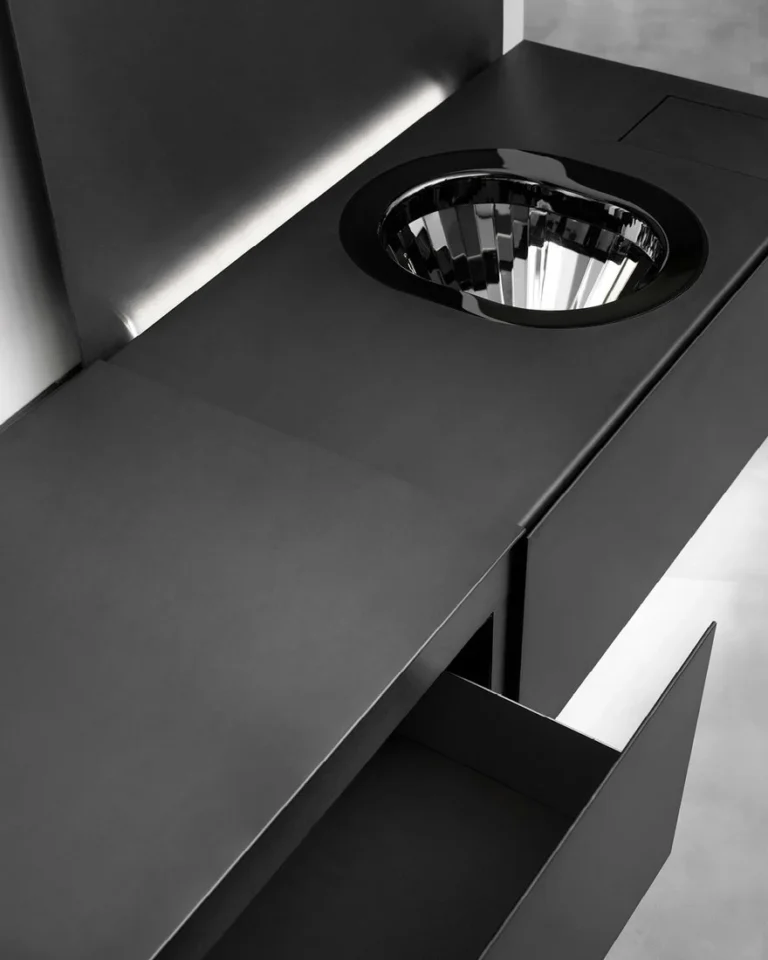
The week opened with a focus on structural elegance. Industrial designer Tom Ducarouge unveiled his latest series of pop-up furniture, characterized by a "handsome, utilitarian" design language. By prioritizing folding mechanisms that do not compromise aesthetic appeal, Ducarouge set a tone for the week: design should be as beautiful in transit as it is in use. Simultaneously, the unveiling of ShiftLens offered a technical counterpoint. This system for 3D-printing lenticular objects represents a significant leap for rapid prototyping, allowing designers to imbue physical prints with the illusion of movement or depth without the need for traditional lens-layering techniques.
September 9: Ergonomics in the Kitchen and the Workshop
By mid-week, the discourse shifted toward the small-scale frustrations of daily life. Japanese designers introduced a specialized set of kitchen scissors engineered specifically for the frustration of opening stubborn sauce packets—a simple, high-utility intervention that exemplifies user-centric design. Following this, Izzy Swan’s VacQube made waves in the maker community. By revolutionizing workbench hold-down systems with a diminutive, vacuum-powered footprint, Swan has effectively provided a "third hand" for woodworkers and DIY enthusiasts, proving that size does not dictate capacity.

September 10: Modular Seating and Industrial Refinement
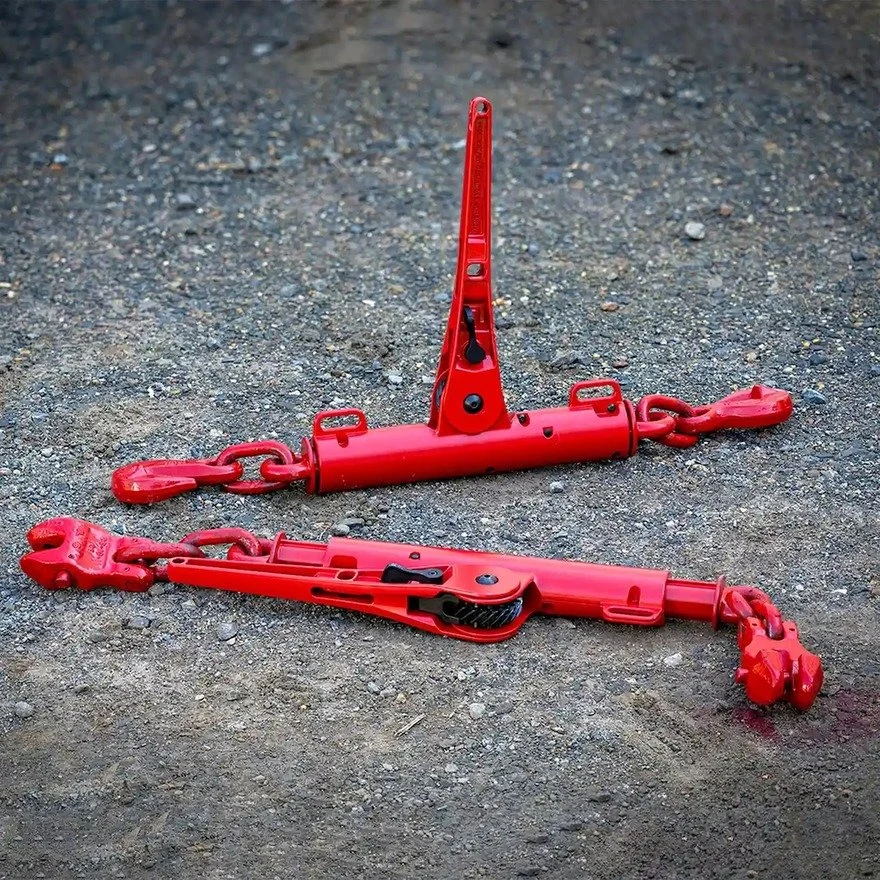
Thursday saw the introduction of Flip, a modular public seating system by the design firm OMI. The system’s flappable, flexible nature addresses the evolving needs of urban public spaces, which require adaptability to accommodate fluctuating crowds. Concurrently, the Bulldog Binder was presented as a case study in evolutionary design. By analyzing the common failure points of the standard ratchet binder, the designers were able to improve upon a classic industrial tool, proving that even the most "solved" objects are ripe for re-engineering.
September 11: High-Performance and High-Torque
The week concluded with a collision of high-octane inspiration and practical consumer solutions. The Maniac Chair from Oilstainlab brought the raw energy of automotive design into the living space, utilizing materials and forms usually reserved for the track. To balance this high-concept entry, the week wrapped with the release of Skil’s powered hex key set. This tool is perhaps the most significant consumer-facing advancement of the week, addressing the repetitive, wrist-straining motion inherent in assembly, thereby transforming the "Ikea experience" from a physical chore into a streamlined task.
Supporting Data: Why These Improvements Matter
The value of these design updates is best understood through the lens of human-centered efficiency. For instance, the clamp-based tape dispenser featured at the end of the week serves as a critical reminder that even established "great designs" often suffer from basic functional oversight. When a dispenser requires two hands to operate effectively, it fails in its primary purpose—improving workflow.

In the case of the Skil powered hex key, the data points toward a clear market demand: consumer fatigue. As "ready-to-assemble" furniture becomes the global standard for domestic living, the physical barrier to entry—manual tightening of hundreds of bolts—has become a significant friction point. By mechanizing this process, Skil is not just selling a tool; they are selling a reduction in user attrition during the assembly process.
Furthermore, the Oilstainlab Maniac Chair provides a counter-data point regarding the role of aesthetics. In an increasingly digital world, the demand for "tactile, automotive-inspired" furniture speaks to a desire for objects that possess weight, history, and visual aggression.
Official Responses and Industry Sentiment
Industry response to this week’s developments has been overwhelmingly positive, particularly regarding the ShiftLens project. Leading 3D-printing forums have hailed the technology as a potential game-changer for the packaging and display industries.

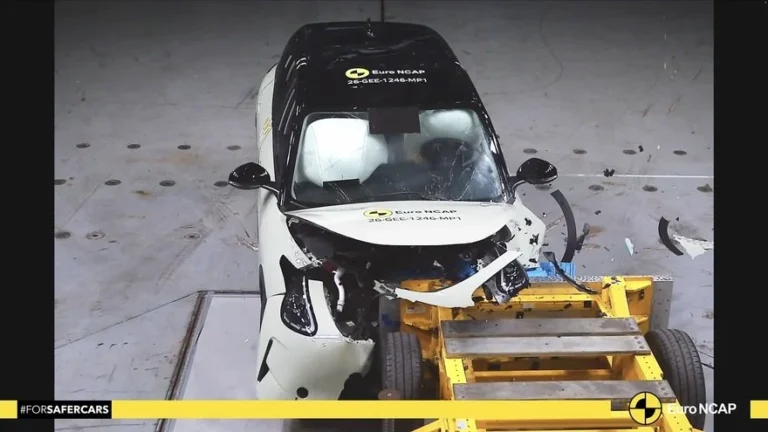
Regarding the "King of the Hill" racing style—a new, "crazy-ass" American competitive format—the automotive design community has remained largely amused but intrigued. The rise of such niche, high-risk racing styles often necessitates new safety and vehicle design requirements, which in turn fuels the R&D cycles for automotive designers. It is a cycle of innovation driven by adrenaline and the need for structural survival.
Designers like Mauricio Romano, whose linkage-based clocks were highlighted, have noted that the goal of their work is to "demystify the mechanical." By exposing the linkages that drive the timekeeping, Romano invites the user to interact with the clock as a living, moving entity rather than a black-box appliance.
Implications: Where Design Is Heading
What do these disparate developments tell us about the future of design?

- The Rise of the "Micro-Solution": We are entering an era where designers are focusing on the "micro-pain points" of daily life. Whether it is sauce packets or tape dispensers, the focus is on perfecting the small interactions that populate our day.
- Modular Adaptability: The Flip seating system and the VacQube underscore a broader trend toward modularity. As living and working spaces become smaller and more fluid, the objects within them must be equally agile.
- Cross-Pollination of Industries: The Maniac Chair is a harbinger of a trend where automotive design languages will increasingly infiltrate the home. Expect to see more carbon fiber, hydraulic linkages, and industrial finishes in domestic furniture.
- The Democratization of Prototyping: With technologies like ShiftLens becoming more accessible, the barrier for designers to create complex optical and structural pieces is lowering. We are moving toward a future where the distinction between a "designer" and a "manufacturer" is increasingly blurred.
Final Thoughts
The Core77 roundup for this week demonstrates that industrial design is in a state of healthy, restless evolution. We are witnessing a transition away from the purely decorative toward a design philosophy that prioritizes the longevity of the object and the comfort of the user. As we look toward the final quarter of 2026, it is clear that the designers who succeed will be those who can marry the raw power of mechanical innovation with the subtle, empathetic touch required to solve the daily inconveniences of the modern user.
Whether it is through a powered hex key or a rethink of a ratchet binder, the message is clear: Nothing is finished, and everything is waiting to be made better.
About the Author