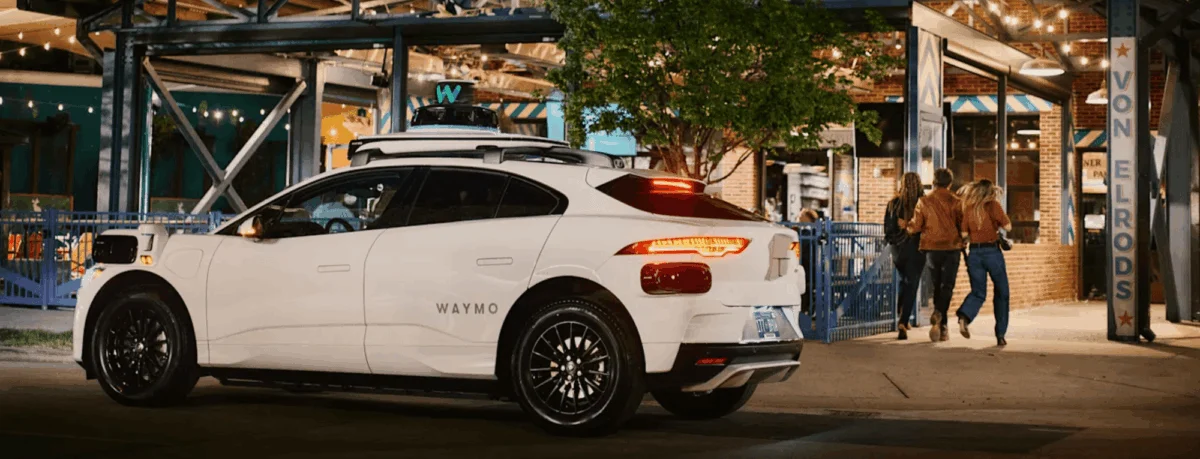
The landscape of urban transportation is undergoing a seismic shift as Lyft and Waymo announce a landmark integration in Nashville, Tennessee. Starting this week, travelers and residents using the Lyft ride-hailing application have the option to summon a fully autonomous Waymo vehicle for their transit needs. This strategic partnership represents a significant milestone in the commercialization of self-driving technology, marking the first time Waymo vehicles have been integrated into both the dedicated Waymo app and the broader Lyft ecosystem simultaneously.
As the program begins, users requesting a ride in central Nashville—spanning categories including Standard, Priority Pickup, Wait & Save, and Extra Comfort—may be matched with a driverless Waymo vehicle. This integration is designed to be seamless, requiring no additional cost to the consumer, and is scheduled for a phased expansion across the Nashville metropolitan area in the coming weeks.
The Technical Infrastructure: Powering the Driverless Fleet
The logistics behind this autonomous rollout are managed by Flexdrive, a Lyft subsidiary specializing in sophisticated fleet management. To support the technical requirements of an autonomous fleet—which necessitates specialized maintenance, sensor calibration, and deep-cleaning protocols—Flexdrive is unveiling a massive, purpose-built 80,000-square-foot depot in Nashville this October.
This facility acts as the nerve center for the operation. While the vehicles operate autonomously on the road, the "human-centered" nature of the maintenance cycle is critical. These depots ensure that Waymo’s Jaguar I-PACE vehicles remain in peak operational condition, facilitating the complex charging and diagnostic routines required to maintain high uptime in a busy urban environment like Nashville.
Chronology: A Trajectory Toward Autonomy
The path to this launch was not an overnight endeavor. The integration follows years of testing, regulatory lobbying, and infrastructure development.
- The Early Phase: Waymo, an Alphabet company, initially focused on dense urban testing in Phoenix, San Francisco, and Los Angeles. These "early adopter" markets allowed the company to refine its LiDAR, radar, and camera sensor suites in varied weather conditions and complex traffic patterns.
- The Partnership Agreement: Recognizing that scaling autonomous technology requires a massive user interface, Waymo and Lyft entered into a strategic collaboration aimed at utilizing Lyft’s established marketplace to provide demand for autonomous fleets.
- Infrastructure Preparation: Throughout 2024, the focus shifted to Nashville. The identification of a site for the 80,000-square-foot Flexdrive facility was the precursor to the public launch, signaling to regulators and stakeholders that the physical footprint for fleet management was ready.
- The Launch: As of today, the service is officially live. The rollout is being monitored in real-time, with data being collected on wait times, vehicle utilization, and rider feedback to inform the upcoming geographical expansion of the service area.
Supporting Data: Why Nashville?
Nashville serves as a strategic "hub" for this expansion for several key reasons. As a rapidly growing metropolitan area characterized by high tourism, a vibrant nightlife, and a central business district that experiences heavy influxes during events, the demand for point-to-point transportation is constant and elastic.
Market Dynamics and User Adoption
The integration into Lyft’s existing app is calculated to lower the barrier to entry for autonomous rides. By incorporating Waymo into the standard ride-hailing flow, Lyft is essentially "normalizing" the autonomous experience. Data from existing markets suggests that riders are increasingly comfortable with the concept of driverless transit, provided it is integrated into a platform they already trust.
The Hybrid Model
The current deployment strategy relies on a hybrid network. In this model, autonomous vehicles serve as a "supporting layer" to the existing workforce of human drivers. This is essential for balancing supply and demand. During peak hours or in areas where autonomous vehicles may be restricted by weather or road complexity, the human-driven fleet ensures that the service remains reliable.
Official Responses: The Human-Centered Vision
The rollout has sparked significant conversation regarding the future of labor in the gig economy. Lyft, cognizant of these concerns, has been careful to frame the autonomous integration as a collaborative, rather than replacement, effort.
"Nashville is a hub for travelers, event goers, and visitors, and our drivers here deliver a level of hospitality and service I’m incredibly proud of," said Yuko Yamazaki, Head of Driver at Lyft. "Demand in this city keeps climbing, and I believe we’re strongest in serving more riders when autonomous vehicles and human drivers grow side by side."
This rhetoric highlights the company’s "human-centered autonomous future" philosophy. Lyft emphasizes that riders always retain the agency to opt out of an autonomous ride entirely. By providing a "toggle" or the ability to decline a Waymo match, the company ensures that consumer comfort remains the priority. The goal is to provide enough capacity to ensure that nobody is left waiting, whether that ride is provided by a human professional or an autonomous algorithm.
Implications for the Future of Urban Transit
The arrival of Waymo on the Lyft platform in Nashville serves as a bellwether for the rest of the United States. If successful, this model provides a blueprint for other mid-sized cities to integrate autonomous technology without the need for massive, disruptive infrastructure overhauls.
Impact on Urban Congestion
Advocates for autonomous transit argue that, in the long term, these vehicles will be more efficient at navigating traffic and parking, potentially reducing the number of idle vehicles circling for spaces. However, critics point out that the ease of hailing a ride might increase the overall number of vehicles on the road, potentially worsening congestion if not managed correctly. The data harvested in Nashville will be critical in resolving this debate.
Economic and Regulatory Shifts
From a regulatory standpoint, the partnership signals a maturing environment. States are increasingly comfortable with testing programs, provided they operate within a framework of safety and transparency. The success of this launch will likely encourage other municipalities to streamline their permitting processes, further accelerating the adoption of self-driving technology.
The Future of the Gig Economy
For the millions of individuals who rely on gig work for income, the integration of autonomous vehicles raises inevitable questions about job displacement. Lyft’s argument—that autonomous vehicles represent a "supporting layer"—is intended to mitigate these fears. The company suggests that by handling the high-frequency, low-complexity trips, autonomous vehicles can actually make the ride-hailing market more efficient, potentially allowing human drivers to focus on higher-value or more complex trips where human interaction and navigation are still preferred.
Conclusion: A New Standard for Transit
The integration of Waymo into the Lyft app in Nashville is more than just a tech-industry novelty; it is a profound change in the way we view urban mobility. By combining the navigational precision of Waymo’s autonomous systems with the massive user base and logistical prowess of Lyft, the partnership is setting a new standard for how modern cities will function.
As the 80,000-square-foot Flexdrive depot begins full-scale operations, all eyes will be on Nashville. If this hybrid model of human drivers and autonomous fleets can prove itself to be safe, reliable, and popular among the general public, it is almost certain that we will see similar rollouts in major cities across the country. The transition to a "human-centered autonomous future" is no longer a distant vision; it is a present-day reality, evolving on the streets of Tennessee, one ride at a time.
About the Author