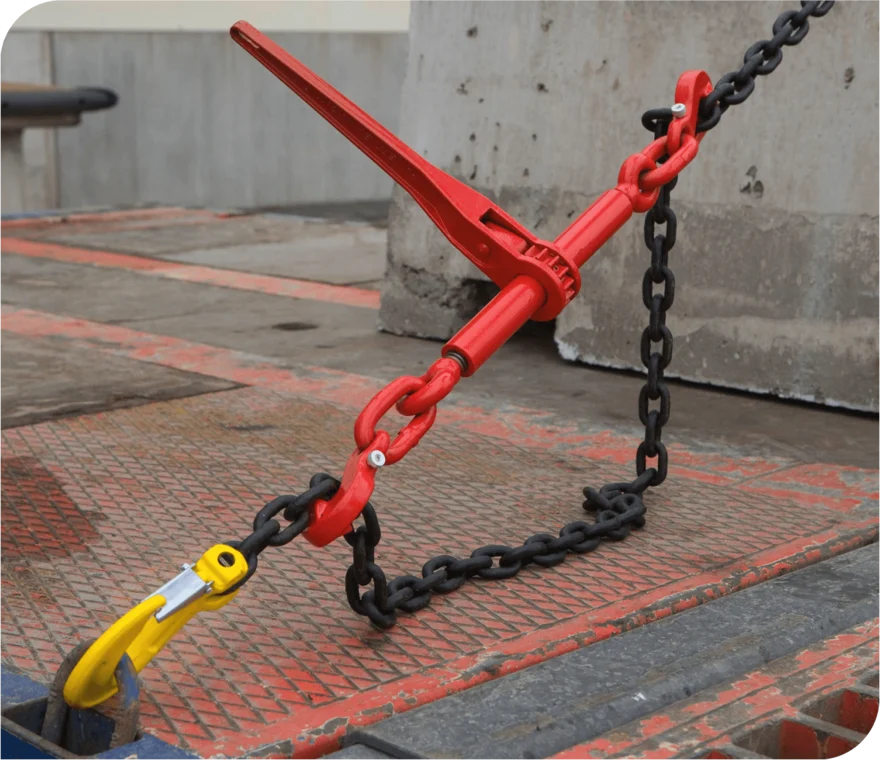
In the high-stakes world of heavy haulage, the difference between a secure load and a catastrophic road accident often comes down to the reliability of a single piece of equipment: the ratchet binder. For decades, the industry has relied on a standardized, albeit flawed, design to tether heavy machinery—such as tractors, excavators, and backhoes—to flatbed trailers. However, the inherent risks associated with these legacy tools have long been an "open secret" among truckers.
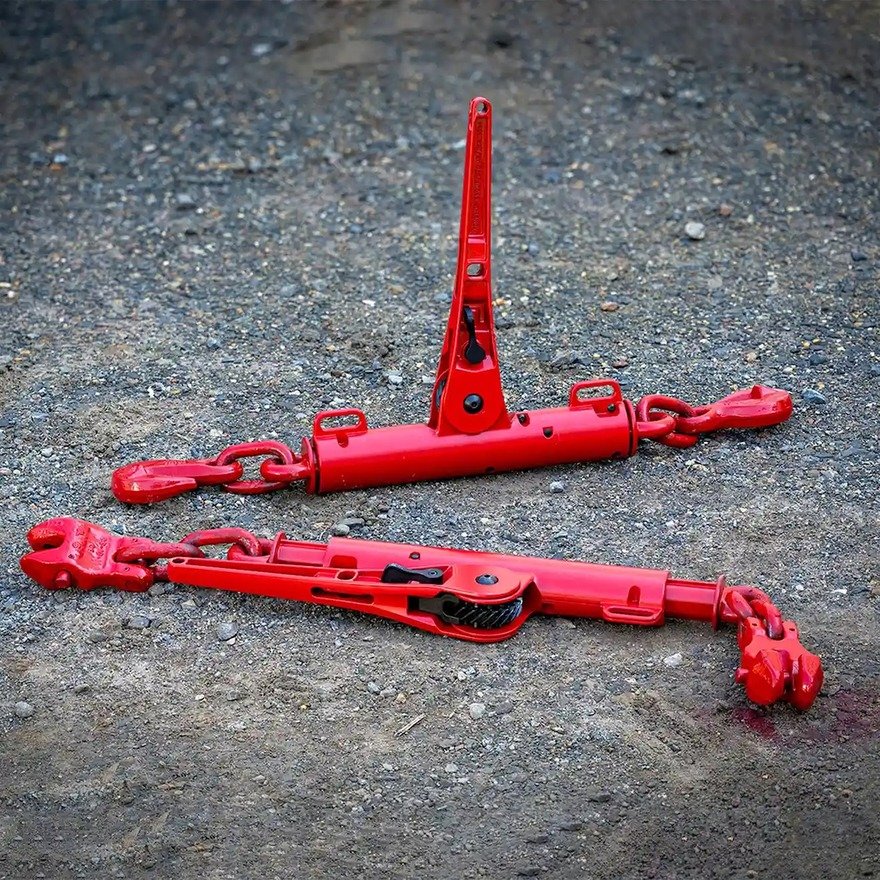
Now, a transformative innovation known as the "Bulldog Binder" promises to overhaul safety standards. Born from a painful personal experience, this new device represents a paradigm shift in mechanical design, replacing outdated, dangerous mechanics with a linear, enclosed system that prioritizes user safety without sacrificing tensioning power.
The Hazards of the Incumbent Design
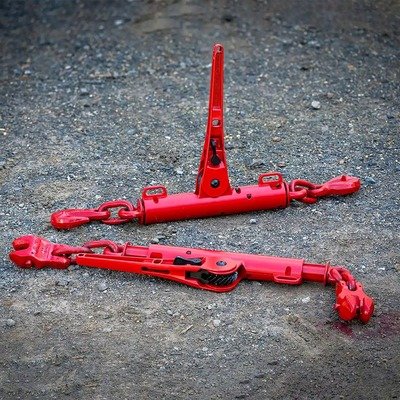
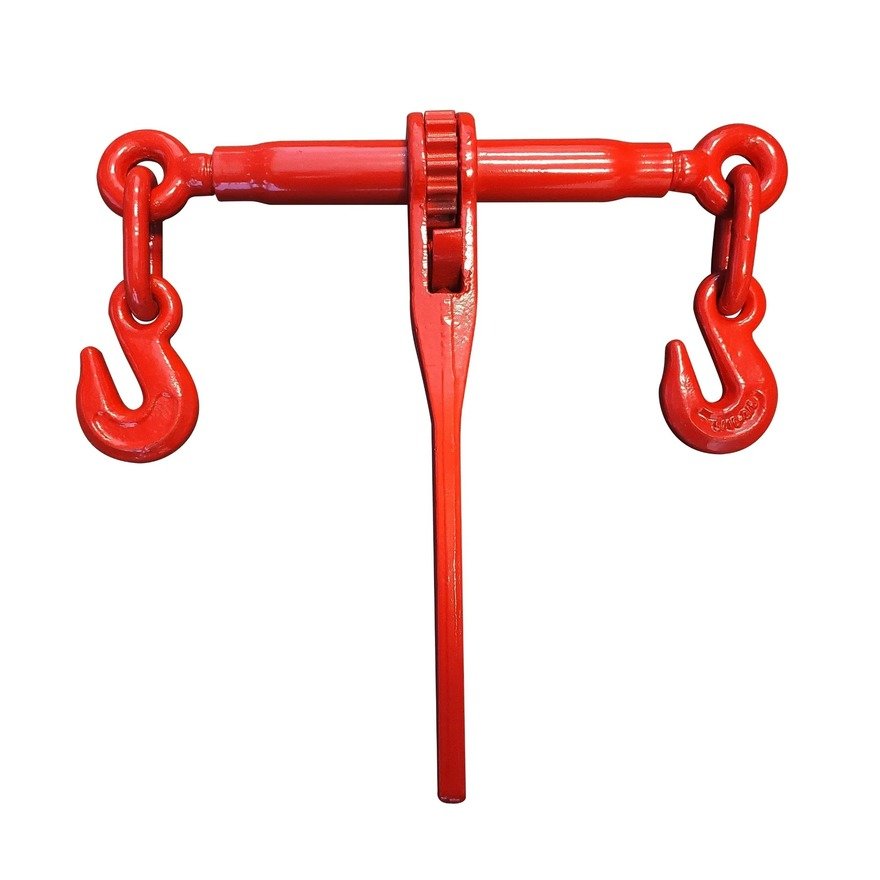
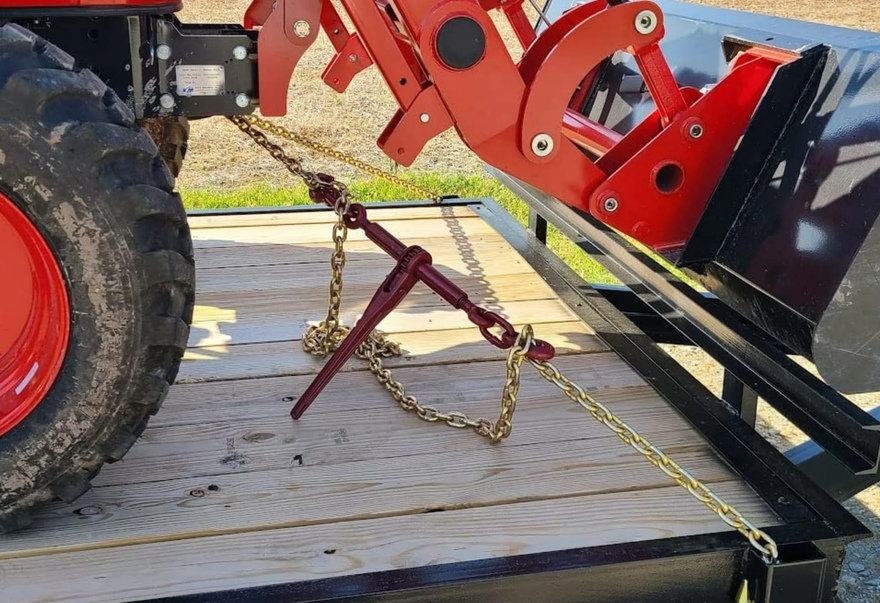
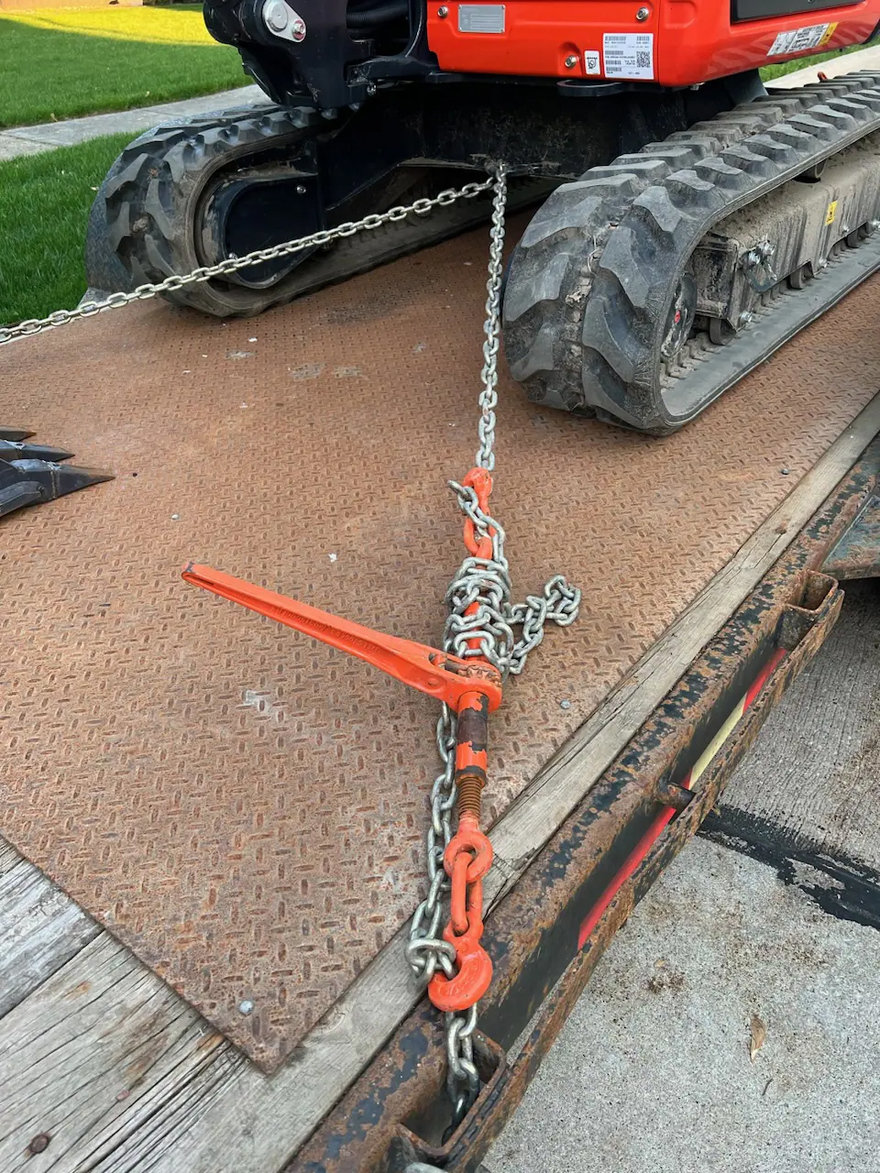
The conventional ratchet binder is a tool of brute simplicity. It functions by using a central, rotating shaft that draws threaded eyelets together, effectively tightening the chain attached to a load. While functional, the traditional design suffers from two critical mechanical shortcomings that have plagued the industry for generations.
The Perils of Perpendicular Tension
The most dangerous flaw in the standard binder lies in its geometry. The handle’s range of motion operates perpendicular to the line of the chain. This orientation creates a torque-induced phenomenon: as the user applies force, the chain naturally seeks to twist or "bind up." This generates a build-up of potential energy that is not only difficult to manage but inherently volatile.
If a trucker loses their grip on the handle during this process, the sudden release of tension causes the tool to recoil with violent force. This "recoil effect" has sent many seasoned drivers to the emergency room, as a heavy metal bar swinging at high velocity is a recipe for severe injury.
Environmental Degradation and Mechanical Failure
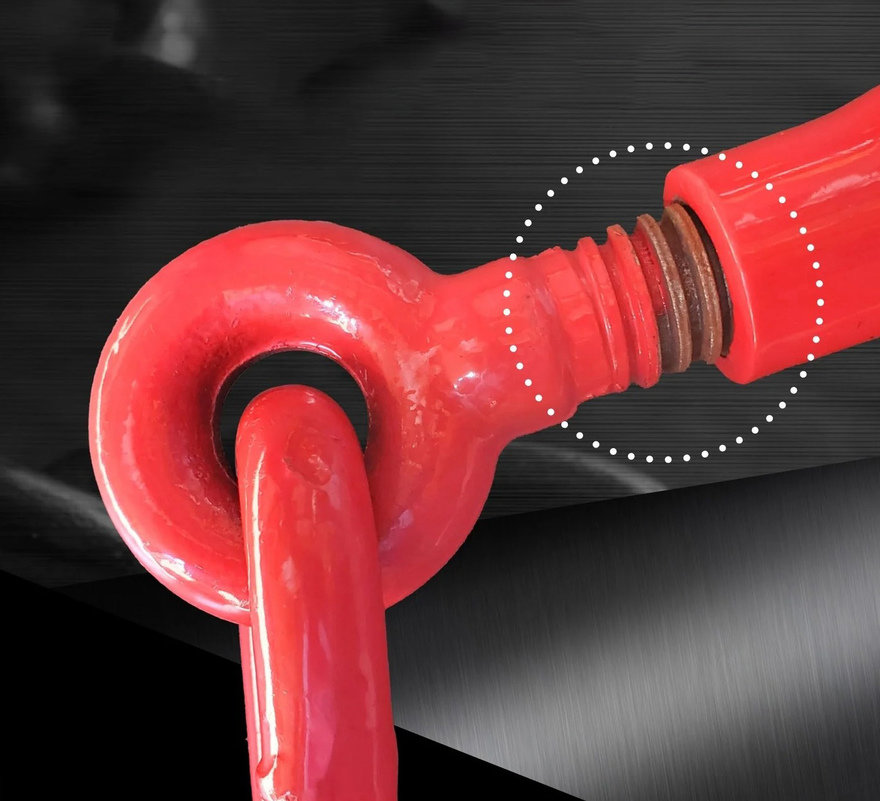
Beyond the immediate risk of physical trauma, the legacy design is poorly suited to the harsh realities of the open road. The threads on the eyelets are fully exposed to the elements. Over thousands of miles, these threads become clogged with road debris, salt, grease, and grime. This exposure leads to rapid corrosion, reducing the tool’s structural integrity and making it difficult—or even impossible—to tighten or release the binder under load.
A Catalyst for Change: The Justin Clein Story
The impetus for the Bulldog Binder did not come from a clean-room laboratory, but from the front lines of the trucking industry. Justin Clein, an Australian long-haul trucker with years of experience, understands the daily physical tolls of the job. His commitment to redesigning the binder was solidified by a near-catastrophic accident: a failure of a standard binder resulted in the handle striking his head with such force that he required 20 stitches.
Rather than accepting this as an unavoidable occupational hazard, Clein sought to solve the problem at its source. He recognized that the industry was overdue for an engineering intervention. Clein’s approach was simple yet ambitious: he wanted a binder that wouldn’t fight the user, wouldn’t recoil, and wouldn’t succumb to the environment.
Engineering the Solution: Ingenuity Design Group
To translate his vision into a manufacturable reality, Clein partnered with the Australian-based firm Ingenuity Design Group. The collaboration focused on two primary mechanical objectives: realigning the handle’s force and sealing the internal components.
The Power of Linear Ratcheting
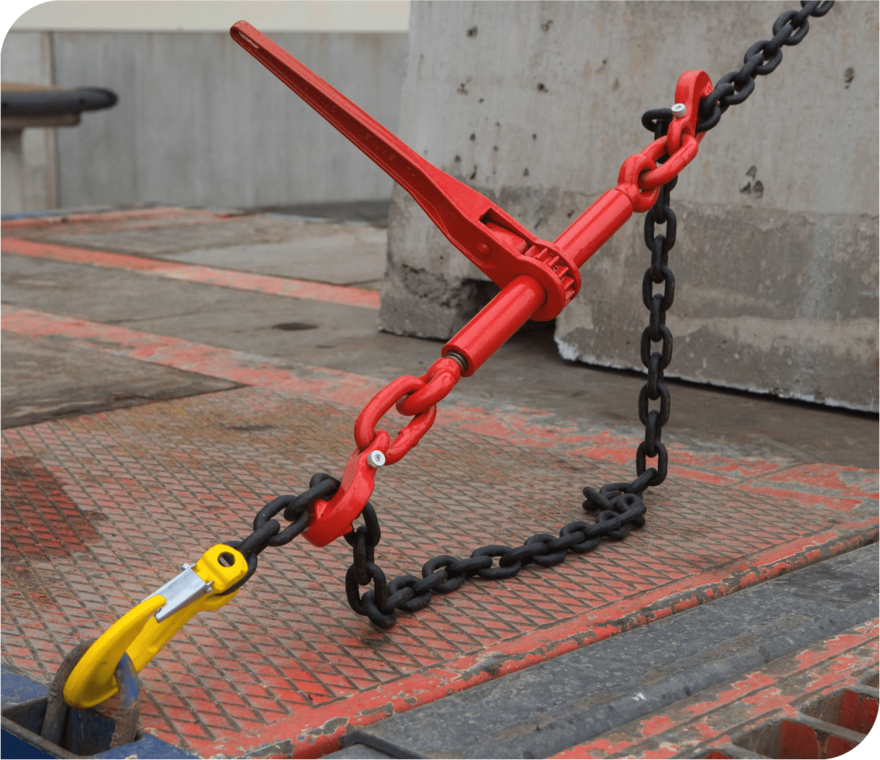
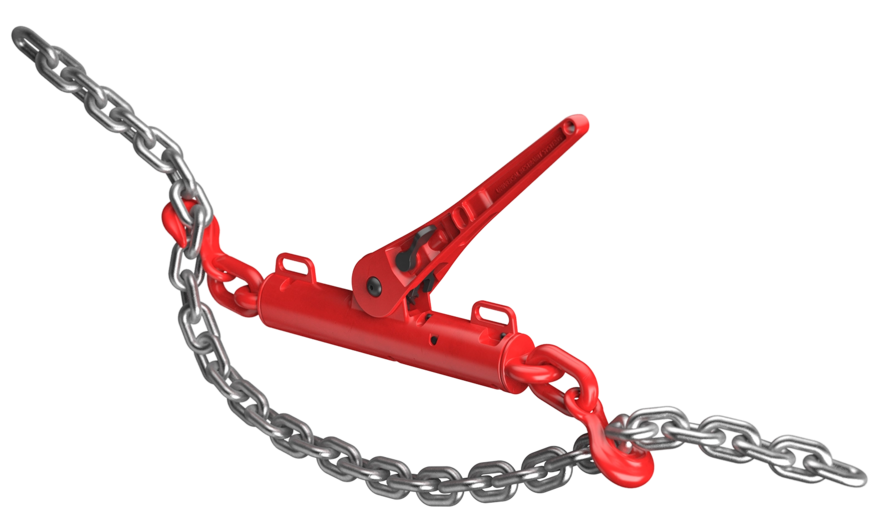
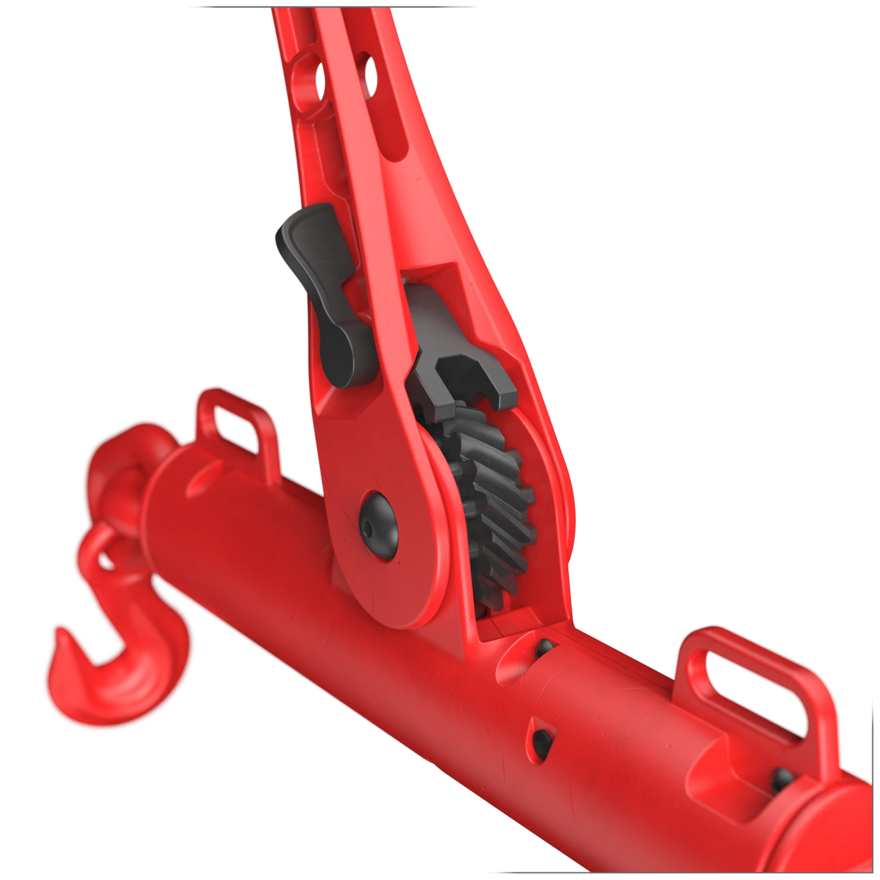
The breakthrough innovation of the Bulldog Binder is the implementation of helical gearing. By shifting the handle’s operation to be in-line with the chains—a world-first for a load binder—the team effectively neutralized the twisting force that caused the dangerous recoil in legacy models. Because the handle now pulls linearly, the chain remains stable throughout the tightening process, eliminating the potential for stored, kinetic energy to discharge in a harmful direction.
A Sealed, Maintenance-Free Housing
The second pillar of the Bulldog Binder’s design is its environmental resilience. By concealing the threaded eyelets within a sealed, robust housing, the design team has effectively "bulletproofed" the mechanism against road grit and corrosion. This not only extends the service life of the tool but ensures that the binder remains reliable and easy to operate, even after years of exposure to snow, mud, and dust.
Industry Reception and Global Expansion
While the project originated in Australia, its potential is clearly global. Clein took the bold step of introducing the Bulldog Binder to the United States market at the prestigious Mid-America Trucking Show. The response from the American logistics and heavy haulage community was overwhelmingly positive.
Industry veterans, often skeptical of "gimmicky" upgrades to essential tools, found the Bulldog Binder to be a rare case of genuine functional improvement. Universal Restraint Systems, the company founded by Clein to bring the binder to market, is currently scaling its distribution operations to meet the anticipated demand from independent owner-operators and large-scale logistics fleets alike.
Implications for Future Road Safety
The introduction of the Bulldog Binder signals a broader trend in industrial design: the modernization of "legacy" tools. In many sectors, equipment design has remained stagnant for decades simply because "it’s how it’s always been done." The success of the Bulldog Binder suggests that there is a massive appetite for tools that prioritize ergonomics and user safety alongside raw performance.
Regulatory and Insurance Impacts
As the Bulldog Binder gains traction, it is likely to influence insurance standards and safety regulations. Insurance providers often mandate the use of certified, high-quality load securement equipment. A device that significantly lowers the probability of workplace injury—and the resulting workers’ compensation claims—is likely to become a preferred piece of equipment in the eyes of fleet managers and safety inspectors.
Setting a New Benchmark
Beyond the immediate utility, the Bulldog Binder serves as a case study in the importance of listening to end-users. The transition from an exposed, perpendicular mechanism to an enclosed, linear one is a masterclass in applying modern mechanical engineering to solve long-standing safety deficits.
As Universal Restraint Systems continues to roll out the product, the focus will shift toward long-term field performance. If the Bulldog Binder holds up to the rigors of transcontinental hauling as well as its design suggests, it may well render the traditional ratchet binder obsolete within a generation.
Conclusion
The story of the Bulldog Binder is more than just an account of a new product; it is a narrative of resilience and innovation. By transforming a personal injury into a catalyst for engineering excellence, Justin Clein and the Ingenuity Design Group have provided a tangible solution to a perennial problem. In the dangerous world of heavy haulage, where the margin for error is razor-thin, the Bulldog Binder represents a significant step forward in ensuring that every load reaches its destination securely, and every driver returns home safely.
As the industry looks to the future, the Bulldog Binder stands as a testament to the idea that no tool is so simple that it cannot be improved, and no safety hazard is so "normal" that it should be accepted as a cost of doing business.
About the Author