In the corridors of the Department of Health and Human Services (HHS), a profound ideological and demographic transformation is underway. The "Make America Healthy Again" (MAHA) movement, which captured the American imagination during the 2024 election cycle, was built on the backs of wellness-focused mothers and grassroots organizers concerned with toxic food additives, microplastics, and the pervasive presence of pesticides like glyphosate in the American diet. Yet, as the movement has ascended from the periphery to the heights of federal power, its public face—and its policy priorities—have undergone a distinctly masculine pivot.
What began as a kitchen-table crusade for cleaner food has, under the current administration, morphed into an institutionalized project characterized by an obsession with protein, testosterone, and "manosphere" aesthetics, often at the expense of the systemic agricultural reforms that originally energized the movement’s base.
A Chronology of the MAHA-MAGA Alliance
The trajectory of the MAHA movement is marked by a series of high-stakes political maneuvers.
- Pre-2024: The movement gestated within the "wellness" ecosystem, gaining traction on social media as women shared concerns about chronic illness, ultra-processed "Frankenfoods," and the lack of transparency in the food supply.
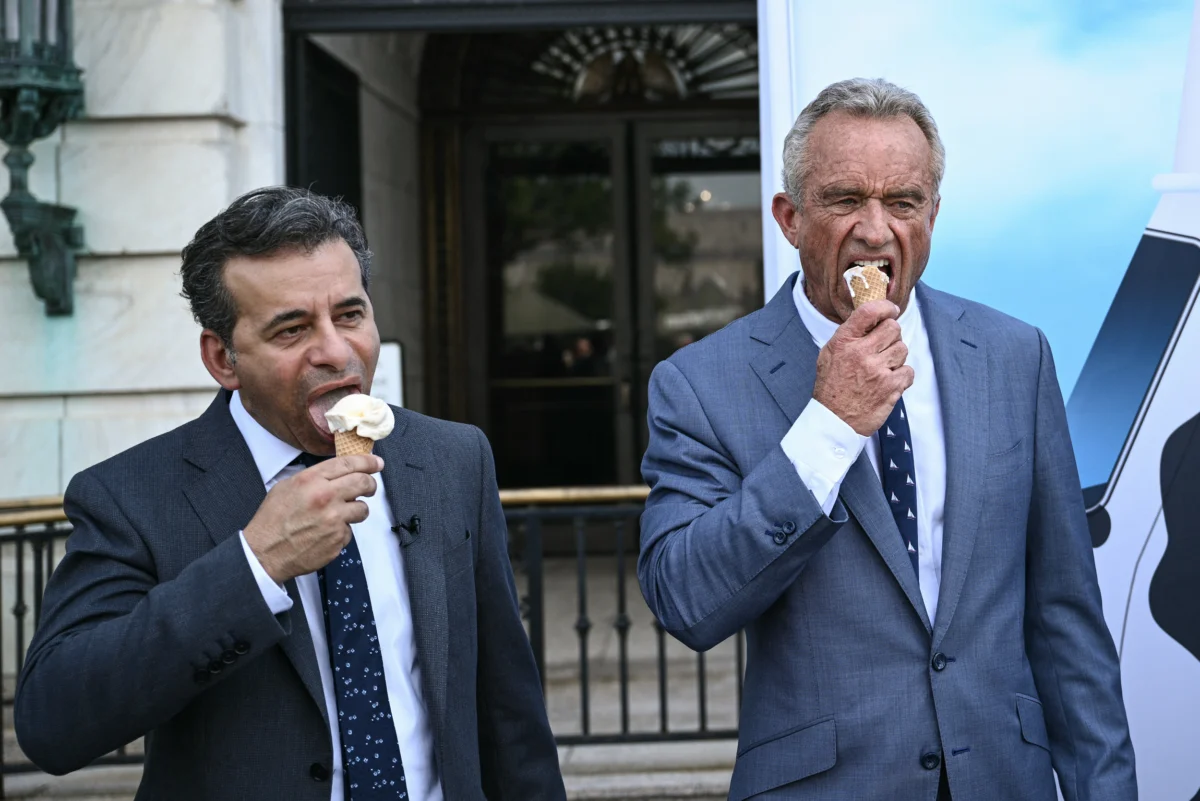
- August 2024: Following a series of personal tragedies and political shifts, Robert F. Kennedy Jr. suspended his independent presidential bid and threw his support behind Donald Trump. This alliance formalized the MAHA-MAGA coalition, bringing a dedicated, health-conscious voting bloc into the Trump orbit.
- February 2026: During the Super Bowl, a jarring advertisement featuring Mike Tyson eating a raw carrot and denouncing "obese, fudgy people" signaled the arrival of "manly MAHA." The ad directed viewers to RealFood.gov, the site for a new, inverted food pyramid that prioritized meat, protein, and dairy over whole grains.
- Mid-2026 to Present: A series of cabinet appointments—including Dr. Mehmet Oz at CMS and Dr. Jay Bhattacharya at the NIH—solidified the shift. While women like Kelly Ryerson continued to advocate for systemic change, the legislative and regulatory agenda began to focus heavily on male-centric health metrics and deregulation of the chemical industry.
The Protein Obsession and the "Manosphere" Influence
At the heart of the current MAHA policy shift is a fixation on protein that transcends simple nutrition. Critics and observers suggest this is a calculated attempt to align the movement with the anxieties of the "manosphere," where the consumption of red meat is increasingly treated as a symbol of reclaimed masculine vitality.

Samantha King, a professor at Queen’s University and co-author of Protein: The Making of a Nutritional Superstar, argues that the current rhetoric is a "dog whistle" for a perceived war on traditional masculinity. "There’s been a steady drumroll of protein boosterism by characters in the manosphere who trade in ideas that masculinity is in decline and under attack," King explains.
This is not merely anecdotal. The administration’s policy decisions have begun to mirror this cultural obsession. The inversion of the food pyramid, championed by Kennedy, was framed as the end of a "war on protein." Simultaneously, the administration has moved to prioritize testosterone therapy and infertility programs focused on male sexual health, often at the direct expense of existing HHS programs that provided crucial postpartum support and infant mortality reduction services.
Supporting Data: Where the Priorities Lie
The shift from the "mom-led" grassroots to the "man-led" bureaucracy is evidenced by the stark change in resource allocation.
When HHS announced its five new agency leaders to advance MAHA goals, four were men. The appointment of Admiral Brian Christine as assistant secretary for health—a man with a staunch anti-abortion stance—brought the administration’s focus squarely onto traditionalist agendas.

According to data analyzed by policy researchers, the recent Title X guidance released by the department serves as a case study in this shift. In a document outlining federal family planning, "chronic disease" is mentioned 14 times, while "contraception"—the core purpose of the program—is mentioned only once. Recent reports indicate that the Office of Minority Health has had over half of its grants canceled to fund programs focused on male infertility and erectile dysfunction.
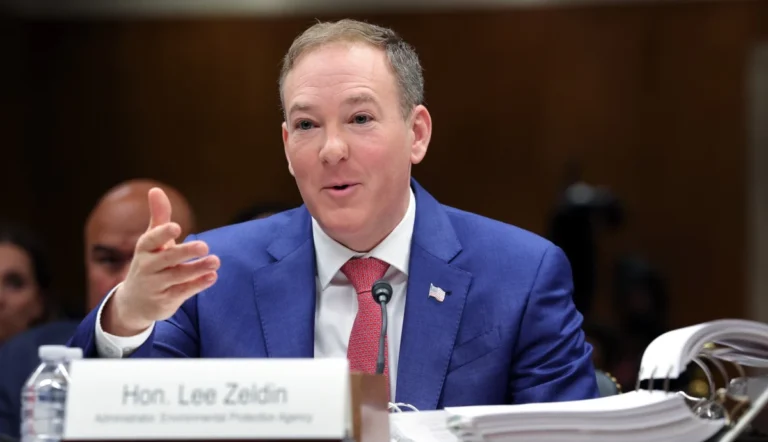
Furthermore, while the movement originally campaigned on taking down Big Ag, the administration’s actions on glyphosate have been conciliatory to industry giants. Despite Trump’s executive order labeling glyphosate a matter of "national security," the EPA, under industry-friendly leadership, has dismantled the office responsible for research into toxic chemicals.
Official Responses and the "Silent" Majority
The administration maintains that its focus on "root causes" of disease—including diet, exercise, and metabolic health—is a holistic approach that benefits all Americans. Proponents argue that by focusing on testosterone and male metabolic health, they are addressing a "hidden crisis" of declining health in men that has been ignored by the medical establishment for decades.
However, the grassroots women who built the movement are beginning to voice their dissatisfaction. Kelly Ryerson, known as "Glyphosate Girl," remains a steadfast supporter of Kennedy, yet she admits that the administration’s recent moves—particularly their support for Bayer in the Supreme Court weed-killer case—are "deeply, deeply devastating."

"I feel that I really represent this massive group of women who have either their family member, their child, or they themselves have been struggling with some kind of chronic illness," Ryerson says. "We are still dictating this from the grassroots. If what we want isn’t happening, then they won’t win reelection."
Implications for the Midterms and 2028
The political stakes are immense. If the Republican party fails to deliver on the food-safety and chemical-regulation promises that mobilized MAHA women, they risk alienating a critical demographic.
Political science professor Monika McDermott notes that MAHA fits a traditional MAGA vision where "women are figureheads and can do things about the family, but the experts are still the masculine figures." This gendered division of labor may work in the short term, but it leaves the coalition vulnerable.
Conservative organizers like Alex Clark have issued warnings to their own party: "I believe that we won 2024 because of these women; I believe if these women are ignored, we’re going to lose the midterms, and I believe we will lose 2028."

The Democratic Party, meanwhile, faces its own dilemma. While many Democrats are wary of the "quackery" often associated with MAHA’s more fringe elements, the core of the movement—concerns over pesticides, food additives, and corporate control of the food supply—are historically progressive issues. Maine Rep. Chellie Pingree has been one of the few to break ranks, arguing that these concerns are universal rather than partisan.
Conclusion: A Movement at a Crossroads
The MAHA movement represents a fascinating, if unstable, intersection of wellness culture, anti-establishment populism, and traditionalist identity politics. By prioritizing the "manosphere" agenda over the systemic agricultural reforms that were the movement’s original catalyst, the current administration has placed itself in a precarious position.
The women of MAHA, who provided the early labor and the viral momentum that turned a niche concern into a national movement, are now forced to reckon with their place in the power structure they helped build. Whether they will continue to serve as the foot soldiers of a movement that prioritizes male-centric health goals, or whether they will defect to candidates who are willing to take on the chemical and food industries directly, remains the defining question of the upcoming election cycle.
The battle for the "toxic world" the movement seeks to exit is no longer just about the food on the plate; it is about who holds the power to define the solution—and whose health is deemed worthy of government protection. As the midterms approach, the MAHA coalition stands as a reminder that political alliances are as fragile as the ideologies they are built upon.
About the Author