The landscape of industrial design, architecture, and consumer technology is in a constant state of flux, balancing the tension between radical innovation and the preservation of human-centric utility. This week’s dispatch from the Core77 editorial desk highlights a diverse array of projects—from the democratization of digital privacy tools to the contentious debates surrounding automotive minimalism. As we reflect on the innovations presented between September 21 and September 25, 2026, a clear narrative emerges: designers are increasingly focused on solving granular, real-world problems through both high-tech interventions and the refinement of analog essentials.
Main Facts: A Week of Design Diversification
The week’s output centered on a core philosophical question: How can we improve the efficiency of daily life without sacrificing the tactile quality of the tools we use? Key developments included:
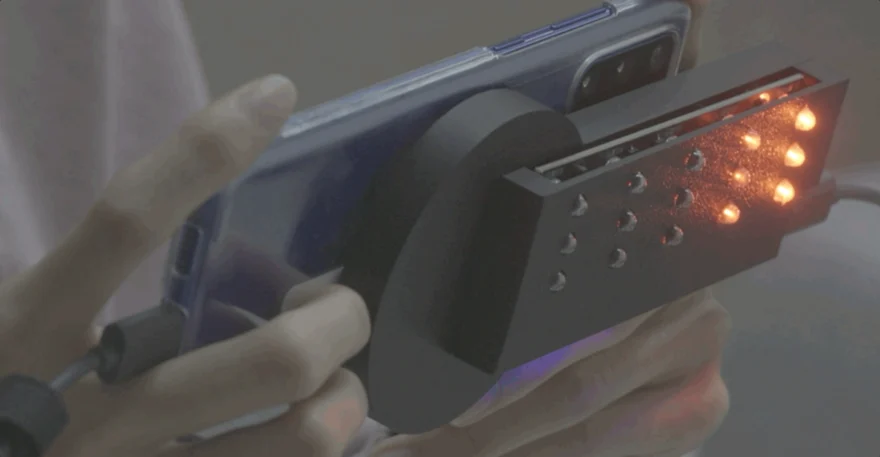
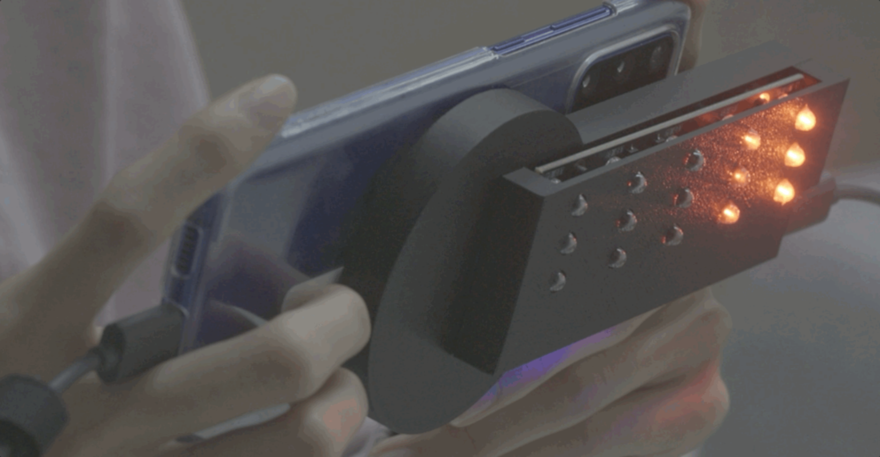
- Security Innovation: Researchers at KAIST have unveiled a smartphone-based solution for detecting hidden cameras, effectively democratizing personal security.
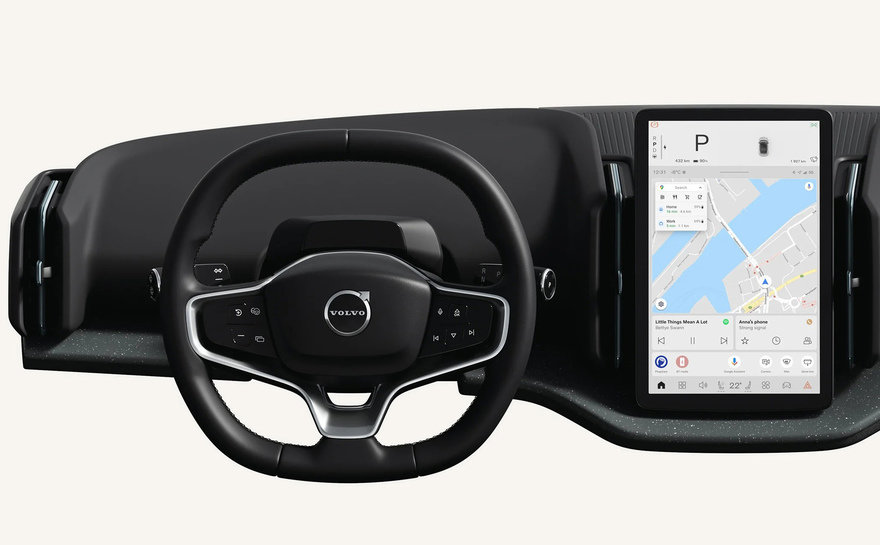
- Automotive Controversy: A critical look at the Volvo EX30’s dashboard design reignited the debate over whether modern "minimalism" is a genuine design choice or a cost-cutting measure that degrades user experience.
- The "Kintsugi" Approach to Architecture: A stunning project involving the restoration of a pre-Revolutionary War house using glass—rather than traditional masonry—demonstrates a modern interpretation of the Japanese art of golden repair.
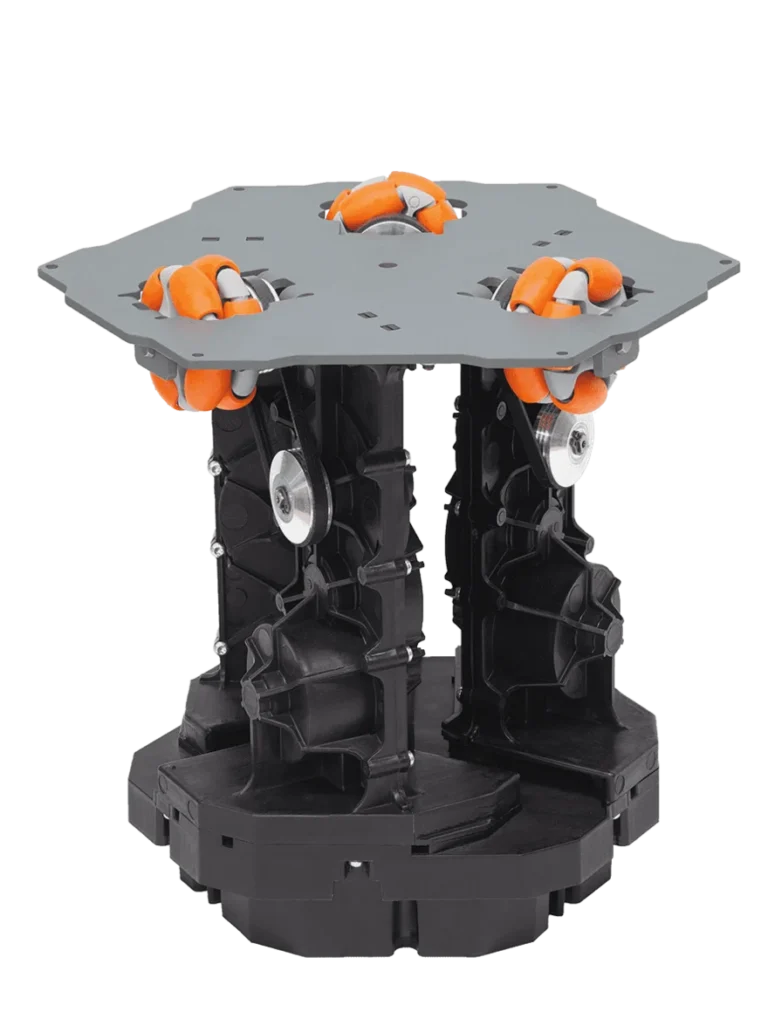
- Manufacturing Efficiency: The introduction of the Celluveyor signals a shift in industrial logistics toward modular, omnidirectional automation.
Chronology of Innovations
Early Week: Security and Precision
The week opened with a significant leap in consumer privacy. The KAIST team’s development of a smartphone-based hidden camera detector provides a low-cost, accessible safeguard against invasive surveillance. This was followed by a shift toward precision in the creative arts, as industrial designer Alberto Essesi introduced a new pen optimized for high-fidelity sketching, proving that even in a digital age, the tactile interface remains supreme.
Mid-Week: Logistics and Legacy
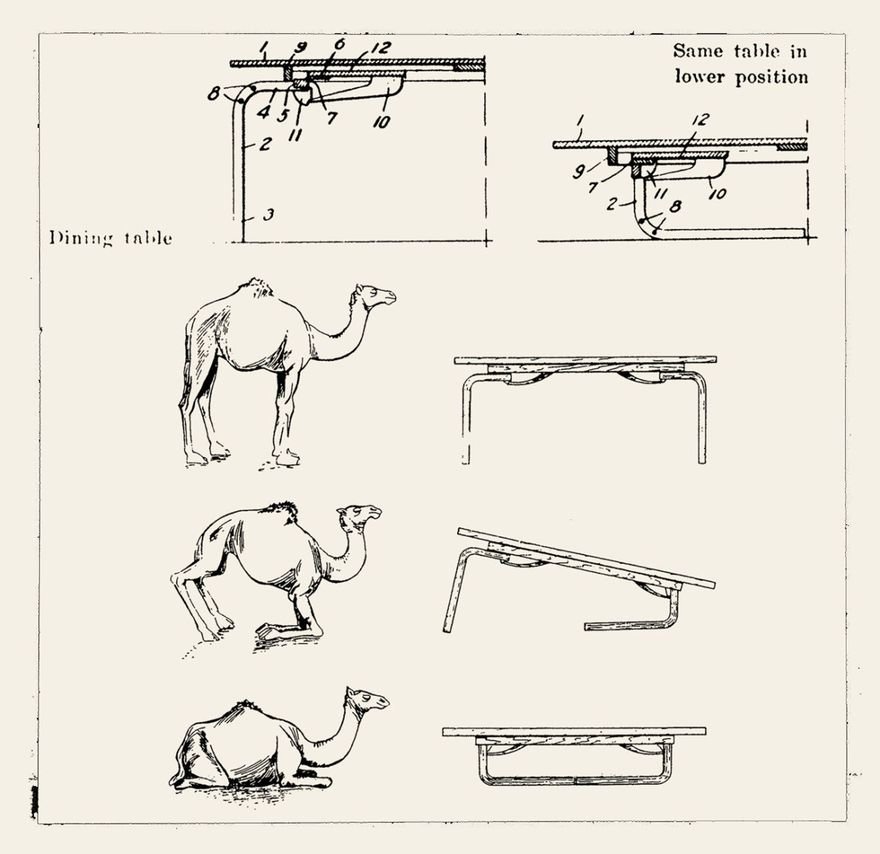
Mid-week saw a focus on systems and historical resonance. The Celluveyor made waves as a next-generation modular conveyor, utilizing advanced robotics to solve complex logistics challenges. Simultaneously, we revisited the mid-century brilliance of Richard Neutra’s "Camel Table"—a piece of transforming furniture that serves as a reminder that the "multi-functional" trend is anything but new. We also explored the UI of a 1940s stencil machine, a masterclass in functional, hardware-based user experience that remains effective eighty years later.
Late Week: Materiality and Radical Reimagining
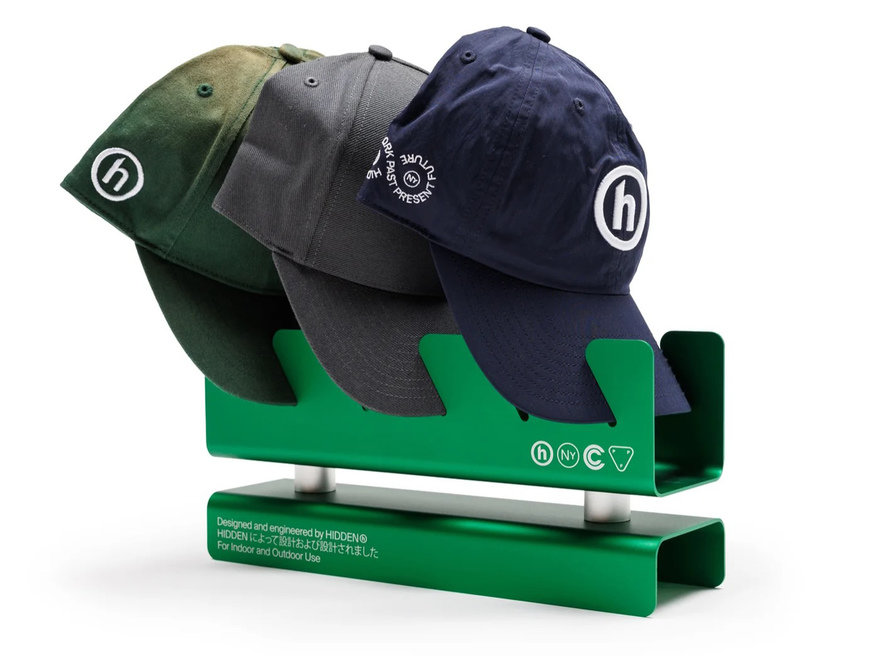
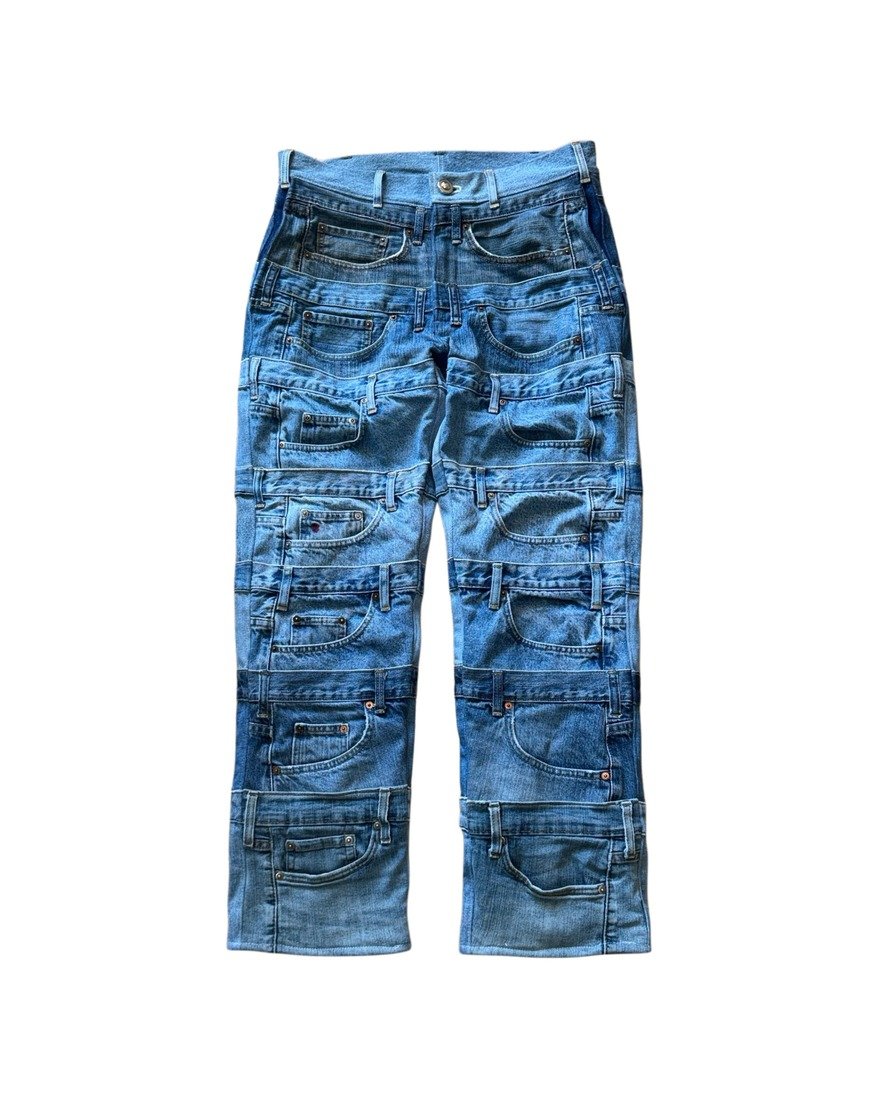
The latter half of the week leaned into material culture. We analyzed the social signaling of an anodized aluminum baseball cap holder, suggesting that our current product landscape often elevates mundane objects to status symbols. We also highlighted Cory Johnson’s "Infinite Pocket Jeans," which attempt to solve the perennial issue of storage, and explored a minimalist, low-cost Japanese sketchbook that champions paper-and-pen simplicity.
The week concluded with bold, experimental interventions. MSCHF’s "Motomorphosis"—a project involving the radical modification of Lexus vehicles—challenged the boundaries of automotive aesthetics. Meanwhile, Mafell introduced a high-performance, portable drilling station for timber framers, proving that tool design still has room for ergonomic revolution.

Supporting Data and Technical Context
The Security Gap
The KAIST hidden camera detection tool utilizes standard smartphone hardware (sensors and lenses) coupled with specialized image processing algorithms. The primary technical hurdle—detecting lenses in low-light, high-concealment environments—is mitigated by the software’s ability to recognize patterns associated with lens reflections, typically invisible to the naked eye.
Minimalist Backlash
The criticism leveled at the Volvo EX30 is representative of a growing "anti-minimalist" sentiment among UX designers. Data suggests that removing physical tactile feedback (buttons and knobs) in favor of screen-based interfaces—ostensibly to reduce material costs—often leads to higher cognitive load for drivers. Industry analysts note that while minimalist aesthetics align with premium branding, the practical application often results in a "feature stripping" process that frustrates the end-user.
Official Responses and Industry Discourse
The discourse this week was polarized, particularly concerning the intersection of brand identity and user interface.
- On Automotive Design: While Volvo maintains that the EX30’s interior is a response to the demand for clean, sustainable, and clutter-free environments, designers at Core77 have argued that this "minimalism" often masks a lack of investment in robust, driver-centric ergonomics.
- On Architectural Restoration: The glass-based kintsugi restoration project has received acclaim from the preservationist community. By using glass to fill voids in historic masonry, the architects have successfully created a visual distinction between the "original" and the "restoration," effectively treating the building as a living, evolving document rather than a frozen artifact.
- On Industrial Tools: The Mafell portable drilling station has been lauded for its departure from standard portable drills. By focusing on the specific leverage points and physical exertion required by timber framers, the designers managed to reduce vibration and increase accuracy—a clear case study in user-centric industrial design.
Implications for the Future of Design
The projects highlighted this week point to several broader trends that will likely define the design industry through 2027:
1. The "Human-in-the-Loop" Necessity
Whether it is the UI of a 1940s machine or the precision pen by Alberto Essesi, the market continues to demand tools that allow for direct, unmediated human control. As AI and automation continue to permeate every aspect of production, there is a counter-movement toward "analog-first" design, where the interface is tactile, predictable, and physically robust.
2. Sustainability vs. Cost-Cutting
The debate surrounding the Volvo EX30 serves as a cautionary tale. Sustainability is often used as a justification for removing complexity. However, true sustainability involves designing products that last longer and remain usable for decades. When minimalism is used as a shortcut to save on manufacturing costs—at the expense of the user’s ability to operate the vehicle—the "design" fails the test of long-term utility.
3. Modularity as the New Standard
The success of the Celluveyor and the ongoing interest in transforming furniture like the Camel Table suggest that modularity is the future of efficiency. In a world where space is at a premium and logistics are increasingly complex, the ability for a product or system to adapt to multiple configurations is no longer a "nice-to-have" feature; it is an economic necessity.
4. Preservation through Innovation
The kintsugi restoration project represents a paradigm shift in how we approach the past. Rather than trying to hide repairs with imitation materials, designers are using modern materials to highlight the history of a structure. This "honest" approach to restoration could change how we view urban development and the maintenance of our built environment.
Final Thoughts: The Responsibility of the Designer
As we look toward the remainder of the year, these developments remind us that the designer’s role is not merely to create objects, but to mediate the relationship between humans and their environments. Whether it is protecting someone’s privacy via a smartphone app or ensuring a timber framer can work with less fatigue, the most successful designs of this week were those that respected the user’s autonomy and physical reality.
The week of September 21–25, 2026, serves as a microcosm of the challenges we face: the need to integrate technology without losing the human touch, and the necessity of questioning whether "less" is actually "more," or if it is simply "less for the user." As designers, our task is to ensure that every removal of a button, every addition of a sensor, and every change in a material is done with the intent to empower the user, not to streamline the manufacturer’s bottom line.
About the Author