The landscape of industrial and product design is constantly shifting, defined by a tension between high-tech innovation and the essential, human-centered utility of the objects we use every day. This week, the design community has been captivated by everything from the resurgence of mid-century mechanical interfaces to the controversial austerity of modern automotive interiors.
In this comprehensive roundup, we examine the week’s most significant developments—spanning from security technology and architectural restoration to the specialized tools that define professional craftsmanship.
1. Main Facts: A Diverse Spectrum of Design
The week of September 21–25 saw a fascinating convergence of digital security and tangible, physical craftsmanship. The primary focus of the design community was the democratization of privacy through technology, specifically KAIST’s breakthrough in hidden camera detection. Simultaneously, there has been a critical re-examination of how we interact with our tools, with debates emerging over the efficacy of "minimalist" interfaces versus the proven tactile reliability of legacy machinery.
From the architectural scale of historic preservation to the personal scale of pocket design, the week’s highlights underscore a singular truth: whether it is a stencil machine from the 1940s or a 2026 electric vehicle, the success of a product rests entirely on its user-centricity.
2. Chronology of Developments
Early Week: Security and Precision
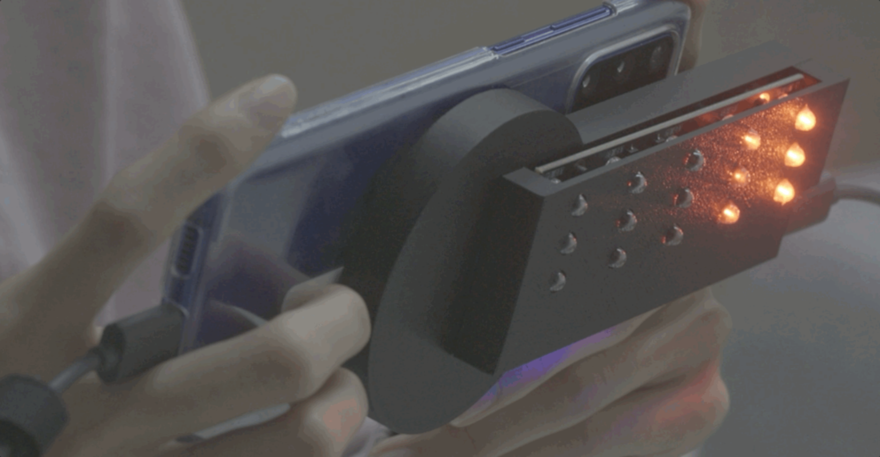
- September 21: KAIST researchers unveiled a low-cost, smartphone-integrated method for detecting hidden cameras. This development signals a shift toward making personal privacy security accessible to the general public rather than keeping it within the domain of specialized technical hardware.
- September 22: Alberto Essesi’s new pen design for precision sketching garnered attention for its ergonomic focus, reminding the industry that even in a digital-first world, the tactile feedback of a high-quality instrument remains irreplaceable.
Mid-Week: Modular Systems and Material Culture
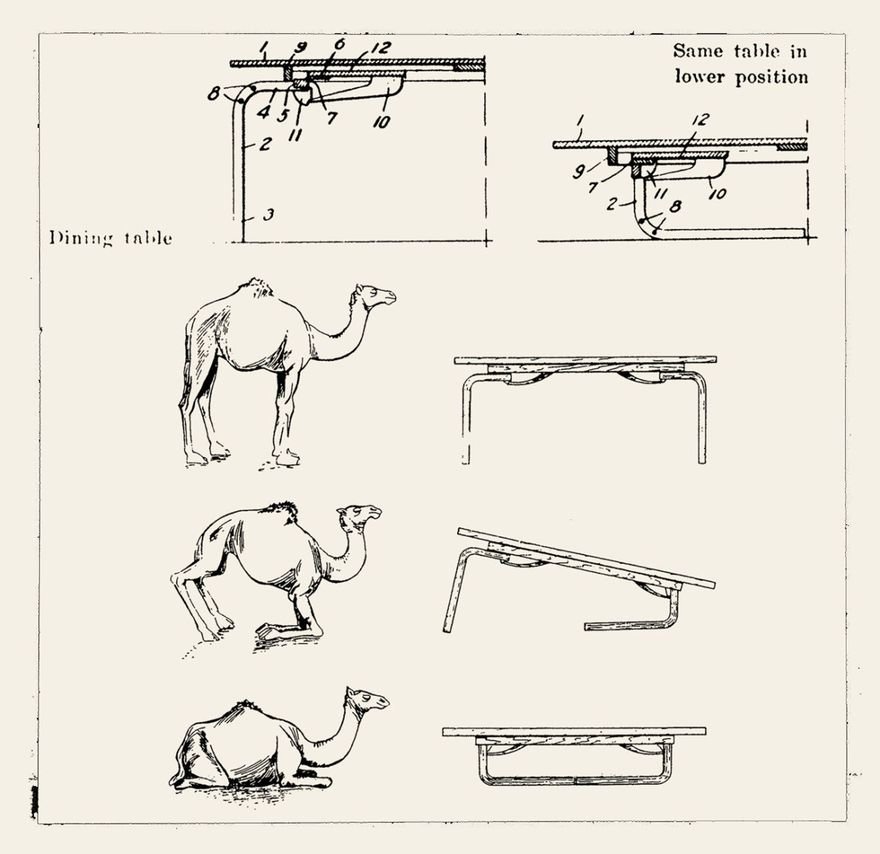
- September 23: The "Celluveyor" made waves as a next-generation omnidirectional conveyor system, showcasing how modularity is transforming industrial logistics. This was followed by a historical look back at Richard Neutra’s "Camel Table," a masterclass in mid-century transforming furniture that continues to inform modern space-saving solutions.
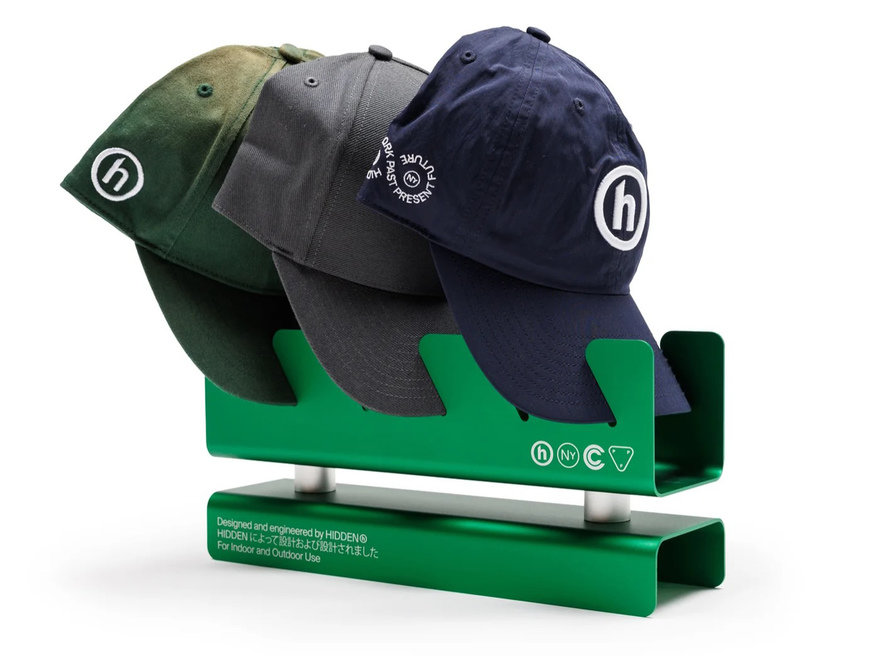
- September 24: Discourse shifted toward the sociological impact of product design. Critics analyzed the "anodized aluminum baseball cap holder" as a symbol of modern consumer product landscapes, while the functional beauty of a 1940s stencil machine’s UI served as a stark reminder of what is lost when physical buttons are traded for flat, capacitive touchscreens.
Late Week: Controversy and Craftsmanship
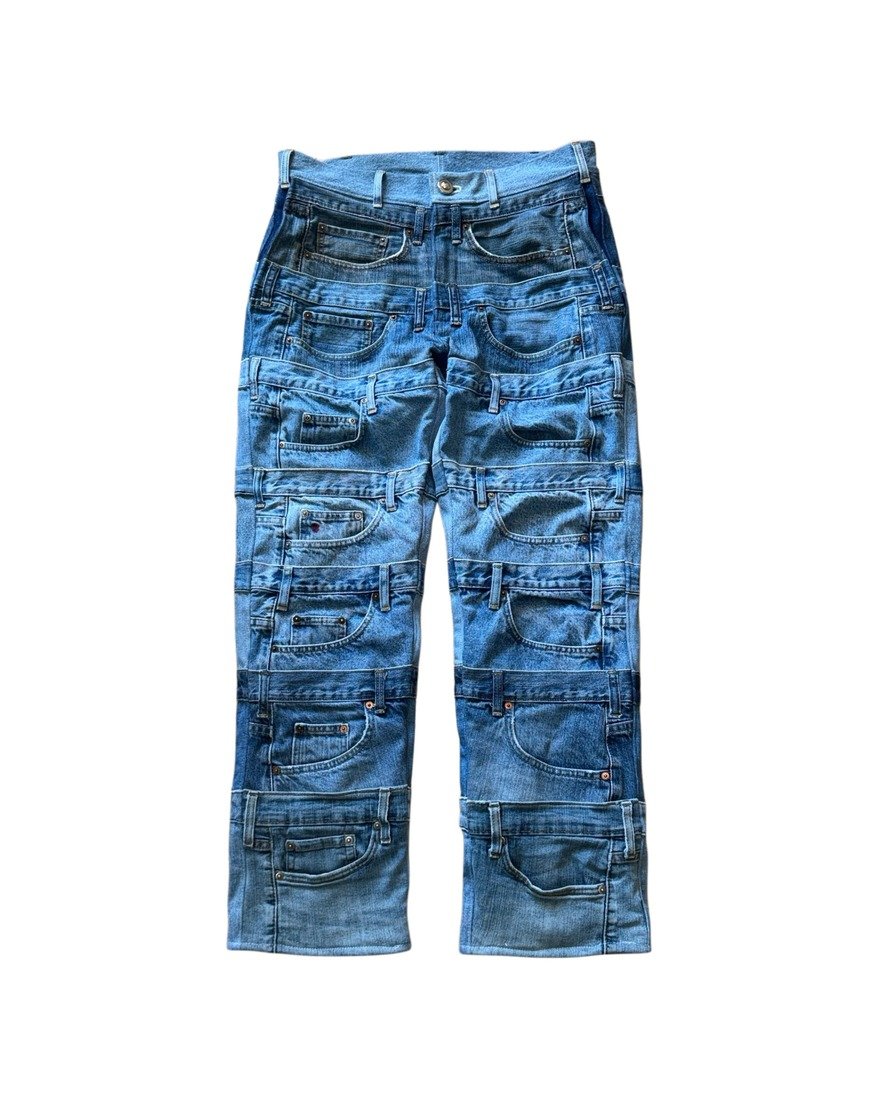
- September 25: The week concluded with a critique of the Volvo EX30’s dashboard—a lightning rod for the argument that "minimalism" is often a convenient excuse for cost-cutting at the expense of user experience. Concurrently, we saw the debut of Cory Johnson’s "Infinite Pocket Jeans" and the unconventional, high-concept modification of vehicles by MSCHF.
3. Supporting Data and Industry Analysis
The "Minimalism" Paradox
The critique of the Volvo EX30 is symptomatic of a wider trend in automotive design: the "screenification" of the cabin. By removing physical climate controls and instrument clusters, manufacturers save on wiring harnesses and switchgear assembly. However, data suggests that drivers struggle with cognitive load when forced to navigate deep menu trees for basic functions like mirror adjustment or defogging.
Material Resilience: Architectural Kintsugi
A standout project this week involved the restoration of a pre-Revolutionary-War house using structural glass instead of traditional masonry. This architectural application of kintsugi—the Japanese art of embracing flaws—proves that modern material science can honor historic integrity without resorting to pastiche. It is an argument for "visible repair" as a design philosophy.

Tools of the Trade
Professional-grade tools, such as the Mafell portable drilling station for timber framers, continue to defy the trend toward disposability. These tools prioritize durability and mechanical precision, solving specific "pain points"—such as angle drift and depth control—that generic power tools fail to address.
4. Official Responses and Industry Sentiment
The reception to these developments has been mixed, reflecting a polarized industry.
- On Hidden Camera Tech: Security experts have lauded the KAIST research, noting that the barrier to entry for privacy protection has been far too high. By utilizing existing smartphone hardware, the researchers are effectively lowering the cost of personal safety.
- On Automotive Minimalism: Volvo’s design choices have been met with skepticism from ergonomics researchers. The consensus is that while the aesthetic is "clean," the functional usability is a regression. One lead designer noted, "We are confusing ‘clean’ with ‘usable.’ A dashboard that requires three clicks to change the temperature is not minimalist; it is a distraction."
- On MSCHF’s Motomorphosis: The art and design collective MSCHF continues to push boundaries with their modified Lexuses. While critics often dismiss these as "gimmicks," they force the industry to question the boundaries of mass-produced automotive identity.
5. Implications for the Future of Design
The Return of the Tactile
The fascination with the 1940s stencil machine UI and the precision sketching pen suggests a "Tactile Rebellion." As we become more accustomed to glass screens, the value of physical, high-fidelity interfaces increases. Future designers will likely see a premium placed on products that offer haptic feedback, mechanical reliability, and intuitive physical operation.
Modular Logistics and Sustainability
The Celluveyor system represents a broader shift toward "flexible manufacturing." As global supply chains face increasing volatility, the ability to reconfigure industrial spaces using modular conveyors allows companies to pivot production lines without the massive capital expenditure of static infrastructure.
The Ethics of "Hidden" Costs
The debate over the Volvo EX30 and the anodized baseball cap holder touches on the ethics of the modern product landscape. When "minimalism" is used to justify stripping away essential user interface elements, the product loses its primary function: to serve the user. We are entering an era where consumers are becoming increasingly sophisticated at identifying "cost-cutting disguised as design," and brands that ignore this will likely face a backlash in brand loyalty.
Craftsmanship in an Age of Automation
Finally, the spotlight on the Mafell drilling station and the architectural restoration project highlights a persistent truth: there is no substitute for well-engineered, task-specific equipment. Even in an age dominated by AI and digital prototyping, the physical world requires tools that are built to handle the rigors of reality.
As we look toward the final quarter of the year, the design world remains a place of intense contradiction. We are simultaneously seeking to simplify our lives through technology while desperately clinging to the tactile, the mechanical, and the tangible. The products that will define the next decade will not necessarily be the most "minimal" or the most "connected," but those that best balance the efficiency of the digital age with the undeniable human need for physical clarity and functional excellence.
For more information on these stories, visit the individual archives on Core77. Stay tuned for next week’s roundup as we continue to track the innovations, frustrations, and breakthroughs shaping the world of design.
About the Author