In the complex architecture of modern society, electricity is the lifeblood of progress. Yet, this invisible force is inherently volatile. Beneath the surface of our homes, commercial hubs, and industrial power grids lies a sophisticated, silent network of circuit protection devices. Often overlooked until they are called upon to act, these components serve as the final line of defense against catastrophic system failure, fire, and loss of life. As electrical demands evolve toward higher densities and greater automation, understanding the science of circuit protection has never been more critical for engineers and facility managers alike.
The Physics of Failure: Why Protection is Non-Negotiable
To grasp the necessity of circuit protection, one must first view the electrical system through the lens of fluid dynamics. If voltage is the pressure in a pipe and current is the rate of flow, then resistance represents the structural integrity of the conduit. When these forces fall out of equilibrium, the system becomes a hazard.
Electrical faults are categorized by their nature and their severity:
- Overloads: These occur when a circuit is pushed beyond its design capacity—often through the accumulation of too many connected devices. While not always explosive, the sustained heat generated by overloads degrades wire insulation over time, creating a "slow-burn" risk that is a leading cause of electrical fires.
- Short Circuits: The most violent of all faults, a short circuit occurs when a low-resistance path bypasses the intended load. Current spikes to near-infinite levels, resulting in instantaneous, massive thermal expansion and electromagnetic forces that can vaporize metal and destroy equipment in milliseconds.
- Ground Faults: These occur when current strays from its intended path into the earth, often through a human body or a metal enclosure. In the absence of protection, these faults are frequently lethal.
- Overvoltage Conditions: Often triggered by external factors like lightning strikes or utility switching, these high-pressure surges can breach the dielectric barriers of sensitive microelectronics, rendering computers and industrial controllers useless in a heartbeat.
Chronology of Safety: From Sacrificial Fuses to Smart Relays
The history of circuit protection is a timeline of increasing sophistication, tracking the evolution of human reliance on electricity.
- 1880s–1920s (The Era of Fuses): Thomas Edison and his contemporaries introduced the fuse as a basic safety mechanism. It was a simple, "sacrificial" component designed to melt and break the circuit. It provided foundational safety but introduced the burden of manual replacement after every event.
- 1930s–1960s (The Rise of Breakers): As industrialization accelerated, the need for uptime led to the development of the electromagnetic circuit breaker. These devices introduced reusability, allowing operators to reset the system once the fault was cleared, thereby reducing maintenance costs.
- 1970s–1990s (The Personal Protection Revolution): The development of the Ground Fault Circuit Interrupter (GFCI) marked a shift from protecting the wire to protecting the person. This era prioritized human safety in residential and wet-environment applications.
- 2000s–Present (The Digital Intelligence Era): We have entered the era of the "smart" breaker and digital protective relay. These devices do not just detect overcurrent; they analyze waveforms, predict failures, and communicate in real-time with centralized SCADA systems to optimize grid performance.
Core Protectors: Fuses vs. Circuit Breakers
While modern technology has diversified, the primary categories of overcurrent protection devices (OCPDs) remain the fuse and the circuit breaker.
The Fuse: Precision and Simplicity
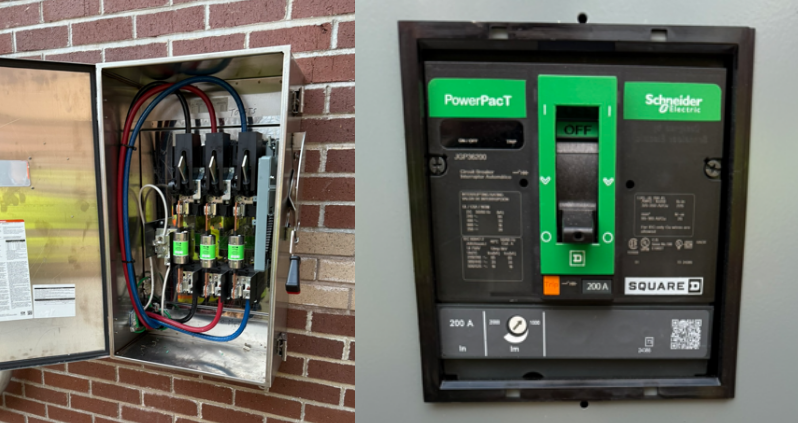
Fuses operate on the principle of Joule heating (I²R). When current exceeds the threshold, the fuse element reaches its melting point and clears the circuit. Fuses are unmatched in their speed—specifically in "current-limiting" applications—and their inherent reliability, as they lack moving parts. They remain the gold standard in high-voltage utility environments where the catastrophic nature of a fault requires an absolute, permanent break.
The Circuit Breaker: Flexibility and Control
Circuit breakers provide an electromechanical alternative. They utilize thermal-magnetic or electronic trip units to distinguish between a temporary inrush current and a genuine fault. Because they are resettable, they offer operational continuity, which is vital for commercial facilities where downtime translates to significant revenue loss.
Supporting Data: The Impact of Layered Protection
Modern safety standards—such as those mandated by the National Electrical Code (NEC)—emphasize "layered protection." Relying on a single device is no longer considered sufficient.
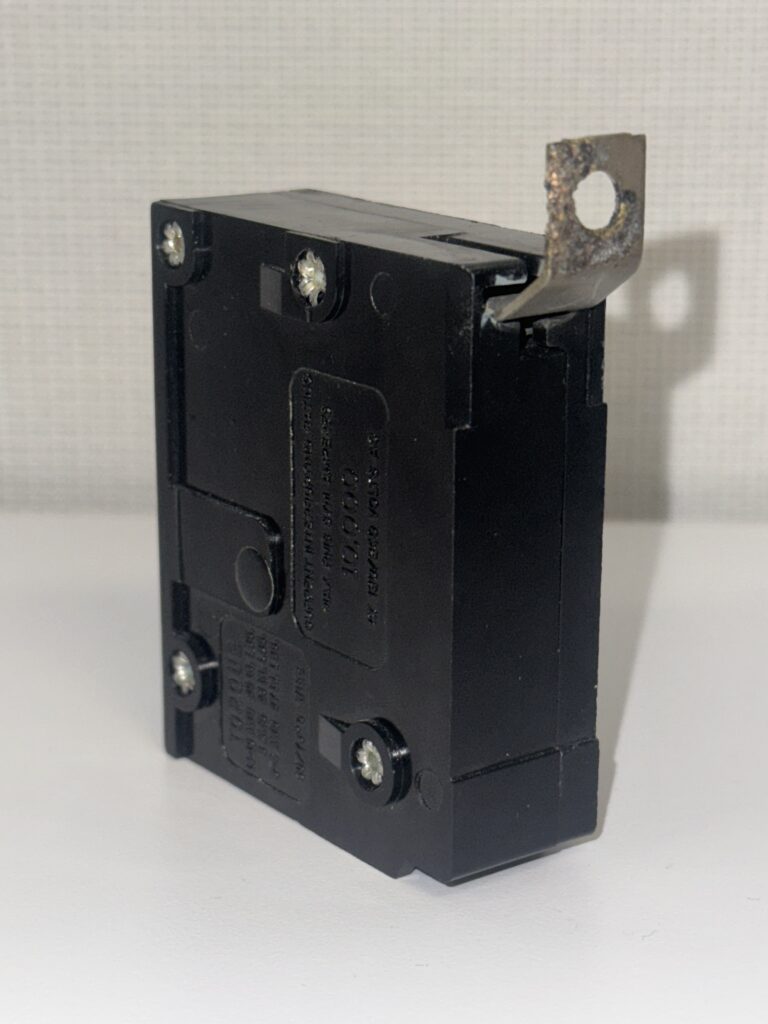
- Arc Fault Circuit Interrupters (AFCIs): By identifying the unique high-frequency "noise" of an electrical arc (40 to 100 kHz), AFCIs prevent fires caused by loose connections or frayed wires—faults that traditional breakers often miss.
- Surge Protection Devices (SPDs): These are the gatekeepers at the service entrance. By shunting transient voltage spikes to the ground, SPDs protect the delicate semiconductor architecture of modern HVAC, lighting, and automation systems.
According to industry reports, facilities that implement a coordinated "layering" strategy—combining main breakers, branch circuit breakers, and terminal-level GFCIs/AFCIs—experience a 40% reduction in equipment-related downtime and a 60% reduction in electrical fire incidents.
Official Perspectives and Industry Standards
Regulatory bodies and industry experts have long advocated for a shift from "reactive" to "proactive" maintenance. According to data from the National Fire Protection Association (NFPA), failure to maintain protective devices is a significant contributor to industrial accidents.
"Circuit protection is not a ‘set-it-and-forget-it’ component," notes a leading engineer from the infrastructure firm CDM Smith. "As electrical systems age, the mechanical integrity of a breaker’s trip mechanism can degrade. Regular testing and coordination studies are not just best practices; they are the baseline for operational resilience."
Standards such as IEEE 1584 provide the framework for arc-flash studies, forcing facilities to calculate the incident energy at every point in their system. This, in turn, dictates the selection of protective devices that can clear faults fast enough to keep personnel within safe boundaries.
The Future: Medium-Voltage and the "Self-Healing" Grid
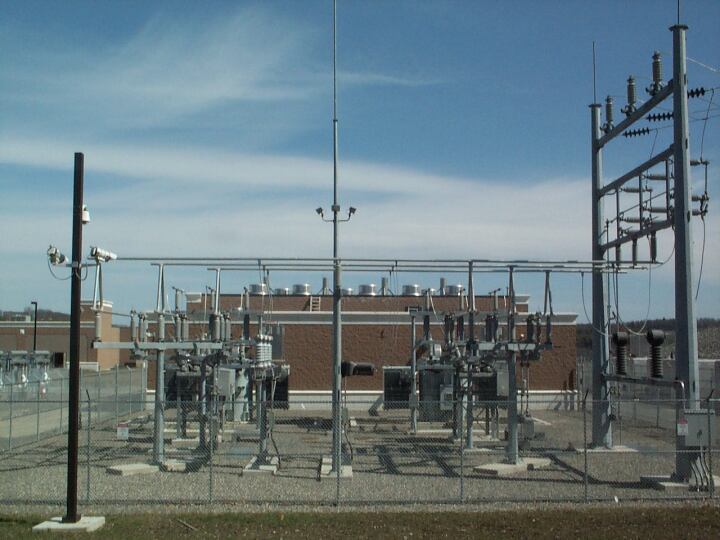
As we scale to medium-voltage (MV) systems (1 kV to 35 kV), the stakes for protection reach the utility scale. In these systems, a single failure can cascade into a regional blackout.
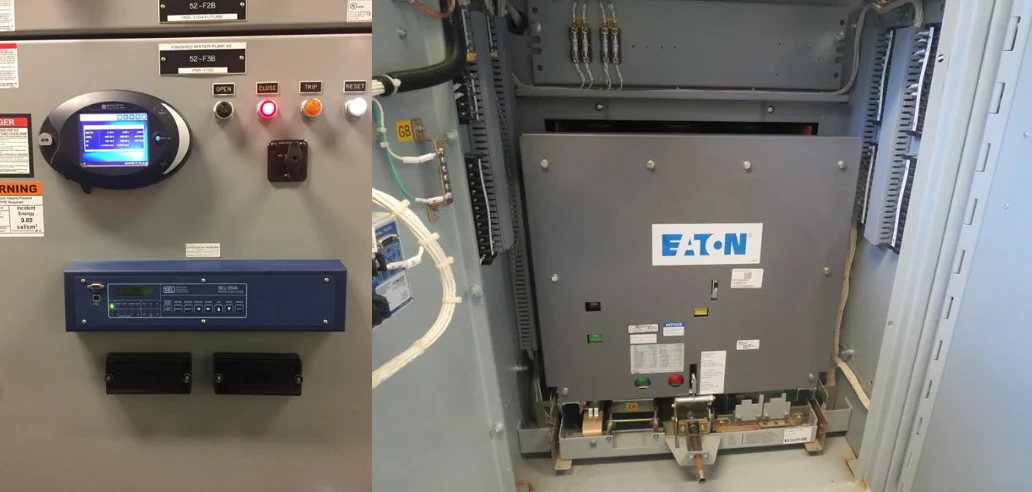
The integration of digital protective relays has fundamentally changed the landscape. These devices function as the "brains" of the substation. They offer:
- Fault Localization: Pinpointing the exact location of a line failure to reduce dispatch time for repair crews.
- Selective Coordination: Ensuring that only the specific branch experiencing the fault is isolated, leaving the rest of the facility powered.
- Self-Healing Capabilities: In modern smart grids, relays communicate with automated switches to reroute power automatically within milliseconds, effectively "healing" the grid before the end-user ever notices a flicker.
Implications for the Modern Enterprise
The implications for facility managers and design engineers are clear: safety is an investment, not an expense.
- Prioritize Coordination Studies: A system that is not properly coordinated is one where a small fault trips the main breaker, causing a site-wide blackout. Annual review of time-current curves is essential.
- Modernize Aging Infrastructure: Older, mechanical-only breakers lack the diagnostic capabilities of modern electronic units. Replacing legacy hardware with smart, communicative devices provides the data necessary for predictive maintenance.
- Embrace Predictive Analytics: By integrating protective relays into the Internet of Things (IoT) ecosystem, managers can monitor power quality in real-time, identifying harmonic distortions or voltage sags before they trigger a protective trip.
Conclusion: The Foundation of Reliability
Circuit protection remains the silent, bedrock technology of our power-dependent civilization. From the humble fuse protecting a household appliance to the advanced digital relay managing a utility-scale substation, these devices are the difference between a minor incident and a catastrophic disaster. As we transition toward a future characterized by electrification, renewable energy integration, and smart grid automation, the robustness and intelligence of our protective systems will dictate the reliability of our world. We must continue to invest in, test, and innovate these unsung guardians, for they are the keepers of our safety and the stewards of our progress.
About the Author