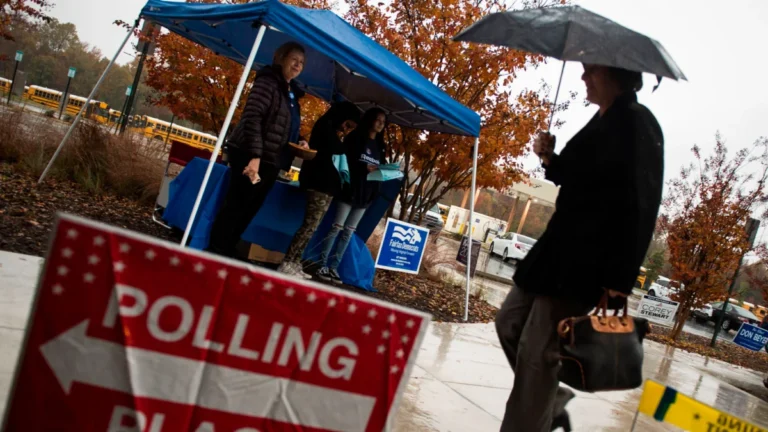
As the electoral clock ticks down in Virginia’s 2nd Congressional District, the stakes have shifted from standard partisan maneuvering to a profound test of national security strategy. With early voting nearing its conclusion this Saturday, the high-profile contest between Republican incumbent Jennifer Kiggans and Democratic challenger Elaine Luria has transcended local politics, becoming a bellwether for how the United States will manage the existential threat of climate change in an era of federal skepticism.
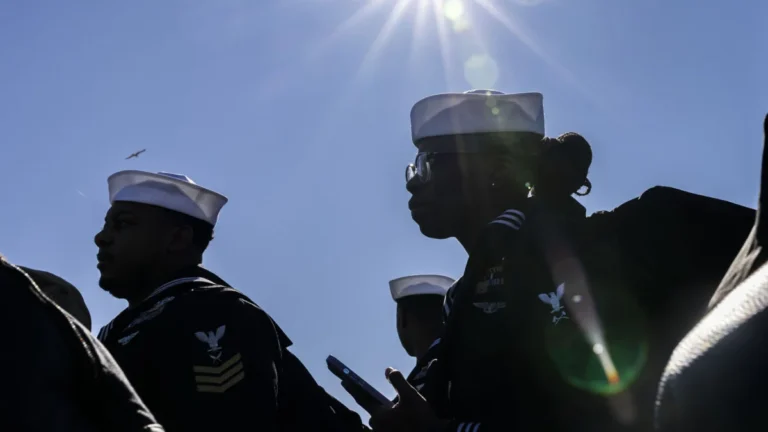
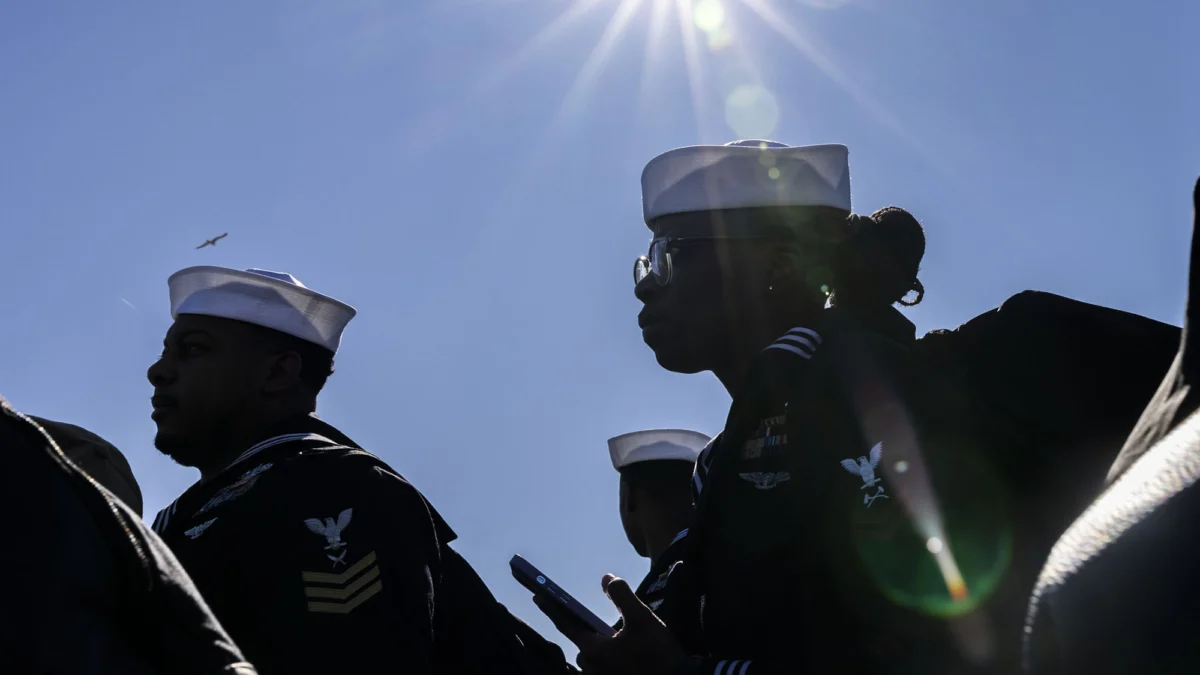
The district, which includes the vital hubs of Virginia Beach and Hampton Roads, serves as the primary gateway to the world’s largest naval installation: Naval Station Norfolk. As sea levels rise and “sunny-day” flooding becomes a recurring logistical nightmare for the military, the candidates’ competing visions for climate resilience offer a stark contrast in priorities—not just for the environment, but for the readiness of the U.S. armed forces.
The Geography of Risk: Why VA-2 Matters
For over a decade, Virginia’s 2nd District has stood on the front lines of climate change. The region is experiencing a double-edged crisis: rising sea levels exacerbated by global warming, and land subsidence that accelerates the rate at which water encroaches on coastal infrastructure.
Naval Station Norfolk is not merely a base; it is the cornerstone of Atlantic fleet operations. However, it is also one of the most vulnerable military sites in the world. The Department of Defense has previously acknowledged that the base is a "unique example of how the nation’s defense can be affected by the environment." When streets flood, critical personnel—including welders, machinists, and service members—cannot reach their posts. When power grids or road networks are compromised by storm surges, the mobilization of the U.S. Navy is slowed. In a world where rapid response is a prerequisite for global stability, the environmental stability of Hampton Roads is no longer a peripheral issue; it is a matter of national security.
A Chronology of Policy and Conflict
The trajectory of climate policy in the district has been marked by a series of pivots and political reversals:
- 2019–2023: During her tenure in Congress, Democrat Elaine Luria emerged as a vocal advocate for federal intervention, pressing the Biden administration to establish interagency coordination for regional resilience in Hampton Roads.
- 2023: The Department of Defense designated Naval Station Norfolk as the inaugural pilot site for a federal climate resilience program, aiming to harden the facility against future environmental stressors.
- 2026 (January): The political climate shifted significantly under the Trump administration. The new administration moved to pause the Coastal Virginia Offshore Wind (CVOW) project. In response, Representative Kiggans joined a bipartisan effort to protest the pause, signaling a preference for renewable infrastructure despite broader party alignment against climate-focused regulation.
- 2026 (Spring/Summer): The federal climate resilience pilot program for Norfolk began to stagnate. Reports emerged that the Trump administration had purged climate-related terminology from federal portals, and Department of Defense leadership, led by Secretary Pete Hegseth, dismissed climate-focused initiatives as “climate change crap.”
- 2026 (Fall): With the Cook Political Report shifting the district from a "toss-up" to "lean Democrat," the race has intensified, centering on whether the next representative can effectively challenge the current administration’s stance on environmental oversight.
Supporting Data and Public Sentiment
The political divide in the district is complicated by the nuanced reality of voter sentiment. According to data from Yale’s Climate Opinions Map, 57 percent of adults in the district acknowledge that global warming is a primary driver of sea-level rise, while 55 percent link it directly to local flooding.
Despite the prevailing "climate hushing" strategy—a phenomenon where politicians intentionally downplay climate change to avoid polarizing their base—the data suggests that the voters are ahead of the rhetoric. Almost half of the electorate in VA-2 classifies climate change as a high or very high priority for the next Congress.
The economic impact is equally tangible. The region is home to over 88,000 veterans, many of whom reside in communities currently struggling with the cost of recurring flood damage. As Quentin Scott, Federal Policy Director at the Chesapeake Climate Action Network (CCAN), notes, the local infrastructure is being overwhelmed. "People are driving boats through the middle of the neighborhood," Scott says. "There’s a ‘No Wake Zone’ sign in the middle of a school playground. These are the everyday experiences that people are adapting to."
Candidate Profiles: Divergent Paths
The candidates offer voters two distinct approaches to the intersection of defense and environment.
Elaine Luria (D): As a former Navy officer, Luria frames climate resilience as an extension of military duty. Her campaign emphasizes the protection of the Chesapeake Bay and the hardening of regional infrastructure. She maintains that the federal government has an obligation to coordinate with local stakeholders to prevent the degradation of naval readiness. Her supporters argue that she is one of the few voices willing to push back against the current administration’s policy of neglect regarding climate-linked security risks.
Jennifer Kiggans (R): Also a Navy veteran, Kiggans has sought to position herself as a pragmatic supporter of her district’s economic interests. While she initially supported the Coastal Virginia Offshore Wind project, her voting record remains a point of contention. In early 2026, she voted for an appropriations package that she argued would fund military readiness and regional infrastructure. However, she later drew heavy criticism from environmental advocates for voting to repeal clean energy tax credits, a move described by some opponents as a betrayal of her previously stated support for renewable energy development.
The Expert Consensus: A National Security Crisis
The frustration among policy experts is palpable. Retired Rear Admiral Jonathan White, who previously directed the U.S. Navy’s Climate Change Task Force, offers a sobering assessment of the status quo.
"Everything is being shelved," White says, referring to the stall in resilience planning under current leadership. "I’ve become totally frustrated. The United States is just falling farther and farther behind. If we don’t have strong leadership in the White House and Congress to push these issues forward, it really impacts our national and global security."
White emphasizes that the readiness of the fleet is inextricably linked to the civilian workforce. When the roads are flooded, the welders cannot fix the ships; when the supply chain is disrupted by extreme weather, the deployment of vessels is delayed. The military’s "war machine," as the current administration calls it, is ultimately dependent on a stable domestic environment.
Implications for the Future
The outcome of the VA-2 election will have immediate repercussions for how the Department of Defense addresses environmental threats. A victory for Luria would likely lead to renewed congressional pressure on the DoD to reinstate and fully fund climate resilience programs at Naval Station Norfolk. Conversely, a victory for Kiggans would likely signal a continuation of the current policy, where environmental risks are addressed only through the lens of traditional infrastructure spending, without a broader, climate-specific mandate.
Beyond the specific policy implications, the race is a litmus test for the political viability of "national security environmentalism." If advocates like Quentin Scott and former leaders like Admiral White are correct, the path to federal action on climate change lies not in moral appeals, but in the cold, hard logic of military preparedness.
As the voters of Virginia’s 2nd District head to the polls, they are doing more than choosing a representative; they are deciding whether to treat the encroaching tides as an inevitable inconvenience or as a systemic failure that demands an urgent, bipartisan, and strategic response. In the heart of the Hampton Roads, where the history of the U.S. Navy meets the reality of a changing planet, that decision will resonate far beyond the district’s borders.
About the Author