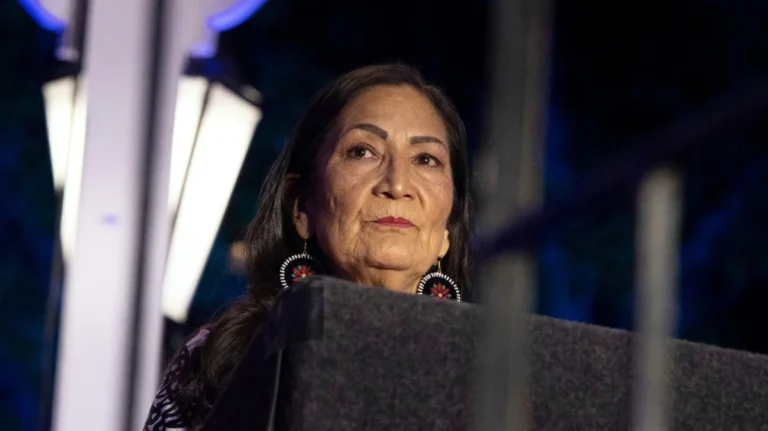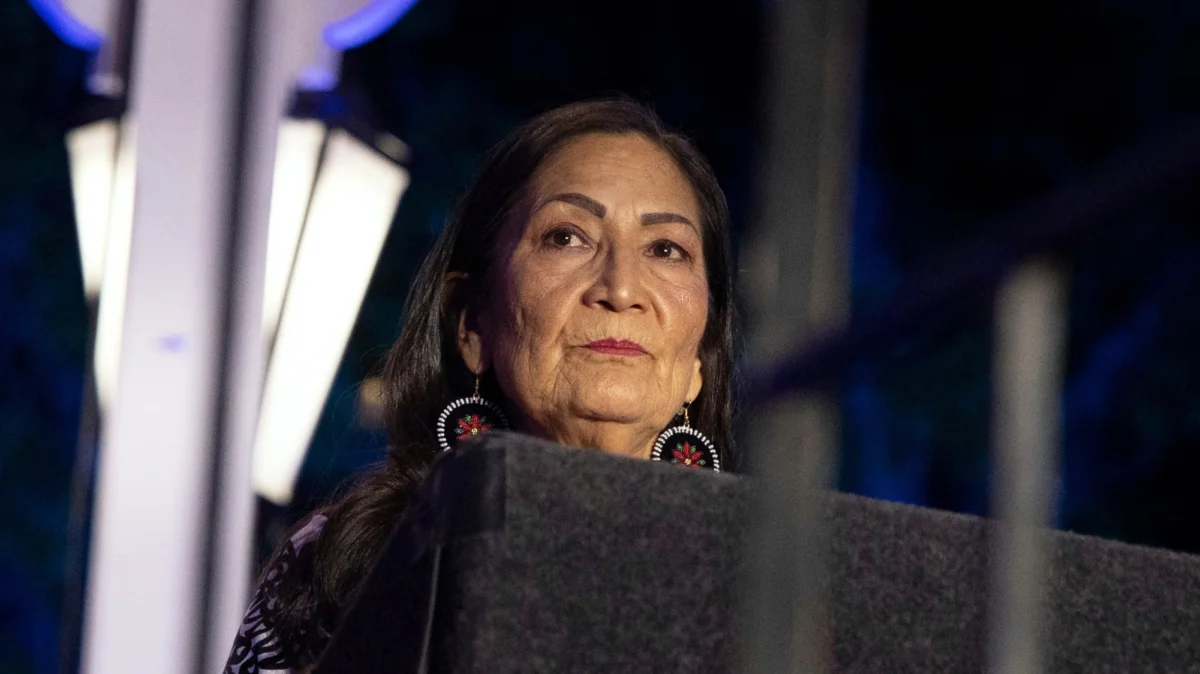
In the high-desert landscape of New Mexico, where the legacy of ancestral lands collides with the relentless machinery of modern industry, Deb Haaland is running a race that feels as much like an ultramarathon as it does a political campaign. A member of the Laguna Pueblo and the first Native American to serve as a U.S. Cabinet secretary, Haaland is now in the final, grueling stretch of a 20-month bid to become the next governor of New Mexico.
Should she succeed, she will cement a historic milestone: the first Native American woman to hold a gubernatorial seat in the United States. Yet, as the finish line approaches, her path is increasingly shadowed by a complex web of corporate contributions, environmental skepticism, and the difficult reality of governing a state whose economic engine is fueled by the very industries she once campaigned against.
The Evolution of "Auntie Deb"
At 65, Haaland’s narrative is one of profound endurance. Often referred to across Indian Country as "Auntie Deb," her trajectory is a testament to overcoming systemic barriers. Born into a military family, she navigated life as a single mother, famously relying on food stamps and managing significant student debt while attempting to find her footing in the legal profession. Her late entry into politics—following a failed bar exam in her mid-forties—transformed her into an unlikely icon for the progressive wing of the Democratic Party.
Her rise was fueled by an authenticity that resonated deeply with voters. During the 2018 congressional cycle, Haaland emerged as a grassroots hero, gaining national prominence for her support of the #NoDAPL movement. Her image, cooking tortillas over an open fire for Water Protectors at Standing Rock, became a symbol of her commitment to environmental justice. As chair of the state Democratic Party, she took the bold step of divesting party funds from Wells Fargo due to the bank’s financial ties to the Dakota Access Pipeline.
In Washington, her tenure as Secretary of the Interior was defined by a commitment to conservation, most notably in her efforts to protect Chaco Canyon from oil and gas development. However, the transition from federal cabinet member to gubernatorial candidate has necessitated a strategic shift that has left many of her original supporters feeling alienated.
Chronology of a Shifting Platform
The evolution of Haaland’s platform tracks the shifting geography of her political ambitions.
- 2018-2020: Haaland surges as a progressive underdog, centering her identity on Indigenous sovereignty and a "keep it in the ground" approach to fossil fuels. She wins election and re-election to Congress on a pledge to reject fossil-fuel money.
- 2021-2024: Serving as Secretary of the Interior, Haaland oversees a massive federal portfolio. Paradoxically, during this period, oil and gas drilling permits on federal lands continue to pace or exceed those issued under the Trump administration.
- 2025-2026: Haaland announces her candidacy for Governor of New Mexico. The campaign is marked by a significant influx of corporate funding, including contributions from Energy Transfer LP—the very firm behind the Dakota Access Pipeline—and major tech players involved in the controversial Project Jupiter AI data center.
- Fall 2026: Environmental groups and local activists, particularly in Sunland Park, launch protests against the data center’s water usage and environmental impact. Haaland faces mounting pressure to return these corporate donations, culminating in tense public forums and a walkout by the candidate.
The Corporate Conundrum: Oil, Tech, and Trust
The most significant point of contention in Haaland’s campaign is her financial relationship with industries that critics argue contradict her core values. Campaign finance reports reveal that she has accepted tens of thousands of dollars from oil industry interests, including $24,800 from Energy Transfer LP.
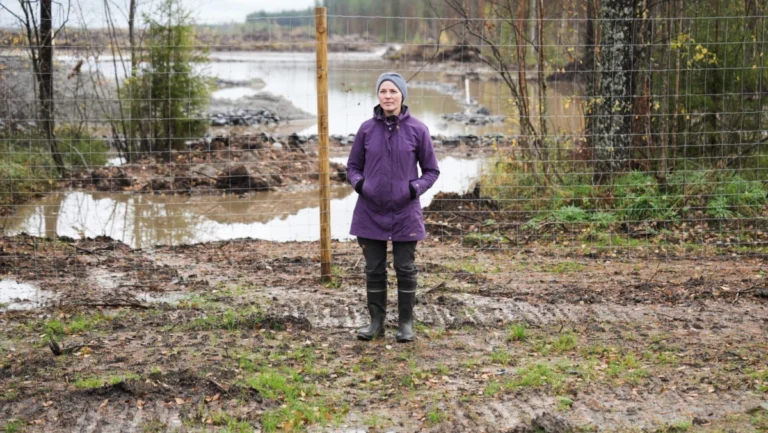
Even more controversial is her relationship with Project Jupiter, a massive AI data center project in southern New Mexico. The facility, a partnership between Oracle and OpenAI, has become a lightning rod for criticism due to its projected carbon footprint—10.1 million tons of annual emissions—and its massive consumption of groundwater in an already drought-stricken desert.
When confronted with calls to return the $100,000 in contributions linked to Project Jupiter, Haaland’s defense has been pragmatic, if not controversial. "I believe I can walk and chew gum at the same time," she told reporters, framing the contributions as a necessary evil of modern, high-cost political campaigns. To her supporters, this is evidence of a pragmatic politician navigating a broken system. To her critics, it represents a departure from the "people-powered" movement that brought her to power.
The Economic Reality of the "Land of Enchantment"
The criticism of Haaland’s fundraising must be viewed through the lens of New Mexico’s unique economic predicament. The state is the nation’s second-largest oil producer, and its government is heavily subsidized by the industry. Last year alone, oil and gas revenues accounted for nearly half of the state’s $10.2 billion operating budget.
This "black gold" has funded a robust social safety net under the outgoing administration of Michelle Lujan-Grisham, including universal child care, tuition-free college, and guaranteed school meals. This creates a "liberal trap": to continue funding the progressive social programs that the Democratic base demands, the state must maintain the very industry that environmentalists are fighting to phase out.
Haaland has acknowledged this reliance, telling supporters in Taos that the gas industry has been part of the state for a century. The state’s investment council is attempting to build a bridge to the future by pouring fossil fuel profits into a $75 billion sovereign wealth fund, with the goal of reaching $100 billion by 2030. The hope is that investment income will eventually replace oil and gas as the state’s primary revenue stream. However, experts warn that this transition is fraught with risk, and the state is currently falling behind on its climate-resilience and emissions-reduction targets.
Official Responses and Public Sentiment
The divide between Haaland’s base and her campaign leadership is palpable. While an Albuquerque Journal poll indicated that 65 percent of voters oppose the development of large-scale data centers, the political fallout for Haaland has been tempered by a lack of viable alternatives.
Joe Monahan, a prominent New Mexico political observer, notes that many voters are giving Haaland a "pass," largely because the alternative—a Republican administration—is viewed as a greater threat to the environmental and social gains achieved under recent Democratic leadership.
"She’s been given a pass by the Democratic left," Monahan observes. "But once in office, she might prove less ideologically progressive than her supporters expect."
Meanwhile, activists like Isaac Lira, a 32-year-old resident of Sunland Park, argue that the silence from the campaign is a betrayal of the working-class roots Haaland claims to represent. "Coming from a working-class background, knowing the struggle, yet saying, ‘Hey, you know, I can’t do anything about it,’" Lira stated, expressing a sentiment shared by those who feel the promise of a "green" transition is being sacrificed for short-term political expediency.
Implications for the Future
As Election Day approaches, the implications of a Haaland victory are complex. If she wins, she will have to reconcile the "climate hushing" of her current campaign with the urgent environmental crises facing New Mexico, including the recent Frijoles Fire and ongoing water scarcity.
She will face the immediate challenge of managing a state budget that is at the mercy of global oil prices, while simultaneously attempting to implement a "Day One" moratorium on new data centers—a policy that, while popular, does little to mitigate the impact of projects already under construction.
For the Pueblo communities and environmental advocates who once saw her as a champion, the next few years will be a litmus test. Can she truly transition New Mexico away from its dependence on fossil fuels, or will the weight of the state’s economic dependence force her to continue the policies of the past?
Ultimately, Deb Haaland’s campaign is a microcosm of the broader struggle within the Democratic Party: the tension between the idealistic desire for systemic change and the harsh realities of governing in a world where the infrastructure of the old economy still holds the keys to the future. Whether she can "walk and chew gum" remains the central question that will define her tenure, should she reach the Roundhouse.
About the Author