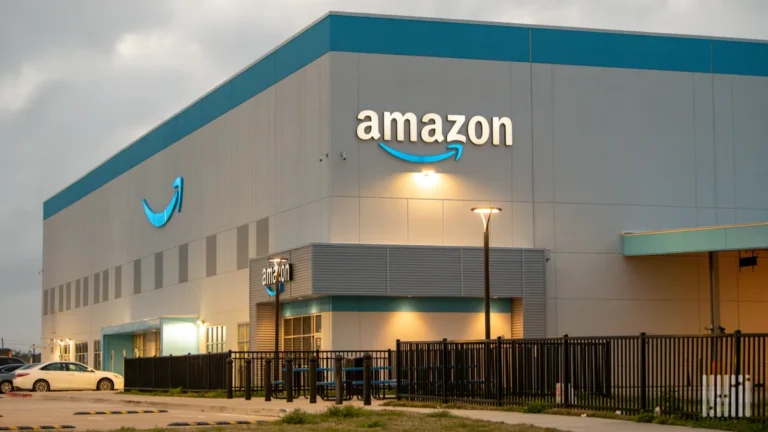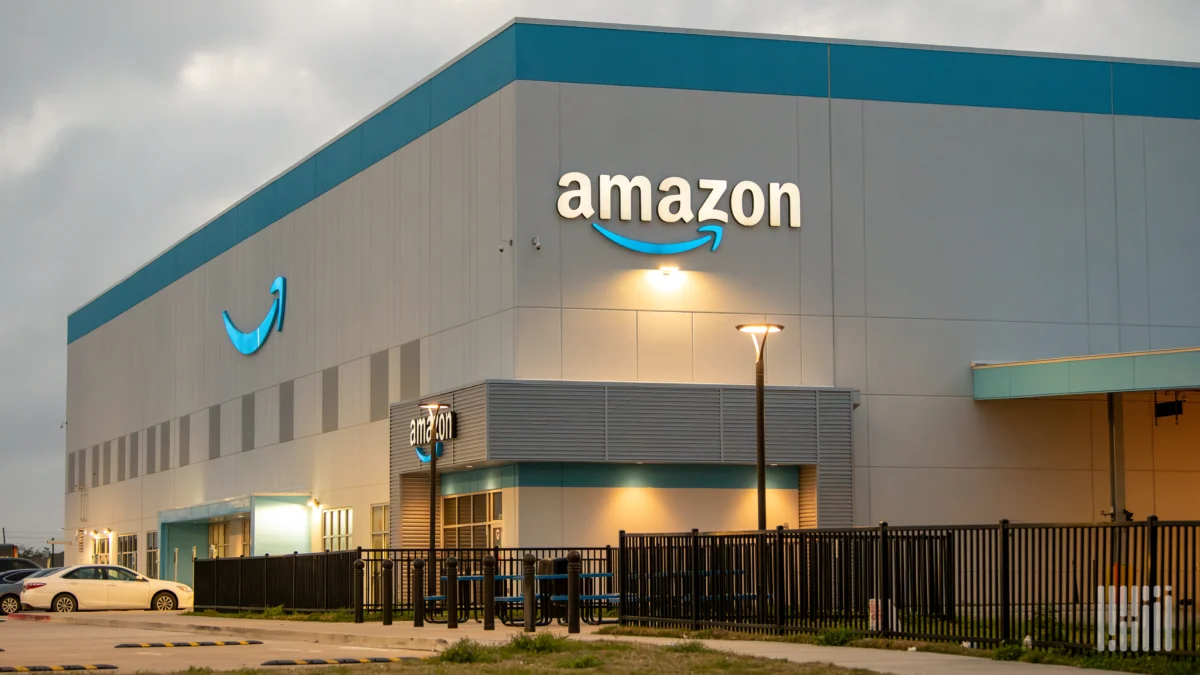
The struggle to organize workers at Amazon has reached a new, contentious milestone. The International Brotherhood of Teamsters recently announced a victory among Transportation Operations Management (TOM) drivers at the company’s OIL9 facility in Merrillville, Indiana. While the union frames this as a significant expansion of its footprint, the declaration has been met with immediate, fierce pushback from Amazon, highlighting a deepening rift over labor practices, legal precedents, and the very definition of what constitutes a “certified” union victory in the modern e-commerce era.
The Core Conflict: What Happened at OIL9?
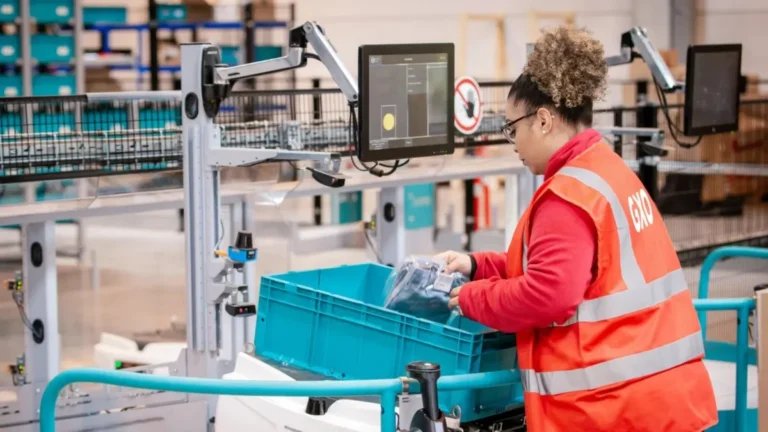
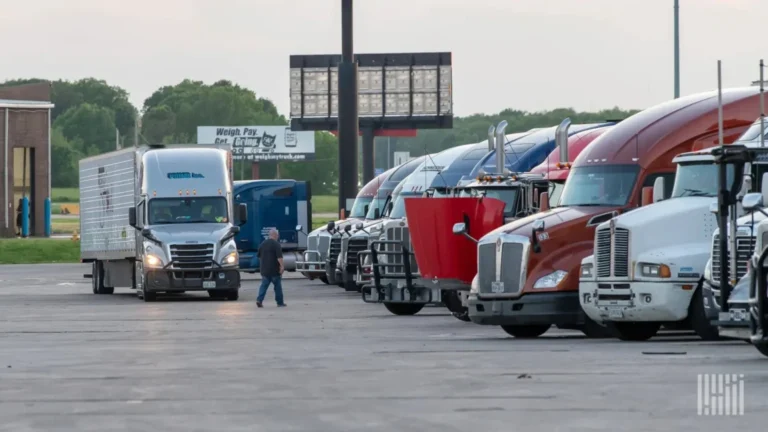
The Teamsters, in a high-profile announcement, claimed that a majority of the TOM drivers at Amazon’s Merrillville facility—located strategically near the Illinois border—had successfully unionized. These workers, who operate heavy trucks within the confines of Amazon’s massive logistics hubs, are direct W-2 employees of the company. Unlike the thousands of delivery drivers working for third-party Delivery Service Providers (DSPs), TOM drivers are employed directly by Amazon, making them a primary target for direct unionization efforts.
The union characterized the move as a "march on the boss," a tactic where workers collectively present their demands to management, signaling their intent to bargain for a formal contract. Randy Korgan, the director of the Teamsters Amazon division, lauded the Merrillville workers, stating, “Amazon Teamsters are proud to expand our national footprint and welcome OIL9 TOM Team drivers to our movement.”
However, Amazon’s response was swift and uncompromising. The company dismissed the Teamsters’ announcement as a "false narrative." In an official statement, Amazon argued that the union "continues to intentionally mislead the public" and maintained that the Teamsters are not currently a certified bargaining representative at any Amazon facility in the United States. This fundamental disagreement—between a union claiming a mandate and a corporate giant denying the legitimacy of the process—sits at the heart of the current labor tension.
A Chronology of Escalation
The recent events in Indiana are not an isolated incident but rather the latest chapter in a multi-year effort by the Teamsters to penetrate Amazon’s logistics network.
- Pre-2023: The Teamsters focused primarily on public pressure and legal challenges regarding the status of DSP drivers, attempting to convince the National Labor Relations Board (NLRB) that Amazon’s control over third-party contractors makes the tech giant a "joint employer."
- August 2023: The landscape shifted dramatically with the NLRB’s Cemex decision. This ruling created a new pathway for union recognition, allowing unions to bypass traditional, government-supervised secret ballot elections if they can demonstrate majority support through signed authorization cards.
- Late 2023 – Early 2024: The Teamsters successfully organized TOM workers at Amazon’s SDF9 facility in Shepherdsville, Kentucky, and the MCI9 facility in Liberty, Missouri, using similar strategies to the one recently employed in Indiana.
- October 2026: The Merrillville “march on the boss” occurred, prompting the latest wave of dueling press releases between the union and the company.
The Mechanics of Organizing: The "Card Check" Controversy
To understand the friction, one must understand the shift from traditional elections to the "card check" process. Traditionally, a union organizes a workplace by filing a petition with the NLRB, leading to a supervised election where employees cast private ballots. This process is time-consuming, transparent, and legally binding.
The "card check" method, by contrast, relies on collecting signed authorization cards from a majority of the workforce. Under the Cemex precedent, if a union presents these cards to an employer, the employer is essentially obligated to bargain unless they can prove—through an NLRB petition—that a majority does not exist.
Amazon has consistently refused to recognize card check petitions. The company views this method as an end-run around the democratic, secret-ballot process. The lack of any record of an NLRB-administered vote for the Merrillville facility confirms that the Teamsters are relying exclusively on the Cemex pathway. This puts the union in a precarious position: they have claimed victory, but without a formal NLRB election, they lack the federal certification that historically forces a company to the bargaining table.
Supporting Data: The Landscape of Recent Elections
While the Teamsters have found success in some sectors, their track record at Amazon remains distinct from their broader operations. In the last two months alone, the Teamsters have participated in five NLRB-supervised elections across various logistics and transportation companies:
- Shelby Transport (Indianapolis, IN): Victory
- DP World Contract Logistics (Detroit, MI): Victory
- Comprehensive Logistics (Philadelphia, PA): Victory
- MV Transportation (Raleigh, NC): Victory
- U.S. Foods (Arizona): Defeat
These results demonstrate that the Teamsters remain a formidable force in traditional union elections. However, the contrast between these successful, NLRB-certified wins and the ongoing, contested efforts at Amazon facilities underscores the difficulty of organizing the e-commerce giant. The Staten Island, New York, facility—the site of a rare, massive victory—remains a cautionary tale; despite winning an NLRB election, the workers there have yet to secure a collective bargaining agreement with Amazon, illustrating that winning the vote is only the first step in a long, often stalled process.
The Legal Tightrope: Is Cemex on Borrowed Time?
The Teamsters’ strategy is built upon a legal foundation that is increasingly unstable. The Cemex precedent, which has served as the backbone for recent unionization drives, is currently facing significant judicial and administrative pressure.
In August, NLRB General Counsel Jennifer Abruzzo’s office signaled that the board might be prepared to revisit certain precedents, potentially softening or clarifying the Cemex ruling. More importantly, in March, the Sixth Circuit Court of Appeals delivered a stinging blow to the NLRB, ruling in a case involving the Teamsters and Brown Forman that the board had exceeded its authority by creating the Cemex pathway.
This judicial rejection is a major setback for the Teamsters. If the Cemex ruling is ultimately overturned or limited by the Supreme Court or further appellate action, the union’s entire strategy for organizing Amazon—which largely avoids the traditional, employer-contested election process—could be rendered ineffective overnight.
Implications: The Road Ahead
For the TOM drivers in Merrillville, the immediate future is uncertain. Even if the Teamsters successfully force a negotiation, Amazon’s historical resistance to collective bargaining—seen in their ongoing litigation regarding the Staten Island facility—suggests that a contract is not on the horizon.
For the labor movement, the implications are broader. The Teamsters are testing the limits of what a union can achieve through direct action and legal interpretations of the Cemex rule. If they can force Amazon to the table without a traditional election, it would represent a sea change in American labor relations. However, if they continue to claim victories that the company refuses to acknowledge, the risk of "victory fatigue" among workers becomes real.
Amazon, meanwhile, remains steadfast. By framing the Teamsters as a dishonest broker and emphasizing the lack of NLRB certification, the company is attempting to maintain the status quo. They are betting that the judicial tide is turning in their favor and that the legal mechanisms the union is currently using will eventually be dismantled.
As the battle shifts from the loading docks of Merrillville to the halls of federal courts and the regional offices of the NLRB, the central question remains: can the labor movement force the world’s largest retailer to change its stripes? For now, the answer remains locked behind the heavy warehouse doors of facilities like OIL9, where the silence between the union’s claims and the company’s denials speaks volumes about the state of labor in the 21st century.
About the Author