In the high-stakes environment of modern commercial printing, the bottleneck has shifted. While digital printing presses have achieved remarkable speeds and color fidelity, the finishing department—traditionally a labor-intensive, manual-heavy stage—has often struggled to keep pace. Skandacor is now aggressively addressing this challenge, championing a new era of digital die-cutting solutions engineered to minimize manual touchpoints and optimize the production lifecycle. By integrating automated sheet feeding, intelligent registration, and die-free cutting technology, Skandacor is enabling print service providers (PSPs) to redefine their operational efficiency.
Main Facts: The Evolution of Finishing Automation
The core philosophy driving Skandacor’s current product portfolio is the systematic elimination of "human friction" in the finishing process. In a traditional shop, every sheet that requires manual loading, mechanical alignment, or repositioning represents a moment where production pauses. These repetitive handling tasks are not only inefficient but also increase the risk of errors, scrap, and inconsistent output.
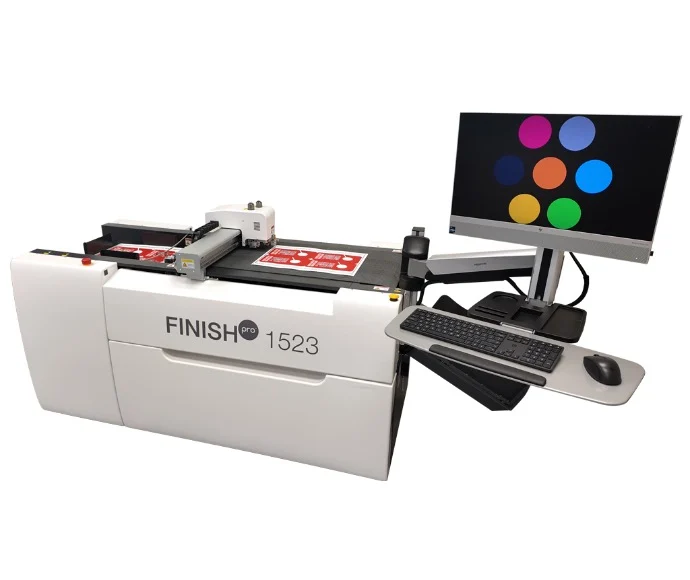
Skandacor’s latest suite of digital die-cutting systems—most notably the FINISHpro 4751 AF Max and the FINISHpro AF series (1523 and 2029 models)—are designed to transform the finishing bench into a self-regulating production hub. These systems replace the physical, static dies of the past with dynamic, software-driven cutting paths. By leveraging high-precision registration cameras, the machines identify marks on printed sheets, ensuring that even the most complex shapes are cut with absolute accuracy without the need for custom tooling.
This transition represents a fundamental pivot in business logic: moving from a model that prioritizes long, high-volume runs to one that thrives on the agility required for short-run, multi-order, and highly customized print and packaging projects.
Chronology: From Mechanical Constraints to Digital Freedom
To understand the significance of Skandacor’s latest innovations, one must look at the historical trajectory of finishing technology.
The Era of Physical Dies: For decades, finishing was dominated by mechanical die-cutting. This process required the creation of custom steel-rule dies for every unique shape. The lead time for manufacturing these dies, combined with the machine setup time and the inherent cost of physical storage, made small-batch production economically non-viable for most shops.
The Digital Shift: The introduction of digital printing allowed for variable data and short-run production. However, finishing remained a manual hurdle. Operators were required to feed sheets individually or manage semi-automated systems that still necessitated constant supervision.
The Automated Present: With the arrival of systems like the FINISHpro AF Max series, the workflow has inverted. The machine now dictates the flow of production. Automated feeding modules allow for "unattended production runs," where a stack of media is loaded and processed through cutting and collection without human intervention. This progression marks the end of the "operator-as-machine-tender" era, moving toward an environment where the operator acts as a production supervisor, managing multiple jobs concurrently.
Supporting Data and Technical Capabilities
Skandacor’s hardware portfolio is specifically segmented to meet the diverse requirements of the print industry, from commercial stationery to heavy-duty industrial signage.
The FINISHpro 4751 AF Max
This flagship system is designed for maximum throughput. By integrating feeding, cutting, and collection into a singular, automated loop, it supports unattended operation. This is particularly vital for print shops juggling a high volume of diverse orders, as it ensures that the "finished-sheet collection" stage—often the most labor-intensive part of the process—is handled automatically.
The FINISHpro AF Series (1523 and 2029 Models)
These models emphasize versatility. By eliminating the need for physical dies, they reduce setup time from hours to minutes. When a new job arrives, the operator simply loads the file, and the registration camera reads the marks on the printed sheet to calibrate the cutting path.
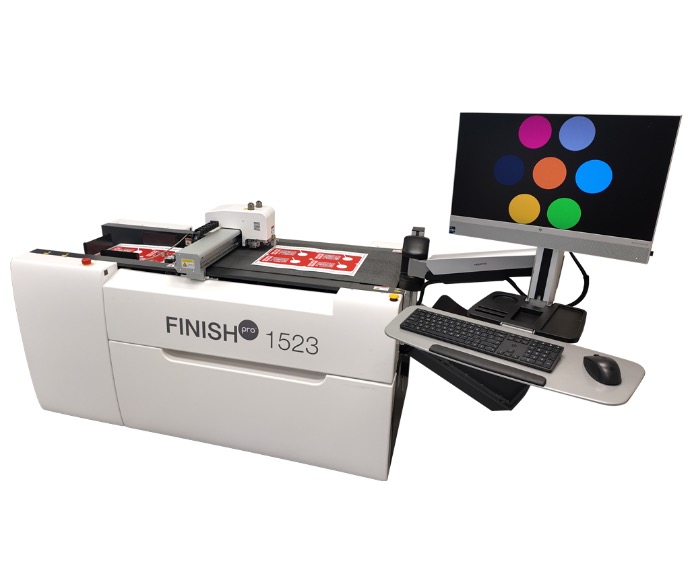
- Precision: Digital control ensures that even complex shapes, such as intricate invitations, small labels, or shaped business cards, are cut with identical precision across the entire run.
- Substrate Versatility: For shops handling rigid materials, the FINISHpro AF Max series includes an oscillating tool capable of cutting substrates up to 6 mm thick. This opens the door to high-margin applications like foam board signs, corrugated packaging, and magnetic signage, which previously required distinct, specialized cutting hardware.
Official Perspectives: The Strategic Value of "Touchless" Finishing
Brad Drever, Managing Director of Skandacor, emphasizes that the true value of these systems lies not in the raw cutting speed of the blades, but in the total reduction of process time.
"When we talk about automation, we’re not only talking about how quickly a machine can run," Drever notes. "We’re looking at how many manual steps can be removed from the process. From automatic feeding and registration to die-free digital cutting, these systems can help print providers spend less time handling sheets and more time producing finished work."
This perspective highlights a critical shift in the print industry. Success is no longer measured solely by how fast a printer can lay down ink, but by how fast that product can be converted into a shippable good. By removing the "touchpoints"—the physical handling of the substrate—Skandacor is helping providers mitigate labor shortages, reduce human error, and achieve a level of consistency that is nearly impossible to maintain in a manual environment.
Implications for the Print Industry
The integration of advanced digital die-cutting systems has profound implications for the competitiveness of print shops.
1. Enabling the "On-Demand" Business Model
As clients increasingly demand shorter lead times and smaller, more frequent orders, the ability to switch between job types without tooling changes becomes a competitive advantage. Digital die-cutting allows a shop to print, cut, and ship a job within the same business day, a feat that is often impossible when waiting for external die production.
2. Diversification of Revenue Streams
The ability to process 6 mm thick substrates, such as corrugated board and foam, enables traditional commercial printers to enter the signage and specialty packaging markets. By leveraging the same equipment for business cards as they do for display boards, shops can maximize the return on their capital investment.
3. Labor Optimization
In an era where skilled labor is increasingly difficult to recruit and retain, automating the most repetitive aspects of the print workflow is a necessity rather than a luxury. By freeing operators from the tedium of feeding and alignment, print providers can reallocate their talent toward higher-value tasks, such as customer service, sales, and complex project management.
4. Sustainability and Waste Reduction
Manual handling is a significant source of waste. Misaligned sheets or manual errors during the setup of a physical die can lead to damaged stock. Digital die-cutting, with its precise registration cameras and software-driven paths, minimizes these losses. The elimination of physical dies also reduces the environmental footprint associated with manufacturing, transporting, and storing metal tooling.
Conclusion
The evolution of finishing technology, as evidenced by Skandacor’s latest offerings, reflects the broader maturation of the digital print industry. The focus has moved beyond the printing press to the entire ecosystem of production. By prioritizing the removal of manual intervention, Skandacor is providing the tools necessary for print providers to scale their operations, increase their profit margins, and meet the growing demands for fast-turnaround, customized, and high-quality printed products.
As the market continues to favor agility and responsiveness, the adoption of automated, die-free finishing systems will likely move from being a "competitive edge" to an industry standard. Through the convergence of automated feeding and intelligent cutting, the "touchless" print shop is no longer a futuristic concept—it is a functional reality available to today’s forward-thinking print providers.
About the Author