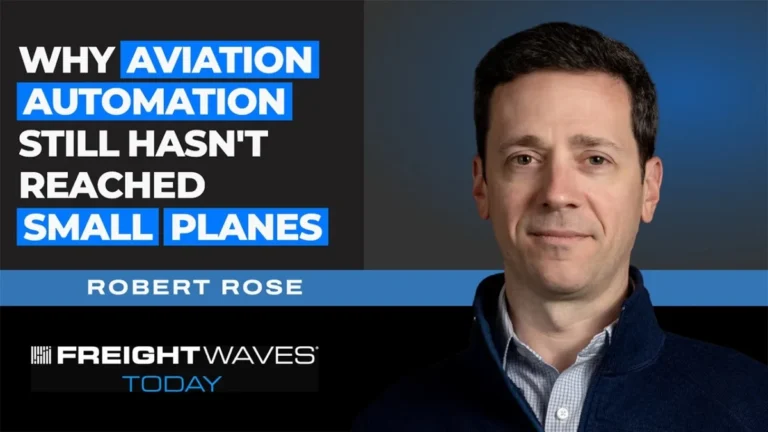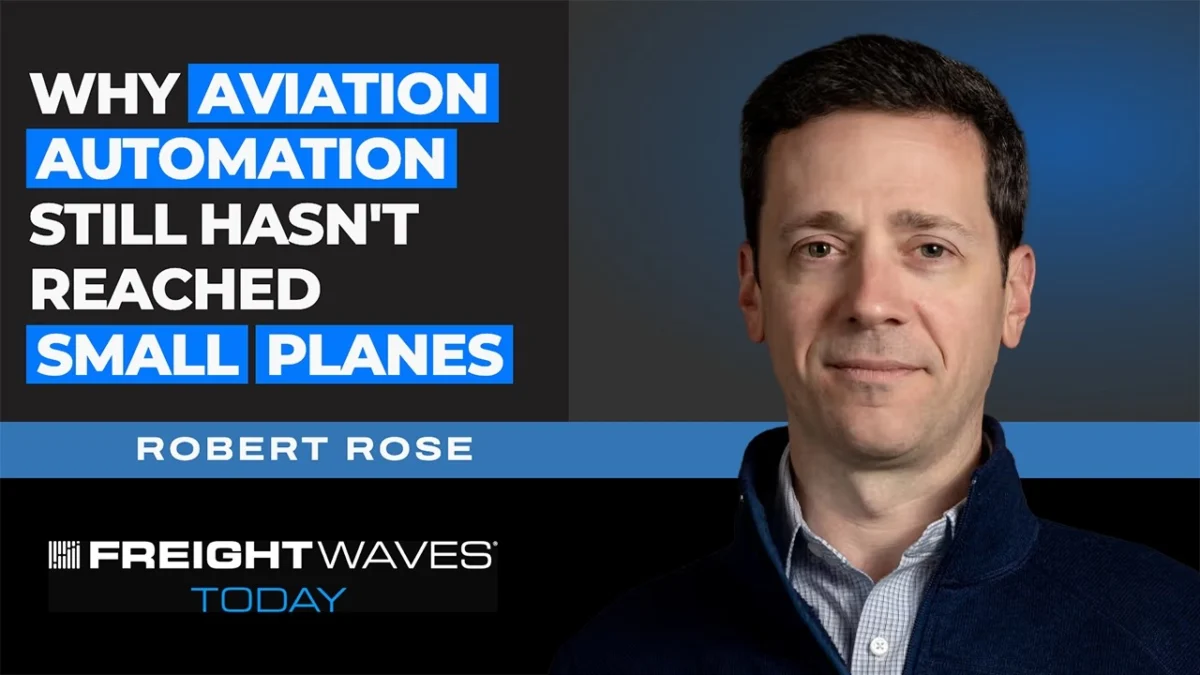
The aviation industry, long defined by human-in-the-loop control and century-old paradigms, is standing on the precipice of a profound transformation. At the center of this shift is Reliable Robotics, a startup founded by former SpaceX software engineer Robert Rose. With over $400 million in funding and a clear, FAA-approved roadmap in hand, the company is moving beyond the conceptual phase and into the rigorous execution of autonomous cargo aviation.
By retrofitting the venerable Cessna Caravan—the workhorse of regional air freight—with sophisticated flight computers, advanced sensors, and proprietary software, Reliable Robotics is aiming to solve one of the most persistent bottlenecks in the global supply chain: the shortage of pilots and the limitations of traditional, human-piloted regional flight.
Main Facts: Automating the Cessna Caravan
Reliable Robotics is not attempting to reinvent the airframe; instead, it is revolutionizing the avionics suite that governs it. The company’s primary objective is to obtain certification for pilotless cargo operations. Unlike drone delivery services that focus on small, short-range packages, Reliable Robotics is targeting the middle-mile freight sector.
The core of their technology is a ground control station designed to oversee flight paths with surgical precision. Operators interact with a touchscreen-based interface, programming complex routes that are then uploaded to the aircraft. Once the mission is live, the plane executes the plan autonomously.
Perhaps most striking is what the system lacks: there is no "autopilot disconnect" button, no remote joystick, and no rudder pedals. The ground operator acts as a high-level manager, not a remote pilot in the traditional sense. If communication between the ground station and the aircraft is severed, the plane is programmed to follow pre-determined "lost-comm" instrument flight rules (IFR) and execute automated collision avoidance maneuvers, ensuring that the vessel remains safe even in the absence of a human command link.
Chronology: From Concept to Cockpit
The journey for Reliable Robotics has been a marathon of regulatory engagement and iterative engineering.
- 2017–2023: The Foundation Years: The company spent its initial six to seven years in a deep, collaborative partnership with the Federal Aviation Administration (FAA). This period was not defined by flashy PR stunts, but by the arduous task of defining a certification roadmap for pilotless operations. According to Rose, these plans are now fully signed off, shifting the company’s focus toward the delivery of the systems described in those approvals.
- Late 2023: The Albuquerque Milestone: Last month, the company achieved a critical technical milestone at the Albuquerque Sunport. Under the FAA’s eVTOL Integrated Pilot Program (EIPP), the aircraft performed a series of demonstration flights, taxiing among commercial air traffic and executing complex instrument approaches.
- 2024–2025: Scaling the Roadmap: The upcoming phase, slated to begin next year, involves point-to-point cargo delivery between Albuquerque and Santa Fe, New Mexico. While these initial flights may still involve a safety pilot, the eventual goal is to transition to fully uncrewed, autonomous operations.
Supporting Data: Why Small Aircraft Need an Upgrade
Robert Rose argues that small aircraft, specifically those operating in Part 135 freight roles, are currently saddled with outdated systems that prioritize manual pilot intervention over modern safety software.
The onboard sensor suite is a significant leap forward for general aviation. The aircraft is equipped with radar capable of tracking a 220-degree field of view around the craft, with 40 degrees of vertical coverage. This data feeds into the ACAS X (Airborne Collision Avoidance System) algorithm. ACAS X is so robust that Congress is currently considering legislation to mandate its use across the entire commercial fleet, starting with major Part 121 carriers and eventually filtering down to general aviation.
The business model is intentionally "asset-light." By modifying existing airframes rather than embarking on the multi-billion-dollar endeavor of designing and manufacturing new aircraft, Reliable Robotics can direct its capital toward what it does best: safety analysis, software engineering, and high-fidelity avionics.
Official Responses: Navigating the Labor and Regulatory Landscape
One of the most sensitive topics surrounding autonomous aviation is the potential for friction with pilot unions. When asked about the prospect of human displacement, Rose maintains a pragmatic, long-term perspective.
Reliable Robotics is currently operating in the niche of Part 23 aircraft within Part 135 operations. These small-scale cargo routes are far removed from the complex labor agreements that govern major passenger airlines. Rose contends that the rollout of automation will be incremental, focusing on safety-enhancing features such as automated taxi, takeoff, and landing.
"I think it’s going to take many years," Rose noted during the Up Summit. "That’s a ways away." His strategy is to demonstrate the safety benefits of autonomy—specifically its ability to eliminate the "human factor" in aviation accidents, such as controlled flight into terrain—before tackling the societal and labor implications of completely removing the pilot from the cockpit.
Implications for the Global Supply Chain
The implications of Reliable Robotics’ technology extend far beyond the New Mexico desert. The current regional air freight model is struggling with the dual pressures of rising operational costs and a global pilot shortage. By removing the pilot from the aircraft, operators can theoretically lower the barrier to entry for regional shipping, making same-day, door-to-door, or hub-to-hub air freight economically viable for smaller markets that are currently underserved.
The Safety Paradigm Shift
Perhaps the most significant implication is the shift in safety philosophy. In modern aviation, "automation" usually refers to a system that assists the pilot. In the Reliable Robotics model, the system is the pilot. By removing the ability for a human to take manual control—which can often lead to "over-control" or confusion in high-stress situations—the company is betting on the consistency of algorithms. Every flight plan must terminate at a specific, verified runway parking spot, and the system is hard-coded to refuse commands that would result in flying into terrain or obstacles.
Regulatory Precedents
Reliable Robotics is essentially writing the rulebook for the FAA. Because there was no existing framework for pilotless cargo aircraft, the company had to build it from scratch. This creates a significant "moat" for their business; they are not just selling a product, they are selling a certified, regulatory-compliant process. This roadmap will likely serve as the blueprint for other companies attempting to enter the autonomous aviation space, effectively setting the standard for how the FAA will view uncrewed, high-utility aircraft for the next several decades.
A New Era of Logistics
If the company succeeds in scaling its Albuquerque-to-Santa Fe operations, it will prove that autonomous aviation is not just a concept for the future, but a viable, profitable, and safer way to move goods today. As Robert Rose puts it, aviation has no excuse to remain "primitive." With the software, sensor, and regulatory infrastructure finally aligning, the industry is poised to move from the age of human-reliant flight into an era of autonomous efficiency.
The path ahead remains challenging, involving years of testing and continued regulatory scrutiny. However, with $400 million in backing and a clear, milestone-driven approach, Reliable Robotics is arguably the most credible contender in the race to bring true autonomy to the skies. Whether this will lead to the total automation of the cargo industry remains to be seen, but the trajectory of the Cessna Caravan—once a simple cargo plane—is now pointing firmly toward a future where the pilot’s seat may, quite literally, be empty.
About the Author