The landscape of logistics security in Mexico is undergoing a volatile transformation. Criminal organizations, long known for their aggressive interception of moving vehicles on major highways, are pivoting toward a more patient, opportunistic strategy: targeting parked commercial trucks. This tactical evolution, which exploits nighttime vulnerabilities and the scarcity of secure infrastructure, is forcing a radical reassessment of supply chain protocols across the country’s most vital manufacturing corridors.
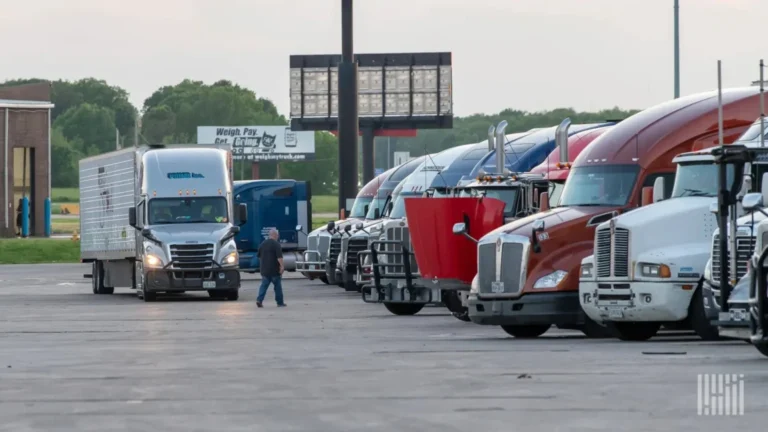
According to a comprehensive third-quarter 2026 cargo theft analysis by the supply chain risk management firm Overhaul, the paradigm of freight crime is shifting. The data reveals that thefts involving stationary, parked commercial vehicles now account for 42.2% of all reported incidents—a sharp, nine-percentage-point increase compared to the same period in 2025. Conversely, the frequency of "in-transit" interceptions has declined by 8.6 percentage points, falling to 55.4%.
"Now, in Mexico, you can’t move loads without a plan," warned Luis Enrique Villatoro, president of the National Association of Vehicle Tracking and Protection Companies (ANERPV). For logistics providers, manufacturers, and trucking fleets, the message is clear: the safety of a shipment is no longer guaranteed simply by keeping the wheels turning.
The Geography of Risk: Industrial Corridors Under Siege
The geographic concentration of these thefts underscores the strategic intent of criminal groups to disrupt the nation’s economic engine. Overhaul’s report highlights that 76% of all cargo theft incidents during the third quarter of 2026 were localized within two specific areas: Central Mexico, which accounted for 48% of incidents, and the Bajío manufacturing region, which represented 28%.
The "State of Mexico" remains the epicenter of this crisis, recording 22.5% of total thefts, followed closely by Puebla at 15% and Guanajuato at 9.6%. Together, these three states represent nearly half of all cargo-related criminal activity in the country.
However, the threat is metastasizing. The northeastern region saw its share of theft climb from 6% to 12% year-over-year, while the southeastern region witnessed a similar spike to 11.5%. Experts point to states like San Luis Potosí as emerging flashpoints. Due to its status as a logistical gateway linking the Bajío’s heavy manufacturing hubs to the northeastern border, it has become a primary focus for criminal syndicates seeking to maximize their reach.
Anatomy of a Criminal Shift: From Roadblocks to Parking Lots
The transition toward attacking parked vehicles is not merely a change in preference; it is a calculated response to increased law enforcement patrols on major federal highways. When authorities concentrate their efforts on specific routes, criminal groups do not necessarily retreat—they adapt.
Villatoro notes that criminal organizations are "mutating." For example, when police activity intensified along the Querétaro-Celaya corridor, groups simply shifted their operations toward San Luis de la Paz, Guanajuato, near the state border of San Luis Potosí. This "displacement effect" suggests that enforcement, while necessary, is failing to eliminate the threat, merely pushing it into adjacent, less-monitored territory.
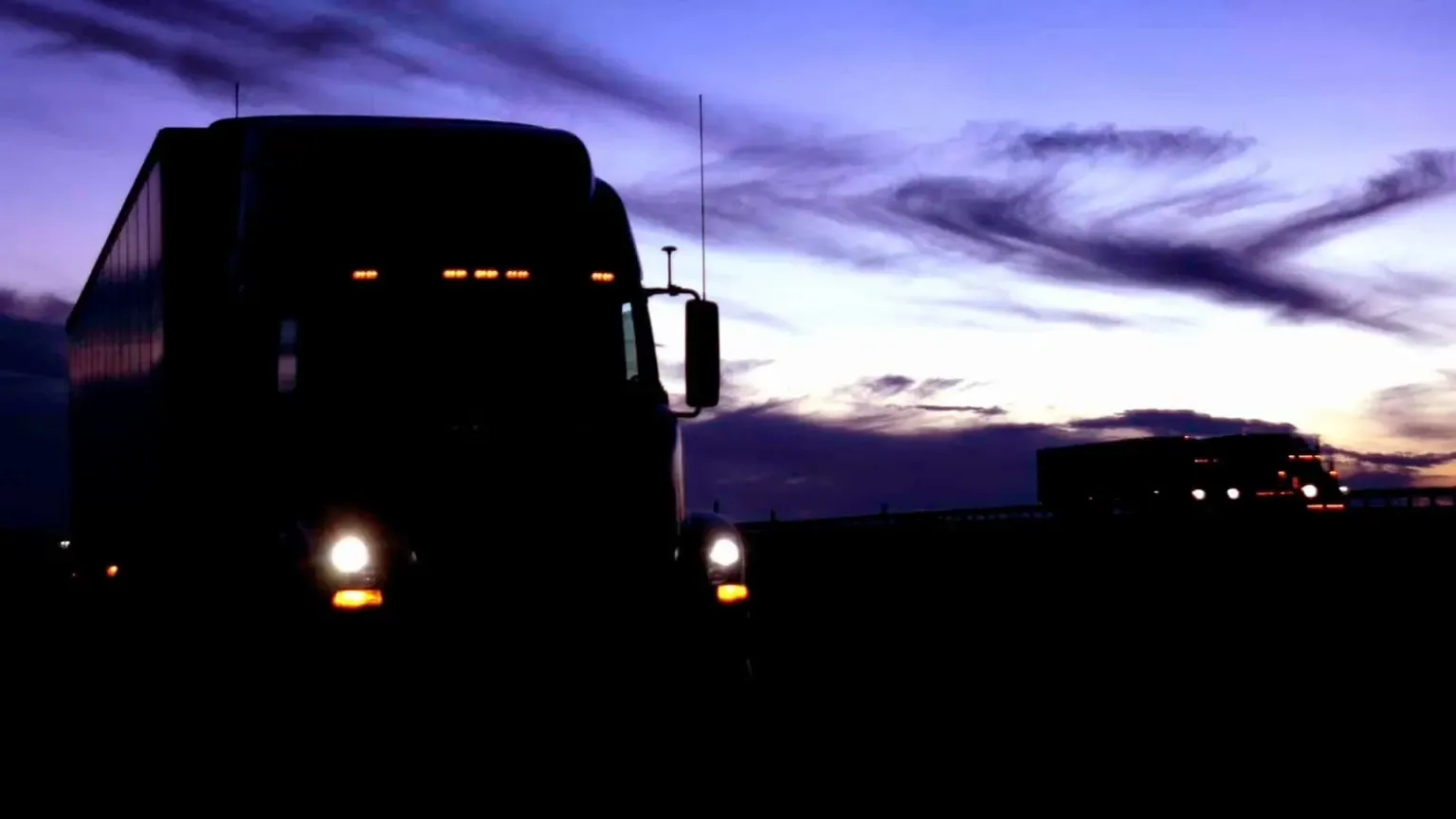
The methods used to intercept trucks remain sophisticated. On open roads, criminal syndicates frequently utilize multiple vehicles—sometimes including stolen tractor-trailers—to create artificial traffic jams, forcing commercial drivers to come to a complete stop before overwhelming them.
Once parked, the threats shift to informal truck stops and areas associated with illicit fuel sales, often referred to as "black market" havens. Ricardo Malacara, sales director at Overhaul, emphasized that the definition of a "safe haven" is in constant flux. "There are some parking lots that are more insecure than others," Malacara explained. "The status of safe havens is changing, and shippers must keep pace with real-time risk intelligence."
Chronology and Timing: The Darkest Hours
The temporal patterns of cargo theft further complicate security planning. Overhaul’s findings indicate a distinct correlation between low-visibility hours and criminal success. A staggering 61% of all cargo thefts occur between 6 p.m. and 6 a.m.
The early morning hours (midnight to 6 a.m.) are the most dangerous, accounting for 31% of incidents—a significant increase from the 22% reported in the third quarter of 2025. An additional 30% occur in the evening window between 6 p.m. and midnight.
While weekdays remain the primary theater for these crimes, accounting for 82% of incidents, the weekend is no longer a reprieve. Saturday’s share of theft incidents rose from 7% to 11% this year, suggesting that criminal groups are diversifying their operational schedules to capitalize on shipments that might be left unattended during the transition from the workweek to the weekend.
Targeted Goods: The Commodities of Crime
While all cargo is potentially vulnerable, the profile of stolen goods reveals the primary interests of organized crime. Food and beverage shipments remain the most targeted category, representing 32.6% of incidents—a 7.3-percentage-point increase over the previous year.
However, the surge in the theft of electronics is perhaps more concerning for the international trade sector. Electronics accounted for 6.1% of overall thefts, but their impact is disproportionate. Unlike food and beverage shipments, which are often stolen at rest, 85% of electronics thefts occur while the vehicle is in transit.
Crucially, electronics thefts follow a different temporal pattern, with 42% occurring between noon and 6 p.m. and 31% between 6 a.m. and noon. This daylight-heavy profile suggests that syndicates targeting high-value electronics are well-organized, likely relying on intelligence regarding specific, high-value routes. Five major corridors—most notably the Mexico City-Saltillo corridor via Federal Highway 57D—account for 73% of all electronics-related thefts.

Official Responses and Strategic Implications
The industry is now bracing for a volatile fourth quarter. With the arrival of the "Buen Fin" shopping event, Black Friday, and the subsequent surge in holiday e-commerce, the demand for logistics services is peaking. Villatoro projects that cargo theft could rise by as much as 9% to 11% in November alone as the volume of high-value consumer goods on the roads increases.
To combat these threats, logistics leaders are being urged to move beyond passive tracking. Ricardo Malacara emphasizes the need for an integrated "security program" rather than relying on a single tracking device.
"Visibility alone is no longer sufficient," Malacara stated during the Overhaul webinar. "We need to be doing analysis constantly and changing the strategy. It can’t be a static plan."
This proactive approach includes:
- Dynamic Routing: Using real-time intelligence to avoid high-risk corridors that shift based on current crime trends.
- Hardened Parking Policies: Requiring drivers to utilize only pre-verified, secure facilities that offer high-level physical security and surveillance, even if it adds time to the route.
- Cold-Chain Integrity: Leveraging real-time telematics to monitor not just the location, but the environment of the cargo. This is particularly vital for pharmaceuticals and perishables, where tampering or environmental shifts—often caused by prolonged, forced stops—can result in total inventory loss.
- Operational Scheduling: Adjusting delivery windows to favor daylight transit for high-value loads, while simultaneously hardening the protection protocols for mandatory nighttime stops.
Conclusion: The New Reality of Mexican Logistics
The data provided by Overhaul serves as a stark reminder that the criminal element in Mexico is dynamic, intelligent, and highly adaptable. The shift toward attacking parked vehicles represents a direct assault on the traditional "stop-and-rest" model of long-haul trucking.
As the lines between transit-based crime and stationary-based crime blur, the onus falls on the logistics provider to act as both a transporter and a security operator. For businesses integrated into the Mexico-U.S. supply chain, the "new normal" requires a sophisticated blend of route intelligence, physical security, and constant, real-time vigilance. In an environment where the rules of the road are dictated by organized crime, those who fail to adapt their security plans are increasingly becoming the targets of the next wave of theft.
About the Author