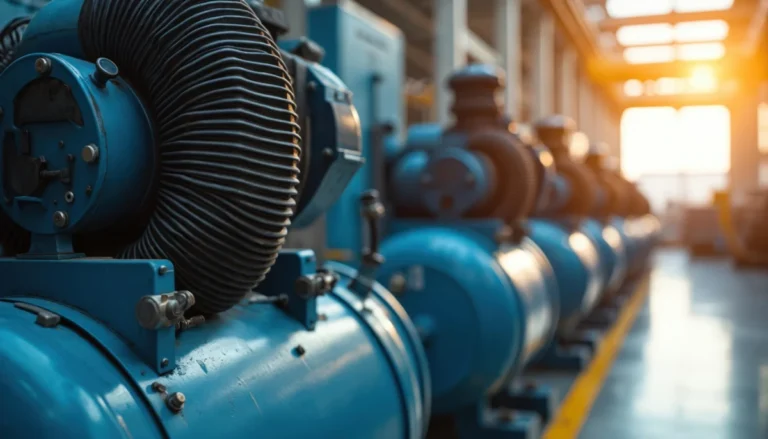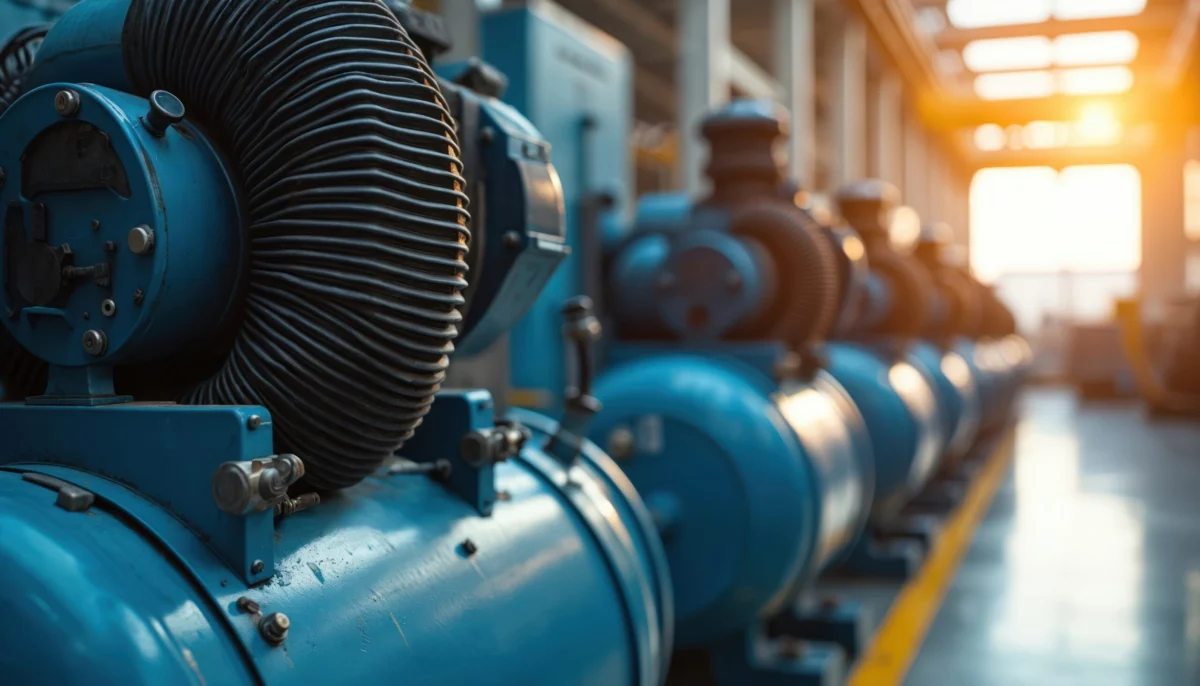
In the high-stakes environment of modern manufacturing, compressed air is often described as the "fourth utility," ranking alongside electricity, water, and natural gas. Yet, unlike these other services, compressed air is not something a facility simply plugs into; it must be manufactured on-site. This unique characteristic makes it both a versatile workhorse and a notoriously complex system to manage. When operating correctly, compressed air is the silent lifeblood of the factory floor, powering everything from precision pneumatic tools and robotic arms to complex packaging lines and chemical processing systems. When it fails, production grinds to a halt.
For plant managers and engineers, mastering the intricacies of compressed air—from generation and treatment to storage and distribution—is not just an operational necessity; it is a critical strategy for reducing overhead and enhancing overall facility reliability.
The Anatomy of a Compressed Air System: Beyond the Compressor
The common misconception among those outside of industrial engineering is that a compressed air system is synonymous with the compressor itself. In reality, the compressor is merely the engine of a much larger, interconnected network. A robust system is defined by its ability to generate, treat, store, and distribute air with surgical precision.
The Lifecycle of Air
The process begins with ambient air. Once drawn into the system, this air undergoes a radical transformation, having its volume reduced and pressure increased. This stage, while essential, introduces heat and moisture, necessitating a secondary stage: air treatment. Without proper drying and filtration, compressed air can wreak havoc on downstream equipment, introducing contaminants that cause corrosion and degradation.
The typical architectural flow of a system follows a specific sequence:
- Atmospheric Intake: Drawing in ambient air.
- Compression: Mechanical reduction of volume to build pressure.
- Treatment: Cooling, drying, and filtering to remove moisture and oil.
- Storage: Buffering the system to manage demand spikes.
- Distribution: Moving the air through a piping network to the point of use.
- Point-of-Use Regulation: Ensuring the specific pressure required for individual tools.
Choosing the Right Heart: Compressor Technologies
The "heart" of the system—the compressor—must be selected based on the facility’s specific load profile rather than generic horsepower ratings. Misalignment here is the primary cause of energy waste and premature equipment failure.
- Rotary Screw Compressors: The standard for continuous-duty industrial applications. These units are prized for their reliability and ability to provide a constant flow of air. Modern variants often feature Variable Frequency Drives (VFDs), which allow the motor to adjust its speed in real-time based on demand, drastically reducing energy costs during off-peak hours.
- Reciprocating (Piston) Compressors: These are the workhorses for smaller shops or environments with intermittent, low-to-medium demand. While they are highly efficient for low-duty cycles, they are generally less suited for the continuous, high-volume needs of large-scale manufacturing.
- Centrifugal Compressors: Designed for heavy industry and large-scale operations, these machines use high-speed impellers to move massive volumes of air. They are highly efficient but require a consistent, high-demand profile to justify their operation.
The Balancing Act: Pressure vs. Flow
In the world of pneumatics, "pressure" and "flow" are the two critical variables, yet they are frequently confused. Flow (CFM) is the volume of air available to perform work, while Pressure (PSIG) is the force behind that volume.
A frequent, costly error is the "more is better" fallacy: increasing system pressure to compensate for an apparent lack of flow. This creates a vicious cycle. Increasing pressure at the compressor significantly drives up energy consumption—a 2 PSI increase in discharge pressure typically translates to a 1% increase in energy costs. Instead of cranking up the pressure, engineers should look at the distribution network. Is the piping undersized? Are there excessive bends or restrictive valves? By optimizing the distribution path, plants can often achieve the necessary flow at a lower pressure, resulting in immediate, compounding energy savings.
Strategic Storage: The Buffer Advantage
Air receivers, or storage tanks, are frequently undervalued. They act as the system’s "battery," providing a reserve of compressed air to handle peak demand fluctuations. By maintaining a buffer, the storage tank prevents the compressor from rapid, unnecessary cycling.
- Wet Storage: Positioned upstream of the dryer, wet storage allows for cooling and initial moisture separation, protecting the dryer from liquid surges.
- Dry Storage: Positioned downstream of the treatment equipment, this provides a reservoir of high-quality, treated air, ensuring that the system can meet sudden, high-volume demands without a drop in line pressure.
The Critical Importance of Air Treatment
The environment inside a compressor is harsh. Atmospheric air contains water vapor, which, when compressed, reaches its saturation point and turns into liquid. This condensate, if left untreated, is corrosive.
ISO 8573-1 Standards
Facility managers must adhere to the ISO 8573-1 standards for air quality. This framework categorizes contaminants—particles, water, and oil—into classes. A food-processing plant, where air may come into contact with the product, requires a much higher purity class than a metal fabrication shop where the air only powers rough cutting tools.
Investing in the correct dryer—whether refrigerated, desiccant, or membrane—and the appropriate multi-stage filtration ensures that the "utility" being delivered is clean, dry, and safe for the equipment it powers.
Leak Detection: The Silent Revenue Drain
If there is one "low-hanging fruit" in industrial maintenance, it is leak management. A single 1/4-inch leak in a system operating at 100 PSI can cost a facility thousands of dollars annually in wasted energy. Because air leaks are often silent or masked by the ambient noise of a factory floor, they can persist for months or years.
Implementing a proactive leak detection program—utilizing ultrasonic leak detectors—is perhaps the single most effective way to improve system efficiency. This is not just maintenance; it is an immediate improvement to the bottom line.
Monitoring and Control: The Digital Shift
Modern compressed air systems are evolving into "smart" utilities. Advanced monitoring systems now provide real-time data on pressure, flow, temperature, and energy consumption.
By integrating master controllers, facilities can move away from independent compressor management. A master controller treats multiple compressors as a single, cohesive unit, intelligently sequencing them to ensure that the most efficient machines are running at optimal loads, while others are brought online only as demand dictates. This level of orchestration transforms a collection of machines into a highly responsive, high-efficiency system.
Implications for Future-Proofing
Designing a system for today is a recipe for obsolescence. A professional approach to compressed air requires a forward-looking design that anticipates future production expansion.
- Scalability: When designing piping loops, ensure the infrastructure can handle a 20-30% increase in load without significant pressure drop.
- Environmental Awareness: Consider the ambient conditions of the compressor room. Poor ventilation leads to overheating, which reduces both efficiency and the lifespan of the compressor oil and internal components.
- Total Cost of Ownership (TCO): When purchasing equipment, ignore the initial capital expenditure (CAPEX) as the sole decision-maker. The electricity consumed over the 10-year lifespan of a compressor often exceeds the purchase price by a factor of five or more. Invest in energy-efficient technology to ensure the TCO remains manageable.
Conclusion: The Quiet Utility
The ultimate sign of a well-designed compressed air system is that it never makes the news. It operates in the background, reliably providing the power needed to keep the wheels of industry turning. By moving away from a "fix-it-when-it-breaks" mentality toward a data-driven, systematic approach—focusing on proper sizing, leak prevention, high-quality treatment, and intelligent controls—manufacturers can turn their compressed air system from a hidden energy drain into a competitive advantage.
In an era where sustainability and operational efficiency are paramount, the invisible engine of the plant deserves the most visibility. When the system is quiet, the facility is productive, and the costs are controlled—which is exactly how it should be.
About the Author