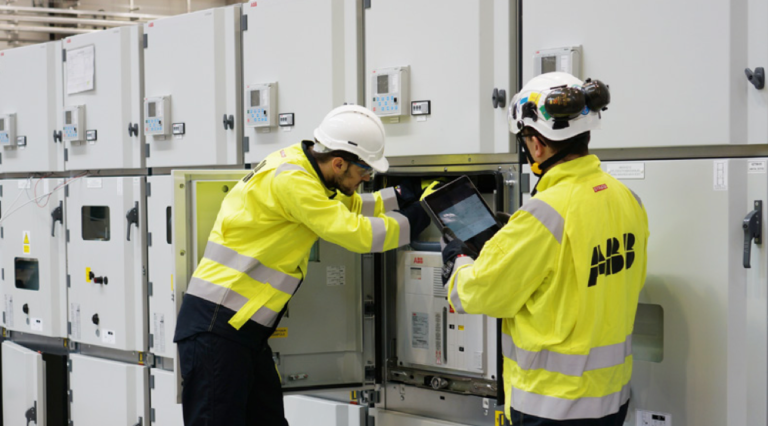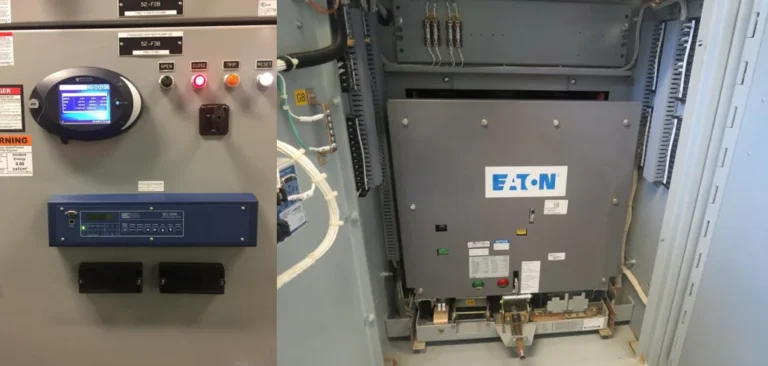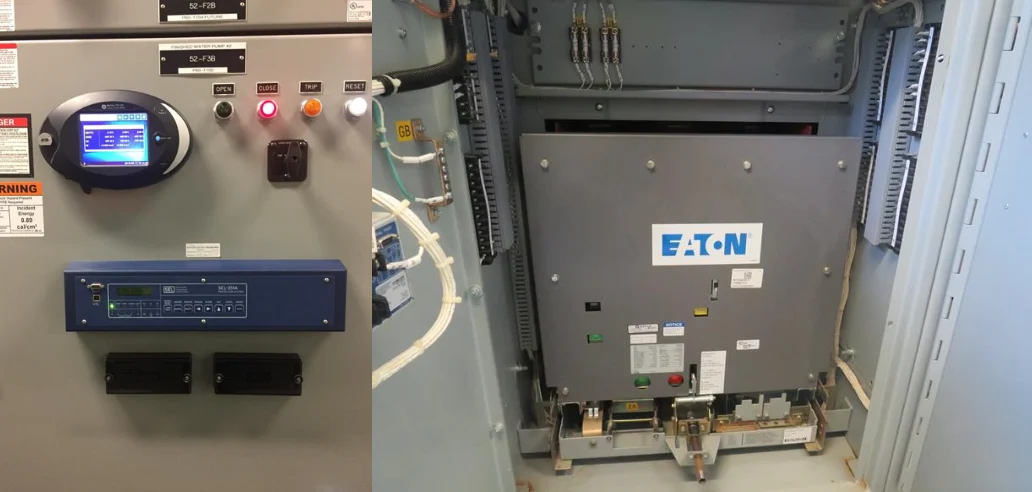
In the modern world, electricity is the invisible pulse that sustains civilization. From the micro-electronics in a smartphone to the massive industrial switchgear powering a municipal water treatment plant, our dependency on reliable power is absolute. Yet, this reliance masks a sophisticated, high-stakes battle being waged within our walls, panels, and substations. It is a constant, split-second struggle between the controlled flow of energy and the chaotic, destructive potential of electrical faults. At the heart of this struggle lies circuit protection—the foundational, often overlooked technology that acts as the final line of defense against catastrophe.
The Anatomy of Electrical Hazards: Main Facts
To understand the necessity of circuit protection, one must first demystify the physics of electricity. Electrical systems are governed by the relationship between current (flow), voltage (pressure), and resistance (the inhibitor). When these variables shift outside of their engineered parameters, faults occur.
The primary threats to any electrical system include:
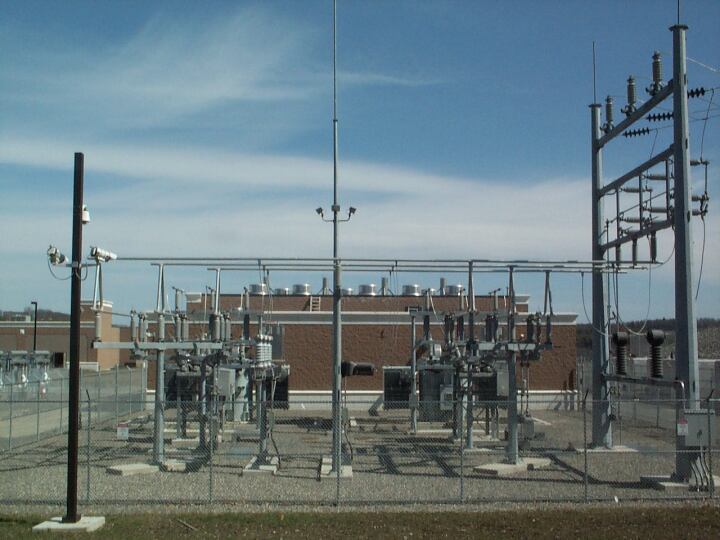
- Overloads: These occur when a circuit is forced to carry more current than its conductors can safely handle. This is often a byproduct of "daisy-chaining" too many devices on a single branch. The danger here is thermal: sustained heat degrades wire insulation, turning walls into silent tinderboxes.
- Short Circuits: This is the most violent of electrical failures. It occurs when a low-resistance path—such as a frayed wire touching a grounded metal chassis—bypasses the intended load. Resistance drops toward zero, causing current to surge to levels that can vaporize metal and trigger explosive arcing.
- Ground Faults: These occur when electricity finds an unintended path to the earth, often through a person or a conductive surface. Unlike an overload, which threatens the equipment, a ground fault poses an immediate, lethal risk to human life.
- Overvoltage (Surges): Whether caused by a lightning strike or a utility switching operation, sudden spikes in voltage can instantly destroy sensitive semiconductor components, rendering sophisticated machinery useless in a nanosecond.
A Chronological Evolution of Protection
The history of electrical protection is a timeline of human ingenuity responding to the growing hazards of electrification.
- 1880s–1920s (The Era of the Fuse): In the infancy of power distribution, Thomas Edison patented the first electrical fuse. It was a simple, elegant solution: a "sacrificial" wire designed to melt and open the circuit before the house wiring could catch fire. It remains the gold standard for simplicity and reliability.
- 1930s–1960s (The Rise of the Breaker): As residential and industrial loads increased, the need for "resettable" protection became apparent. The thermal-magnetic circuit breaker emerged, allowing operators to clear faults and restore power without the tedious task of replacing physical fuses.
- 1970s–1990s (The Personal Protection Revolution): The development of the Ground Fault Circuit Interrupter (GFCI) marked a major shift toward protecting people rather than just equipment. By detecting minute imbalances in current, these devices began saving thousands of lives in wet, high-risk environments.
- 2000s–Present (The Digital Age): The current era is defined by the Arc Fault Circuit Interrupter (AFCI) and digital protective relays. These devices use microprocessors to "listen" to the signature of electrical current, distinguishing between a normal motor startup and the chaotic, high-frequency sound of a dangerous arc fault.
The Core Protectors: Fuses vs. Circuit Breakers
The industry relies on two distinct pillars of overcurrent protection devices (OCPDs):
Fuses: The Sacrificial Guardians
Fuses operate on the principle of Joule heating (I²R). When current exceeds the fuse’s rating, the internal element melts, physically breaking the circuit. Fuses are unmatched in their ability to interrupt massive short-circuit currents and are favored in high-voltage utility applications where they offer a cost-effective, maintenance-free, one-time solution.
Circuit Breakers: The Electromechanical Sentinels
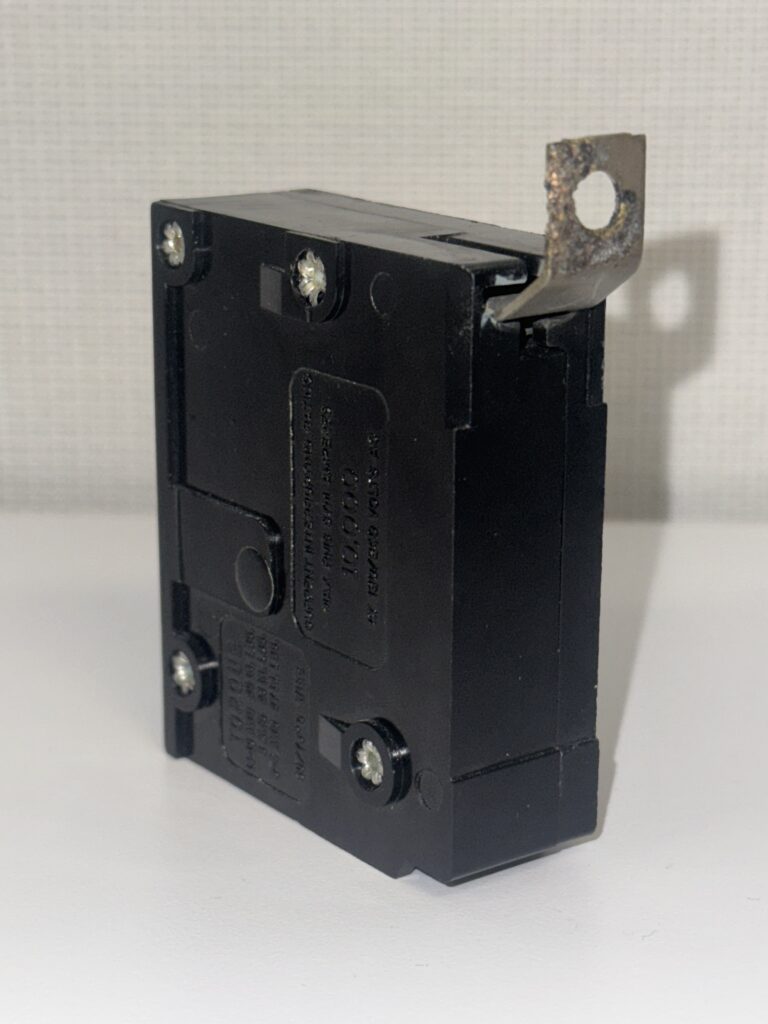
Circuit breakers are the workhorses of modern infrastructure. They utilize two mechanisms: a bimetallic strip for thermal overloads (slow trip) and an electromagnet for short-circuit faults (instantaneous trip). Their primary advantage is operational continuity; they can be reset, providing facility managers with the ability to troubleshoot and restore systems without needing spare parts on hand.
Supporting Data: Layered Defense Strategies
Effective engineering requires a "layered" approach to safety. A robust industrial installation typically incorporates a hierarchy of protection:
- Utility-Level: Large-scale breakers and reclosers protect the grid from cascading failures.
- Service Entrance: Surge Protection Devices (SPDs) are installed here to clamp massive voltage transients.
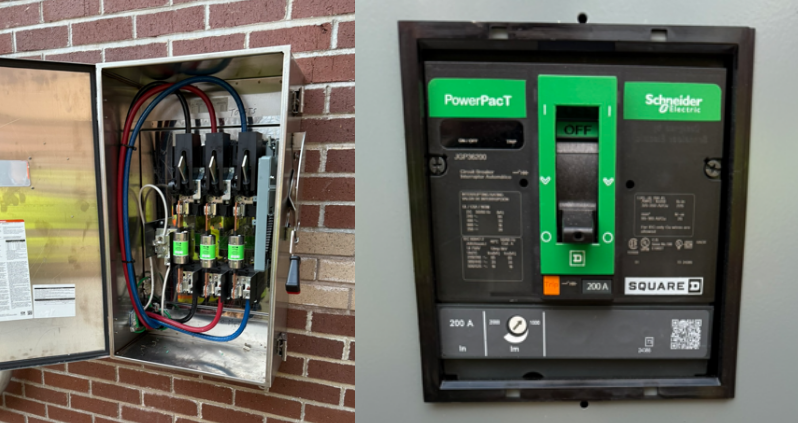
- Distribution Panels: Molded-case circuit breakers (MCCBs) provide the primary branch protection.
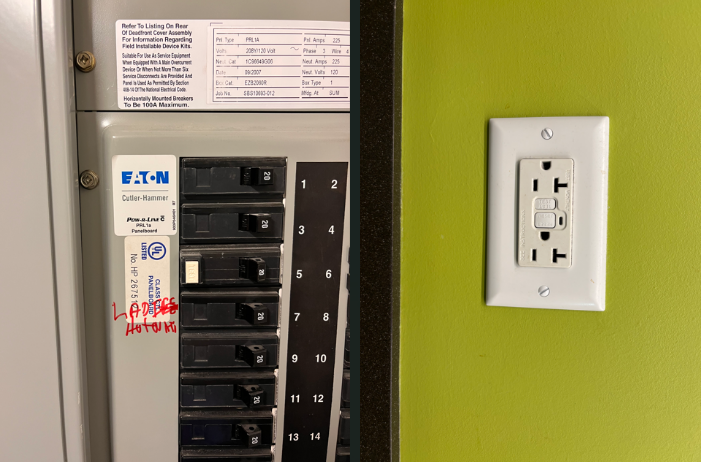
- End-Point: AFCIs and GFCIs offer the final, granular level of protection for individual outlets and appliances.
Data from the National Fire Protection Association (NFPA) consistently shows that in buildings where these modern, integrated protection devices are correctly installed, the frequency of electrical fires and shock-related injuries drops by over 60%.
Official Industry Perspective: The Shift Toward Intelligence
Industry experts and safety organizations, including the IEEE and NFPA, emphasize that the future of protection is not just about "tripping" but about "sensing."
"The transition from passive components to active, digital protection represents the most significant shift in electrical safety in fifty years," says a lead engineer at a major power infrastructure firm. "We are moving away from devices that simply react to a fault, toward systems that anticipate them. Through digital relaying and smart-grid integration, we can now see a fault coming, isolate it, and reroute power before the end-user even notices a flicker."
This move toward "self-healing" grids is essential for the integration of renewable energy sources like wind and solar, which are inherently more volatile and require more sophisticated, rapid-response protection than the steady-state coal and nuclear plants of the past.
Implications for Modern Infrastructure
The implications of robust circuit protection are far-reaching, touching upon sustainability, safety, and economic resilience:
- Economic Stability: Unplanned downtime in a manufacturing facility can cost thousands of dollars per minute. Advanced selective coordination—the art of ensuring only the specific faulted breaker trips, rather than the entire main breaker—is critical for modern "Always-On" facilities.
- The Smart Grid Transition: As we electrify everything—from heating systems to transportation—the load on our distribution networks will increase. Protection devices must now handle higher current densities and complex bi-directional power flows, requiring a new generation of solid-state circuit breakers that operate at electronic speeds.
- Personnel Safety: Perhaps the most vital implication is the ongoing reduction in workplace fatalities. With arc-flash mitigation technologies now being integrated directly into switchgear, the risk to electricians and facility staff during maintenance is at an all-time low.
Conclusion: A Future Built on Protection
Circuit protection is the silent bedrock of our technological society. While it remains invisible to most, it is the constant arbiter of safety. From the simple melt-wire fuse that protected a 19th-century bulb to the complex, AI-driven digital relays that safeguard our modern smart grids, the evolution of these devices reflects our own progress.
As we look toward an increasingly electrified future, the robustness and intelligence of our circuit protection systems will determine the resilience of our civilization. By continuing to innovate in arc-fault detection, surge suppression, and selective coordination, we ensure that the power that drives our world remains not just a convenience, but a safe, reliable, and sustainable force for generations to come. The integrity of every watt we consume is a testament to these unsung guardians, standing watch in every panel and every substation, protecting the light from the chaos of the dark.
About the Author