The landscape of industrial design is currently undergoing a renaissance, characterized by a shift toward hyper-utility, sustainable material science, and the re-imagining of mundane objects. From the granular details of household hardware to ambitious concepts for disaster-resilient architecture, the past week has offered a profound glimpse into how designers are solving contemporary problems with elegance and efficiency.
This review explores the latest breakthroughs, examining the intersection of artistic expression and pragmatic engineering that defines the current design climate.
The Core Philosophy: Why Design Matters
At the heart of the modern industrial design movement is the "Human-Centric" approach. Whether it is a power bank, a chair, or a specialized piece of stationery, the objects we interact with daily shape our quality of life. This week’s developments underscore a trend toward "re-thinking the basics"—taking objects that have remained stagnant for decades and applying modern manufacturing techniques and ergonomic insights to improve them.
Chronology of Innovation: A Weekly Digest
Early Week: Hardware and Human Interaction
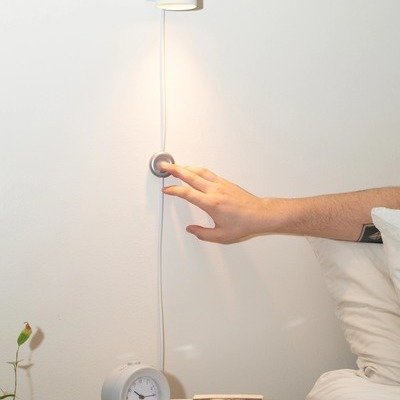
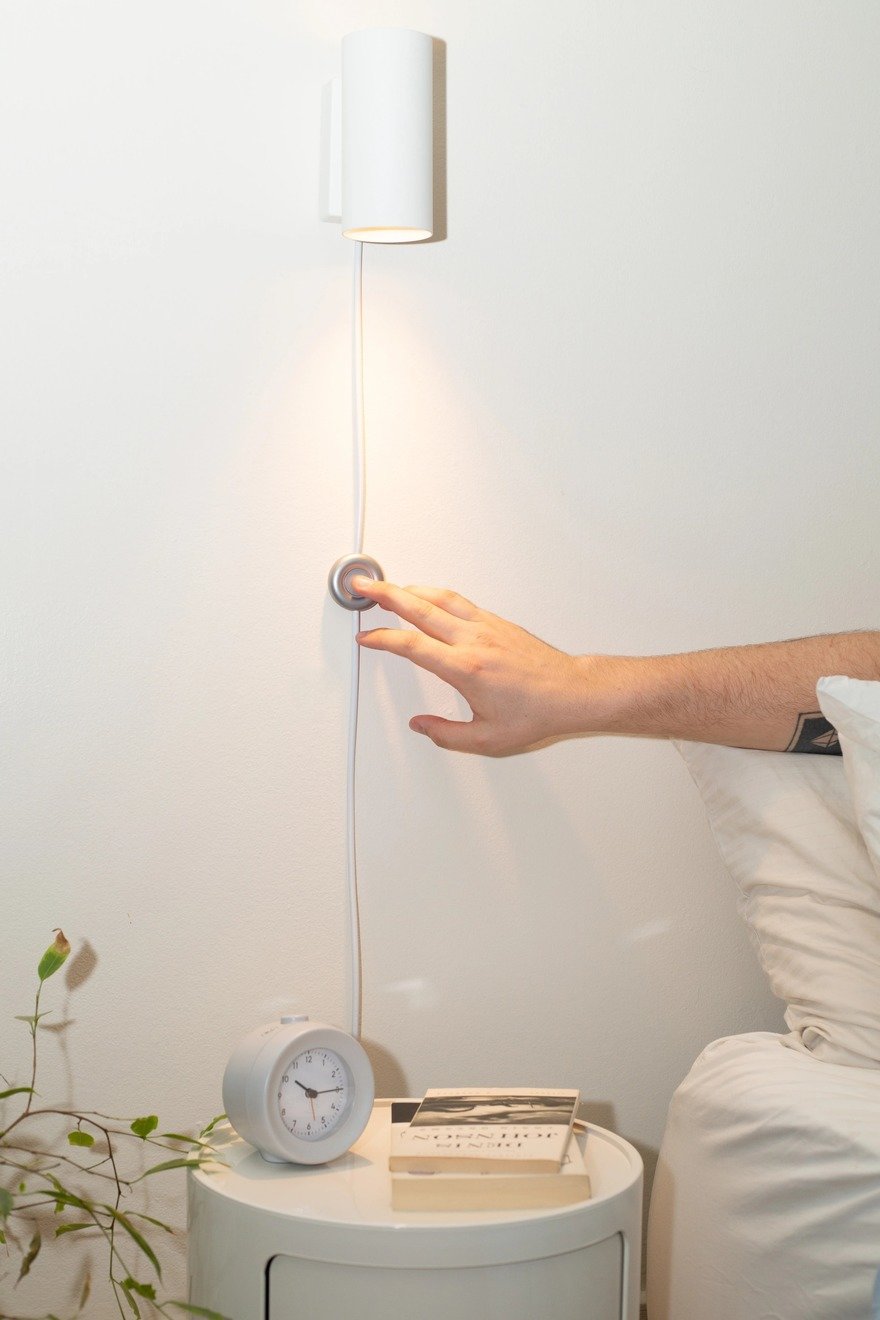
The week began with a focus on tactile interaction. Industrial designer Andrew King introduced "Modal," a project aimed at elevating the humble inline lamp switch. Often an afterthought in lighting design, King’s work challenges the aesthetic and functional inadequacy of mass-produced plastic switches, proposing a version that feels intentional and tactile.
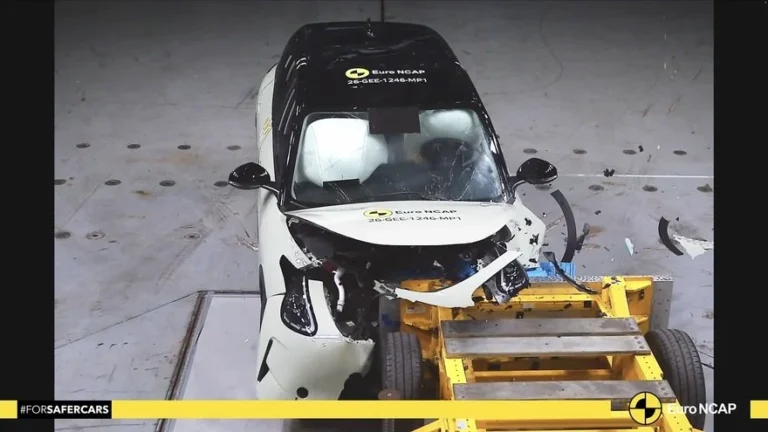
Simultaneously, practical problem-solving took center stage as we explored the frustrating, yet common, dilemma of a dead key fob battery. The resulting guide on how to bypass digital locks to access and start a vehicle manually served as a stark reminder of the vulnerability inherent in modern "smart" convenience.
Mid-Week: Sculpture and Survival
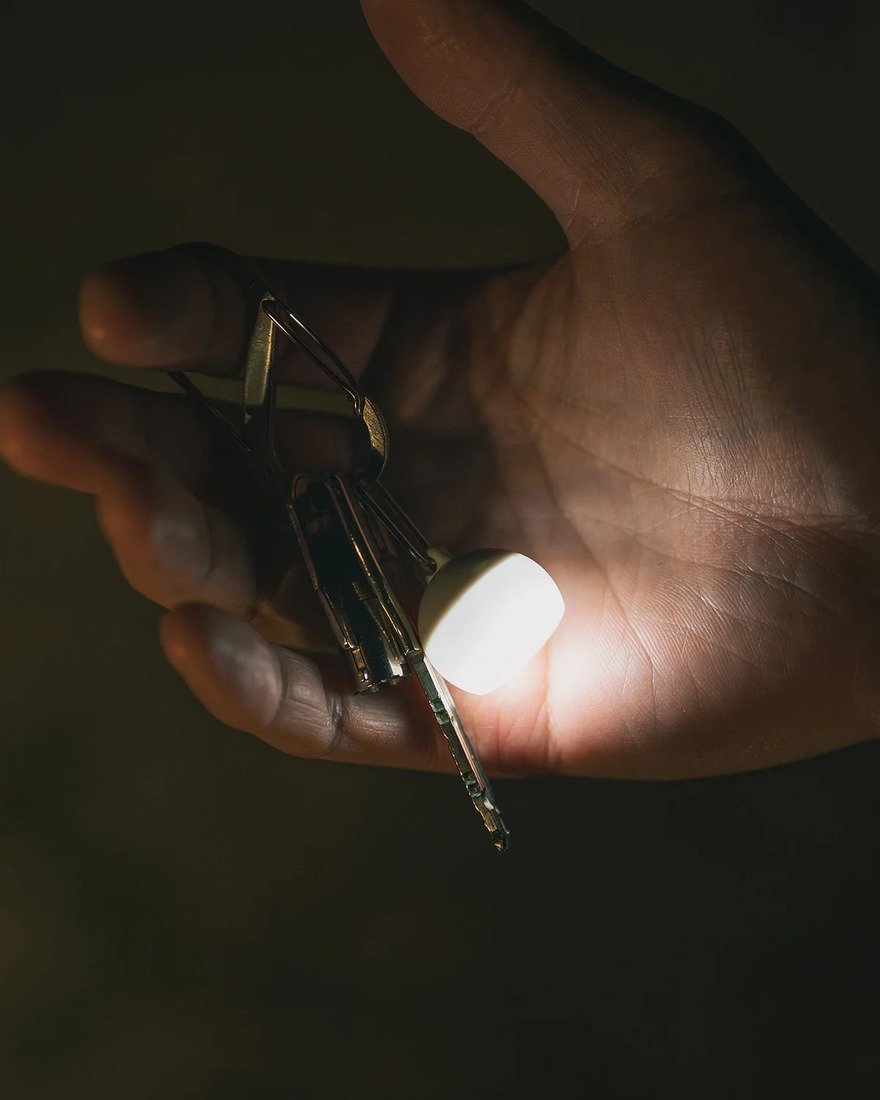
As the week progressed, the narrative shifted toward the intersection of art and emergency preparedness. Studio Douze Degrés unveiled "Flare," a candle-powered light that merges sculptural beauty with ambient utility. The piece functions as a meditative light source, proving that functional lighting does not require complex circuitry.

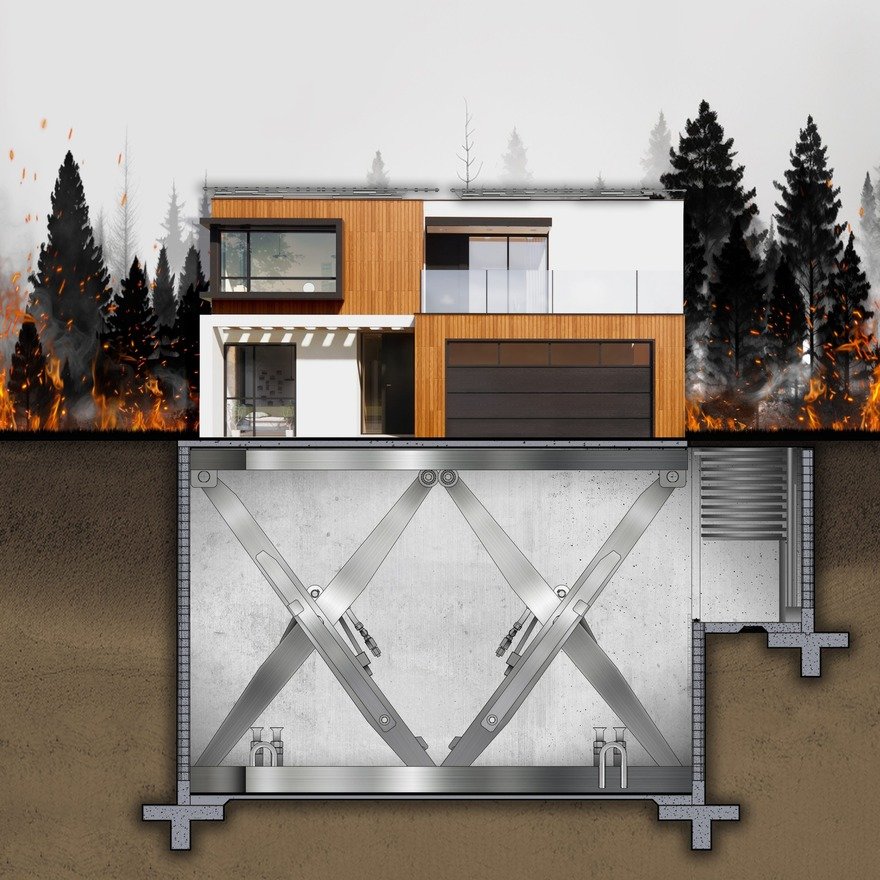
On a larger, more existential scale, the architectural world took note of HiberTec Homes. This conceptual project addresses the growing necessity for disaster-resilient housing. By designing modular structures capable of retreating into the ground during natural disasters, HiberTec challenges the current limitations of residential architecture in flood and storm-prone regions.
Late Week: Materiality and Office Efficiency
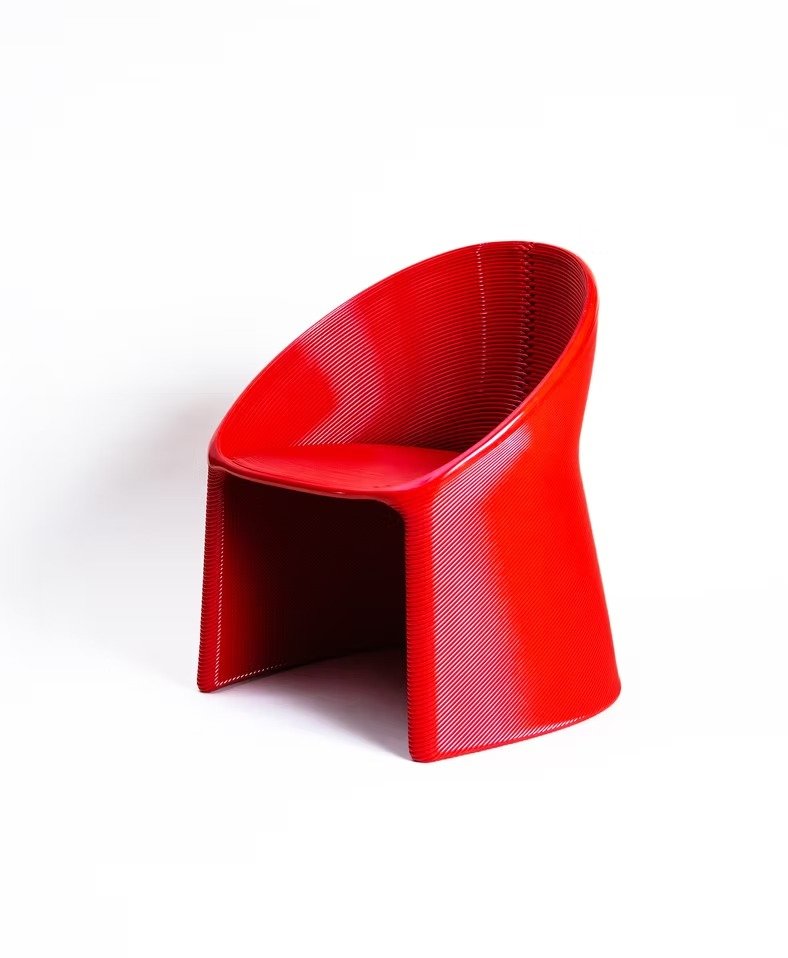
The latter half of the week celebrated material innovation. Decibel’s circular-material 3D-printed chair represents a major milestone in sustainable furniture, proving that circular economy principles can yield high-end, durable aesthetics. This was followed by Shinkogeisha’s 3D-printed chair, which pays homage to the vibrant, experimental spirit of 1970s Italian design, blending retro sensibilities with cutting-edge additive manufacturing.
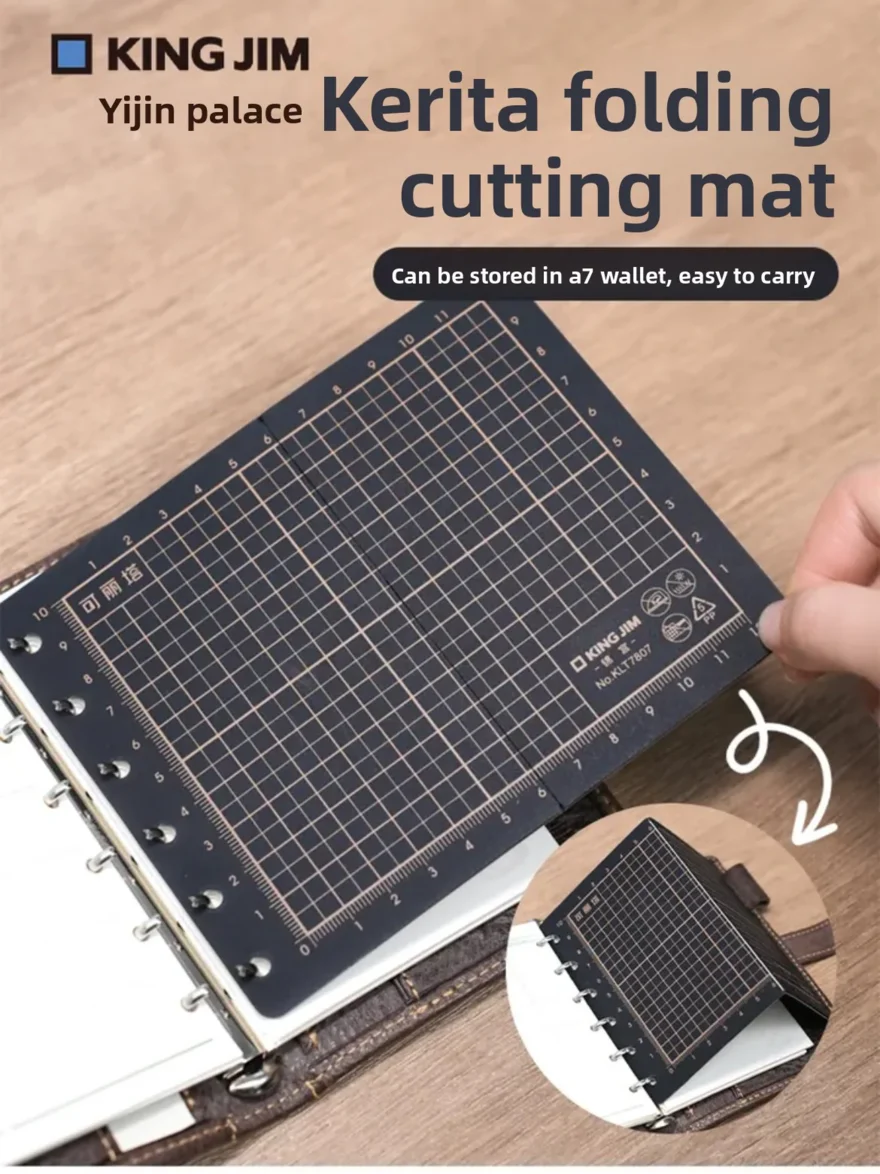
Finally, the office and workshop space received a boost with the introduction of Magflap’s innovative clipboard—a tool that utilizes magnetic integration to provide three distinct functional advantages—and the introduction of self-healing, foldable cutting mats that optimize space without sacrificing durability.
Supporting Data: The Impact of New Manufacturing Processes
The prevalence of 3D printing in this week’s highlights is not merely a stylistic choice; it is a data-driven shift in manufacturing.
- Additive Manufacturing Efficiency: The ability to print furniture (such as the Decibel and Shinkogeisha chairs) reduces raw material waste by up to 40% compared to traditional subtractive manufacturing (milling/carving).
- Modular Resilience: The HiberTec concept draws on geotechnical data suggesting that subterranean or semi-subterranean structural foundations offer significantly higher shear strength during seismic events compared to traditional surface-level framing.
- Stationery Evolution: Innovations like the multifunctional scissors from Japan’s Sun-Star Stationery reflect a trend toward "micro-utility," where space-saving designs are prioritized to accommodate the shrinking footprints of modern home offices.
Official Perspectives and Designer Intent
In interviews and design statements, the common thread among these innovators is the rejection of "planned obsolescence."
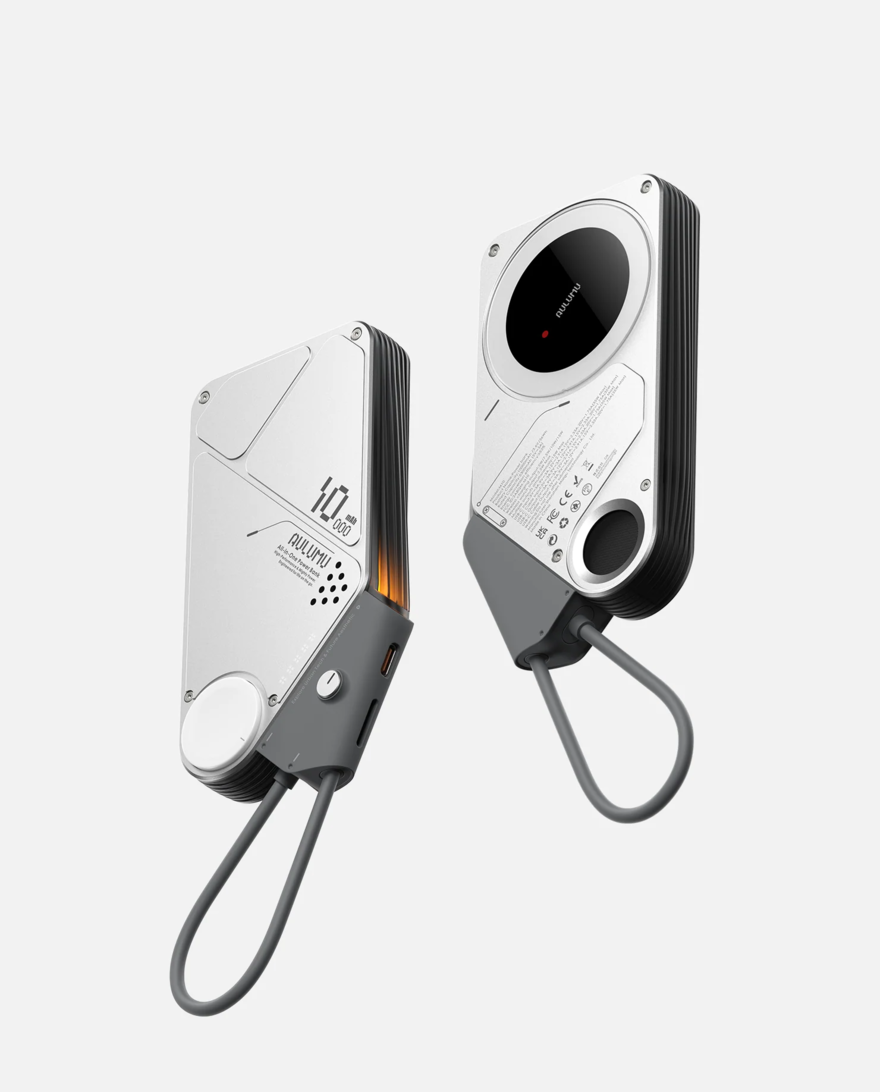
For instance, the designers at Aulumu regarding their M10 powerbank, argue that mobile accessories should no longer be disposable tech. By integrating high-grade materials and distinct, rugged aesthetics, they aim to create a product that users want to keep for years rather than months.
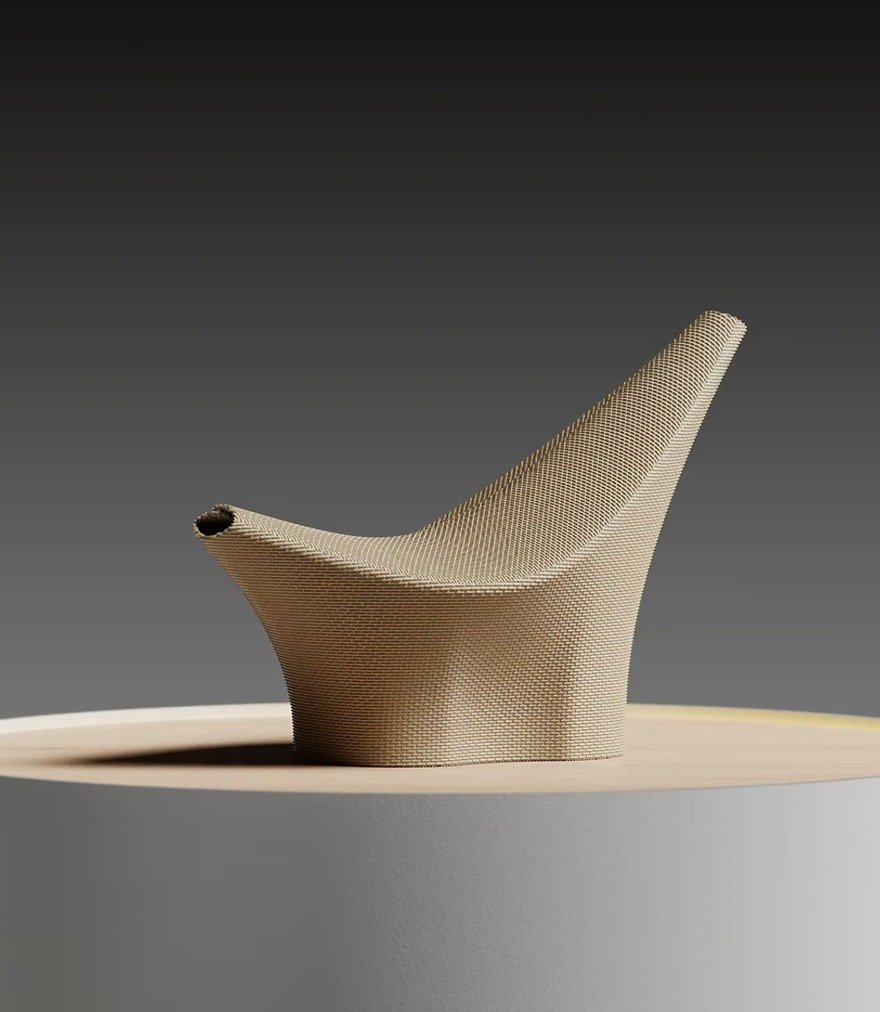
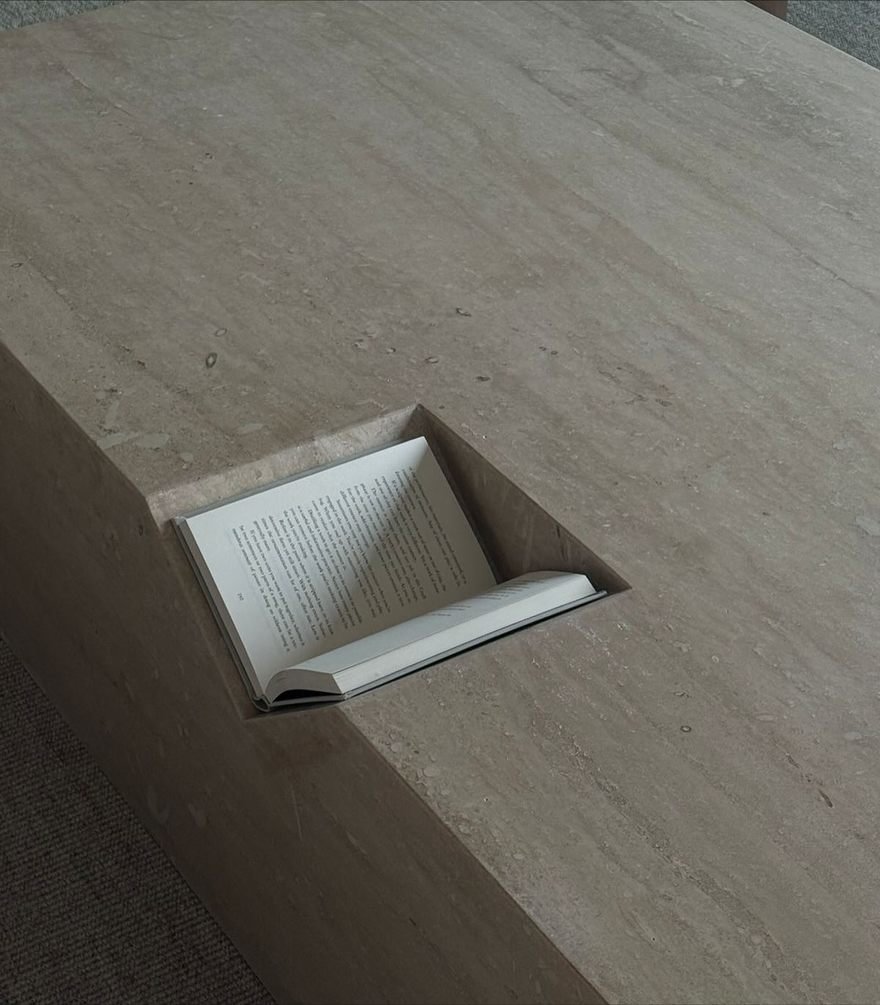
Similarly, industrial designer Jisan Chung suggests that the "re-thinking of the flower vase" is a response to the homogenization of home decor. By shifting the geometry of a standard vase, the object stops being a passive vessel and becomes an active participant in the room’s composition. This sentiment is mirrored by Fernanda Díaz Tijerina, whose furniture designs specifically target the "committed book lover," proving that hyper-specialized, ergonomic design can create a stronger emotional bond between the user and their furniture.
Implications for the Future of Design
The implications of this week’s design developments are threefold:
1. The Death of the "Disposable" Object
We are seeing a clear migration away from cheap, plastic, single-use hardware. When designers like Andrew King dedicate effort to something as simple as a lamp switch, it signals a broader cultural demand for durability and sensory satisfaction. Consumers are increasingly willing to pay for "heirloom-quality" hardware.
2. The Normalization of 3D Printing
We have moved past the "gimmick" phase of 3D printing. As evidenced by the chairs featured this week, designers are now leveraging the technology to create complex internal lattices and geometries that were previously impossible to cast or mold. This allows for furniture that is lightweight, incredibly strong, and aesthetically unique.
3. Architecture as a Defensive Strategy
The HiberTec concept is perhaps the most provocative. It suggests a future where architecture is not just a place to live, but a tool for survival. As climate change increases the frequency of extreme weather, the integration of protective, adaptable engineering into residential design will likely move from "concept" to "requirement."
Conclusion: A Shift Toward Intentionality
This week’s curated selection highlights a global design community that is becoming more thoughtful, more sustainable, and more responsive to the nuances of daily life. Whether it is the precision of a pair of multifunctional scissors from Japan, the rugged power delivery of an Aulumu charger, or the gentle glow of a candle-powered light from Studio Douze Degrés, the focus remains on enhancing the human experience.
The evolution of design is not merely about creating "new" things; it is about refining the old until it achieves a state of near-perfection. As we look forward, the synthesis of these ideas—sustainability, modularity, and tactile elegance—will undoubtedly define the next decade of industrial design. By investing in better switches, more resilient homes, and circular-material furniture, the industry is not just changing the way we live; it is fundamentally altering our relationship with the material world.
The objects we surround ourselves with tell a story of who we are and what we value. This week, the story was one of hope, innovation, and an unwavering commitment to the craft.
About the Author