For the modern hobbyist, professional designer, or DIY enthusiast, the self-healing cutting mat is not merely an accessory; it is a fundamental pillar of the creative process. These specialized surfaces—designed to absorb the blade’s incision, protecting both the tool’s edge and the underlying furniture—have long been the gold standard for cutting fabric, cardboard, cardstock, and leather. However, they carry a notorious drawback: their physical footprint.
Historically, these mats were rigid, sprawling sheets of PVC that demanded a permanent, dedicated space on a workbench. For those living in urban environments, working from shared kitchen tables, or operating out of compact studio apartments, the traditional cutting mat presented a significant logistical challenge. The recent emergence of folding, portable, and multi-functional cutting mats represents a shift in industrial design toward modularity and space-saving innovation.
Main Facts: The Shift Toward Modular Crafting
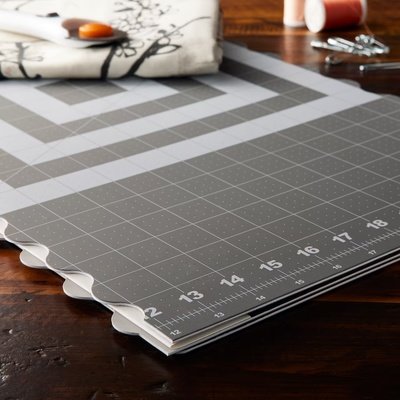
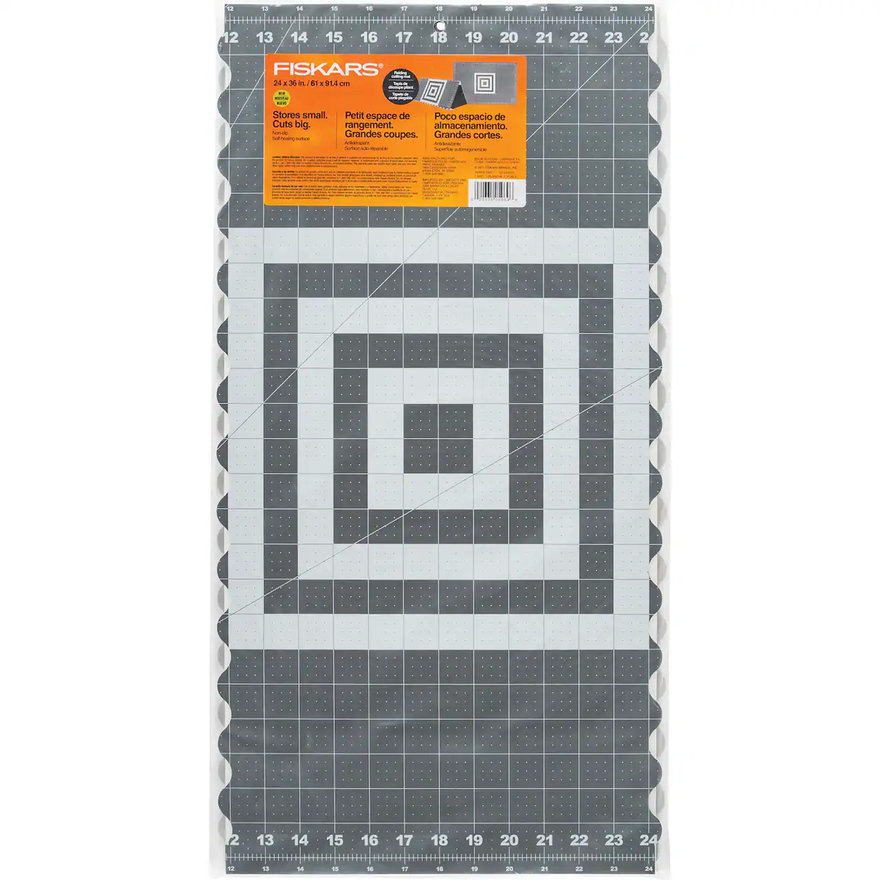
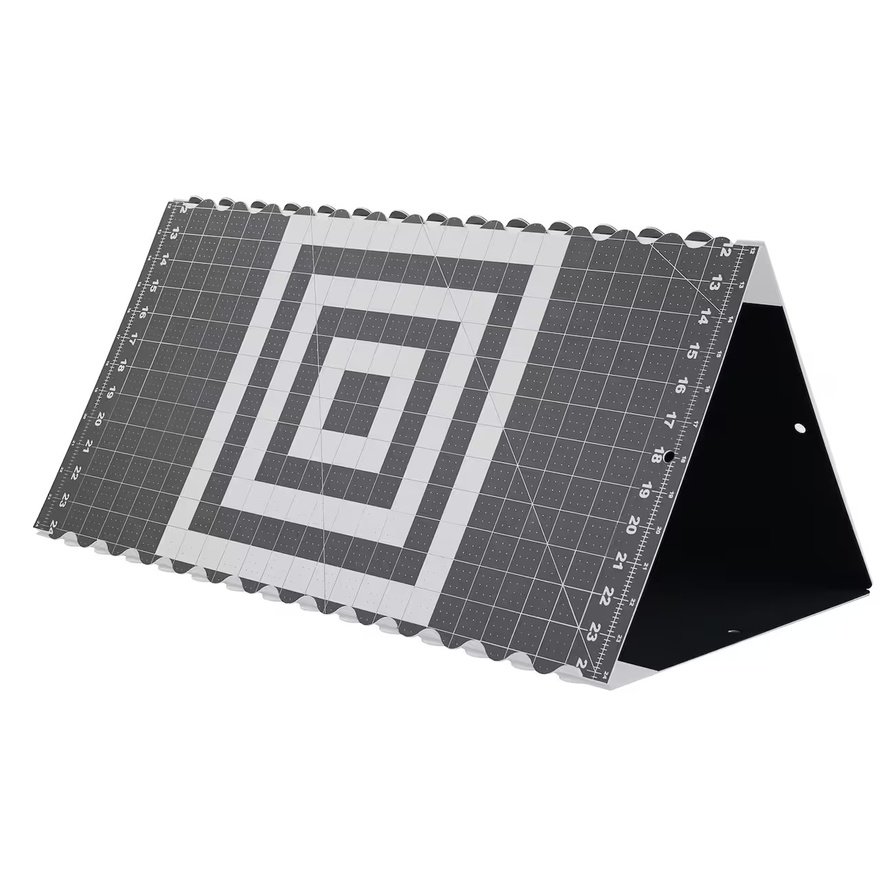
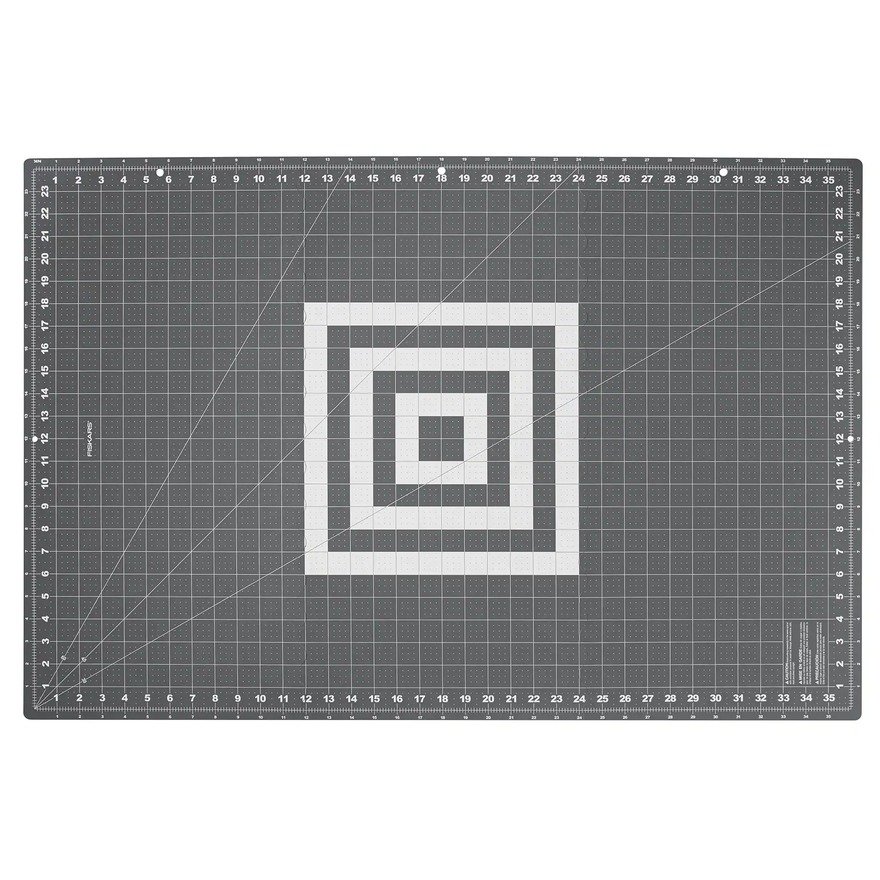
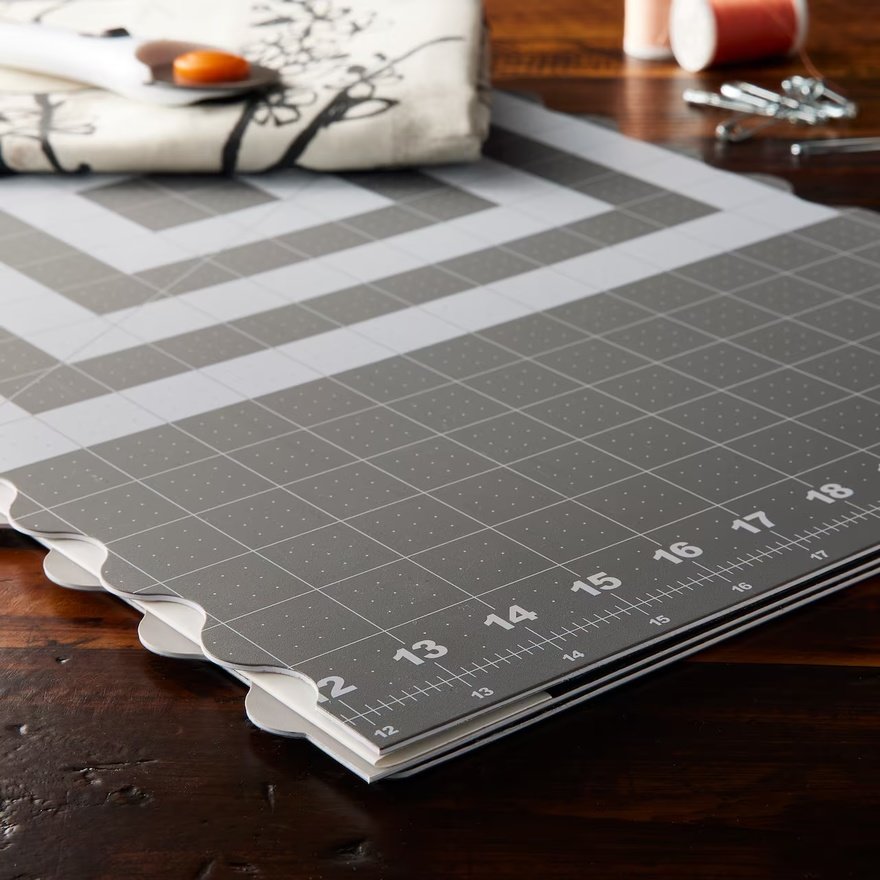
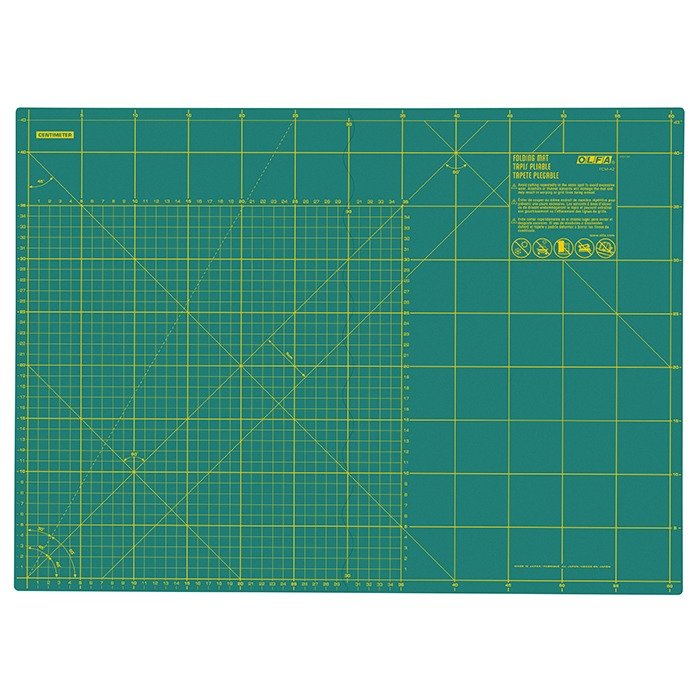
The primary innovation in the current market is the transition from static, monolithic slabs to engineered, hinged surfaces. Brands such as Fiskars and Olfa have pioneered large-scale folding mats that provide the full 24-by-36-inch surface area required for large textile projects while allowing the unit to collapse into a fraction of its size for storage.
This evolution is driven by a demographic shift in the "maker movement." As crafting and DIY projects have moved from dedicated basement workshops into multi-purpose living spaces, the demand for "stealth crafting"—the ability to set up a professional-grade workspace in seconds and dismantle it just as quickly—has skyrocketed. These folding mats are manufactured using high-density, self-healing polymers that are precisely scored at the fold lines, ensuring that the integrity of the mat is maintained even after thousands of openings and closings.
Chronology of the Folding Mat Revolution
The history of the cutting mat can be traced back to the mid-20th century, but the folding variant is a relatively recent phenomenon, coinciding with the rise of the "small-space living" trend.
- 1970s–1990s: The standardization of the self-healing mat. These were exclusively large, heavy, and rigid, marketed toward professional tailors and architectural model makers.
- Early 2010s: The rise of online crafting marketplaces (such as Etsy) and DIY culture on social media platforms brought light to the fact that many creators lacked dedicated studio space.
- 2018–2021: Major manufacturers like Fiskars and Olfa began refining hinge technologies. The introduction of heavy-duty, fabric-hinged systems allowed for a seamless surface that prevented blades from catching on the "seams" between mat panels.
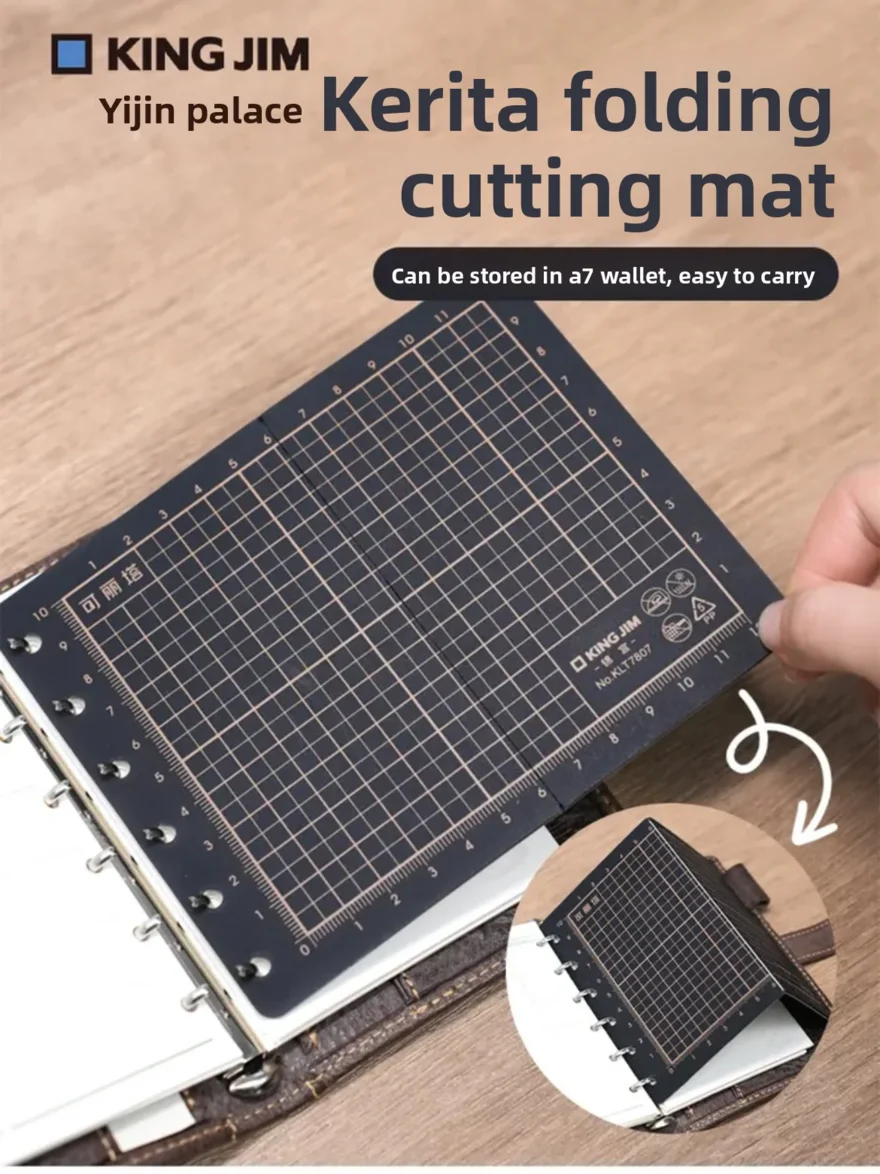
- 2023–2024: The introduction of ultra-portable solutions, led by companies like King Jim, which moved beyond the traditional "large mat" concept to offer binder-sized, modular cutting surfaces, further democratizing access to professional tools.
Supporting Data: Why Portability Matters
To understand the necessity of this design evolution, one must look at the constraints of modern urban architecture. According to real estate trend reports, the average square footage of residential homes has plateaued, while the number of people engaging in "side-hustle" crafting has grown by approximately 15% annually since 2020.
| Feature | Traditional Mat | Folding Mat |
|---|---|---|
| Footprint | Static (Large) | Variable (Compact) |
| Storage | Wall-hanging/Flat | Drawer/Shelf/Binder |
| Mobility | Low | High |
| Material Integrity | High | High (with proper hinge tech) |
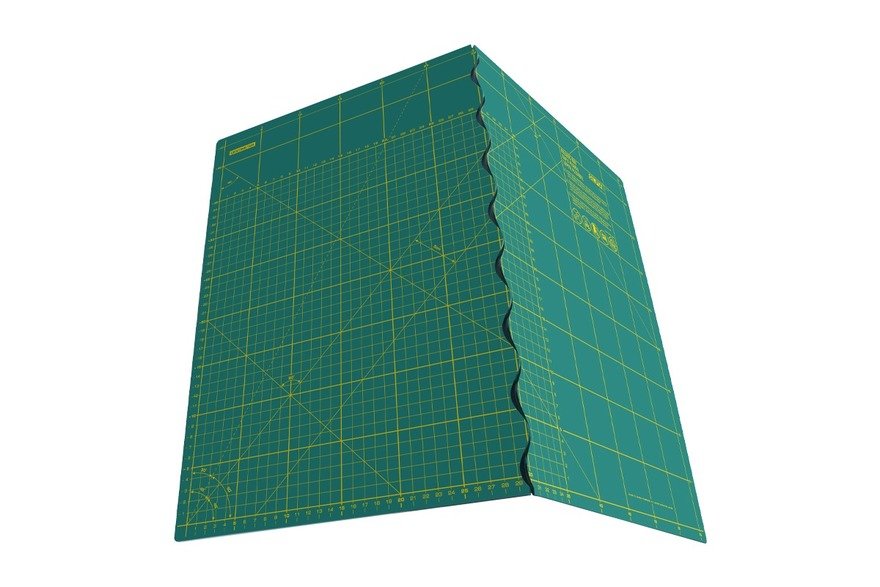
The engineering challenge lies in the "hinge gap." If the gap is too wide, small pieces of cardstock or thin fabric may slip through, causing imprecise cuts. The current market leaders have solved this through precision-engineered "living hinges" or offset patterns that ensure the cutting surface remains virtually continuous, regardless of its folded state.
Official Responses and Industry Perspectives
Manufacturers argue that the folding mat is not just a convenience, but a necessity for sustainability. By making it easier for users to keep their tools protected and stored properly, the lifespan of the mat increases.
In a recent product brief, a representative from a leading Japanese stationery firm noted: "We observed that consumers were using magazines or old cardboard as makeshift cutting surfaces because they couldn’t fit a full-sized mat in their desk drawer. By designing a cutting mat that fits into a standard A4 or B5 binder, we aren’t just selling a tool; we are providing a permanent, professional infrastructure for the ‘nomadic creator.’"
The design philosophy at King Jim, in particular, focuses on the intersection of stationery and utility. Their development of a folding mat that doubles as a privacy screen for open-plan offices or shared desks indicates that the industry is viewing the cutting mat not just as a sacrificial surface, but as a multifunctional desktop component.
Implications for the Future of DIY
The implications of these developments extend far beyond the convenience of a clean desk.
1. The Democratization of Professional Crafting
When tools become portable, the barrier to entry for high-quality work lowers. A student living in a dorm room can now execute the same level of precision as a professional architect, simply because they have access to the same quality of cutting surface in a form factor that fits their lifestyle.
2. The Rise of "Hybrid" Workspace Products
We are seeing a trend where the "crafting" category is bleeding into "office productivity." The King Jim multi-purpose desk divider screen is a prime example. By taking a utilitarian item—the cutting mat—and giving it a secondary function as a visual privacy barrier, manufacturers are encouraging users to keep these tools in their active workspace, rather than relegating them to the closet.
3. Sustainability and Tool Longevity
Folding mats, when designed correctly, encourage better care. A large, rigid mat often ends up warped because it is leaned against a wall or stored improperly. A folding mat, designed to be stored flat in a drawer or binder, maintains its flatness and, by extension, its self-healing capabilities for a longer duration. This reduces the frequency of replacement, leading to less plastic waste in the long term.
4. The Future of Material Science
As polymers continue to advance, we can expect the next generation of mats to be even thinner and more flexible. We are already seeing the early stages of "rollable" cutting surfaces, which may eventually render the "folding" hinge obsolete. However, for the time being, the folding hinge provides the best balance of stability and portability.
Conclusion
The transformation of the self-healing cutting mat from a bulky, permanent fixture to a sleek, foldable, and multi-functional accessory is a microcosm of broader trends in industrial design. As our living spaces become more compact and our professional lives more fluid, the tools we use must adapt to follow us.
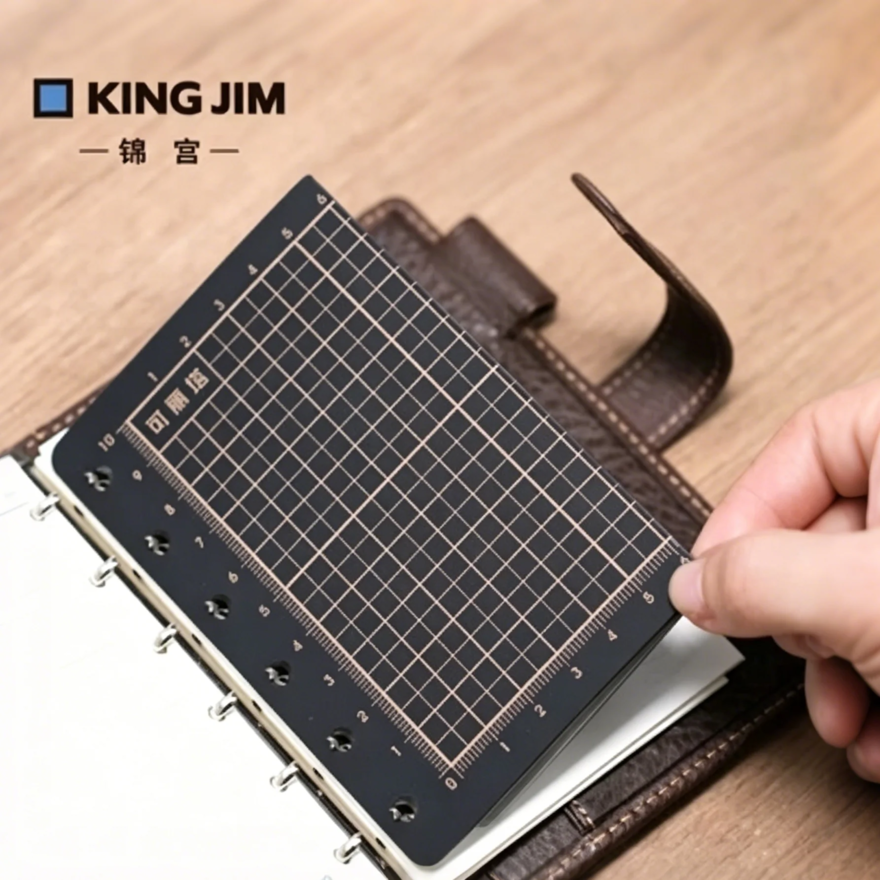
Whether it is a professional-grade Fiskars mat tucked under a sofa or a King Jim binder-mat sitting alongside a laptop, these innovations prove that space constraints need not compromise the quality of one’s creative output. By prioritizing modularity, manufacturers are ensuring that the future of crafting is not limited by the size of the table, but only by the scope of the maker’s imagination. As we look forward, the integration of these tools into our daily lives—be it for office privacy or hobbyist precision—will only continue to blur the lines between work and leisure, making every surface a potential workshop.
About the Author