For decades, the global narrative surrounding Chinese manufacturing was dominated by the concept of "copycat" culture. While the nation established itself as the world’s factory, the perception—often fueled by reality—was that original, high-concept design was secondary to mass production and replication. However, a tectonic shift has occurred over the last decade. A new wave of Shenzhen-based tech firms is prioritizing aesthetics, material science, and user experience, effectively rewriting the global expectation of what a "Made in China" tech accessory can be.
At the vanguard of this shift is Aulumu, a design-focused accessory brand that has recently garnered international attention for its M10 Powerbank. By eschewing the ubiquitous "boring brick" form factor that has defined portable charging for a decade, Aulumu has delivered a product that feels less like a utility and more like a statement piece.
The Main Facts: Defining the M10
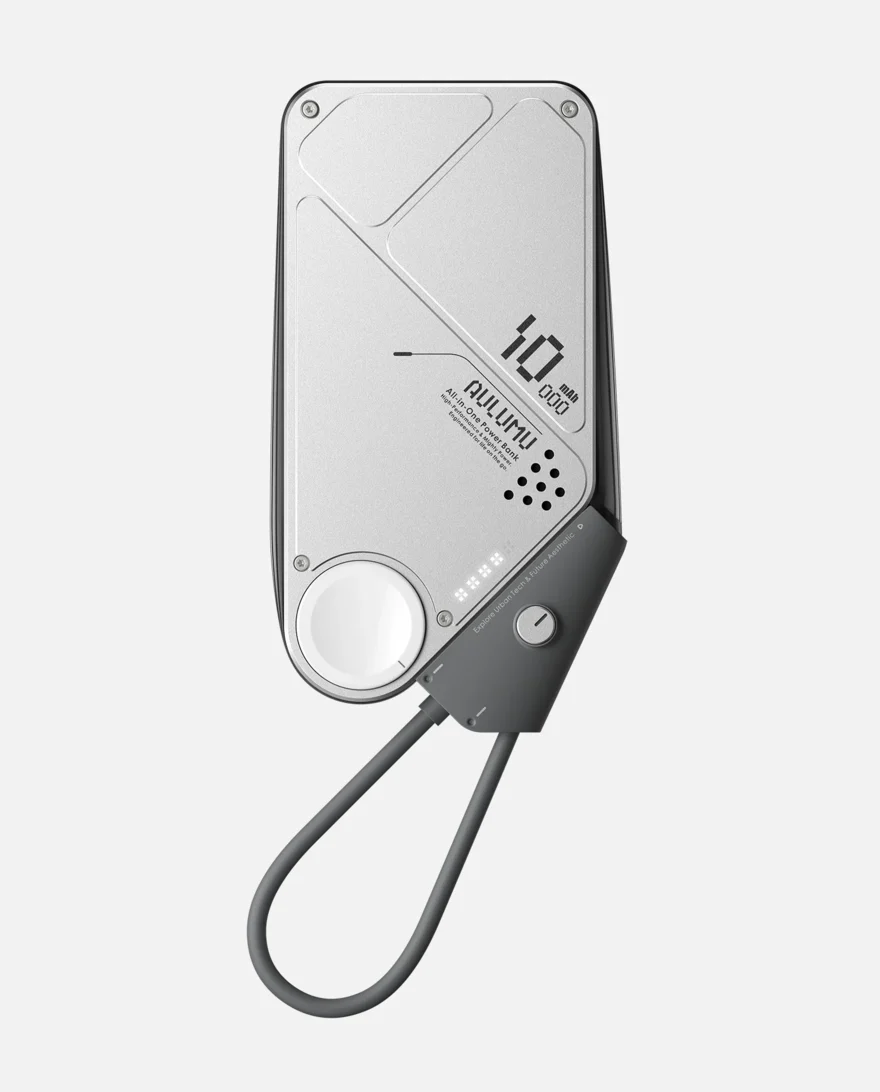
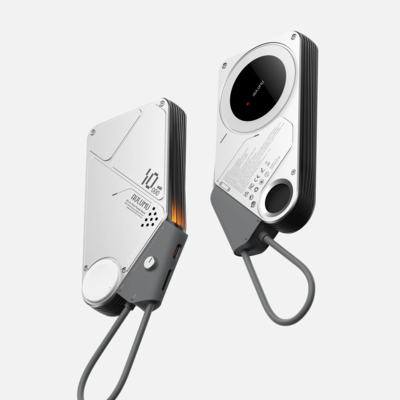
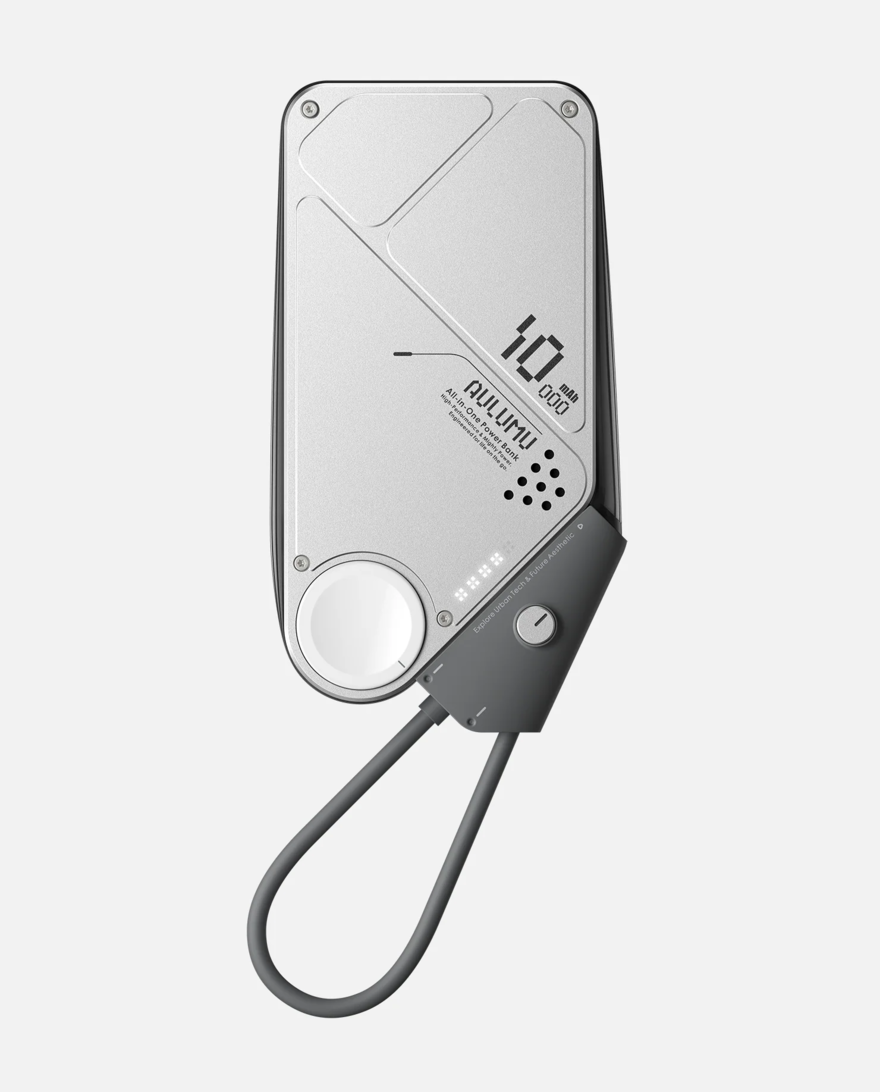
The Aulumu M10 is a 10,000mAh portable charger that represents a marriage of high-concept industrial design and practical utility. Unlike standard power banks, which prioritize cost-saving plastic molds and generic rectangular shapes, the M10 embraces a "cyberpunk" design philosophy.
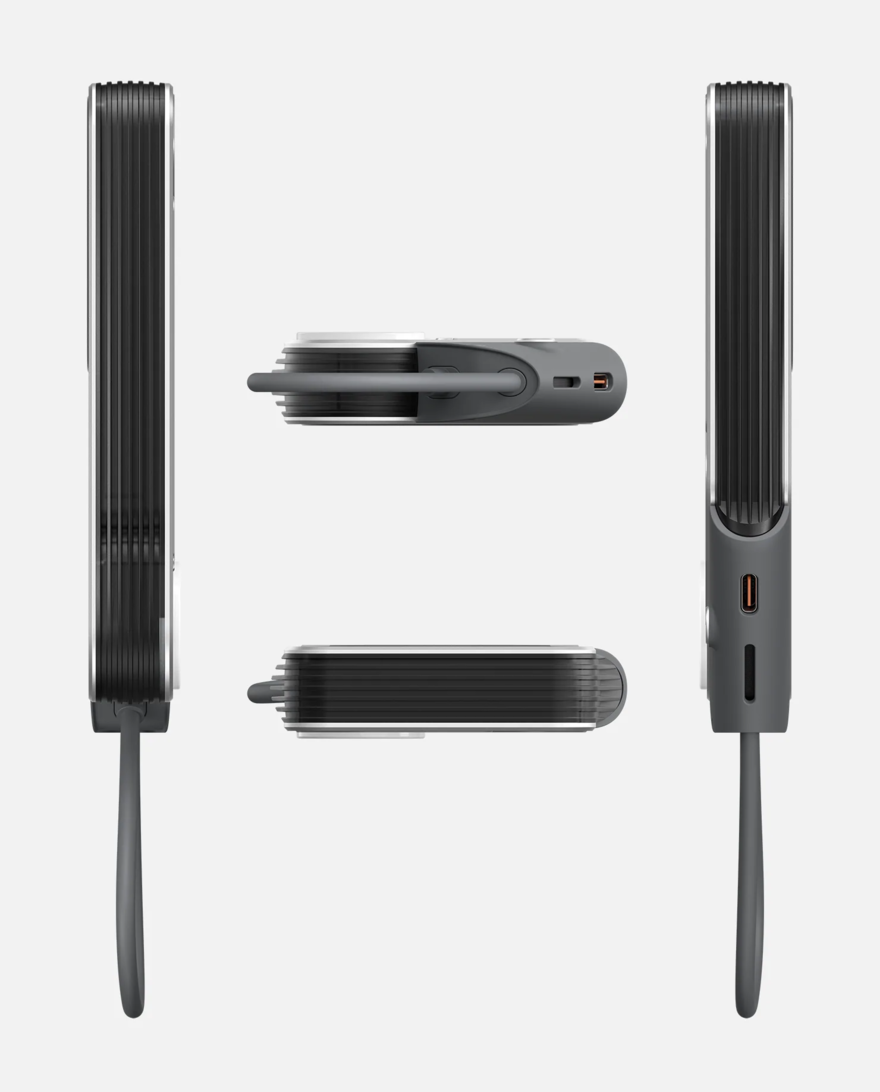
The device features an asymmetrical, multi-layered aesthetic that exposes structural elements and utilizes a transparent or semi-industrial casing, inviting the user to peer into the "guts" of the machine. Beyond its visual flair, the M10 is engineered for the modern digital nomad. It features:
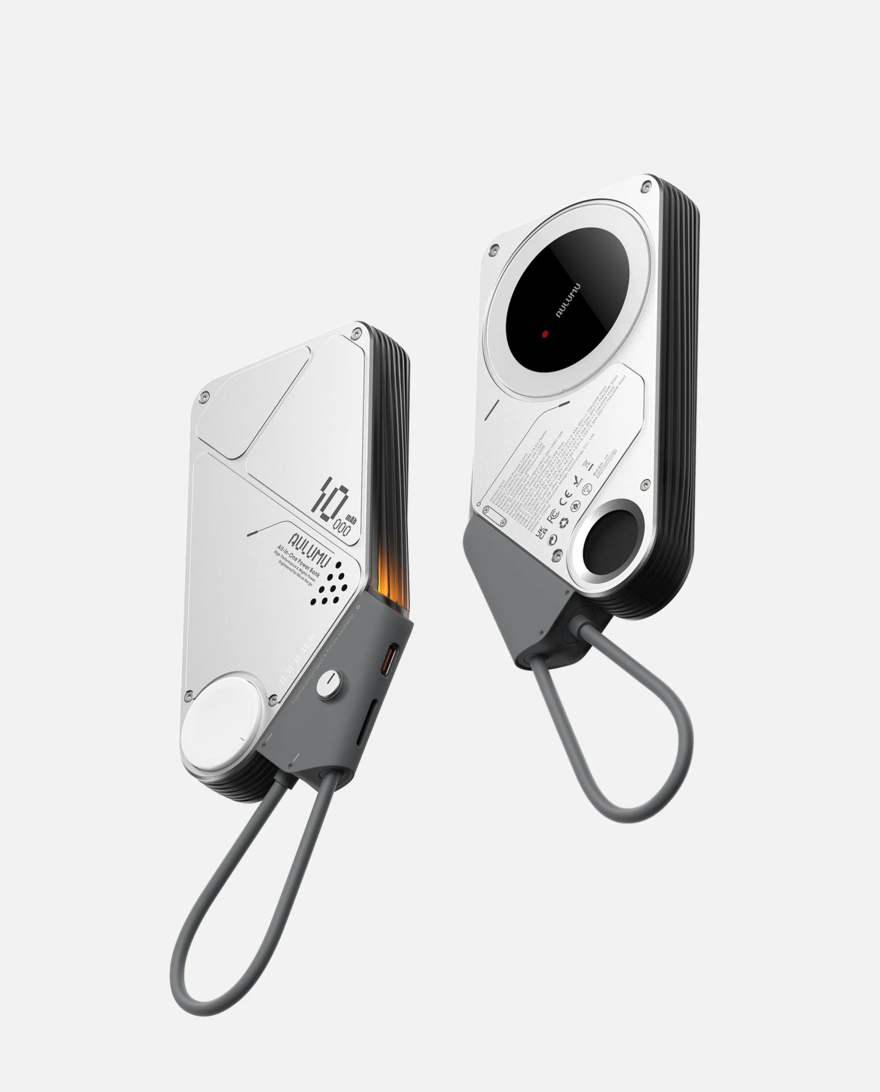
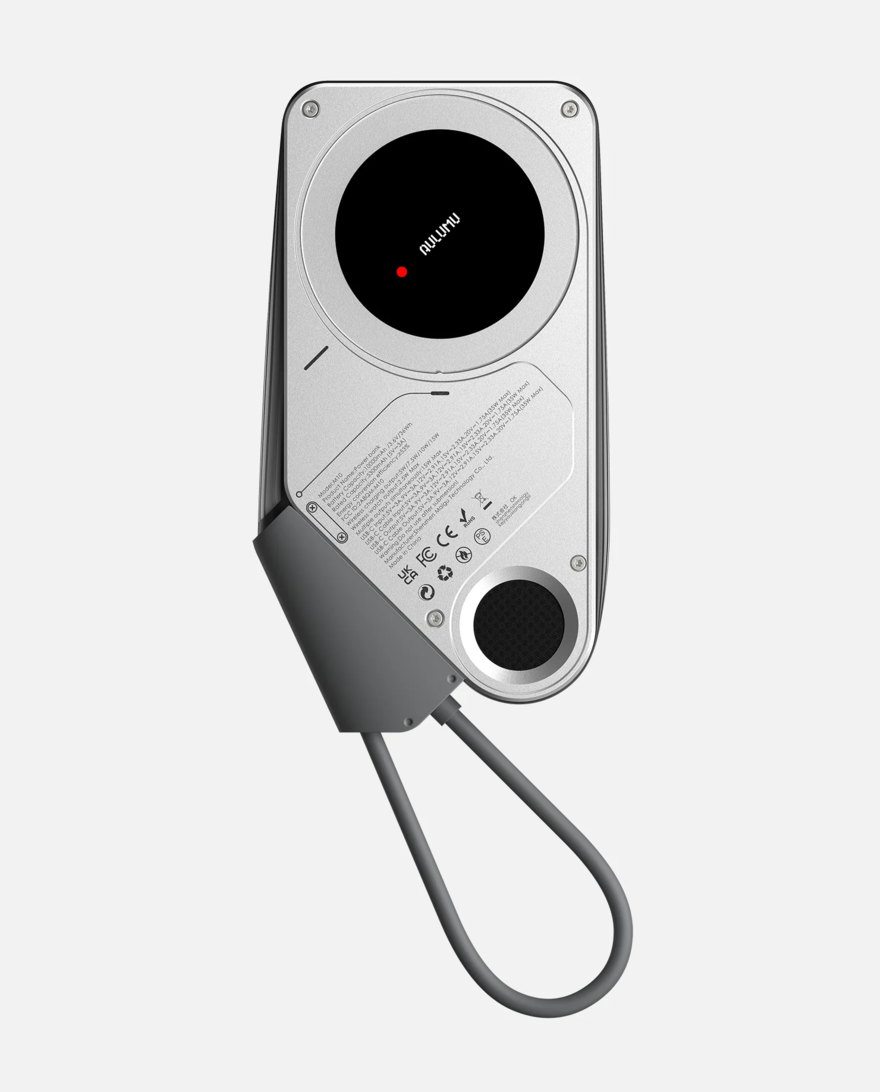
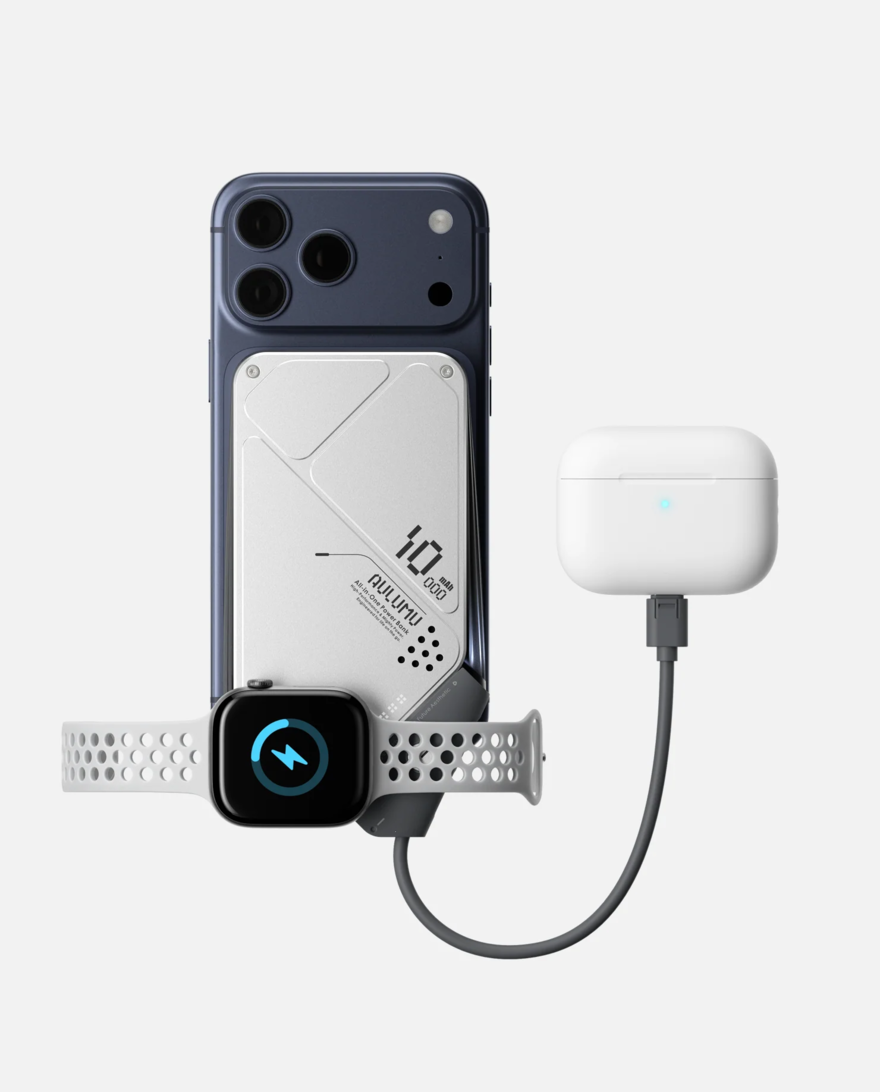
- Dual-Mag Charging: A robust MagSafe-compatible magnetic wireless charging pad that allows users to snap their phone to the bank for an immediate power boost without the need for cables.
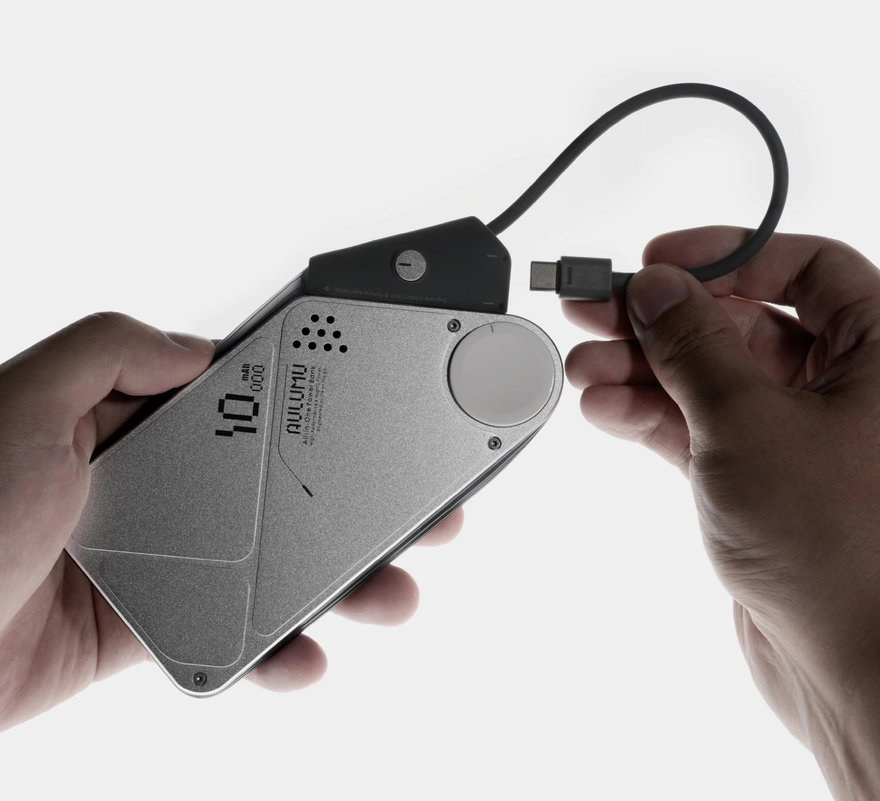
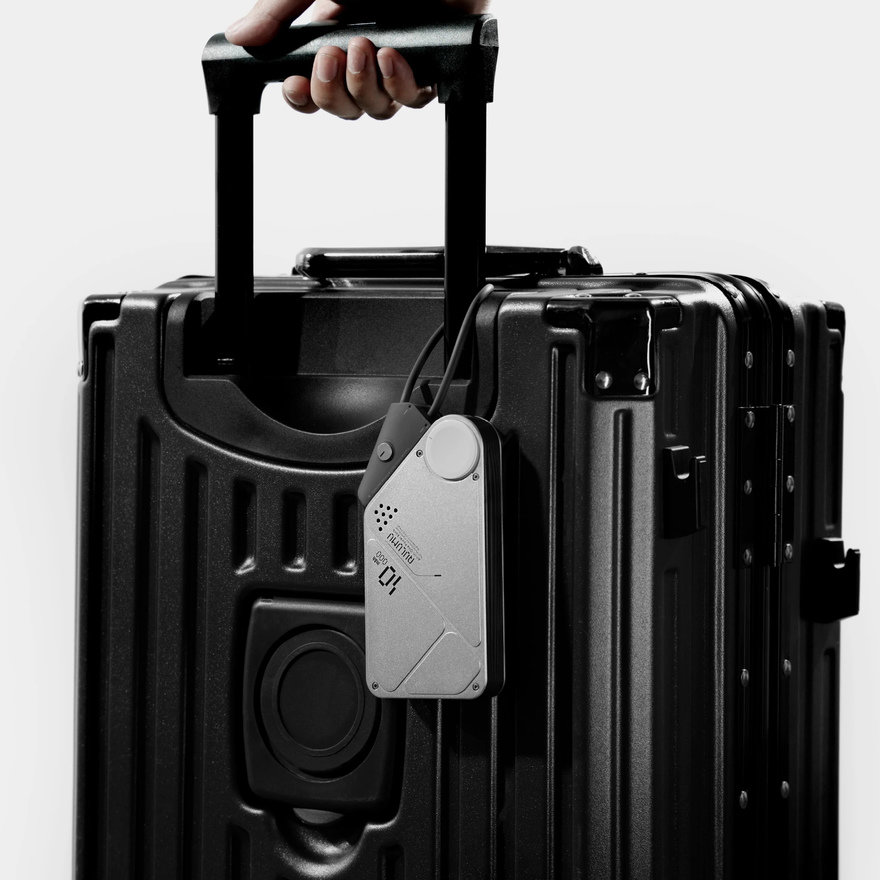
- Integrated Lanyard Cable: Perhaps the most clever design choice, the device features a built-in cable that serves a dual purpose as a carrying lanyard. This eliminates the "cable-forgetting" anxiety that plagues most portable charger users.
- TSA Compliance: With a capacity of 10,000mAh (well under the 100Wh threshold mandated by the TSA), the device is fully cleared for carry-on luggage, making it an essential companion for international travel.
A Chronology of the Chinese Design Renaissance
To understand the significance of the Aulumu M10, one must look at the historical trajectory of Chinese tech manufacturing.
Phase 1: The Era of Replication (1990s – 2010)
During this period, Chinese manufacturing was characterized by the rapid production of consumer electronics that often mimicked existing designs from Japanese, American, and European brands. The primary focus was on cost-efficiency and volume, with little emphasis on original industrial design.
Phase 2: The Infrastructure Boom (2010 – 2018)
As companies like Xiaomi and Huawei began to rise, the domestic supply chain in cities like Shenzhen became the most efficient in the world. This infrastructure allowed for rapid prototyping. During this phase, Chinese companies mastered the ability to iterate quickly, though many were still tethered to existing design languages.
Phase 3: The Design-Led Revolution (2018 – Present)
We are currently in the third phase. Fueled by a new generation of designers who are globally connected and influenced by aesthetics from gaming, streetwear, and architectural design, brands like Aulumu are emerging. They are no longer focused on "how cheaply can we make this?" but rather "how can we make this desirable?" The M10 is a direct product of this maturation, where design is treated as a premium feature rather than an afterthought.
Supporting Data: The Power Bank Market
The portable power market is currently saturated. According to market research, the global power bank market is expected to reach billions in valuation by 2030, driven by the increasing power demands of smartphones with high-refresh-rate screens and 5G connectivity.
However, the market is currently split into two extremes:
- Commodity Chargers: Sold for $15–$30, these are often poorly built, aesthetically uninspired, and prone to rapid degradation.
- Premium Ecosystem Chargers: Dominated by brands like Apple, Anker, or Belkin, these offer reliability but often lean toward minimalist, conservative design aesthetics.
The Aulumu M10 enters the market at a $90 price point. By positioning itself in the "premium/niche" bracket, Aulumu is challenging the idea that Chinese-designed electronics must be "budget-friendly." They are banking on a consumer base that values the cyberpunk aesthetic—a demographic that appreciates mechanical detail and futuristic visual languages—which is currently under-served by the major, more traditional tech conglomerates.
Official Responses and Brand Philosophy
While Aulumu has not issued a formal press release regarding their place in the "design wars," their brand manifesto speaks volumes. The company describes itself as a creator of "tech accessories that express your individuality."
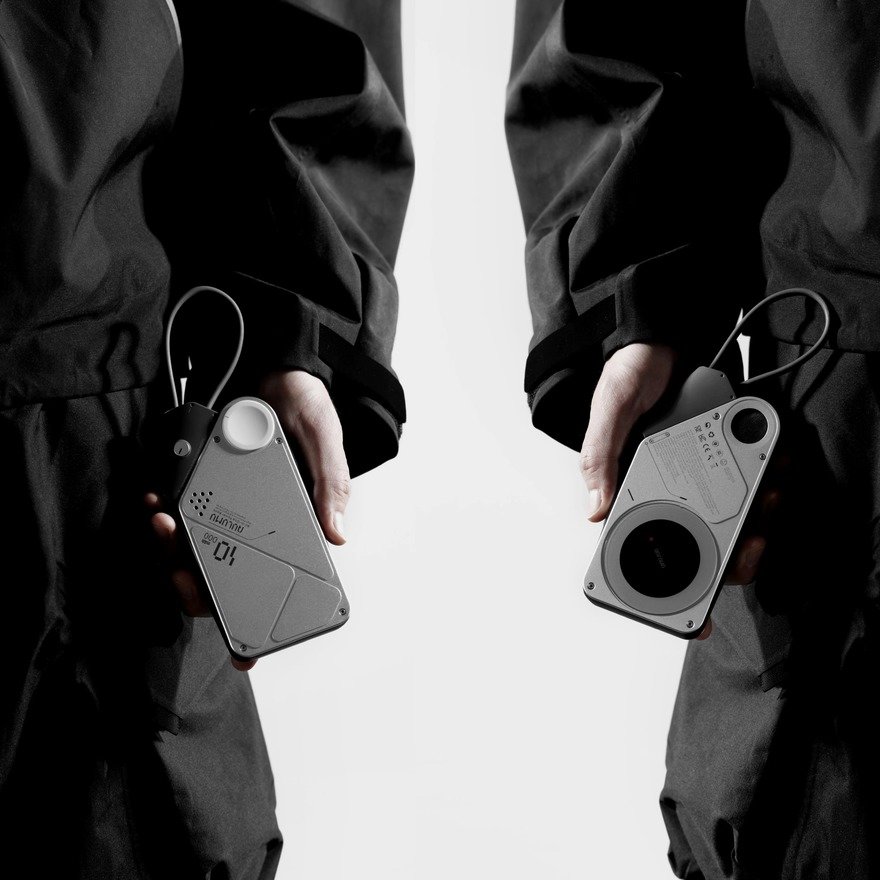
In interviews and product documentation, Aulumu designers emphasize the "tactile experience." The M10 is designed to be handled, with textures and materials chosen to provide a high-end feel in the hand. The choice of the cyberpunk aesthetic is intentional; it is a nod to Shenzhen’s own identity as a futuristic, neon-lit hub of technological innovation. By leaning into this identity, Aulumu is shifting the narrative from "China as a factory" to "China as a design studio."
Industry analysts have noted that Aulumu’s strategy is similar to the "DTC" (Direct-to-Consumer) model utilized by successful fashion and lifestyle brands. By cutting out traditional retail middlemen and selling directly through their own channels, they maintain strict control over their brand image, ensuring that the presentation of the product is as premium as the product itself.
Implications: The Future of Consumer Electronics
The existence of the Aulumu M10 carries several significant implications for the global tech landscape:
1. The Death of the "Generic" Stigma
For years, the "Made in China" label was a hurdle for premium branding. The M10 is part of a growing cohort of products that are effectively destroying this stigma. When a product is designed well enough, the point of origin becomes secondary to the design language itself. Consumers, particularly younger generations, are increasingly indifferent to the origin of a product if the design, utility, and quality are superior.
2. The Rise of "Niche-First" Industrial Design
The M10 is not for everyone. It is not trying to be the most mass-market-friendly power bank in history. By embracing a specific, polarizing aesthetic—cyberpunk—Aulumu is demonstrating that there is a viable, profitable market for highly stylized tech accessories. We are likely to see more brands move away from "minimalist white plastic" toward more aggressive, textured, and expressive design languages.
3. Shenzhen as a Global Design Capital
The success of companies like Aulumu cements Shenzhen’s status as a global design capital. It is no longer just a place where things are built; it is a place where things are imagined. The proximity of design studios to the actual manufacturing lines allows for a level of experimentation that is impossible for companies that design in California and manufacture in Asia. This "feedback loop" between the drawing board and the factory floor is the true competitive advantage that Chinese firms are now leveraging.
Conclusion: A Shift in the Balance of Power
The Aulumu M10 is more than just a tool to charge a smartphone; it is a symbol of a structural change in the global economy. It represents the transition of the Chinese electronics sector from a volume-based model to a value-based model.
As we look toward the future, the success of the M10 serves as a challenge to established Western tech accessory brands. The bar for entry into the "premium" category has been raised. It is no longer enough to offer a functional product; one must now offer a product that resonates emotionally and aesthetically with the user. Aulumu has proved that it can compete on these terms, and in doing so, they have set a new standard for the next generation of portable electronics. The "piracy reputation" that once dogged Chinese manufacturing is rapidly being replaced by a new reputation for bold, unapologetic, and world-class industrial design.
About the Author