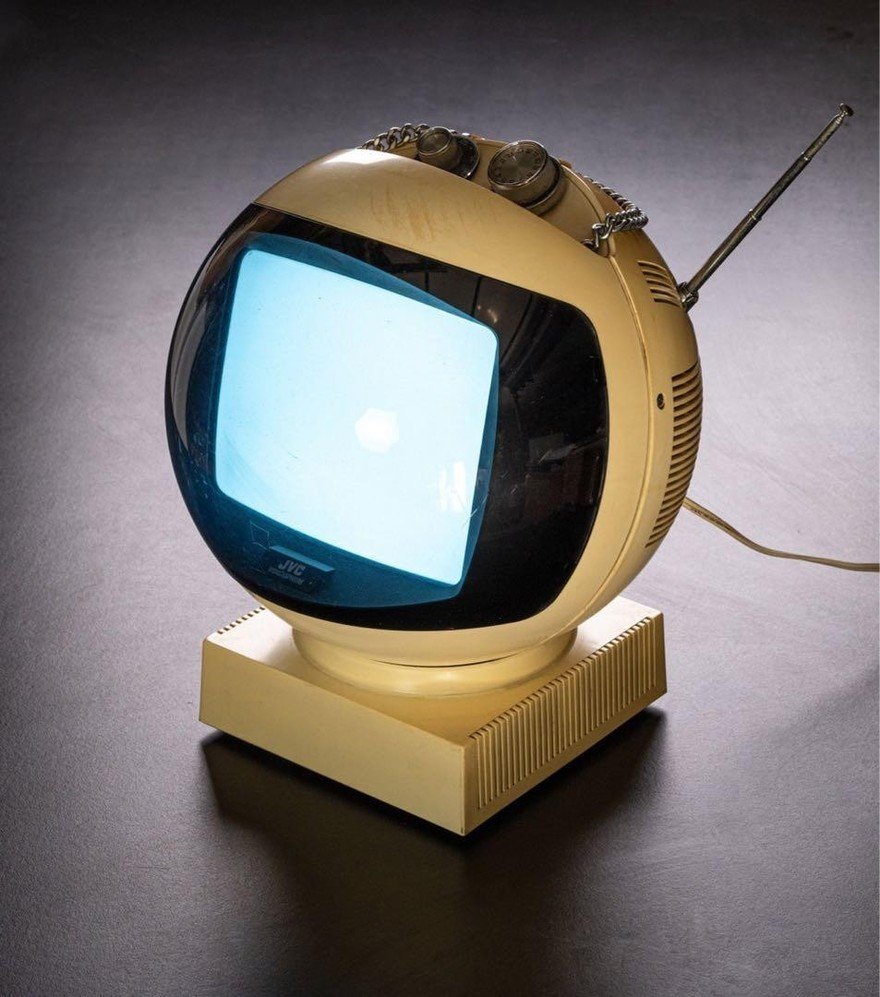
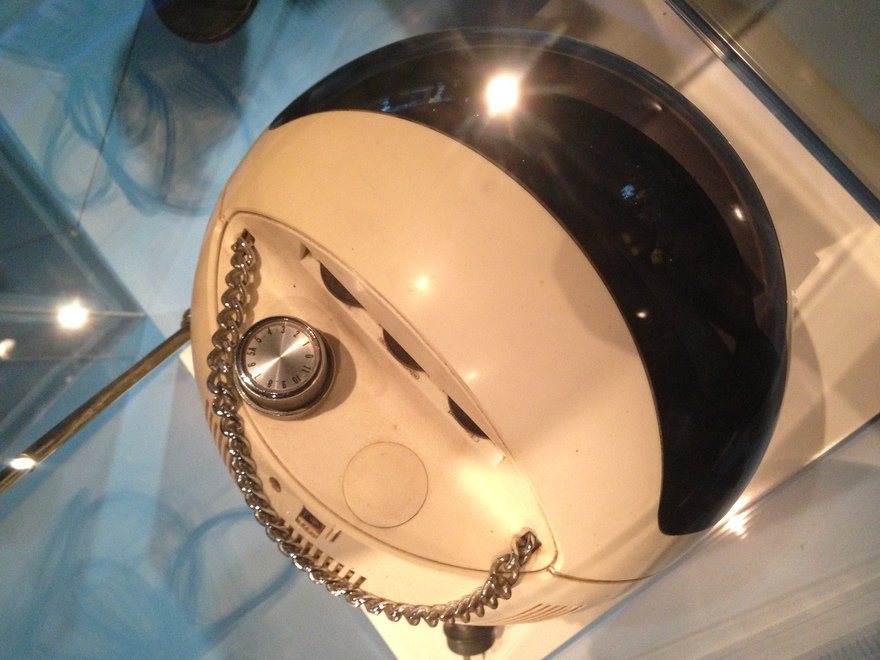
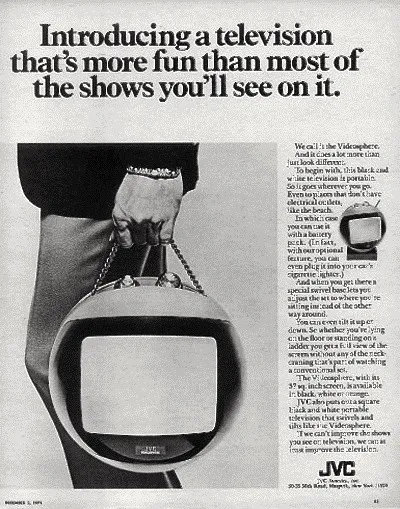
In the pantheon of industrial design, few objects capture the optimistic, extraterrestrial zeitgeist of the late 1960s as perfectly as the JVC Videosphere. With its spherical silhouette—a clear nod to the pressurized helmets of the Apollo 11 astronauts who first touched the lunar surface in 1969—the Videosphere transformed the television from a piece of living room furniture into a futuristic art object. Today, the legacy of that iconic cathode-ray tube (CRT) device has been reclaimed by a mysterious new entity known as Retro Lab. Their latest offering, the "Time Planet," seeks to bridge the gap between 1970s aesthetics and modern computing, sparking a conversation about the intersection of nostalgia, upcycling, and the commodification of design history.
The Chronology of a Design Icon
To understand the appeal of the Time Planet, one must first look at the cultural gravity of its predecessor. When JVC (Victor Company of Japan) launched the Videosphere in 1970, it arrived at a time when space exploration was the primary driver of aesthetic trends. The "Space Age" design movement favored rounded edges, plastics, and non-traditional geometries, moving away from the boxy, wooden-console television sets that dominated the post-war era.
1969: The Lunar Inspiration
The global fervor surrounding the Apollo 11 moon landing provided the necessary climate for such a radical design shift. The Videosphere was, in many ways, the consumer electronics industry’s answer to the "Right Stuff" era. Its spherical casing mimicked the look of an astronaut’s helmet, but its functionality was uniquely domestic.
1970–1980: A Decade of Dominance
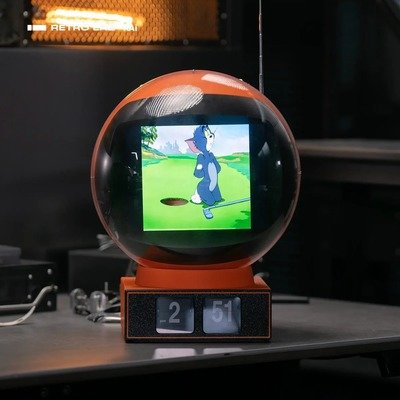
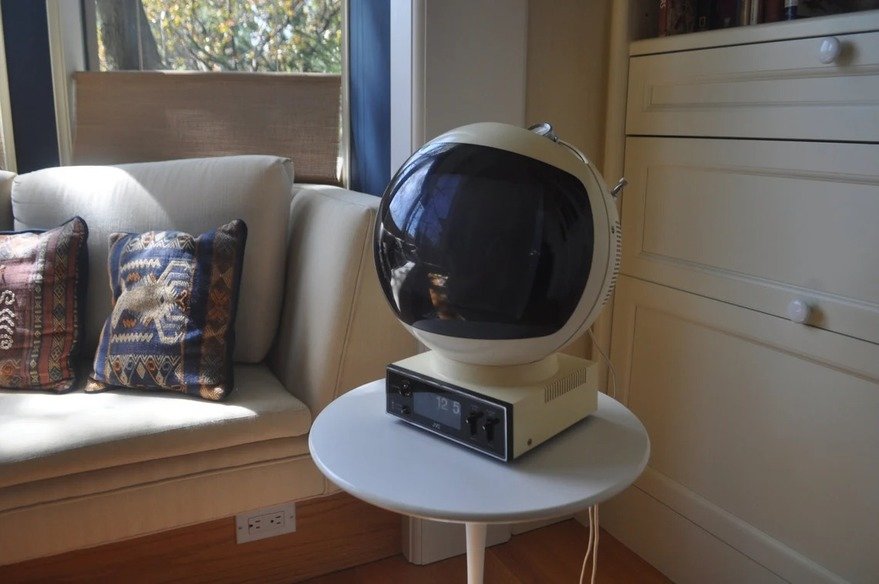
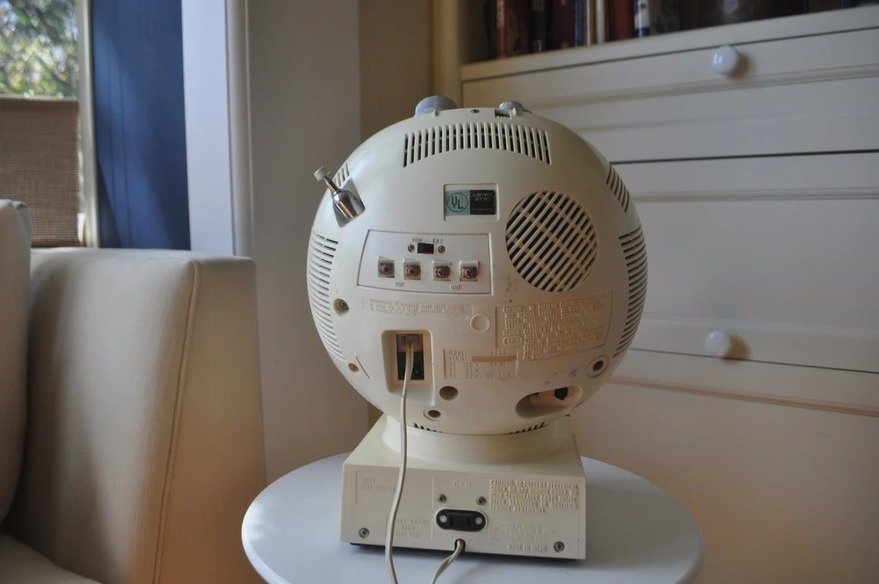
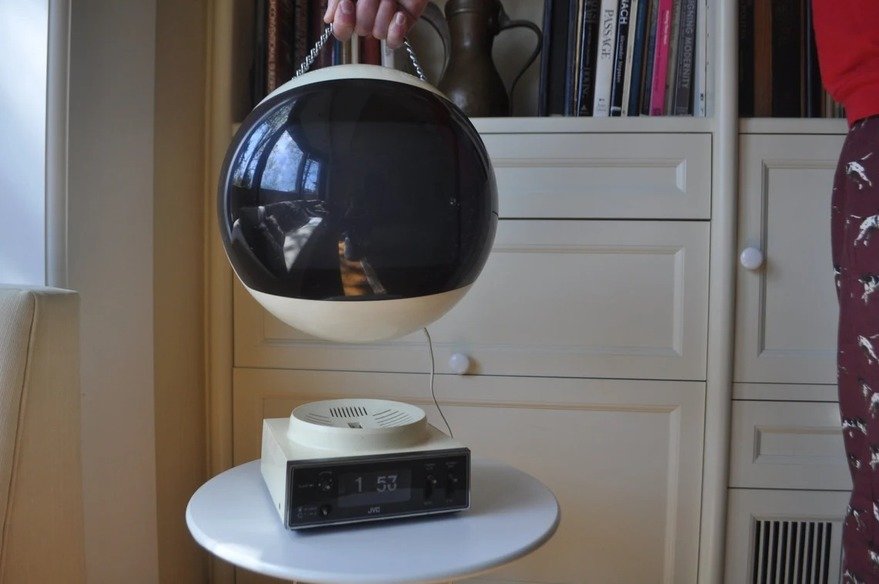
The Videosphere was not a short-lived fad; it was a commercial juggernaut that remained in production for over a decade. Despite the technical limitation of being a black-and-white display in an era transitioning to color, the unit’s design was so compelling that consumers were willing to compromise on fidelity for the sake of style. It was highly modular: it could be placed on a simple base, a base containing a mechanical alarm clock, or suspended from the ceiling via a heavy-duty chain, effectively turning the television into a "floating" orb in the center of a room.

The Institutional Legacy
By the time JVC retired the model in the early 1980s, it had cemented its status as a masterpiece of industrial design. Its cultural impact is best evidenced by its inclusion in the permanent collections of the world’s most prestigious design museums, including:
- The Museum of Modern Art (MoMA), New York
- The Cooper-Hewitt, Smithsonian Design Museum, New York
- The Victoria and Albert Museum (V&A), London
- Die Neue Sammlung (The International Design Museum), Munich
The Time Planet: A Modern Reinterpretation
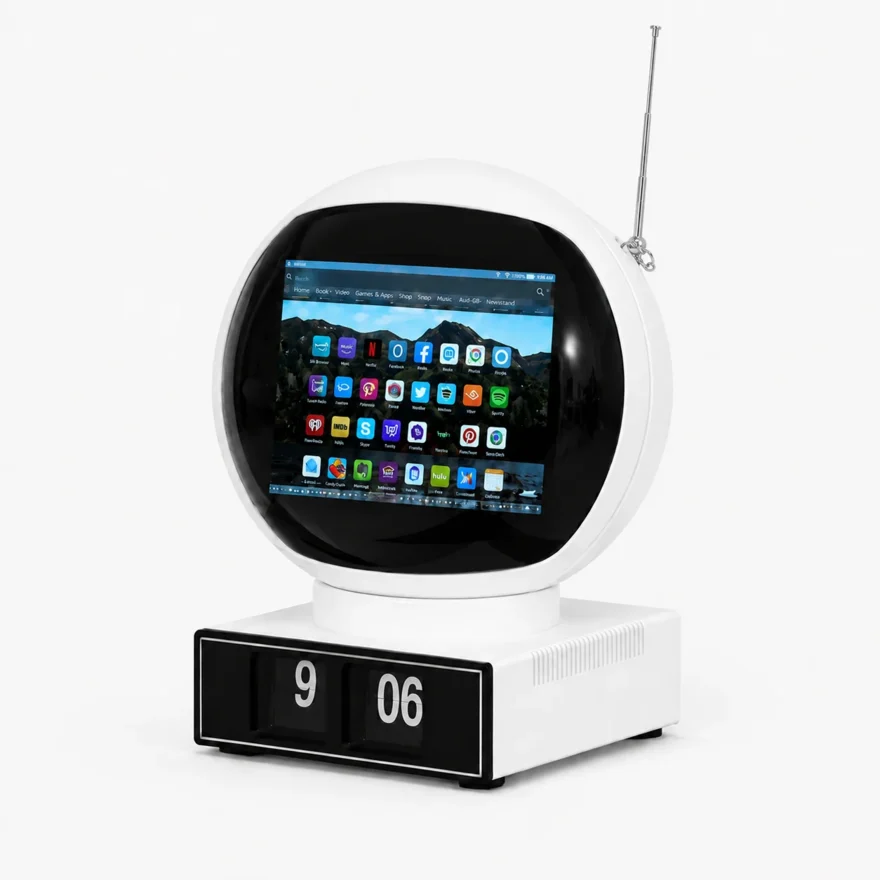
Fast-forward to the present, and the aesthetic of the "Space Age" has seen a massive resurgence in the collector’s market. Capitalizing on this, a company identifying as Retro Lab has introduced the "Time Planet," a 3D-printed homage to the original JVC design.
Unlike the original, which was a broadcast television receiver, the Time Planet is positioned as a modern computer monitor. It utilizes a 9.6-inch screen, which the manufacturer notes is sourced from repurposed iPad display panels. This decision to "upcycle" high-resolution mobile screens for a retro chassis is a clever solution to the problem of finding high-quality small-form-factor displays that fit within a spherical housing.
The unit also pays tribute to the original "alarm clock" version of the Videosphere. The base of the Time Planet features a mechanical flip clock, powered by a standard AA battery. This marriage of digital screen technology and analog timekeeping creates a "desk accessory" aesthetic that fits squarely within the current trend of "desk setup" culture on platforms like Instagram and TikTok.
Supporting Data and Technical Specifications
For potential buyers, the technical profile of the Time Planet is a blend of salvaged hardware and custom-manufactured components.
- Display: 9.6-inch LED-backlit LCD (sourced from LG or Samsung iPad components).
- Chassis: Custom 3D-printed outer shell, mimicking the 1970 JVC geometry.
- Timekeeping: Integrated mechanical flip clock (AA battery powered).
- Connectivity: Modern digital inputs (typical of tablet-to-monitor conversion boards).
- Price Point: $740 USD.
The use of 3D printing for the chassis is a notable departure from the original injection-molded plastic. While injection molding allows for a smooth, glossy finish typical of mass-produced 1970s goods, 3D printing offers a "maker-culture" authenticity that appeals to the tech-hobbyist demographic. However, the price point of $740 places the device in the premium category, suggesting that the value proposition lies not in the raw components, but in the labor of assembly, the rarity of the aesthetic, and the novelty of the design.
The Mystery of the Manufacturer
One of the most intriguing aspects of the Time Planet is the opacity surrounding its creators. Retro Lab operates with an anonymity that is increasingly rare in the era of social media-driven consumer brands. They provide no verifiable history, no corporate headquarters, and no information regarding the design team behind the product.
In the modern digital economy, this "mystery marketing" can be a double-edged sword. On one hand, it leans into the retro-futuristic, "clandestine lab" vibe of the product. On the other, it poses significant risks for the consumer. With no established track record or public accountability, purchasing a $740 device from an anonymous entity requires a significant leap of faith. The lack of clarity regarding warranty, repair, or long-term support for the repurposed iPad screens is a consideration that any prospective buyer must weigh against the desire for such a unique aesthetic piece.
Implications for Design and Consumption
The existence of the Time Planet raises broader questions about how we value design history in the 21st century.
The Upcycling Movement
The choice to use salvaged iPad screens is emblematic of a growing "Right to Repair" and circular-economy mindset. By repurposing functional components from obsolete or damaged tablets, Retro Lab is extending the lifecycle of high-quality hardware that would otherwise end up in electronic waste streams. This "hybrid" approach—marrying modern high-resolution displays with classic, mid-century industrial silhouettes—may become a blueprint for future boutique electronics manufacturers.
The Nostalgia Economy
We are currently witnessing a peak in "Retro-Futurism." Whether it is the revival of vinyl, the obsession with mechanical keyboards, or the return of Y2K fashion, consumers are seeking tactile, physical objects that feel distinct from the ephemeral nature of software-based experiences. The Time Planet is a physical manifestation of this longing. It does not attempt to be a "smart" device in the sense of AI-integration or cloud connectivity; instead, it is an object of beauty that serves a utilitarian purpose.
The Risk of Cultural Appropriation vs. Homage
When a company releases a "homage" to a design held in the collections of the MoMA, the line between inspiration and imitation is often blurred. While the Time Planet is clearly a new creation, it relies heavily on the cultural capital of the original JVC Videosphere. Critics might argue that such products diminish the status of the original designers, while proponents would argue that they keep the conversation around classic design alive for a younger generation that might never encounter an original 1970s unit in working condition.
Conclusion
The Time Planet by Retro Lab is more than just a monitor; it is a cultural artifact of the modern age. It synthesizes our contemporary technological capabilities—3D printing and salvaged display tech—with the aesthetic optimism of the 1970s. While the mystery surrounding the company remains a point of concern for prudent shoppers, the allure of the device is undeniable. It represents a bold attempt to bring the spirit of the Space Age back to the desktop, serving as a reminder that even in an era of sleek, invisible, and utilitarian screens, there is still room for a device that prioritizes form, personality, and the whimsy of a spherical, lunar-inspired vision. Whether this experiment in retro-resurrection succeeds in the long term remains to be seen, but for now, the Time Planet stands as a compelling testament to the enduring power of classic industrial design.
About the Author