In the modern urban landscape, the bicycle has emerged as more than just a recreational vehicle; it is a primary mode of transportation for millions. Yet, for all the growth in cycling infrastructure and ridership, a persistent, age-old obstacle remains: the threat of theft. Cyclists have long been accustomed to the "lock-stacking" ritual—carrying two, sometimes three, heavy-duty chains or U-locks just to ensure that a bike’s frame and its individual components remain in place.
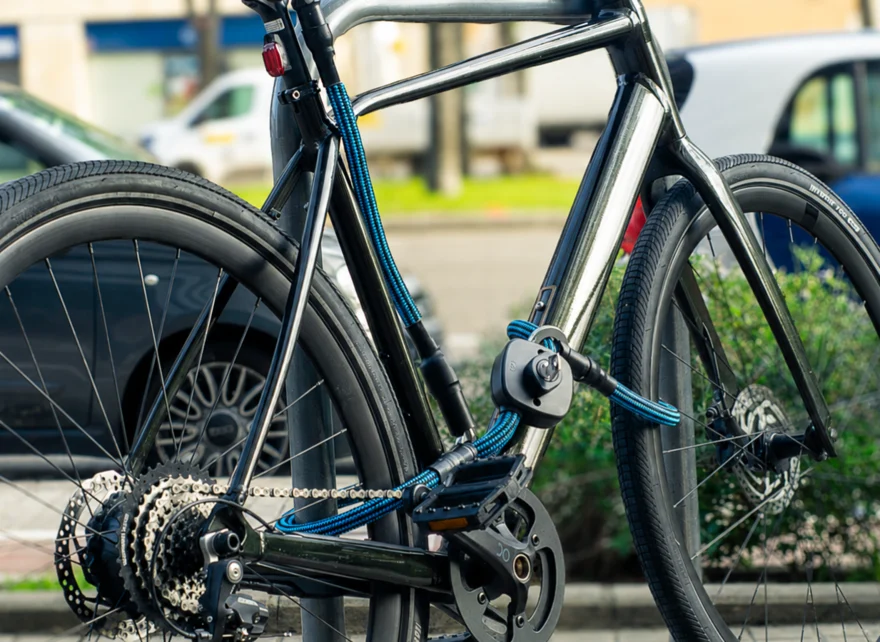
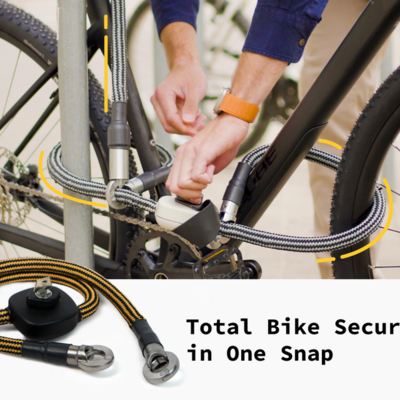
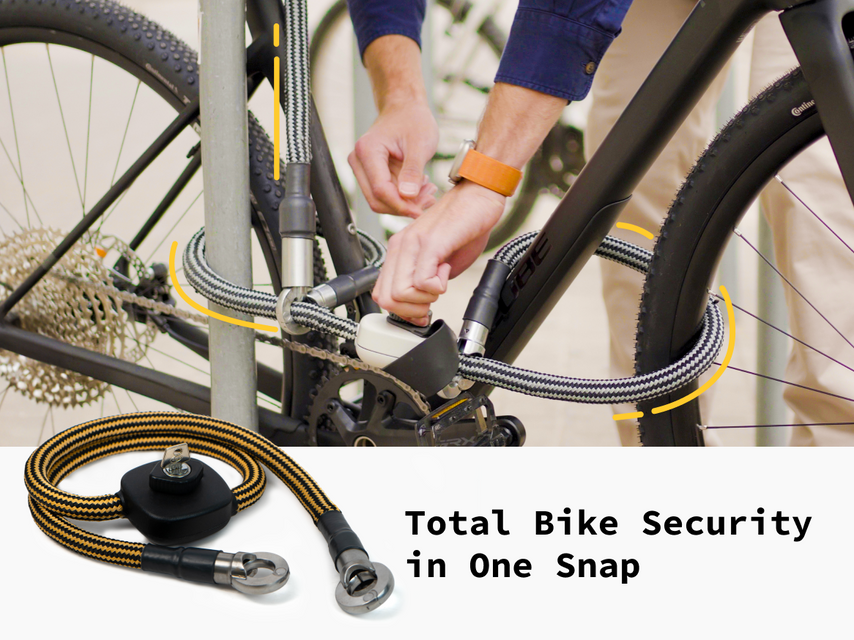
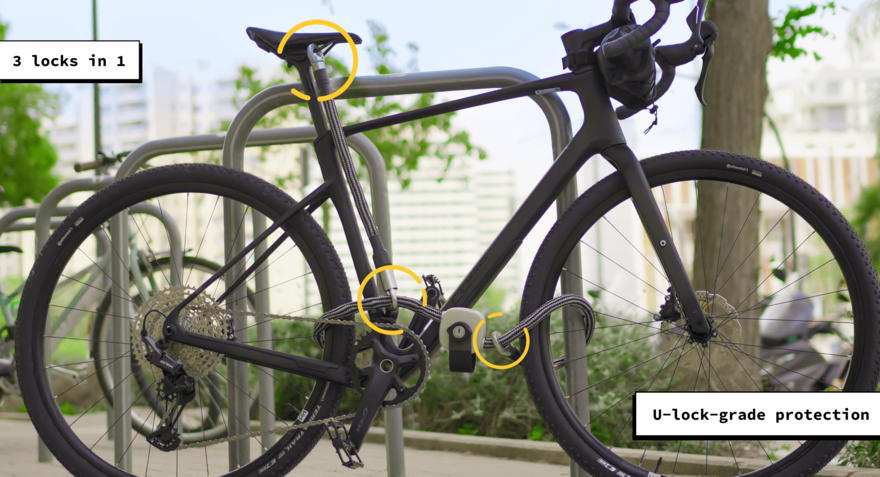
A group of German metal fabricators, frustrated by the visible inadequacy of existing security solutions, has introduced a potential panacea: the Cordalock. By consolidating the protection of both wheels, the main frame, and the saddle into a single, cohesive system, the Cordalock aims to redefine the logistics of bike security.
The Genesis of an Idea: A Trade Show Revelation
The inception of the Cordalock was not born in a vacuum, but rather through a moment of collective observation. While attending a major trade show in Germany, a team of professional metal fabricators—experts accustomed to the structural integrity and limitations of various alloys—found themselves scanning the rows of bicycles parked outside the venue.
What they saw was, in their words, "disturbing." The parking area was a testament to the anxiety of the modern commuter. Many bicycles were tethered to racks using multiple, disparate locking mechanisms. Despite this, the scene was littered with the remnants of theft: frames left behind without wheels, or seat posts stripped of their saddles. As reported by the German industry publication Velo Biz, this visible failure of current security standards served as the primary catalyst for the project. The designers realized that the problem was not just the strength of the locks, but the geometry of the protection. Conventional locks are inherently limited by their rigidity or their inability to span multiple points of contact.
This realization prompted the team to apply their technical expertise in metal fabrication to design a system that was fundamentally different from the industry-standard cable or U-lock.
Chronology of Development: From Concept to Crowdfunding
The transition from a professional observation to a tangible product followed a rigorous development cycle rooted in materials science.
- Initial Research (Phase I): The team analyzed common theft patterns, specifically looking at how bolt cutters, saws, and pry bars interact with standard security cables. They identified that traditional cables, while flexible, often lacked the hardened core necessary to resist localized shearing forces.
- Prototyping (Phase II): Leveraging their background in metallurgy, the designers pivoted away from standard stranded steel cables. They began experimenting with a modular approach, utilizing interconnected steel rings. This allowed for a design that could maintain the flexibility of a cable while offering the structural resistance of a chain.
- Refinement (Phase III): The team focused on the "four-way" capability. By calculating the reach and tension required to loop through the front wheel, the frame, the rear wheel, and the saddle, they developed the final geometry of the Cordalock.
- Kickstarter Launch (Phase IV): Following successful lab-based stress testing, the project was launched on the Kickstarter platform. The response was immediate, signaling a significant market demand for a "one-lock-for-all" solution. At the time of this report, the project has reached its funding goal with over a month remaining, validating the team’s initial hypothesis regarding consumer frustration.
Technical Specifications and Supporting Data
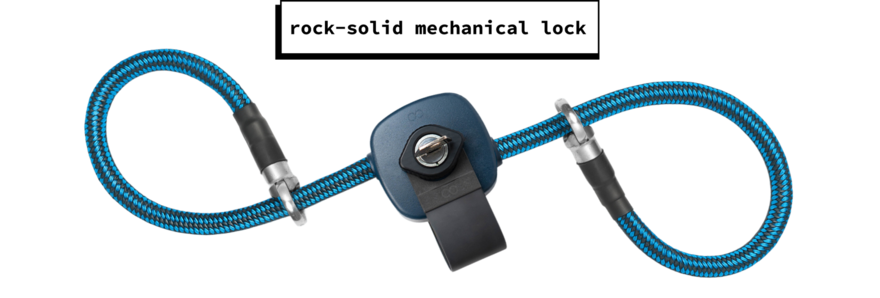
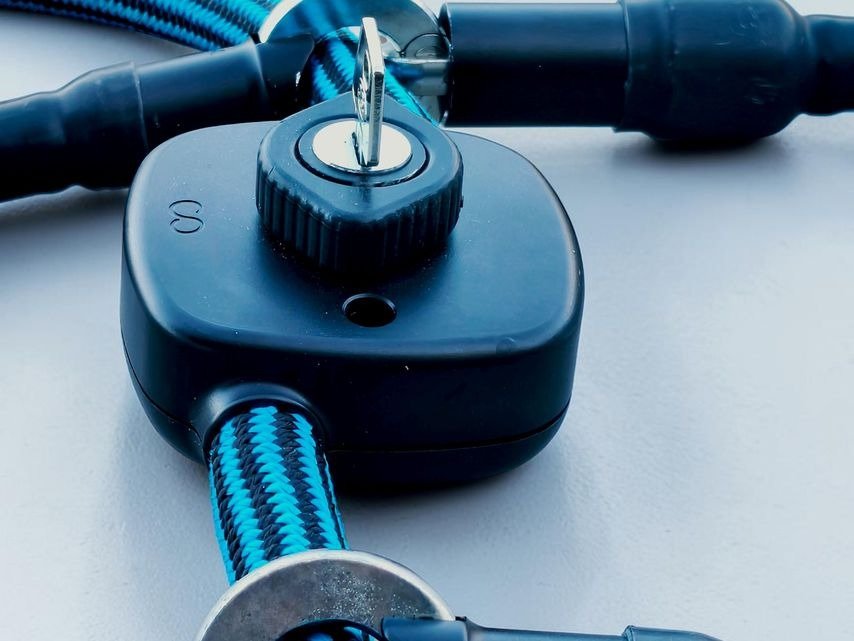
At the heart of the Cordalock is a departure from the traditional "textile-sheathed cable" architecture. While it maintains a textile exterior for aesthetic and frame-protection purposes, its interior is an engineering departure from the norm.
Metallurgy and Construction
Beneath the sheath, the Cordalock comprises hardened, carbonitrided steel rings reinforced with a high-tensile steel core. Carbonitriding is a surface-hardening process that increases the surface hardness of the metal, making it significantly more resistant to wear and indentation. By creating a series of interlocking rings, the Cordalock achieves a "hybrid" state: it is as flexible as a rope, yet possesses the shear resistance of a hardened chain.
Dimensions and Weight
- Weight: The unit weighs in at 2.2 kilograms (4.4 lbs). While this is heavier than a basic cable, the designers argue that it is lighter than the combined weight of the two or three locks a commuter would otherwise need to carry to achieve the same level of total-bike security.
- Capacity: The design is optimized for a four-way lock-up: front wheel, rear wheel, main frame, and seat.
The Security Implications of Geometry
The data suggests that most bike thefts are crimes of opportunity. A thief looking for a quick payout will target the path of least resistance. By securing the saddle and both wheels, the Cordalock effectively renders the bike an unattractive target. If a thief cannot quickly strip parts or ride away with the frame, the risk-to-reward ratio of the theft shifts dramatically, deterring the attempt entirely.
Official Responses and Industry Outlook
The industry reception, particularly from publications like Velo Biz, has been positive, noting that the Cordalock "thinks about the bicycle lock system differently."
For the average cyclist, the current market is bifurcated: you have high-security, heavy, and cumbersome U-locks that only secure the frame, or lightweight cables that can be cut in seconds. The Cordalock attempts to occupy the "middle ground"—a high-security device that does not compromise on reach.
"The goal," one of the designers noted during the project’s launch, "was to simplify the daily routine of the cyclist. If the lock is difficult to use, or if it doesn’t cover all the parts of the bike, it is effectively failing its purpose."
While the device has not yet undergone independent testing by agencies like Sold Secure or ART, the initial feedback from the crowdfunding community suggests that the design addresses a long-standing "pain point" in the cycling experience. The decision to retail the product at approximately $180 positions it as a premium security accessory, targeting the demographic of urban commuters who invest heavily in their bicycles and prioritize high-end security.
Implications: The Future of Urban Security
The emergence of the Cordalock suggests a broader trend in bicycle component design: the shift toward "systemic security." Instead of viewing the bicycle as a frame that needs locking, designers are beginning to view the bicycle as a collection of high-value assets that must be protected simultaneously.
The Impact on Commuter Culture
If successful, the Cordalock could change the way cities plan bicycle parking. If a lock is long enough to secure the entire bicycle to a post, it reduces the need for elaborate "wheel-locking" infrastructure. It empowers the cyclist to be autonomous, regardless of where they park.
Challenges Ahead
However, the road to mass adoption is not without its hurdles. At 2.2 kilograms, the weight of the lock is a significant factor. For the competitive cyclist or the ultra-lightweight commuter, this mass may be a deterrent. Furthermore, the longevity of the carbonitrided rings under harsh weather conditions (such as salt spray and extreme temperature fluctuations) remains to be seen. As the first units ship in December, the real-world performance data will be the ultimate judge of the project’s success.
A New Standard?
The Cordalock represents a creative response to a persistent urban problem. By applying industrial metal fabrication standards to a consumer product, the designers have sparked a necessary conversation about the limitations of current hardware. Whether it becomes the new industry standard remains to be seen, but the success of the Kickstarter campaign is a clear indicator that the cycling public is ready for a more comprehensive approach to security.
As cities continue to push for greener, bike-friendly urban centers, the importance of robust security cannot be overstated. If a cyclist cannot trust that their vehicle will be there when they return, they will not ride. Innovations like the Cordalock may, in a small but significant way, contribute to the long-term sustainability of the urban cycling movement. By removing the anxiety of theft, we remove the primary barrier to the widespread adoption of the bicycle as the primary vehicle of the future.
About the Author