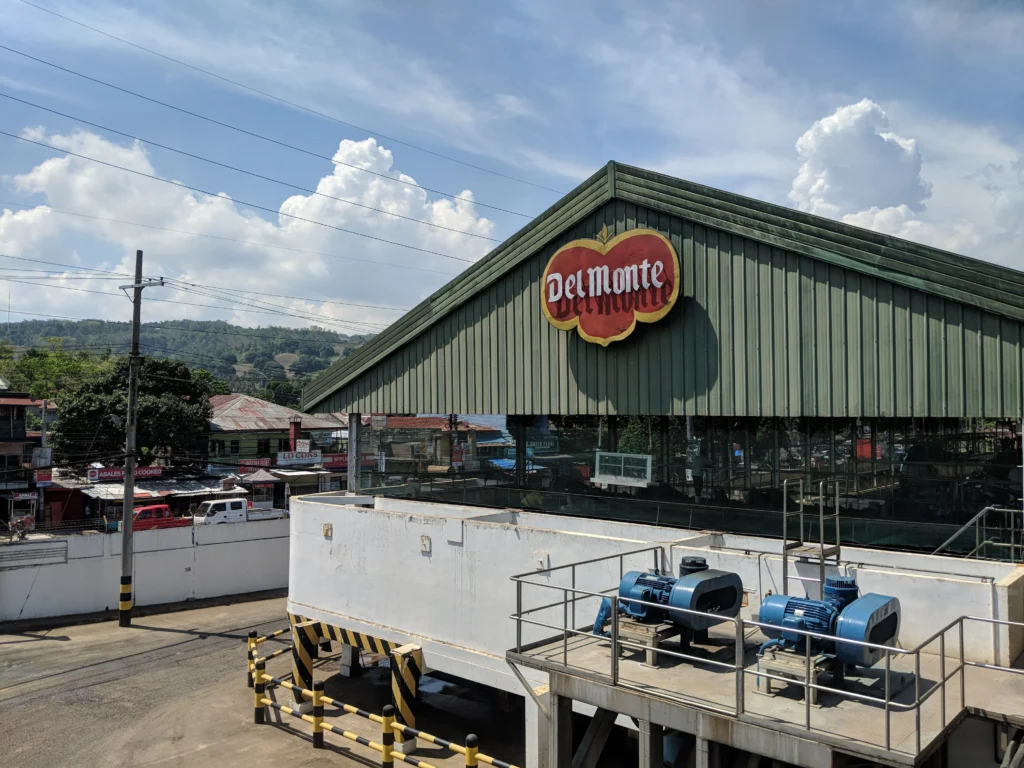
After 139 years of serving as a staple in American pantries, Del Monte Foods, a titan of the processed food industry, has filed for Chapter 11 bankruptcy protection. The move, announced in July 2025, marks a somber milestone for the Walnut Creek, California-based company. Once the quintessential symbol of suburban kitchen convenience, the brand now finds itself struggling under the weight of shifting consumer health consciousness, aggressive inflation, and a precarious financial structure.
The company has entered into a formal restructuring support agreement with its primary lenders and has secured $912.5 million in debtor-in-possession (DIP) financing. This crucial liquidity lifeline is intended to keep operations functional while the company undergoes a court-supervised sale of its assets. This transition represents not merely a corporate reorganization, but a potential final act for one of the most recognizable names in global food production.
The Perfect Storm: A Chronology of Decline
The collapse of Del Monte was not an overnight occurrence but rather the culmination of years of mounting pressures that converged in the first half of 2025.
- Early 2020–2022: The COVID-19 pandemic triggered a massive, temporary spike in demand for shelf-stable goods. In response, Del Monte ramped up production and bloated its inventory to meet the unprecedented consumer frenzy.
- 2023–2024: As global health conditions stabilized, consumer behavior "normalized" with a vengeance. The excess inventory became a liability, leading to high warehousing costs and the need for deep discounting, which eroded already thin profit margins.
- June 2025: The U.S. government implemented significant new import tariffs on steel and aluminum. For a company whose business model is predicated on metal-canned packaging, this policy shift acted as a financial death knell.
- July 2025: Facing a $1.3 billion debt load and unsustainable operating costs, Del Monte officially filed for bankruptcy protection, signaling an immediate need for asset liquidation or a strategic buyout.
Structural Pressures and Market Data
To understand the magnitude of Del Monte’s crisis, one must look at the intersection of consumer psychology and macroeconomic reality.
The Shift Away from the "Center-of-Aisle"
For decades, the "center-of-aisle" grocery strategy—relying on canned vegetables, fruits, and broths—was the gold standard of retail. However, modern consumer demographics have turned decisively toward fresh produce, organic labels, and clean-label foods. Market research indicates a growing perception of "preservative-laden" canned goods as inferior to fresh alternatives.
While Del Monte attempted to diversify its portfolio by acquiring brands such as Kitchen Basics (broths) and Joyba (bubble tea), these non-canned ventures failed to generate the revenue necessary to offset the massive decline in the company’s core business. The brand found itself caught in a "value trap": it was too expensive to compete with low-cost private-label store brands, yet lacked the premium, health-conscious appeal of modern, boutique food companies.
The "Tariff Tax" on Manufacturing
Perhaps the most damaging blow to Del Monte’s solvency was the surge in metal packaging costs. In June 2025, the implementation of sharp U.S. import tariffs on steel and aluminum transformed the economics of the canning industry. Because Del Monte’s packaging is almost exclusively metal-based, the impact was immediate and brutal.
Internal company documents reveal that metal packaging alone added more than $100 million in costs year-over-year. In a sector where profit margins are measured in fractions of a percentage point, a $100 million hike in input costs is catastrophic. The company was forced to either absorb these costs—destroying its bottom line—or pass them to consumers, which further accelerated the exodus of customers toward cheaper, private-label alternatives.
Financial Strain: A Heavy Debt Burden
Del Monte’s bankruptcy is a classic case of a legacy firm suffering from excessive leverage. At the time of the filing, the company carried approximately $1.3 billion in debt. High interest rates, intended to combat inflation, made servicing this debt an insurmountable challenge.
The inventory management errors made during the pandemic also played a critical role. When the demand bubble burst, Del Monte was left holding massive stockpiles of product. The expenses associated with storing these goods, combined with the losses incurred from clearing out expiring inventory at heavy discounts, created a "financial tailspin." By the time the company reached mid-2025, the cash flow from operations was insufficient to cover debt service, leading directly to the Chapter 11 filing.
Official Responses and Strategic Intent
In statements released by the company’s leadership, Del Monte emphasized that the Chapter 11 process is designed to protect its employees, suppliers, and customers. The company maintains that a court-supervised sale is the "most effective way" to salvage the brand’s value.
"We are committed to repositioning Del Monte for a sustainable future," a spokesperson stated. "The current financial structure is no longer compatible with the realities of the modern grocery marketplace. By seeking court protection, we are creating a path for the brand to continue under new ownership that can provide the necessary capital for modernization."
Industry analysts are closely watching the proceedings. The goal, according to legal filings, is to streamline the business, shed non-performing assets, and potentially emerge as a leaner, more agile entity. However, many skeptics argue that the "Del Monte" brand is so deeply tied to the declining canned-food category that a full rehabilitation may be impossible without a radical pivot in product identity.
Implications for the Packaged Food Industry
The Del Monte collapse serves as a "canary in the coal mine" for the broader consumer packaged goods (CPG) industry. It illustrates that iconic status is no longer a shield against macroeconomic shifts.
The Vulnerability of Legacy Brands
For decades, shelf-stable, center-of-aisle brands operated on a predictable, high-volume model. Del Monte’s downfall suggests that this model is fundamentally broken in an era of rapid supply chain volatility. If a company with 139 years of history can be unmade by a combination of tariffs, debt, and shifting tastes, then no legacy brand is truly safe.
The New Rulebook for Success
If a buyer emerges to acquire Del Monte’s assets, the road ahead will require a complete overhaul of the company’s strategic focus:
- Diversification: Future success in this space depends on exiting the "canned-only" reliance and moving into fresh-food, high-growth beverage categories, or refrigerated segments.
- Supply Chain Agility: Companies must move away from the massive, rigid inventory models that proved so costly during the post-pandemic downturn.
- Inflation Resilience: As evidenced by the tariff crisis, reliance on raw materials subject to geopolitical volatility (like steel) is a strategic risk that must be mitigated through sourcing diversification or material innovation.
A Warning to Retailers
For grocery retailers, the Del Monte filing is a warning to diversify shelf space. The traditional "middle of the store" is becoming a graveyard for legacy brands that fail to adapt to the "fresh-first" consumer preference. Retailers are likely to prioritize private-label products, which offer higher margins and greater control over supply chain costs, further squeezing national brands that cannot innovate.
Conclusion: A Turning Point for the Pantry
The bankruptcy of Del Monte Foods is more than just a corporate statistic; it is a cultural marker. It reflects a society that is moving away from the convenience of preserved food toward a demand for freshness and transparency. While the brand may survive in some capacity under new ownership, the "Del Monte" of the 20th century is effectively over.
The lesson for the industry is clear: in an age of global supply chain shocks and rapidly changing consumer habits, scale and history are not enough. The future of food will belong to those who can balance the efficiency of the past with the agility required for an unpredictable, fast-evolving future. As the court-supervised sale proceeds, the entire food sector will be watching, waiting to see if this icon can reinvent itself or if it will be relegated to the annals of commercial history.
About the Author