The modern smart home is a double-edged sword. While the proliferation of Internet of Things (IoT) devices has brought unprecedented convenience, security, and peace of mind to the average homeowner, it has also introduced a pervasive, lingering anxiety: the "digital voyeur." For years, the trade-off for protecting one’s property from external intruders has been the vulnerability of one’s own private sphere to potential hackers or unauthorized surveillance.
Xiaomi, the global tech giant, is attempting to bridge this gap with the introduction of its new Smart Camera 4 Pro. By integrating physical hardware cues with privacy-centric storage solutions, the device addresses a fundamental human need—the desire to know, with absolute certainty, when one is not being watched.
Main Facts: A New Approach to Hardware-Level Privacy
At its core, the Xiaomi Smart Camera 4 Pro is designed to be more than just a security sensor; it is a piece of home automation hardware that acknowledges the psychological discomfort of living under a constant lens.
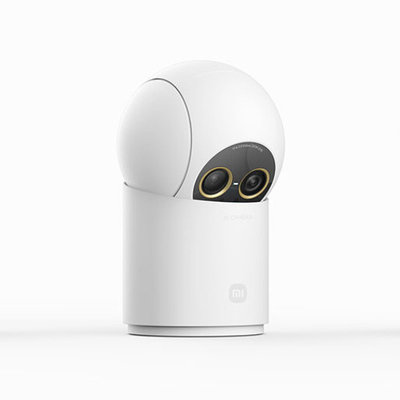
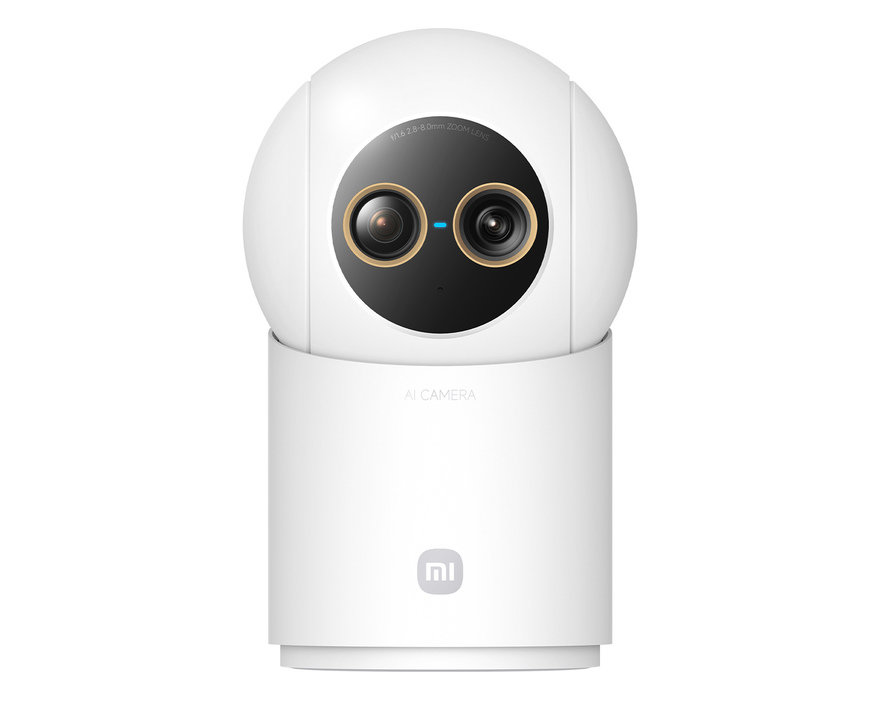
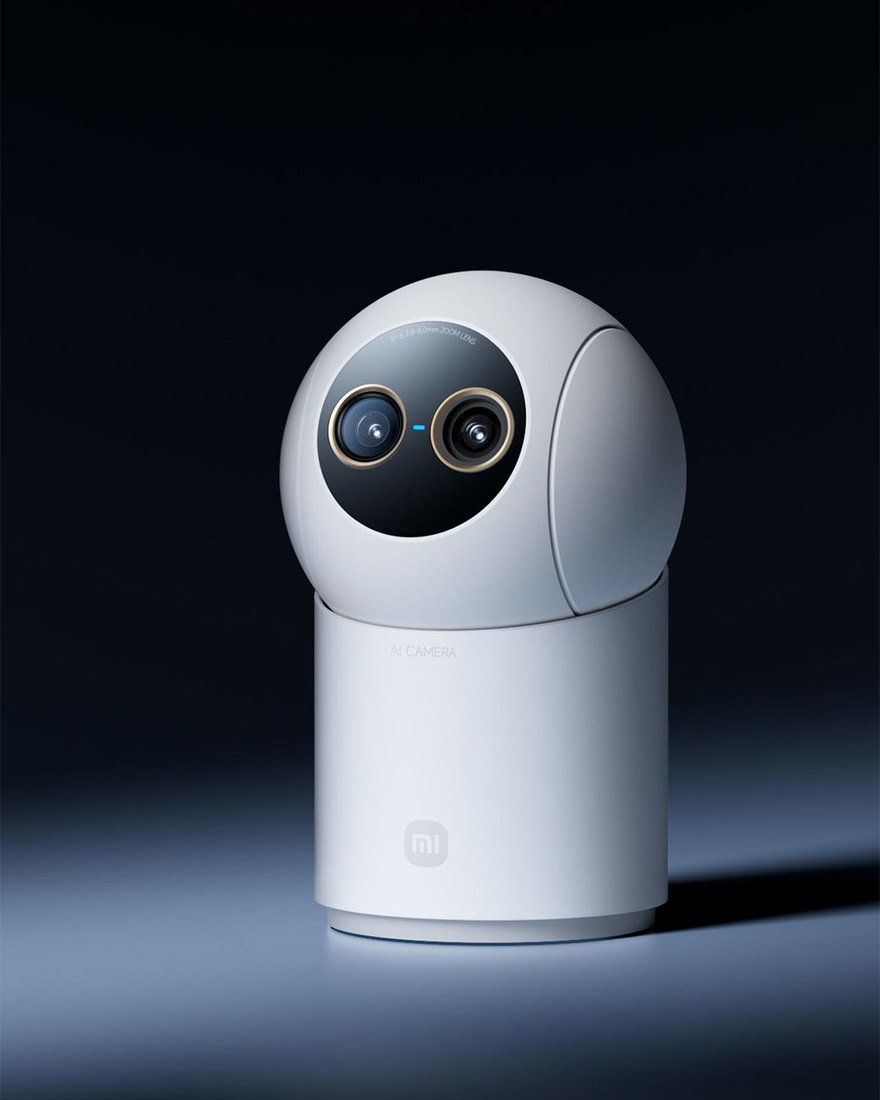
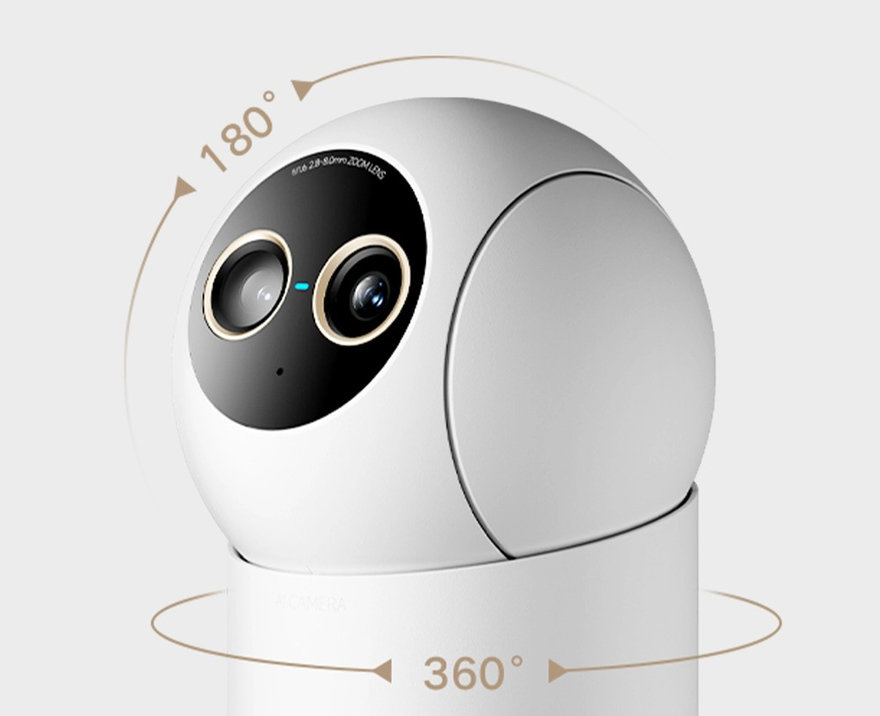
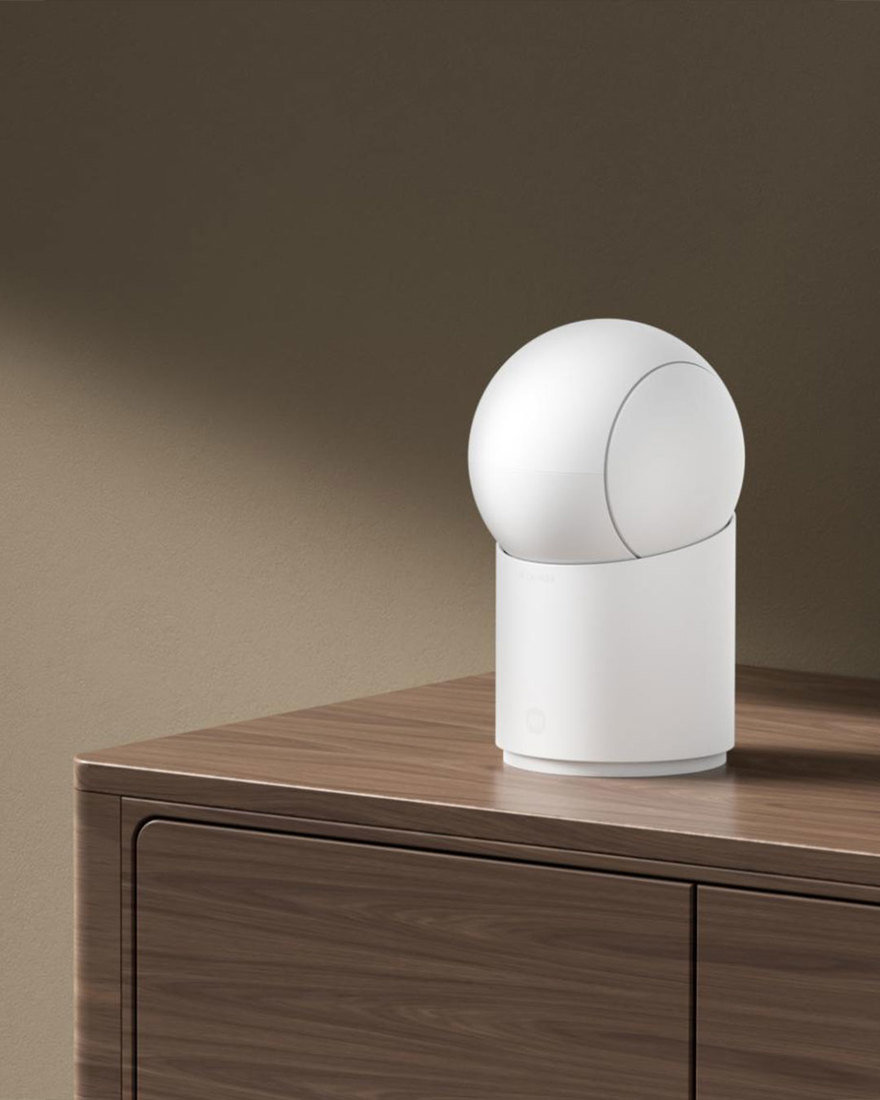
The device features a unique, dual-lens architecture that gives it a distinct, almost humanoid appearance. It pairs an 8-megapixel ultra-wide lens, designed to capture the expansive geometry of a living room or foyer, with a 5-megapixel telephoto lens, capable of high-fidelity zooming to identify individuals. The unit is fully motorized, capable of smooth panning and tilting to track motion across a space.
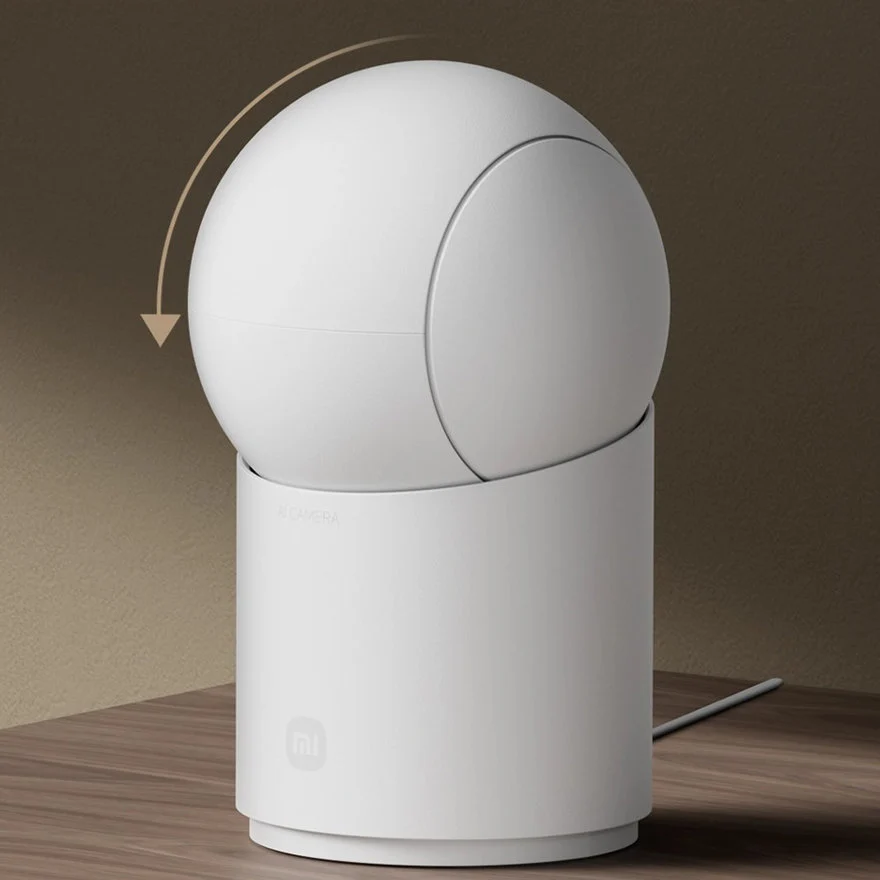
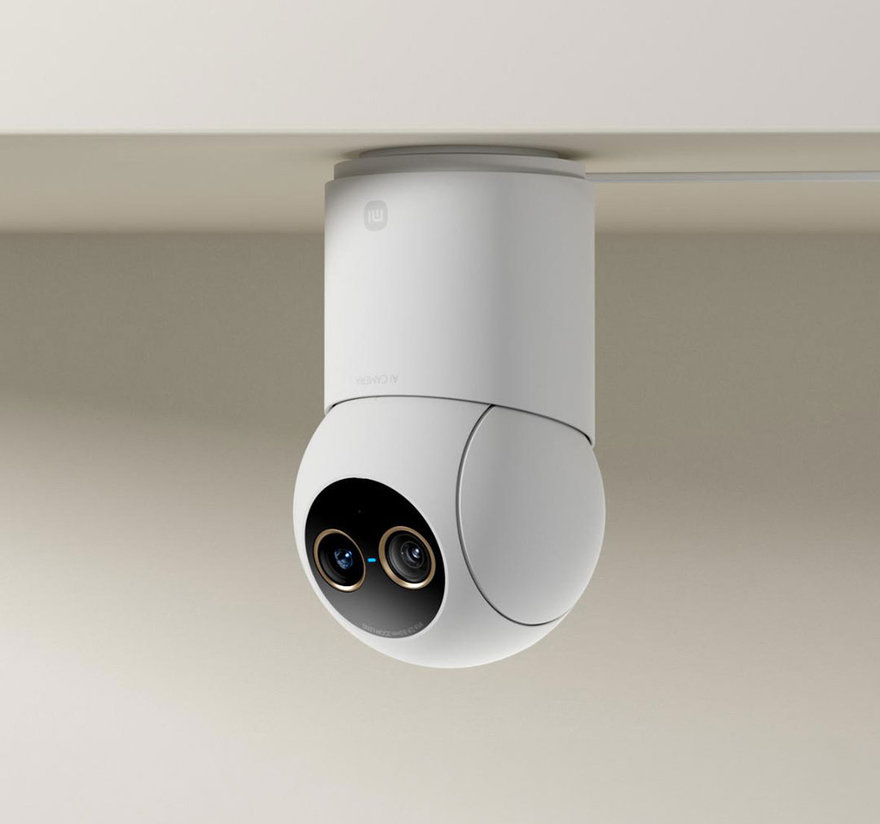
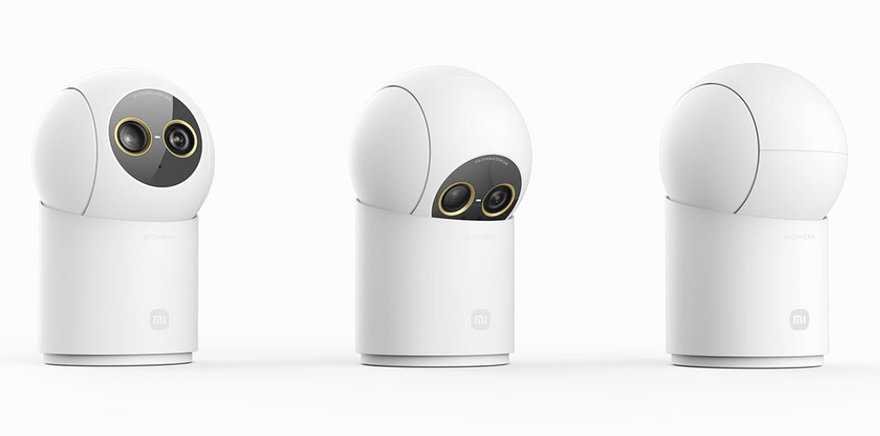
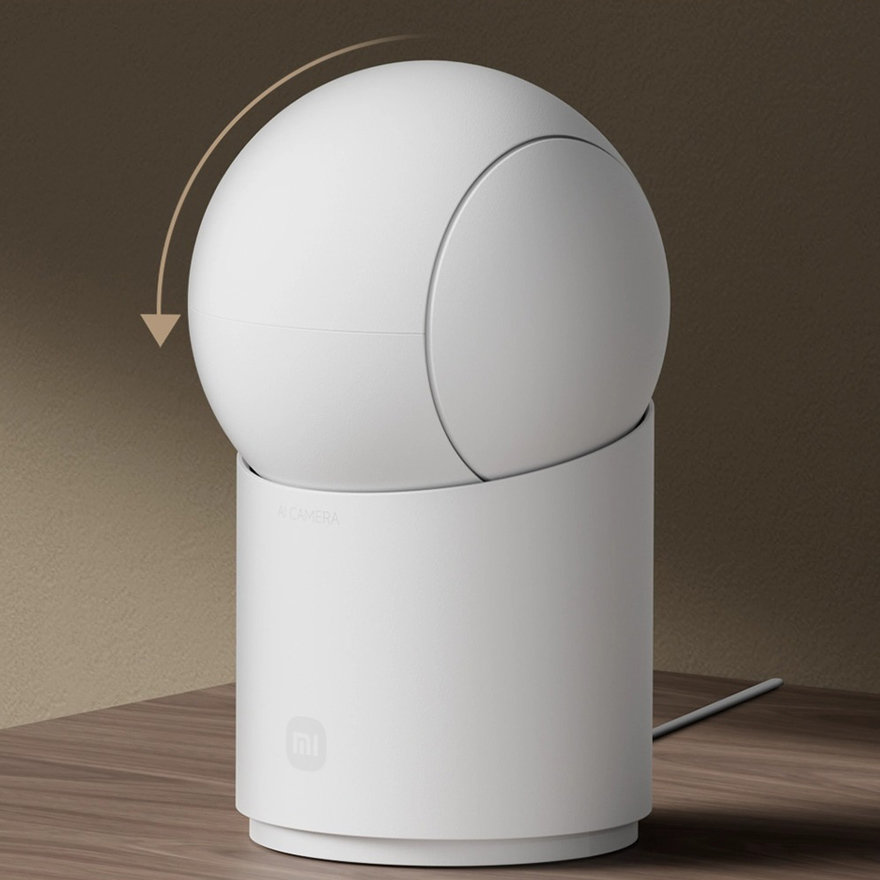
However, the defining feature of the Smart Camera 4 Pro is not its optical prowess, but its "Privacy Mode." Unlike traditional cameras that rely on a software toggle or a tiny, easily ignored LED light to signal status, Xiaomi has opted for a physical, kinetic solution. When the user selects "Privacy Mode" via the companion smartphone application, the camera’s head physically rotates downwards, tucking its lenses into the chassis. This movement is not just a software command; it is a visible, mechanical confirmation that the aperture is obstructed. The user can also trigger this state manually, providing a tactile, "fail-safe" layer of assurance that no data is being captured.
Chronology: The Evolution of Domestic Surveillance
The rise of the "creepy" smart camera is a relatively recent phenomenon, tracking alongside the rapid adoption of home automation starting in the mid-2010s.
- 2014–2016: The Proliferation Phase. As platforms like Amazon Ring and Google Nest gained market share, the focus was entirely on image quality, cloud connectivity, and "always-on" monitoring. During this period, the industry largely ignored user concerns regarding privacy, assuming that a software-encrypted stream was sufficient.
- 2017–2019: The Wake-Up Call. A series of high-profile security breaches, where hackers gained access to domestic camera feeds, made international headlines. Consumers began using DIY solutions, such as placing tape over lenses, which signaled a clear market failure: consumers did not trust the software "off" switches.
- 2020–2023: The Privacy-First Pivot. Major manufacturers began experimenting with physical privacy shutters. However, these were often flimsy plastic slides that felt like an afterthought.
- 2024–Present: The Integrated Hardware Era. Xiaomi’s Smart Camera 4 Pro represents a shift toward "Privacy by Design." By making the privacy mechanism a primary feature of the device’s form factor, the company is moving toward a future where privacy is not an "add-on" but a structural component of the industrial design.
Supporting Data: Local Storage vs. The Cloud
A critical component of the Xiaomi Smart Camera 4 Pro’s privacy proposition is its shift away from mandatory cloud storage.
In the current ecosystem, most security camera data is uploaded to remote servers. While this offers the benefit of remote access, it also creates a "honeypot" of data—a single point of failure that, if breached, could expose thousands of households simultaneously.
Xiaomi has pivoted toward local storage architecture. By keeping the video data on a local SD card or a private network-attached storage (NAS) device, the camera eliminates the need for data to transit through the public internet. According to recent white papers on IoT security, devices that utilize local-only processing reduce the attack surface for external hackers by approximately 85%. While this may limit the ability to view footage from halfway across the world without a VPN or secure tunnel, it significantly bolsters the homeowner’s sense of digital sovereignty.
Official Responses and Market Positioning
As of mid-2024, the Smart Camera 4 Pro is exclusive to the Chinese market. Xiaomi’s product design team has framed this launch as a direct response to customer feedback regarding "camera anxiety."

"We understand that the camera is a guest in the home," a Xiaomi spokesperson noted in a recent press briefing. "Guests should know when to look away. By engineering a device that physically hides its eyes, we are shifting the control from the cloud back to the user’s hand."
Industry analysts have observed that this move is a savvy strategic play for the Chinese market, where government-led initiatives for "Smart Cities" have made citizens increasingly conscious of how they are monitored, both in public and private spaces. By positioning the product as a "privacy-first" device, Xiaomi is setting a new standard that competitors may be forced to follow if they wish to remain relevant in a market that is becoming increasingly cynical about digital surveillance.
Implications: The Future of "Visible" Security
The implications of Xiaomi’s design choice extend far beyond a single product.
1. The Psychology of Trust
The "Privacy Mode" on the Smart Camera 4 Pro addresses a fundamental gap in human-computer interaction (HCI). Humans trust what they can see. A camera that looks at the wall is intuitively understood to be "off," whereas a software-only toggle relies on the user trusting that the firmware is not lying to them. This physical feedback loop reduces the mental load on the user, who no longer needs to wonder if their privacy settings have been overridden by a software update.
2. The Return to Localism
If the trend of local-only storage continues, it could disrupt the business models of companies that rely on monthly cloud storage subscription fees. If consumers demand local storage as a standard feature, tech giants will have to find new ways to monetize smart home devices, perhaps through hardware margins or premium, locally-encrypted services.
3. Industrial Design as Policy
Xiaomi’s move suggests that we are entering an era where "privacy policy" is no longer just a legal document stored on a website—it is an aesthetic and mechanical choice. We may soon see a wave of "kinetic" smart home devices that use motion to communicate their state to the user. This could include smart speakers that physically tilt their microphones away, or smart locks that show a physical red indicator when in "do not disturb" mode.
4. The Global Regulatory Outlook
While currently limited to the Chinese market, the success of the Smart Camera 4 Pro could provide a template for global manufacturers. As GDPR in Europe and similar privacy regulations in the United States become more stringent, regulators may begin to mandate "physical state indicators" for connected cameras. Xiaomi has effectively provided a prototype for what a future-proof, compliant smart home looks like.
Conclusion: A New Standard for the Home
The Xiaomi Smart Camera 4 Pro is not just a technological improvement on the status quo; it is a philosophical pivot. It acknowledges that the ultimate goal of home security is not just to keep intruders out, but to ensure that the home remains a sanctuary.
By prioritizing physical, observable privacy, Xiaomi has effectively signaled that the era of the "always-on" black box is coming to an end. For the homeowner, the ability to "close" the camera’s eyes provides a peace of mind that no amount of encryption can match. As the technology matures and moves into broader global markets, it is highly likely that this blend of high-end optics and low-tech physical transparency will become the benchmark by which all domestic surveillance is measured.
The future of the smart home is not just about being smarter; it is about being more respectful of the lives it monitors. Through the simple act of looking away, Xiaomi has managed to look further into the future of privacy than most of its competitors.
About the Author