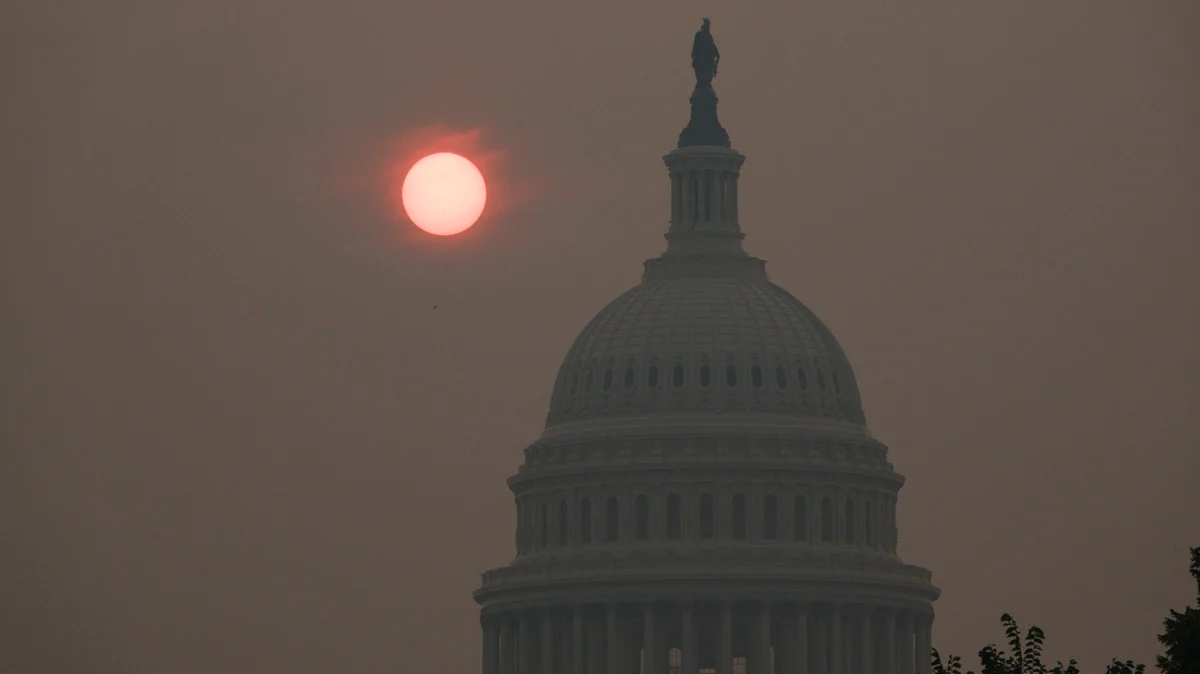
As the United States swelters through yet another record-breaking summer—marked by persistent drought, catastrophic flash flooding, and heatwaves that have strained the nation’s infrastructure to the breaking point—a profound shift is occurring in the American psyche. Despite a concerted, high-level political campaign to dismiss global heating as a "hoax" or a "con job," a clear majority of the American electorate is connecting the dots between their daily experience of volatile weather and the broader, systemic climate crisis.
New polling data, shared exclusively with The Guardian and analyzed by the progressive firm Data for Progress, reveals that the wall of climate denial, carefully constructed by political interests, is showing significant cracks. While the executive branch continues to push rhetoric that ignores the scientific consensus, the public’s lived reality is proving to be a more persuasive force than political messaging.
The Consensus of Experience: A Shift in Perception
The survey results paint a stark picture: approximately 61 percent of likely American voters now acknowledge that extreme weather events have increased in frequency over the last five years. This realization cuts across partisan lines, finding purchase with 72 percent of Democrats, 63 percent of Independents, and—perhaps most notably—46 percent of Republicans.
Grace Adcox, senior climate strategist at Data for Progress, notes that the polling was designed to find a common foundation. "We started with the question of whether extreme weather events are increasing, because we thought if we can find consensus on that, it could be an entry point to a more bipartisan conversation about climate intervention," she explains.
The data suggests that the "climate-hushing" tactics favored by the current administration are failing to suppress public awareness. Senator Sheldon Whitehouse (D-RI), a vocal critic of the political trend to silence climate discourse, views this as a tipping point. "This adds to the mountain of evidence that the public is way ahead of the politicians on the dire consequences of climate change," Whitehouse stated. "Climate hushers who ignore this righteous fight should take note."
Chronology of a Crisis: From Warnings to Reality
To understand why this shift is occurring now, one must look at the recent trajectory of environmental conditions in the United States.
- 2024–2025: The period saw a steady escalation in climate-related anomalies. Record-shattering temperatures in the Southwest and unprecedented rainfall events in the Midwest began to erode the "natural cycle" argument that has long been a bedrock of climate skepticism.
- Early 2026: The onset of the current year brought early, intense heatwaves that began as early as May, signaling an earlier-than-usual start to the dangerous summer season.
- April 2026: The federal government faced criticism for its handling of occupational safety. The administration allowed the Occupational Safety and Health Administration’s (OSHA) nationwide enforcement initiative on heat illness to lapse, later replacing it with a significantly weakened framework.
- June 2026: Severe flooding in Kentucky and surrounding regions served as a grim reminder of the climate’s volatile nature, causing loss of life and massive property damage.
- July 2026: As the country faced the "World Cup" of heatwaves—a confluence of record-high temperatures—polling confirms that the connection between these events and human-driven climate change has solidified in the public consciousness.
The Heat Metric: Why Temperatures Trump Other Metrics
While wildfires, hurricanes, and droughts are clearly understood as climate-driven, heatwaves stand in a category of their own. According to the data, 67 percent of voters explicitly link climate change to worsening heatwaves. This includes nearly half (48 percent) of Republicans, the highest level of agreement for any extreme weather event surveyed.
The reason for this is as practical as it is physiological. High temperatures are a pervasive, democratic threat; they do not respect state lines or political affiliations. As Adcox points out, "Extreme heat happens to have the biggest footprint in the American context compared to some of these other types of extreme weather." Because heat is the leading cause of weather-related mortality in the US—outstripping the combined death tolls of hurricanes, tornadoes, and floods—it has become the primary lens through which the public views environmental instability.
The Knowledge Gap: Nature vs. Industry
Despite the increasing recognition of consequences, there remains a stubborn gap in the understanding of causes. Research from the Yale Program on Climate Change Communication underscores this paradox. While Americans are increasingly connecting the "what" (more storms, hotter days), they are still struggling with the "why."
Jennifer Marlon, a senior research scientist at Yale, highlights that 27 percent of Americans still attribute these changes to natural cycles. "This is probably the biggest misconception out there," Marlon says. "Many Americans still think the warming is due to some kind of natural cycle. But it isn’t." This disconnect suggests that while the public is willing to accept the reality of a changing climate, there is still a massive, unfulfilled need for climate education that separates natural variability from the industrial-scale emissions driving modern warming.
Implications: A Non-Partisan Demand for Protection
The most striking implication of the new data is not just the acknowledgement of the problem, but the overwhelming appetite for policy solutions—particularly regarding labor.
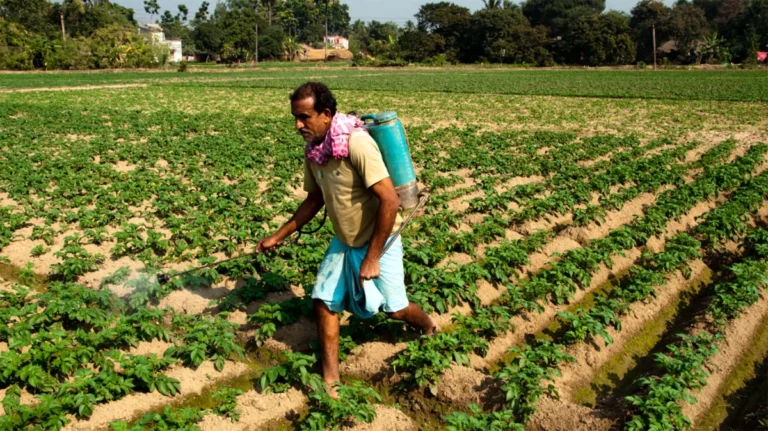
When asked about protecting outdoor workers—such as construction crews, agricultural laborers, and roofers—who are on the front lines of the heat crisis, the response was uniform. Roughly 88 percent of voters, regardless of party, support state-level policies requiring employers to provide basic protections: access to drinking water, mandated shade, frequent breaks, and air conditioning where applicable.
This level of consensus is rare in the current, hyper-polarized political environment. It suggests that "climate justice" need not be a partisan buzzword; it can be reframed as a matter of fundamental workplace safety and human dignity.
"These findings send a powerful message: protecting workers from dangerous heat isn’t a partisan issue," said Jessica E. Martinez, executive director of the National Council for Occupational Safety and Health. "When 88 percent of likely voters support requiring employers to provide basic, lifesaving heat protections, it’s clear the public expects every worker to be protected."
Conclusion: The Future of Climate Discourse
The current administration’s attempt to downgrade federal oversight on heat safety is increasingly at odds with the public’s expectations. By framing the climate crisis through the lens of worker protection, advocates have found a powerful, non-partisan lever for change.
The path forward, according to strategists like Adcox, involves leveraging the public’s visceral reaction to heat to initiate deeper conversations. If a citizen can acknowledge that "this heat is crazy," they are already halfway to an honest conversation about the systemic causes of that heat.
As the summer of 2026 wears on, the data suggests that the American public is moving beyond the stage of debate. They are living through the consequences of a warming world, and they are increasingly demanding a government that treats that reality not as a political inconvenience to be hushed, but as a crisis to be managed. The question that remains is how much longer the political establishment can afford to ignore the people they are supposed to represent.
About the Author