For over a decade, the trajectory of consumer technology has been defined by a relentless push toward "more." More screen real estate, more background processes, more AI-driven predictive algorithms, and, ultimately, more intrusion into the human experience. Every year, Silicon Valley giants promise that their latest smartphone will make our lives more efficient, yet for millions of users, the result has been a paradoxical sense of overwhelm.
In an era where the smartphone has become a digital tether—a device designed to capture and hold our attention at any cost—a quiet rebellion is brewing. It is led, perhaps ironically, by Gen Z, a demographic that grew up with the internet in their pockets but is now finding solace in the tangible, the limited, and the offline. Enter Light, a Brooklyn-based hardware company that is leaning into this cultural shift with its latest offering: the Light Flip. By reviving the classic flip phone, Light isn’t just selling a piece of hardware; it is proposing a radical restructuring of our relationship with connectivity.
The Evolution of the Digital Tether
To understand the appeal of the Light Flip, one must first look at the trajectory of the modern consumer. Throughout the 20th century, the hallmark of progress was the acquisition of technology. In the early 1900s, the radio was the centerpiece of the home, a miracle of connection that brought the world into the living room. By the mid-century, the landline telephone became the vital link between households, followed by the television, the Walkman, and eventually, the cell phone.
The 2000s marked the pivot point. With the introduction of the modern smartphone, technology shifted from a tool we occasionally used to a landscape we constantly inhabited. For the younger generation, which has never known a world without high-speed mobile data, the "always-on" culture has led to a burgeoning sense of digital burnout.
This fatigue has birthed a fascinating counter-trend. Just as vinyl records and film cameras have seen a massive resurgence among tech-native cohorts, the flip phone has emerged as a symbol of intentionality. It is not necessarily a rejection of technology, but a rejection of the noise that technology has brought into our personal spaces.
The Anatomy of the Light Flip
Light, founded on the premise of "going light," has spent years building a reputation for minimalist, distraction-free devices. Their latest product, the Light Flip, is the culmination of years of user feedback. The company observed that while many young people were gravitating toward vintage flip phones, they were ultimately disappointed by the experience. Old hardware was often slow, poorly supported by modern network bands, or riddled with "junk" software that defeated the purpose of a minimalist device.
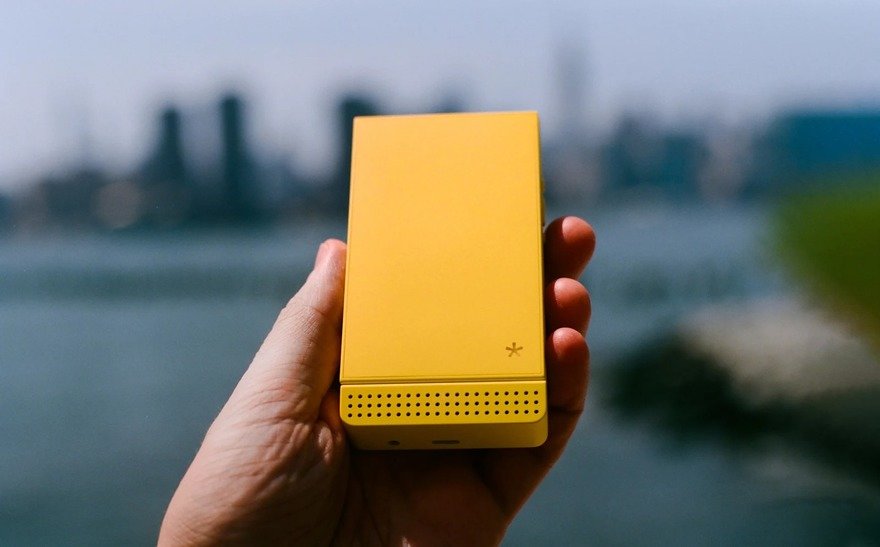
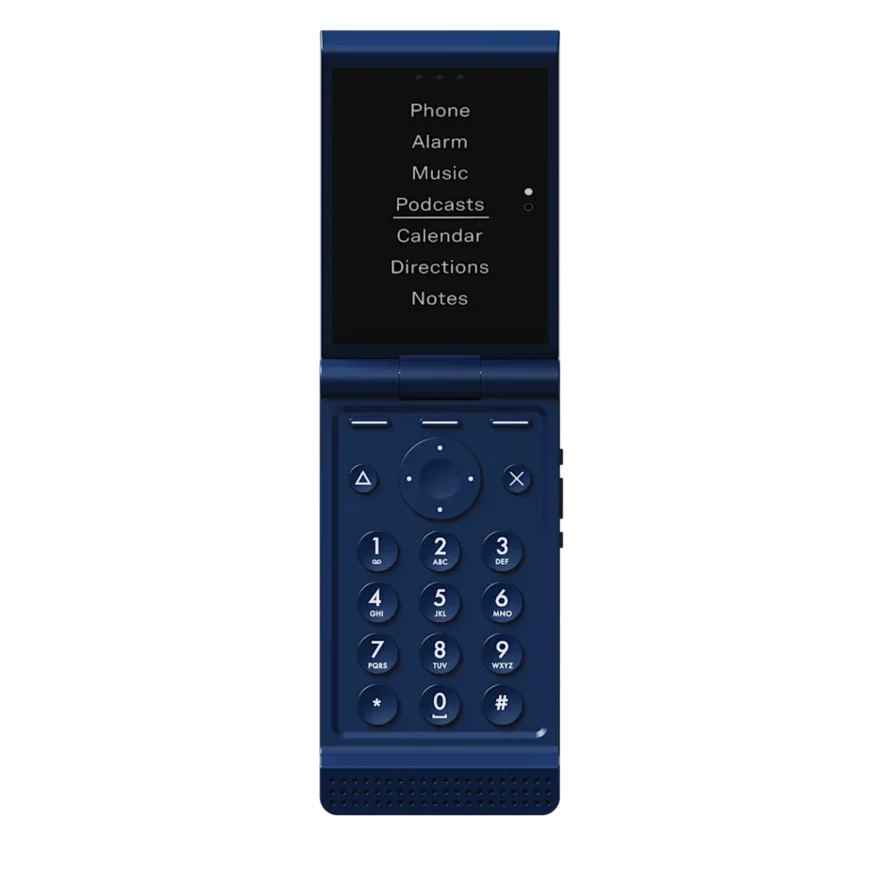
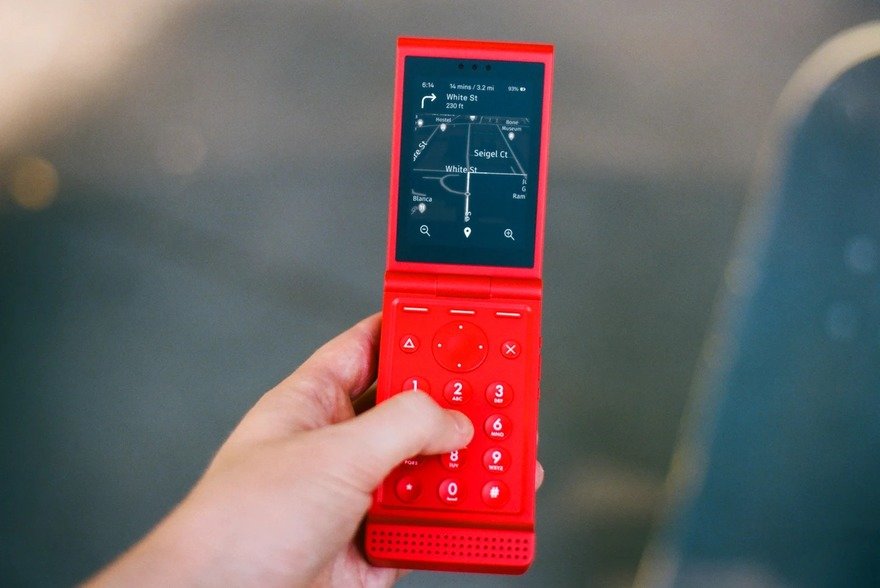
The Light Flip addresses these pain points by blending the nostalgic, tactile satisfaction of a clamshell design with a modern, custom-built operating system: LightOS.
Key Technical Specifications and Features:
- Connectivity: While the device is "minimalist," it is not antiquated. It includes 5G connectivity, Wi-Fi, Bluetooth, and a headphone jack—a nod to those who value high-quality, offline audio.
- Tactile Hardware: The device features a durable build designed for the rigors of daily life, emphasizing the physical act of opening and closing the phone.
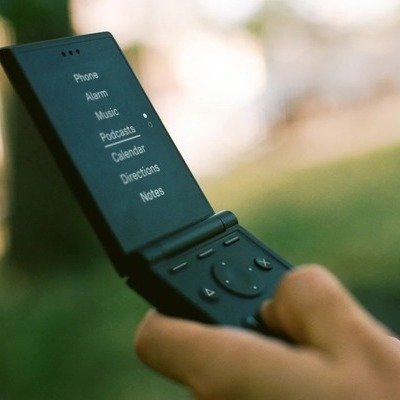
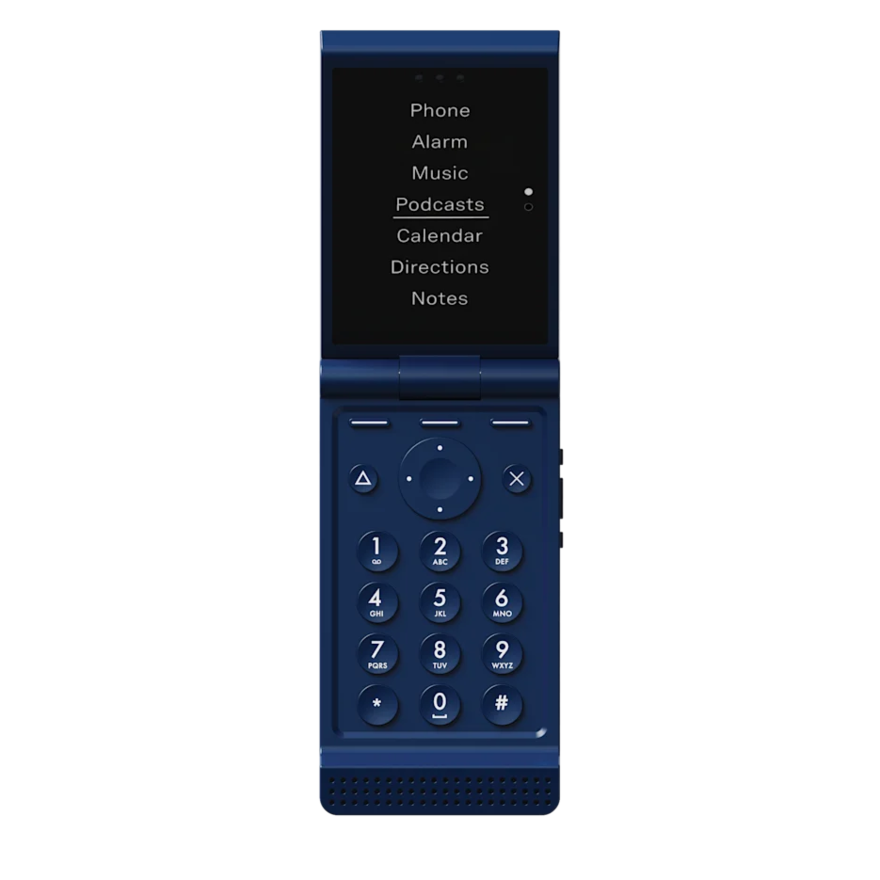
- The OS: LightOS provides only the essential tools: Alarm, Calculator, Calendar, Directory, Directions, Hotspot, Music, Notes/Voice Memo, Podcast, and Weather. It also includes an Authenticator for 2FA, acknowledging that modern security requirements cannot be entirely ignored.
- Input Methods: The device supports predictive T9 typing, voice-to-text, and audio messaging, allowing for communication that is efficient without being invasive.
- Curation: One of the most distinct features is the limitation of speed dial slots to exactly nine. This forces users to prioritize their inner circle, moving away from the "infinite contact list" mentality of the modern smartphone.
A Chronology of the "Minimalist" Movement
The rise of the Light Flip did not happen in a vacuum. It is the latest chapter in a multi-year movement to reclaim focus.
- 2015: Light launches its first project, focusing on a credit-card-sized "dumb phone" that only made calls. It gained massive traction among design-conscious early adopters.
- 2019-2021: The COVID-19 pandemic forces a global reckoning with screen time. With the majority of work and social life moved to Zoom, the desire for "analog" downtime skyrockets.
- 2022: The "dumb phone" trend goes viral on TikTok. Influencers and tech enthusiasts begin documenting their "digital detoxes," often featuring old-school flip phones as the primary tool of liberation.
- 2023-2024: Light begins the development of the Flip, explicitly citing the demand for a more ergonomic, familiar form factor that retains their minimalist philosophy.
- 2025 (Forthcoming): The official rollout of the Light Flip, targeting a market that has moved beyond the novelty phase and into a long-term commitment to digital minimalism.
Official Stance: The Case Against the "Attention Economy"
Light’s leadership has been vocal about their opposition to the direction taken by Silicon Valley giants. In a recent statement, the company framed their product as a direct response to the AI-heavy landscape:
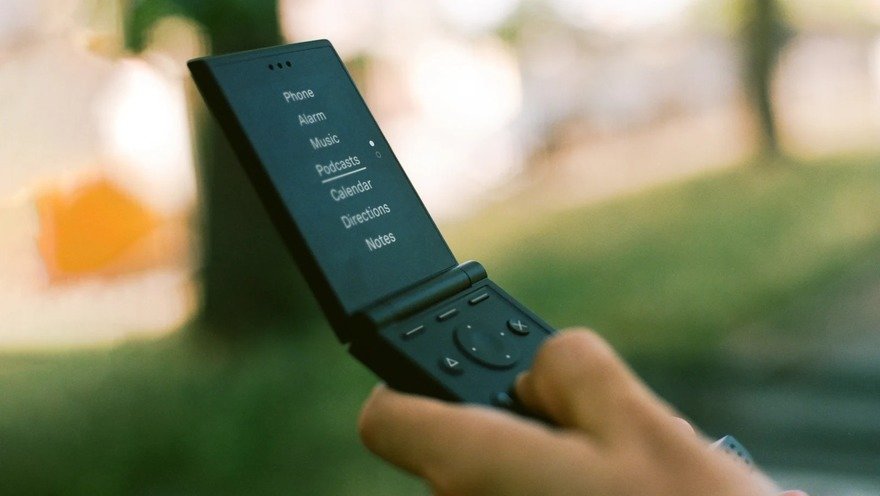
"As Apple, Google, and others race to build AI deeper into everything, despite growing backlash from consumers, Light is making the case for a radically different future."
The company’s philosophy is built on the concept of "human-centered design." They argue that current smartphones are not designed for the user’s benefit, but for the benefit of the platforms that harvest user attention. By removing social media feeds, infinite scrolling, and notification-heavy apps, the Light Flip seeks to return agency to the user.
"Time and time again, we’ve heard from people—especially the younger generations—who love flip phones, but the current options are poorly made, slow, and often pre-installed with the same addictive apps," the company noted. "Light is taking everything that works for tens of thousands of our users and bringing that into a timeless, tactile form factor."
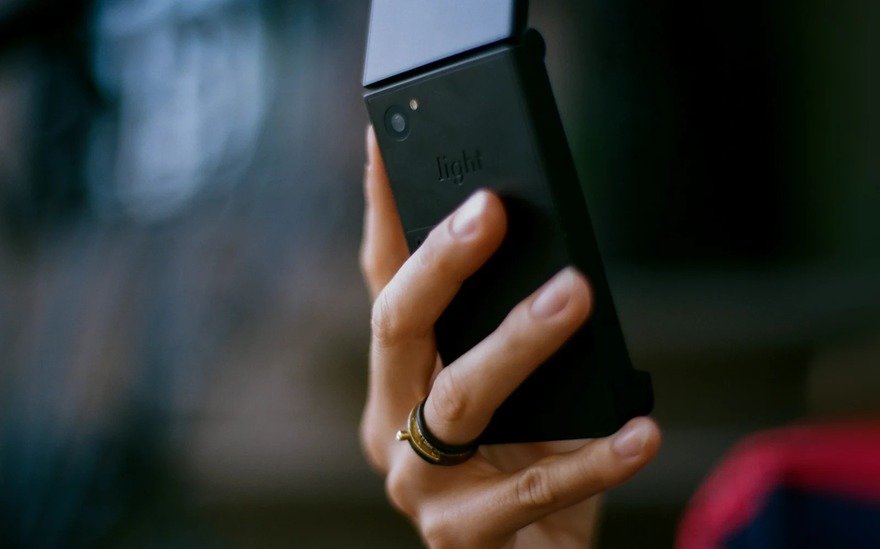
The Psychological Implications of the "Hang Up"
Perhaps the most compelling aspect of the Light Flip is its psychological impact. The physical act of closing a flip phone serves as a definitive "end" to a conversation. In the age of text messaging and push notifications, communication feels like a perpetual, low-grade hum that never truly concludes.
The physical snap of a flip phone provides a sensory boundary. It is an act of closure—a definitive signal to both the caller and the receiver that the interaction is finished. This, Light argues, is a "far superior way to catch up, make plans, or celebrate." By prioritizing voice calls over asynchronous, notification-heavy messaging, the device encourages deeper, more synchronous human connection.
Market Positioning and Future Outlook
The Light Flip is set to retail for $299 as an unlocked device, with a service plan option of $39 per month for those who commit to a two-year contract. This pricing strategy places it in the mid-range of consumer electronics, positioning it as an intentional purchase rather than a disposable commodity.
The Challenges Ahead
Despite the enthusiasm, Light faces significant hurdles. Most modern societal infrastructure—from two-factor authentication for banking to QR-code-only restaurant menus—is built with the assumption that every citizen has a high-powered, camera-equipped smartphone. Transitioning to a "light" device requires a significant lifestyle shift that not every consumer is prepared to make.
However, as the conversation around digital mental health matures, the value proposition of the Light Flip becomes clearer. It is not necessarily a device for everyone, but for a growing segment of the population, it is the only way to opt out of the "attention economy."
Conclusion: A Return to Intention
The Light Flip is a testament to the fact that progress is not always linear. Sometimes, moving forward means looking backward to recover the tools that allowed us to be present. As we look toward a future where artificial intelligence and augmented reality threaten to further blur the lines between the digital and the physical, the humble flip phone stands as a defiant, pocket-sized monument to human agency.
Whether this marks a permanent shift in consumer behavior remains to be seen. But for those who have spent years feeling like an extension of their smartphone’s operating system, the arrival of the Light Flip offers something that no amount of processing power can provide: the simple, profound satisfaction of closing the lid on the digital world and finally being "offline."
About the Author