The landscape of industrial design is rarely static, but this week provided an unusually dense intersection of high-concept aesthetics, utilitarian problem-solving, and nostalgic technological revivals. From the meticulous craftsmanship of artisanal woodworking to the rapid integration of humanoid robotics into domestic spaces, the breadth of recent developments highlights a shift toward both extreme minimalism and functional complexity.
This report synthesizes the most significant product launches, design studies, and engineering curiosities that emerged over the past seven days, examining their broader implications for the future of material culture.
Main Facts: The Week in Design
The past week has seen a fascinating trend: the "re-engineering" of the familiar. Designers are looking at stagnant categories—such as bike locks, kitchen fixtures, and even the act of ending a phone call—and applying fresh, sometimes radical, perspectives to modernize them.
Key developments include:
- Technological Humanization: UBTECH’s foray into companion robotics is signaling a shift in the September market landscape.
- The Return of Haptic Satisfaction: Light’s decision to revive the flip phone format serves as a cultural commentary on digital fatigue.
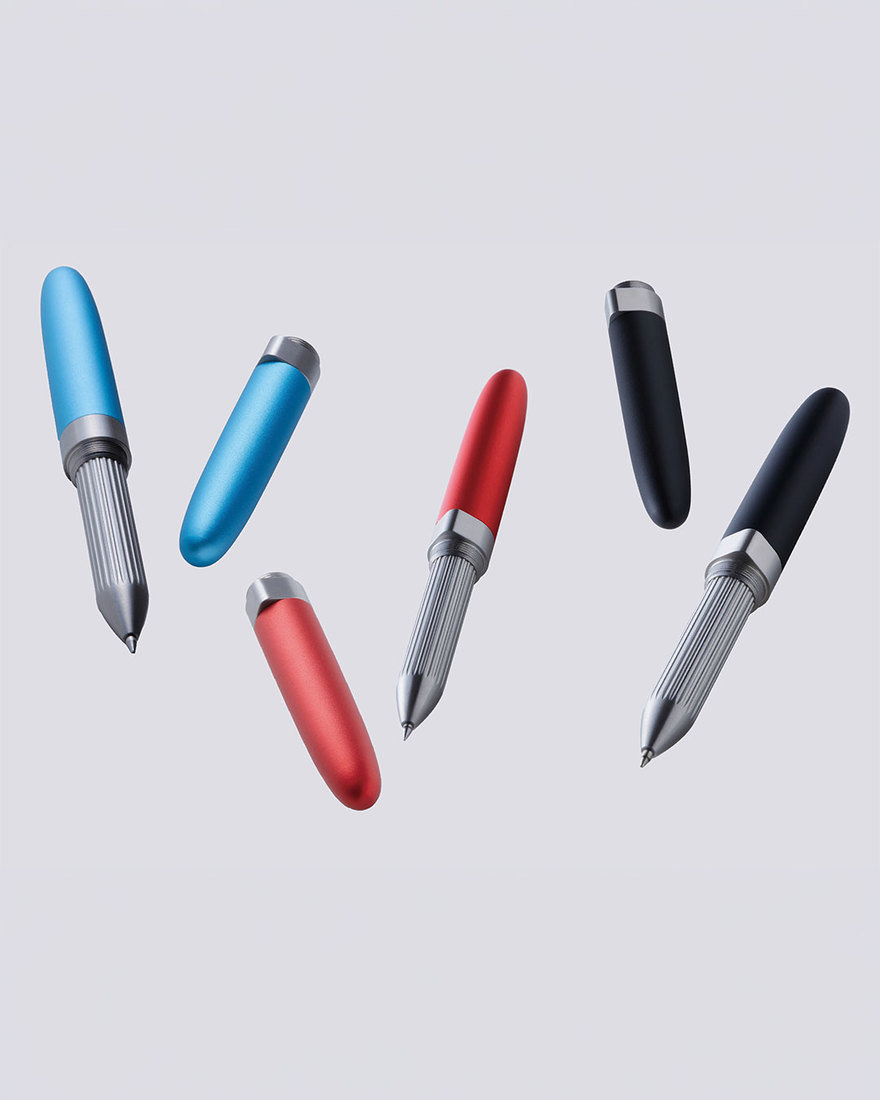
- Material Innovation: From WerksAtelier’s intricate wooden hinges to DeFF’s precision-engineered miniature writing instruments, craftsmanship remains a premium focus.
- Experimental Utility: Leatherman’s instant sell-out of an experimental ratcheting driver demonstrates a hungry market for specialized, high-performance tools.
Chronology of Developments
Early Week: The Intersection of Art and Utility
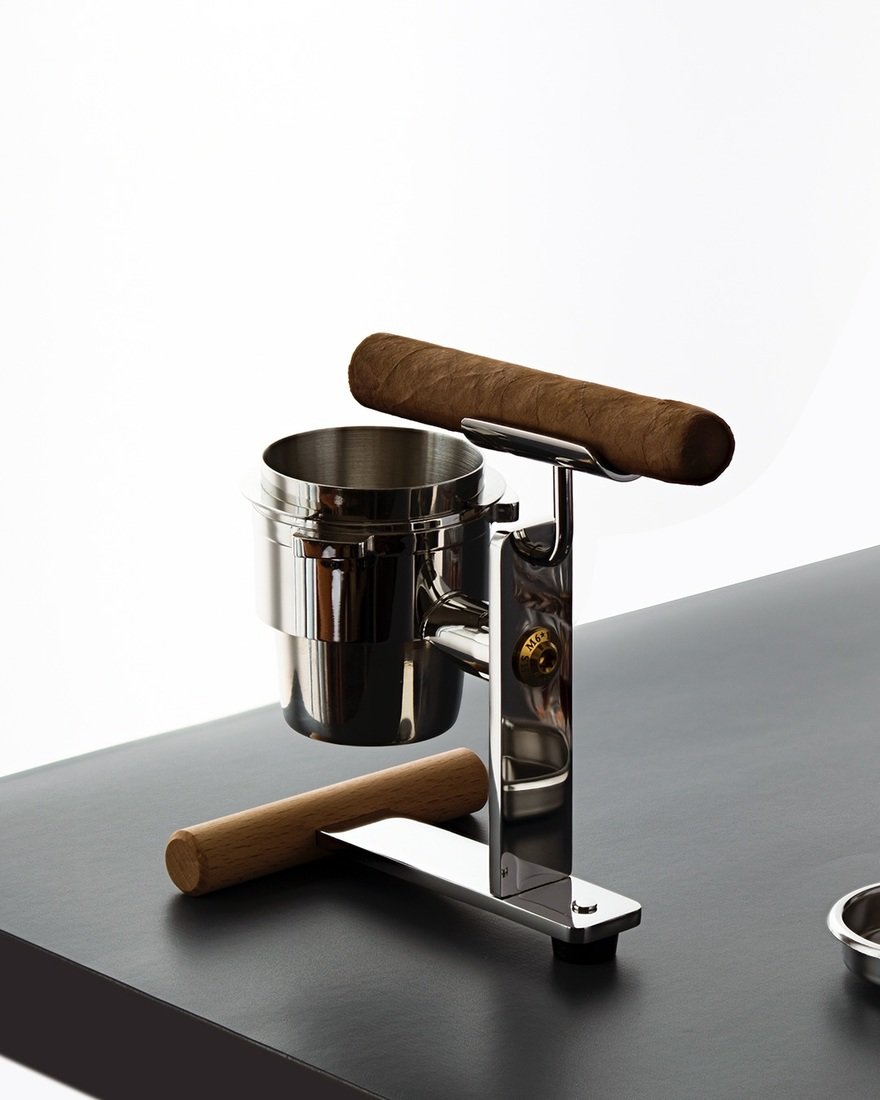
The week opened with a focus on the tactile and the artisanal. John Meng’s found-object cigar ashtray caught the attention of design circles for its ability to transform industrial scraps into a refined, functional centerpiece. This theme of "re-imagining the mundane" continued with WerksAtelier, whose wooden rings and hinges blurred the line between jewelry and mechanical engineering, showcasing an exquisite mastery of wood as a structural material.
Mid-Week: Technology, Security, and Public Space
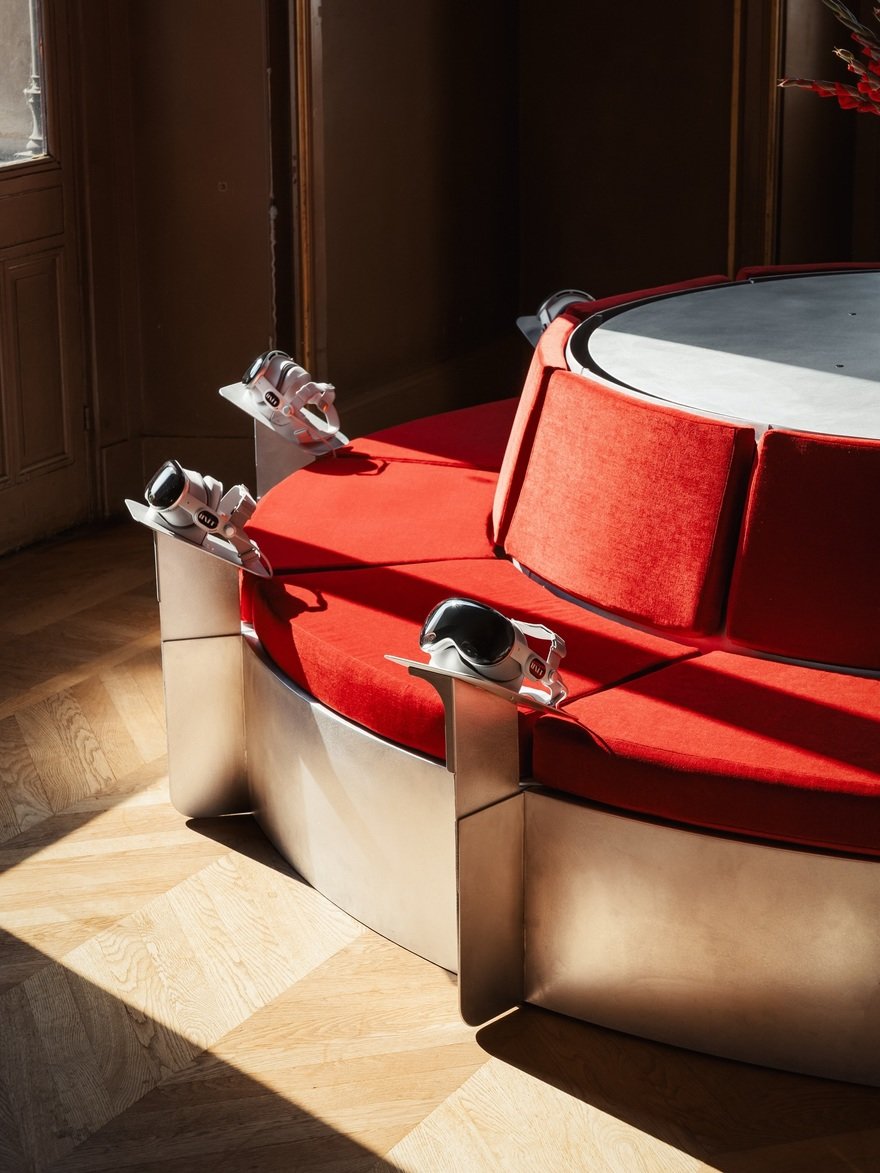
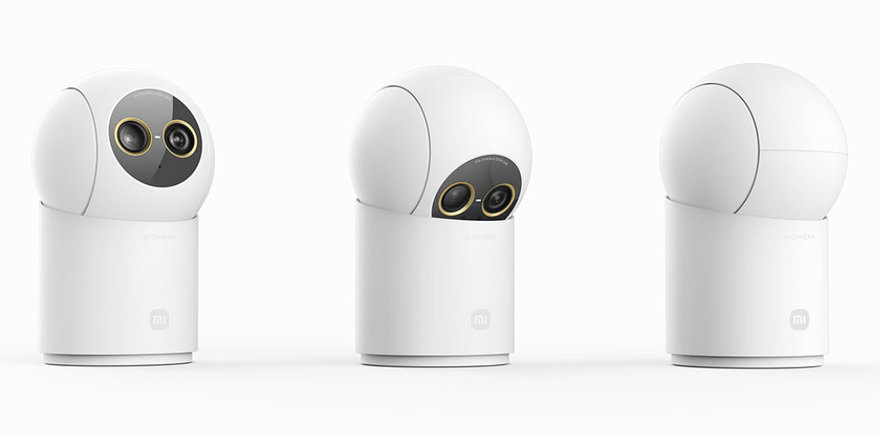
As the week progressed, the focus shifted to the intersection of tech and public life. Tom Ducarouge’s installation of an Apple Vision Pro seating station within a Parisian opera house provided a striking juxtaposition of 21st-century spatial computing against the backdrop of historical architectural grandeur. Simultaneously, the security sector saw a humanitarian design intervention: a new security camera model designed with a physical privacy indicator, addressing the growing anxiety regarding surveillance and personal consent in the smart-home era.

Late Week: Utility and Ergonomics
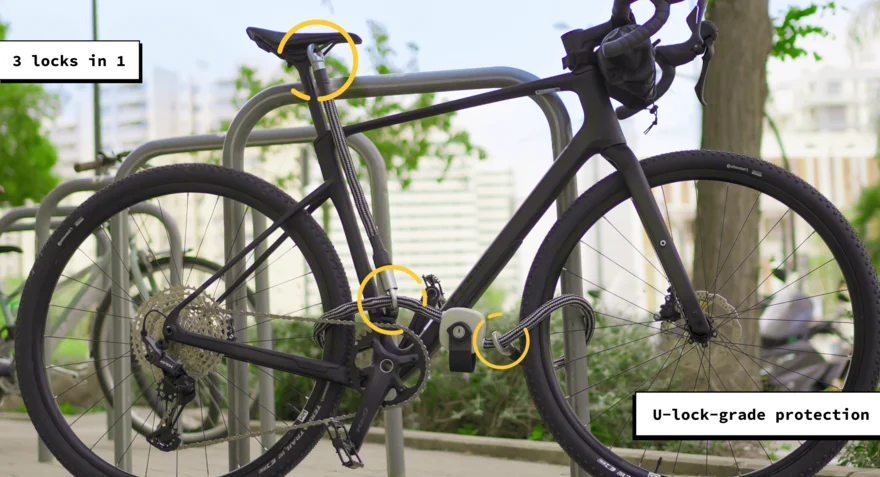
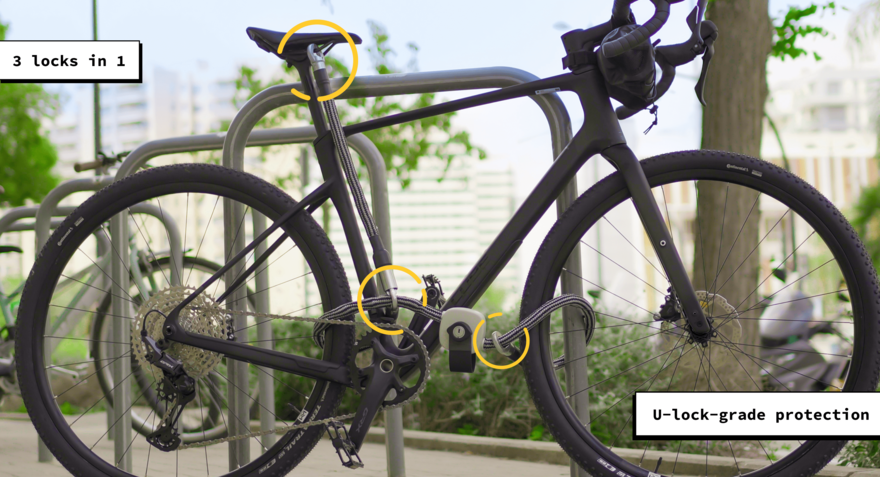
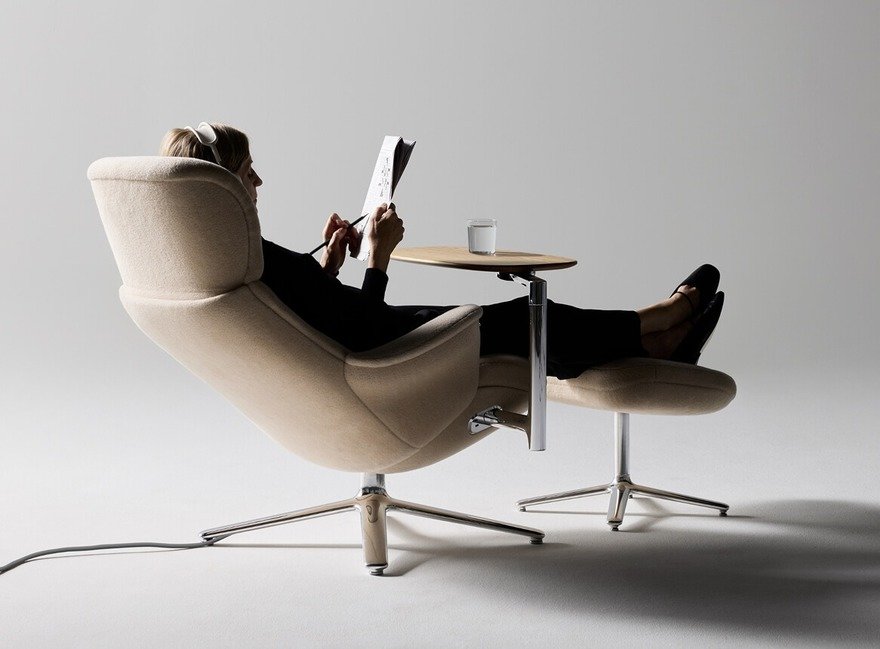
The latter half of the week centered on hardware. Ruvim Kubsky’s hybrid stud finder—which cleverly marries low-tech physical feedback with high-tech sensors—demonstrated that even simple home improvement tools are ripe for disruption. This was followed by the announcement of the "Cordalock," a four-way bike lock that addresses the security shortcomings of traditional U-locks, and the revival of the Diffrient Lounge chair by Humanscale, which honors the late Niels Diffrient’s legacy of ergonomic excellence for the modern hybrid workspace.
Supporting Data and Technical Specifications
The Robotics Shift: UBTECH
UBTECH’s humanoid companion robots are set for a September launch. The technical challenge for these units lies in their "gait stability" and "social navigation." Unlike industrial robots, these machines are built for indoor domestic environments, requiring advanced AI to interpret human spatial cues.
Hardware Performance: The Leatherman Phenomenon
The rapid depletion of Leatherman’s experimental ratcheting bit driver inventory underscores a significant trend in the EDC (Everyday Carry) community. The device features a proprietary ratcheting mechanism that allows for high-torque applications in a compact form factor. Its immediate "sold-out" status confirms that consumers are increasingly willing to pay a premium for specialized tools that deviate from standard hardware store aesthetics.
Spatial Design: DreamDomes
DreamDomes’ recent release of weather-resistant, dome-shaped event tents utilizes geodesic geometry to maximize structural integrity with minimal material weight. These structures are increasingly favored for pop-up retail and high-end outdoor events due to their efficient heat distribution and wind-shedding capabilities.
Official Responses and Industry Sentiment
Industry analysts have noted that the current wave of product development is a reaction against "digital clutter."
"We are seeing a paradox," says one design critic familiar with the recent Light phone launch. "The more we rely on screens for our professional lives, the more we crave hardware that is dedicated to a single, satisfying purpose—like the act of hanging up a physical flip phone."
Regarding the Leatherman driver, company insiders noted that the experimental nature of the product was intended to gauge interest in "pro-grade niche tools." The overwhelming response has effectively fast-tracked the design for wider distribution, proving that the maker movement is no longer a fringe hobby but a driver of mainstream manufacturing strategies.
Implications: Where Are We Heading?
The "Analog" Renaissance
The return of the flip phone, spearheaded by companies like Light, is not merely a retro fad. It represents a fundamental shift in user experience design (UX). As smartphone features reach a point of diminishing returns, the market is pivoting toward "intentional tech"—devices that perform one task exceptionally well, rather than everything adequately.
Privacy-by-Design
The security camera that communicates when it is not recording represents a maturation of the Internet of Things (IoT) sector. Design is finally catching up to ethics. By providing a physical, visual cue of inactivity, manufacturers are acknowledging that privacy is not just a software setting—it is a tangible, psychological need.
Craftsmanship in an Age of Automation
The work of WerksAtelier and the continued interest in artisanal ashtrays and custom hinges suggest that in a world of 3D-printed uniformity, the "imperfect" or the "hand-worked" is gaining value. Designers are increasingly using CNC and advanced milling not to mass-produce identical items, but to enable the creation of complex, high-tolerance components that were previously impossible to manufacture by hand.
Ergonomics and the Hybrid Office
The revival of the Diffrient Lounge chair indicates that the "temporary" solutions of the early work-from-home era are being replaced by permanent, high-design investments. As the office/home distinction continues to blur, furniture that can comfortably house a worker for an eight-hour shift while looking elegant in a living room is becoming the industry’s "holy grail."
Conclusion: A Reflective Future
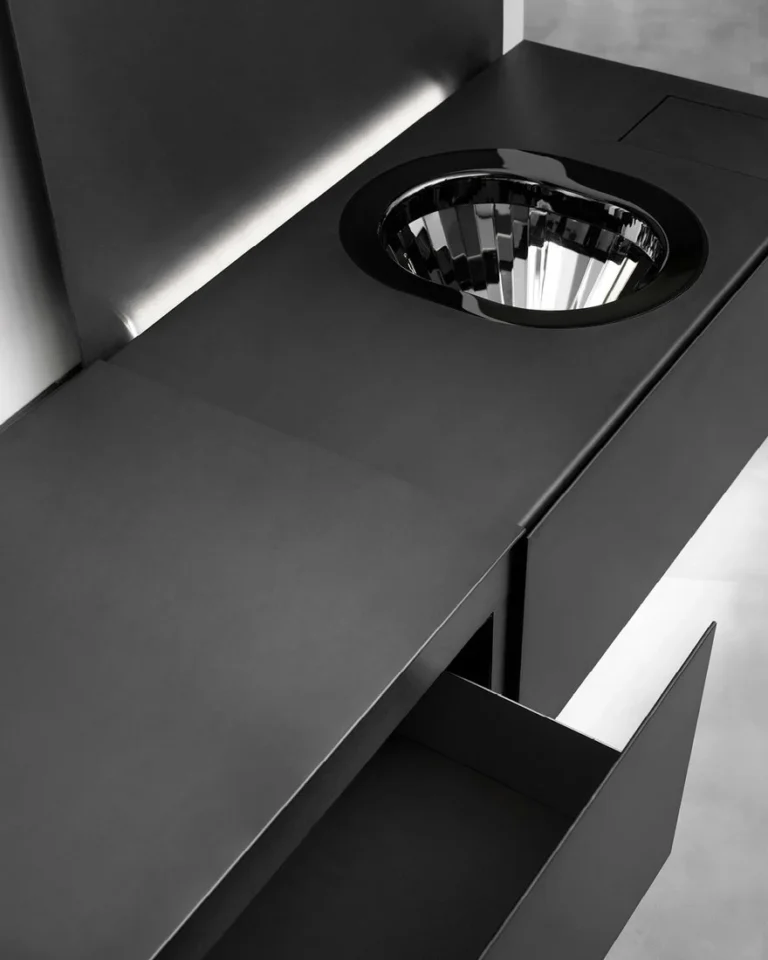
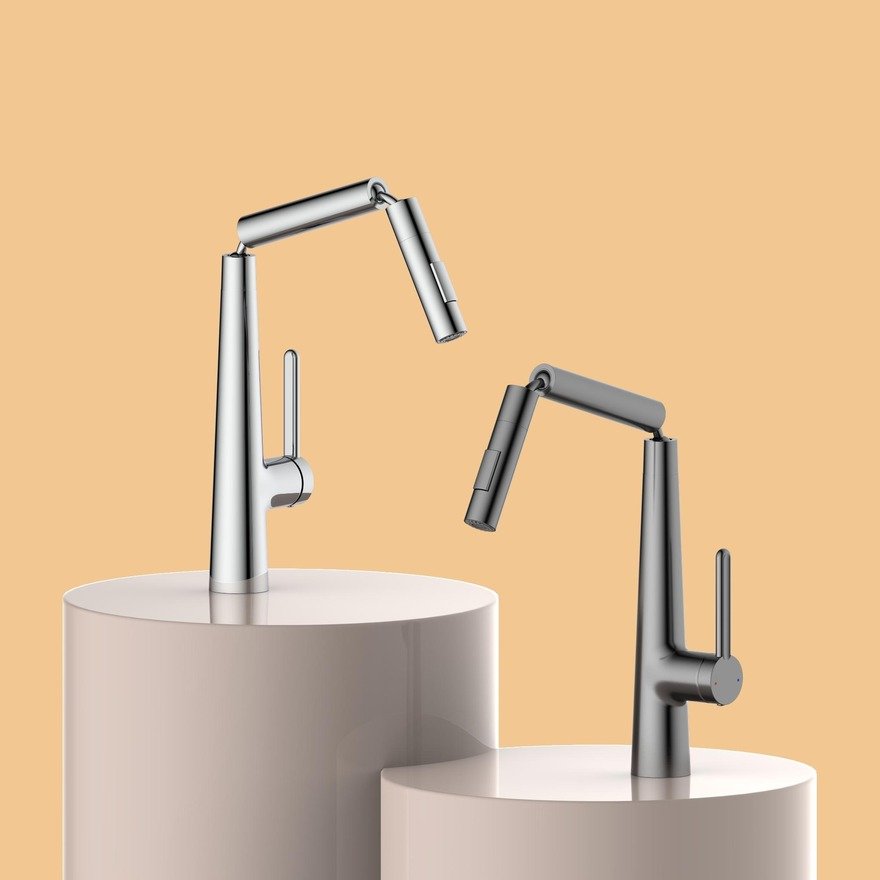
This week’s design highlights paint a clear picture: we are entering an era of "Refined Utility." Whether it is the deconstructed kitchen faucet by AIM—which turns plumbing into an aesthetic statement—or the high-tech stud finder, the common denominator is a demand for intelligence, beauty, and purpose.
As we look toward the remainder of the year, it is evident that the most successful products will be those that respect the user’s need for privacy, their desire for tactile satisfaction, and their requirement for tools that serve a clear, singular function in an increasingly noisy world. The industry is no longer just building objects; it is building interfaces for a better, more human-centric life.
About the Author