In the landscape of modern urban transportation, the "last-mile" dilemma remains a significant hurdle. While electric scooters have proliferated across global metropolitan centers, they are frequently met with criticism regarding their aesthetic intrusion, safety concerns, and the logistical nightmare of "scooter sprawl"—where devices are abandoned on sidewalks, cluttering public rights-of-way.
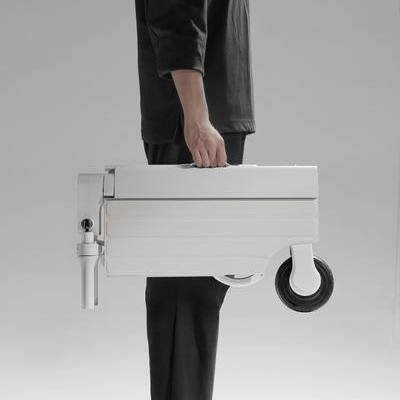
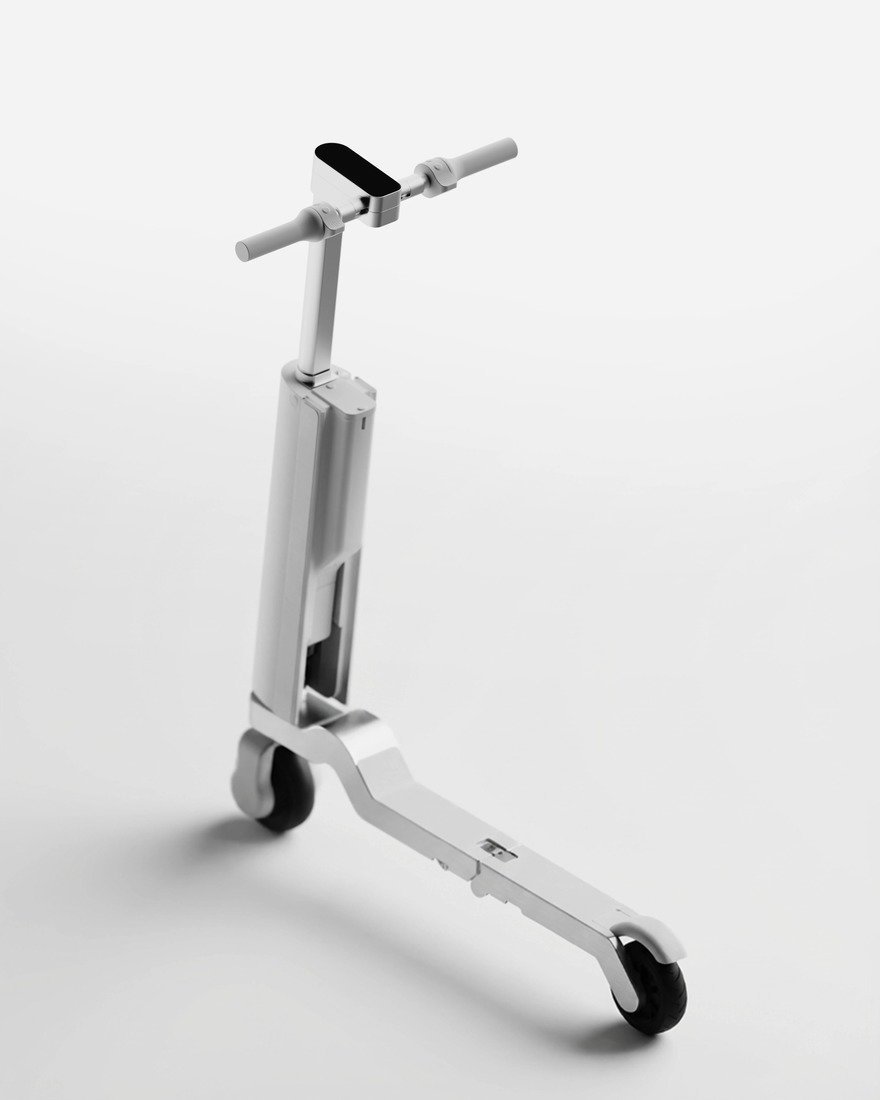
Enter the South Korean design firm Second White, which has recently unveiled a concept that challenges the status quo of personal mobility. At first glance, the device resembles a sleek, minimalist briefcase or a high-end portfolio. Upon closer inspection, it reveals itself as a sophisticated, three-stage folding electric kickboard. This design represents a paradigm shift in how we perceive personal transit, moving away from the industrial, utilitarian look of current rental scooters toward a vision of mobility as a seamless, fashionable accessory.
The Genesis of the Concept: Bridging Style and Utility
The design philosophy behind Second White’s latest project centers on the intersection of "aesthetic perfection" and "functional mobility." For decades, the primary barrier to the widespread adoption of personal electric vehicles (PEVs) has been their inherent inconvenience. They are often heavy, cumbersome to store, and dirty to handle, leading to the common sight of commuters struggling to maneuver them onto public transit or into office buildings.
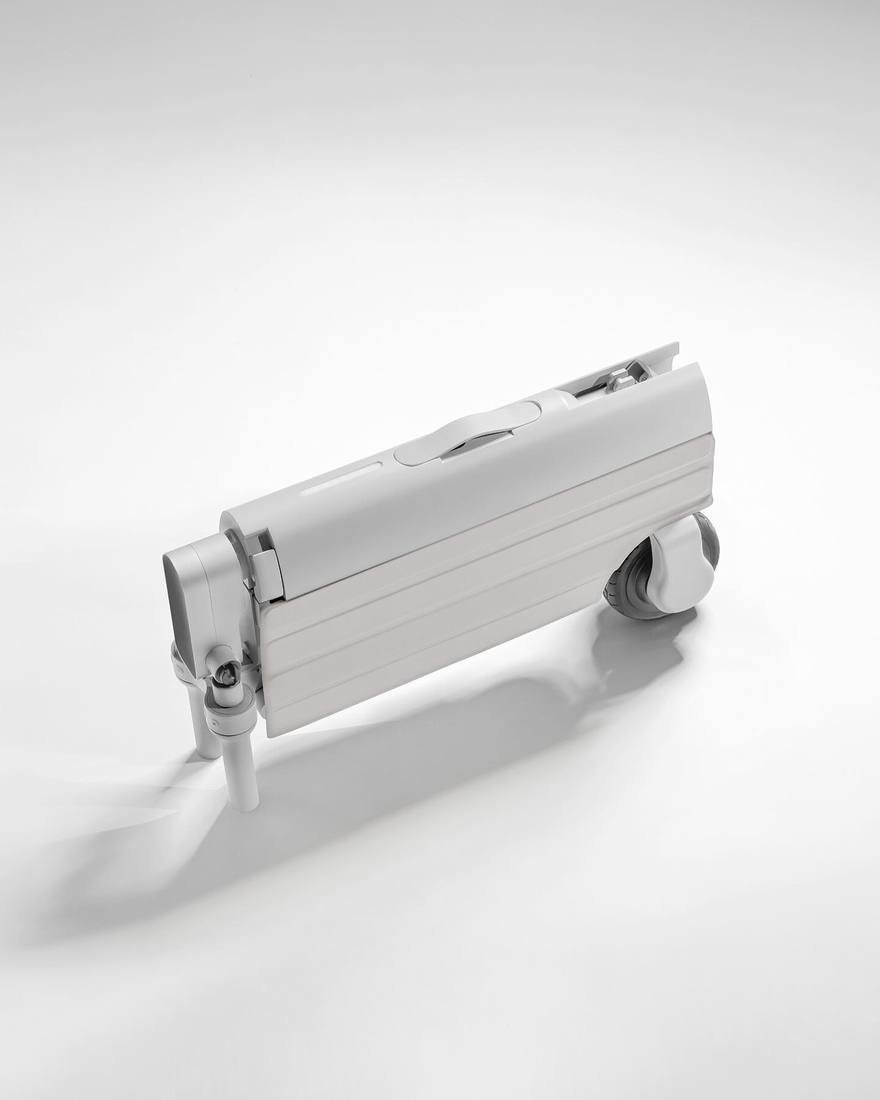
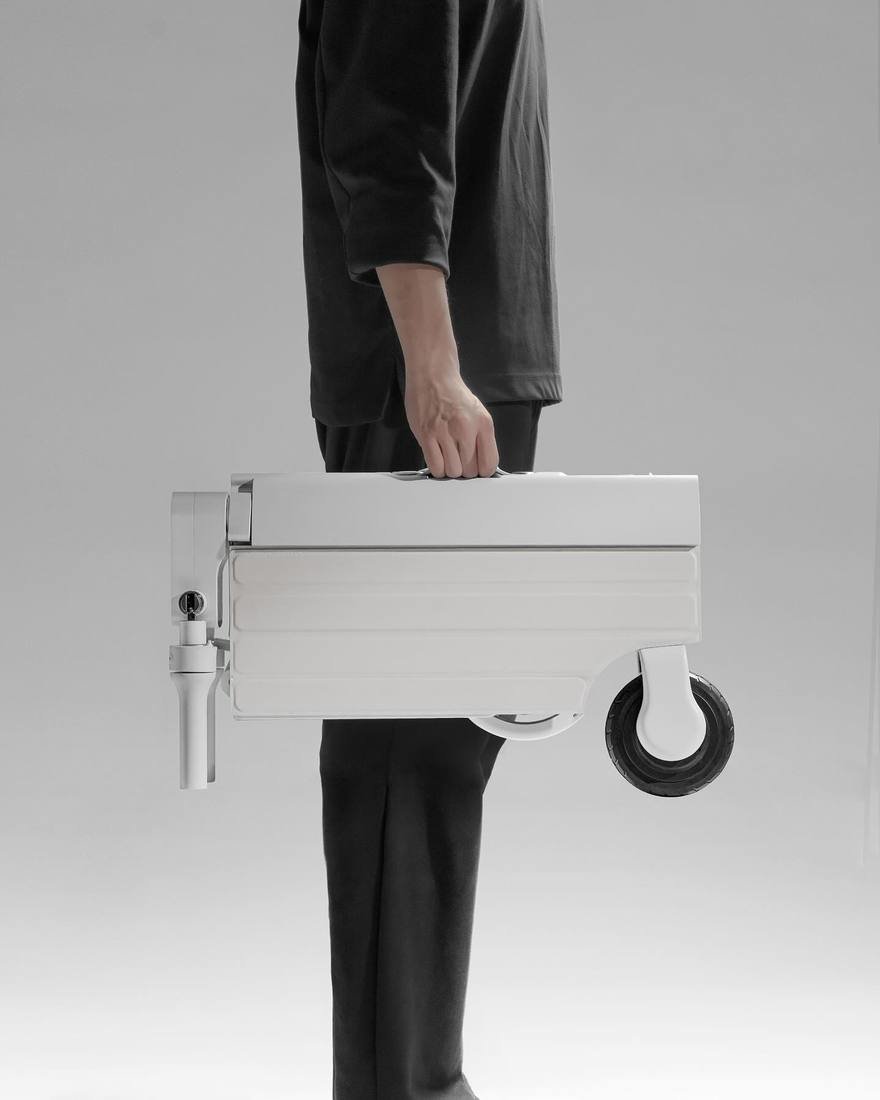
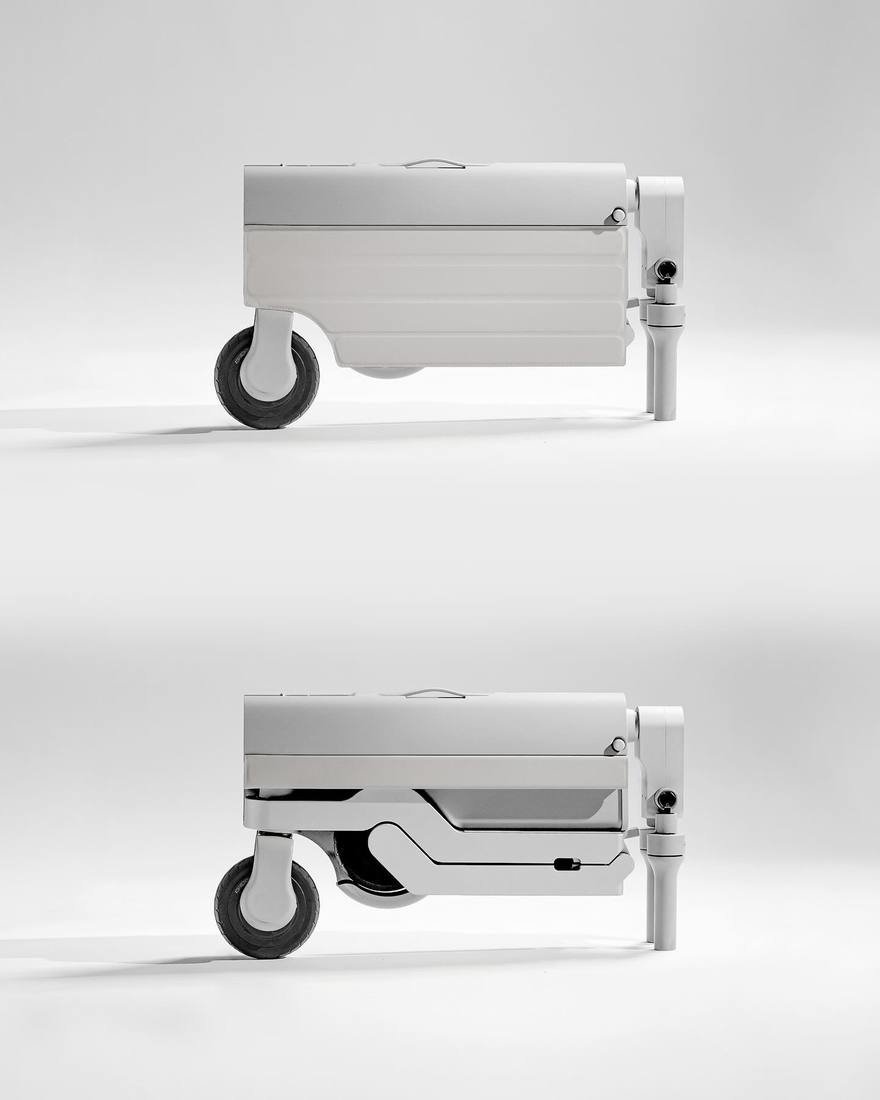
Second White’s solution is a radical reimagining of the form factor. By utilizing a unique three-stage folding mechanism, the device collapses into a compact, folio-style enclosure. This is not merely a technical achievement; it is a cultural one. By encasing the mechanical components, the designers have eliminated the primary friction points of traditional scooters: grease on clothing, exposed wires, and the jagged, aggressive silhouette that often triggers urban design ordinances.
Chronology of the Design Evolution
The development of the Second White scooter follows a trajectory typical of high-concept industrial design, where the focus remains on solving user-experience pain points rather than rushing a product to market.
- Conceptualization Phase: Second White’s design team identified the "indoor storage" problem as the primary obstacle to the integration of electric scooters in professional environments. Research indicated that users were reluctant to carry bulky scooters into offices or apartments, leading to theft and street-level clutter.
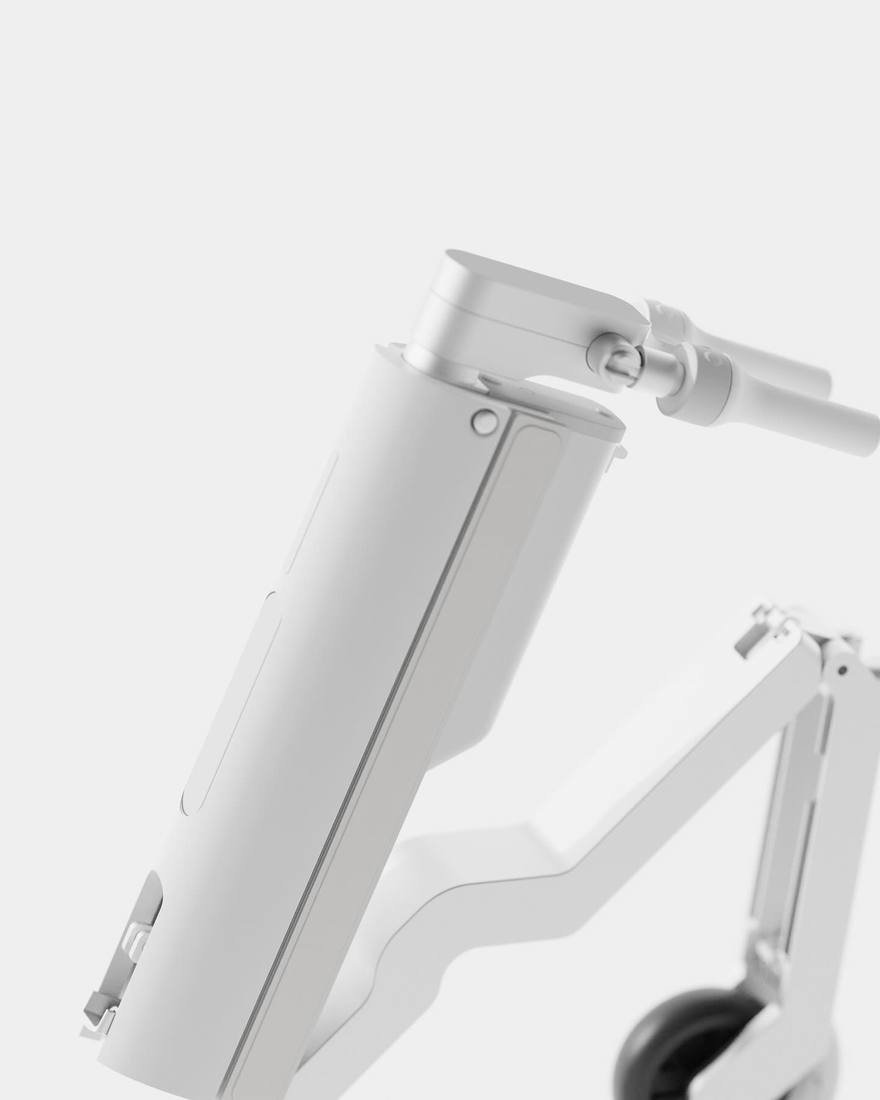
- Engineering the Fold: The transition from a full-sized kickboard to a briefcase-sized unit required a novel approach to telescopic stems and deck articulation. The prototype showcases a hinge system that balances structural integrity with a smooth, intuitive user transition.
- Aesthetic Integration: The design team focused on the "fashion-first" aspect of the product. By opting for a clean, monolithic finish, they moved the device into the realm of luxury goods. The goal was to ensure that the scooter could be carried into a boardroom or a coffee shop without looking out of place.
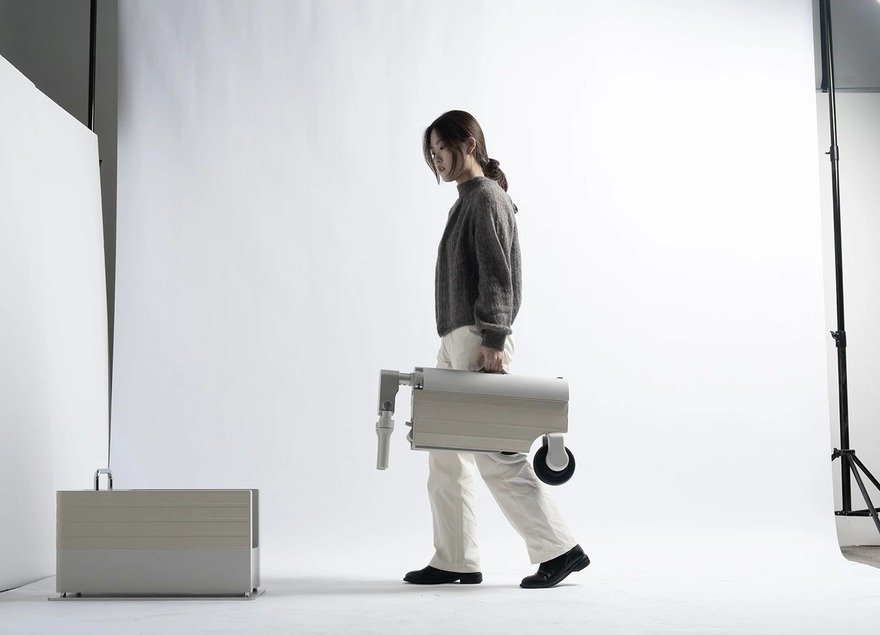
- Prototyping and Refinement: The current iteration represents the culmination of this prototyping phase, focusing on material selection—likely lightweight alloys and reinforced polymers—to ensure the device is portable enough to be carried with one hand.
Technical and Aesthetic Specifications
While the device remains in the conceptual stage, the published imagery offers deep insights into its engineering. The scooter is designed around a vertical axis, allowing the wheels and deck to stack into a thin profile.
The Folio-Style Enclosure
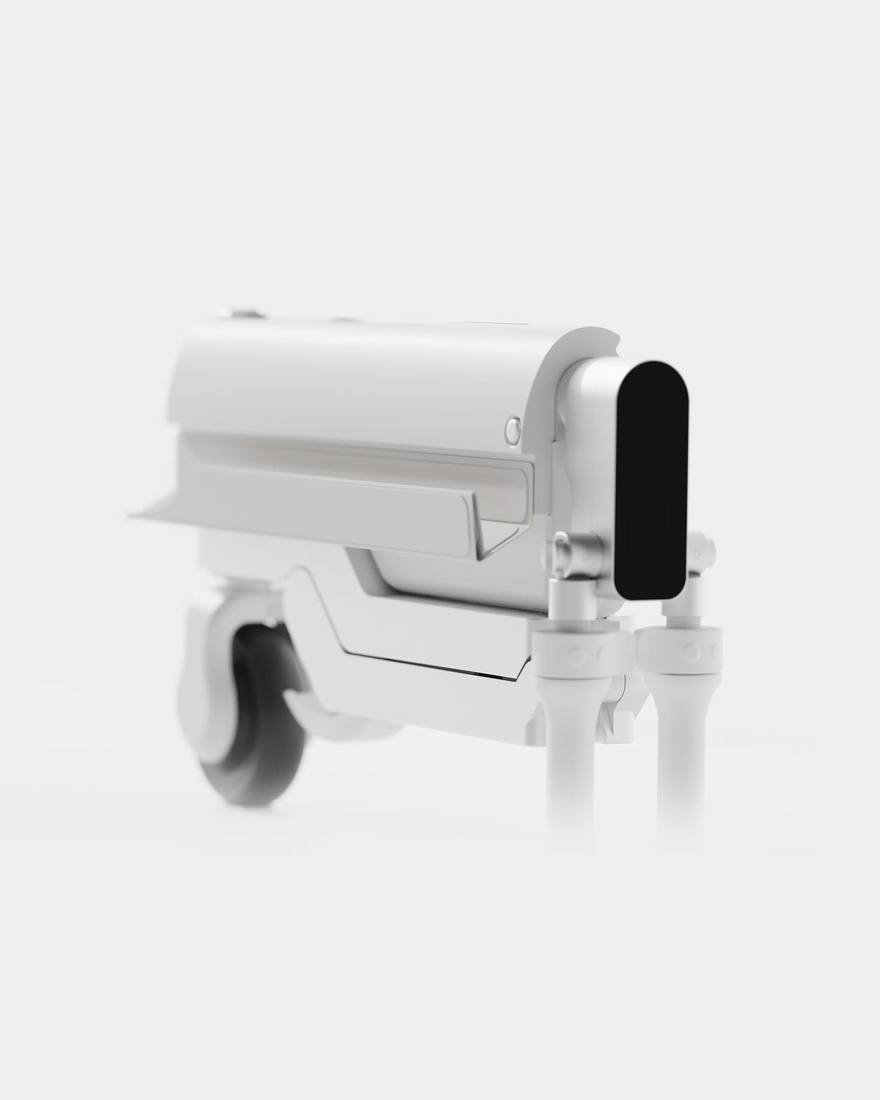
The most distinctive feature is the outer shell. In traditional scooters, the frame is the aesthetic, but here, the frame is concealed. This cover serves two purposes:
- Protective Utility: It acts as a shield, ensuring that road grime, chain grease, and debris are trapped inside the casing rather than staining the user’s attire.
- Sociological Acceptance: By hiding the mechanics, the scooter loses its "machine" status and gains a "lifestyle" status. It is designed to be carried like a laptop bag, effectively changing the user’s interaction with the product from "operating a vehicle" to "carrying an accessory."
Ergonomics and Portability
The target weight of the device is clearly aimed at the average commuter. By focusing on a "one-hand" carry, Second White acknowledges the necessity of navigating stairs, escalators, and crowded elevators. The balance point of the folded device appears to be centered, allowing for a natural, ergonomic grip.
The "Indoor Mobility" Paradigm: Implications for Cities
The implications of such a design extend far beyond mere convenience. If adopted, this type of foldable technology could fundamentally alter urban planning and local governance regarding micro-mobility.
Solving the "Clutter" Crisis
Cities like Paris, San Francisco, and Seoul have struggled with the management of shared scooter fleets. These devices, often left haphazardly, represent a public nuisance and a liability. Second White’s design promotes a model of personal ownership and indoor storage. If a scooter is small enough to fit under a desk or in a locker, the need for sidewalk-based charging stations and public parking zones decreases.
The Fashionization of Transit
For years, the personal mobility market has been dominated by brands that prioritize speed and battery range over aesthetic integration. Second White’s approach aligns with the "Apple-fication" of hardware—where the product is an extension of the user’s personal brand. By making the scooter a "fashion item," the firm is effectively lowering the barrier to entry for a demographic that may have previously rejected electric scooters for being "too tech-heavy" or "unprofessional."
Official Responses and Industry Outlook
At present, Second White has not announced a formal production schedule. The project is being treated as a design exploration—a "north star" for what the future of personal mobility could look like.
Industry analysts have praised the initiative for its psychological insight. "The biggest barrier to entry for micro-mobility isn’t the technology, it’s the social stigma and the physical burden of the device," says one urban design consultant. "Second White has correctly identified that if you make the device invisible—or at least discreet—you solve the biggest pain point for the urban professional."
However, there are challenges ahead. The engineering required to make a folding mechanism that is both lightweight and durable enough to handle the stresses of daily road vibration is significant. Any folding point is a potential point of failure. Furthermore, the cost of manufacturing such a highly finished, compact piece of hardware could position it as a premium, niche product rather than a mass-market solution.
Future Prospects: What Comes Next?
As urban centers continue to densify and public transport networks face increasing strain, the need for a secondary, portable, and reliable mode of transit will only grow. Second White’s concept serves as a critical piece of R&D for the mobility sector.
Will we see this on the streets? Even if this specific model does not reach mass production, its design language will likely influence the next generation of consumer scooters. We are entering an era where "mobility" is being redefined not by horsepower or range, but by portability and integration.
The success of such a device hinges on the balance between three factors:
- Material Science: Can we maintain the necessary strength-to-weight ratio for a safe ride while keeping the unit light enough to carry?
- Regulatory Frameworks: As these devices become more compact, how will cities regulate them? Are they bicycles, or are they pedestrians?
- User Behavior: Will the average urbanite embrace the habit of folding and carrying their transport, or does the convenience of the "drop-and-go" rental model still hold the upper hand?
Second White has laid down a gauntlet to the rest of the industry. They have shown that the future of the electric scooter is not necessarily "more powerful" or "faster," but rather "more human." By turning the scooter into an object that respects the indoor environment, they have moved the conversation forward. Whether or not this specific "suitcase" scooter hits the shelves, the design vision it presents is likely the blueprint for the next decade of urban travel.
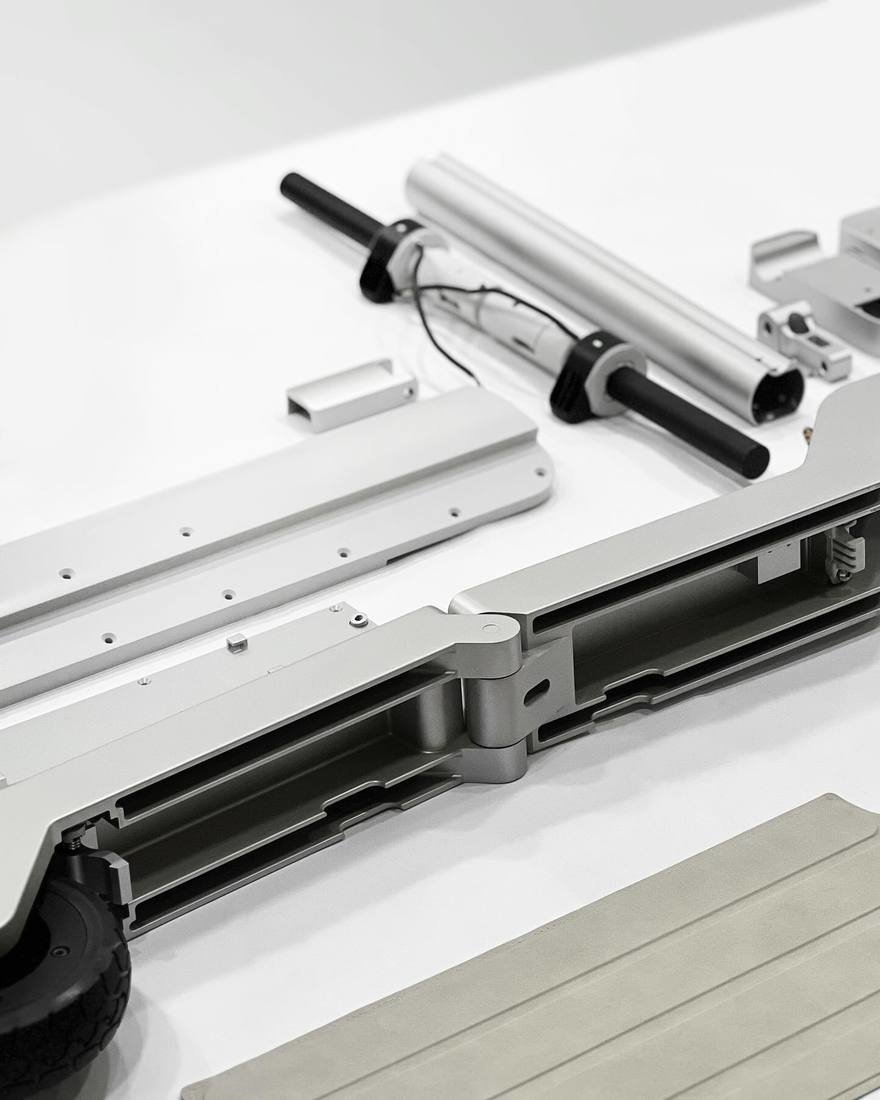
As we look toward a future of smarter, cleaner cities, the ability to carry one’s transit in one hand—looking less like a commuter and more like a professional with a briefcase—may be the ultimate key to mass adoption. For now, the world waits to see if Second White will take the final step from concept to commerce.
About the Author