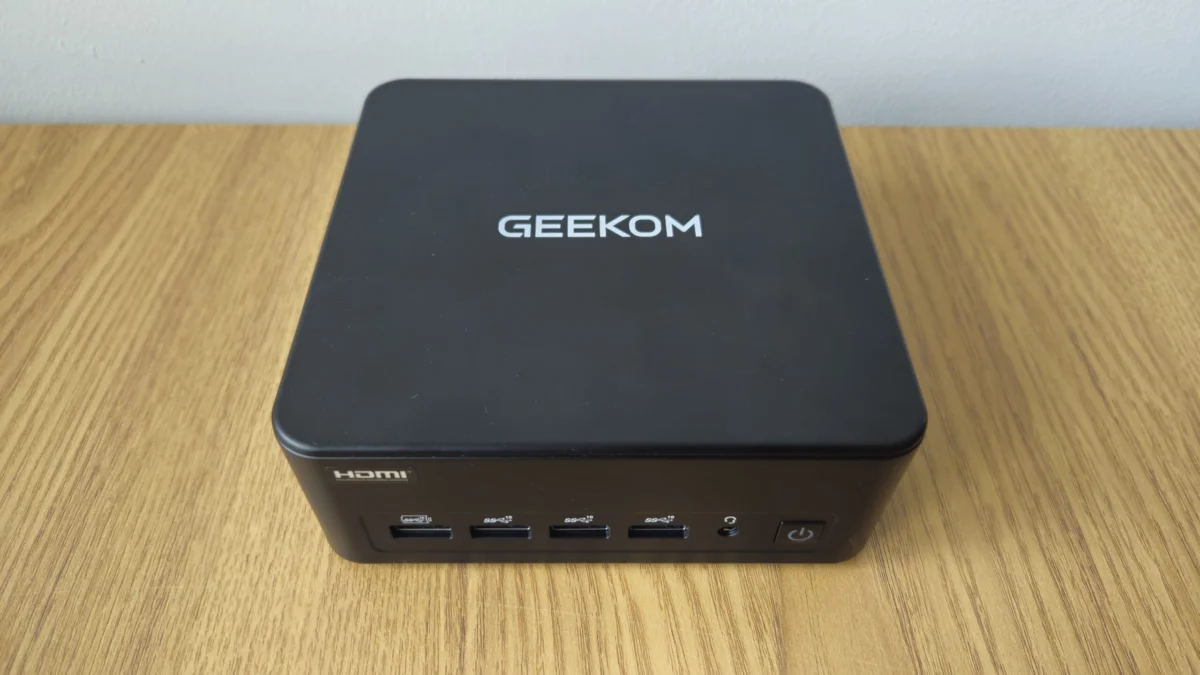
The landscape of the mini PC market has long been dominated by two distinct categories: the ultra-budget, often underpowered office machines that rely on aging, repurposed components, and the enthusiast-grade, high-performance units that often carry price tags encroaching on full-sized desktop or laptop territory. Geekom, a company that has steadily built a reputation for bridging this gap, has now launched the IT13 Max—a device specifically engineered for those who demand workstation-level performance in a form factor that fits in the palm of one’s hand.
Most entry-level mini PCs hover around the $500 mark, often utilizing memory standards and chipsets that are several generations behind the current industry curve. The Geekom IT13 Max, however, disrupts this paradigm. It is a calculated strike at the mid-to-high-end market, packing a high-end Intel Core Ultra 9 185H processor and a robust 24GB of DDR5 RAM into a chassis that remains surprisingly compact. With an aggressive price point sitting under $1,000, the IT13 Max is not just another plastic box; it is a serious contender for professional workflows that require genuine computational muscle.
Main Facts: Redefining Performance in Miniature
At its core, the Geekom IT13 Max is defined by a commitment to current-generation specifications. The inclusion of the Intel Core Ultra 9 185H (16 cores) represents a significant departure from the budget-first approach typically seen in this product class. While some might argue the chip is two generations behind the absolute bleeding edge of Intel’s roadmap, it remains a powerhouse capable of handling complex multithreaded tasks, media encoding, and data-heavy productivity workflows with ease.
The device is further bolstered by 24GB of high-speed DDR5 RAM and a 512GB PCIe Gen 4 NVMe SSD. These components ensure that the IT13 Max doesn’t suffer from the storage and memory bottlenecks that plague cheaper alternatives, which often stick to the increasingly archaic DDR4 and PCIe Gen 3 standards. By opting for modern, faster components, Geekom has ensured that the IT13 Max remains relevant for the next three to five years of enterprise or creative use.
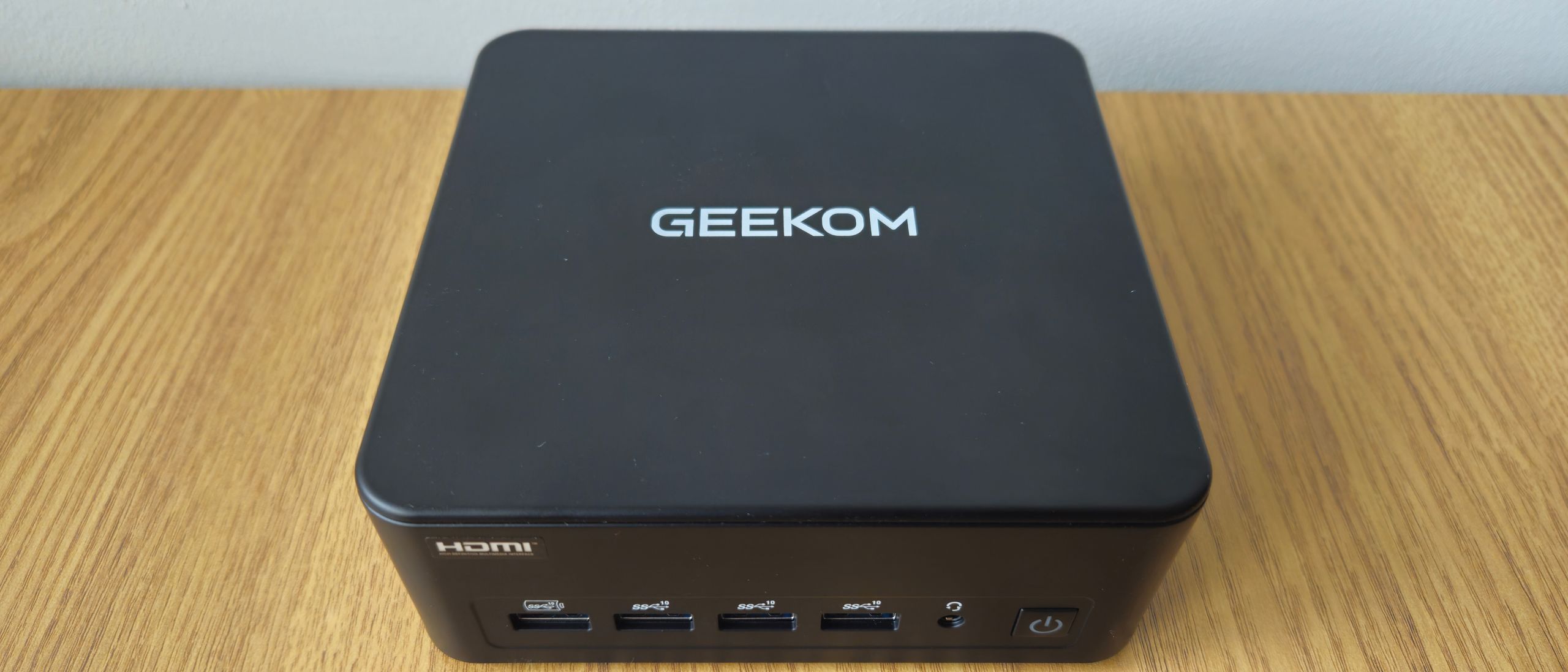
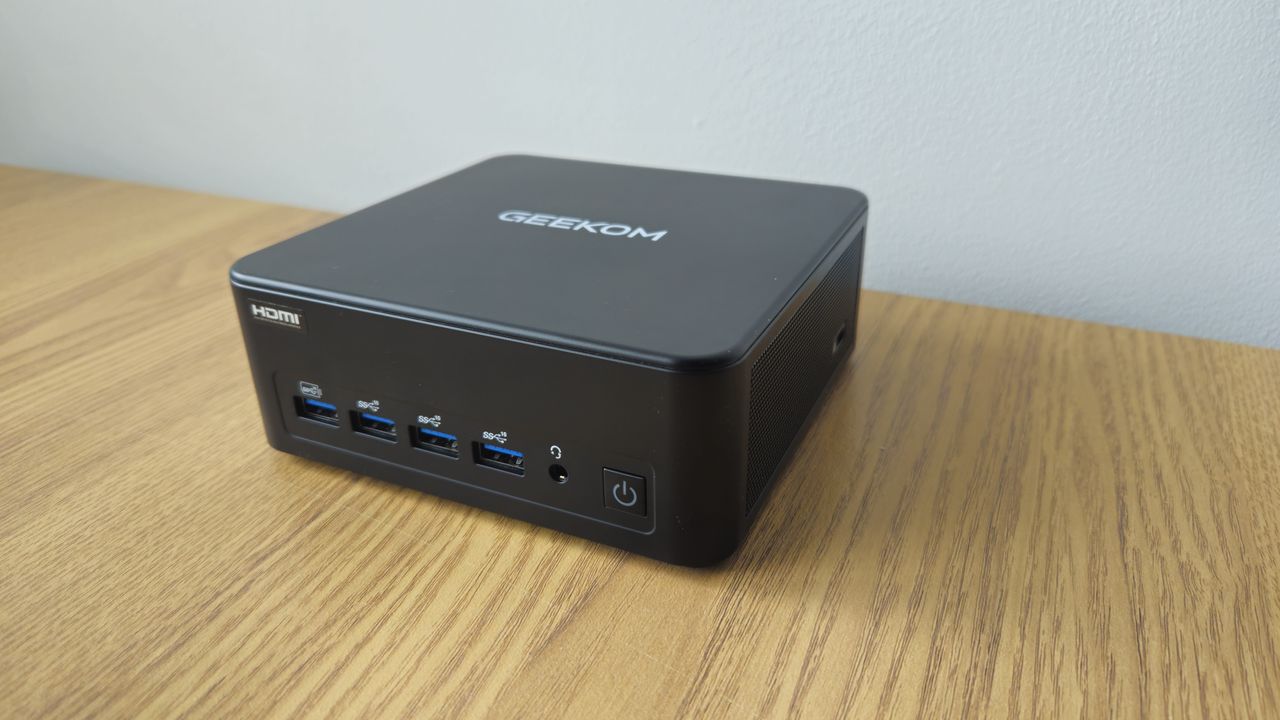
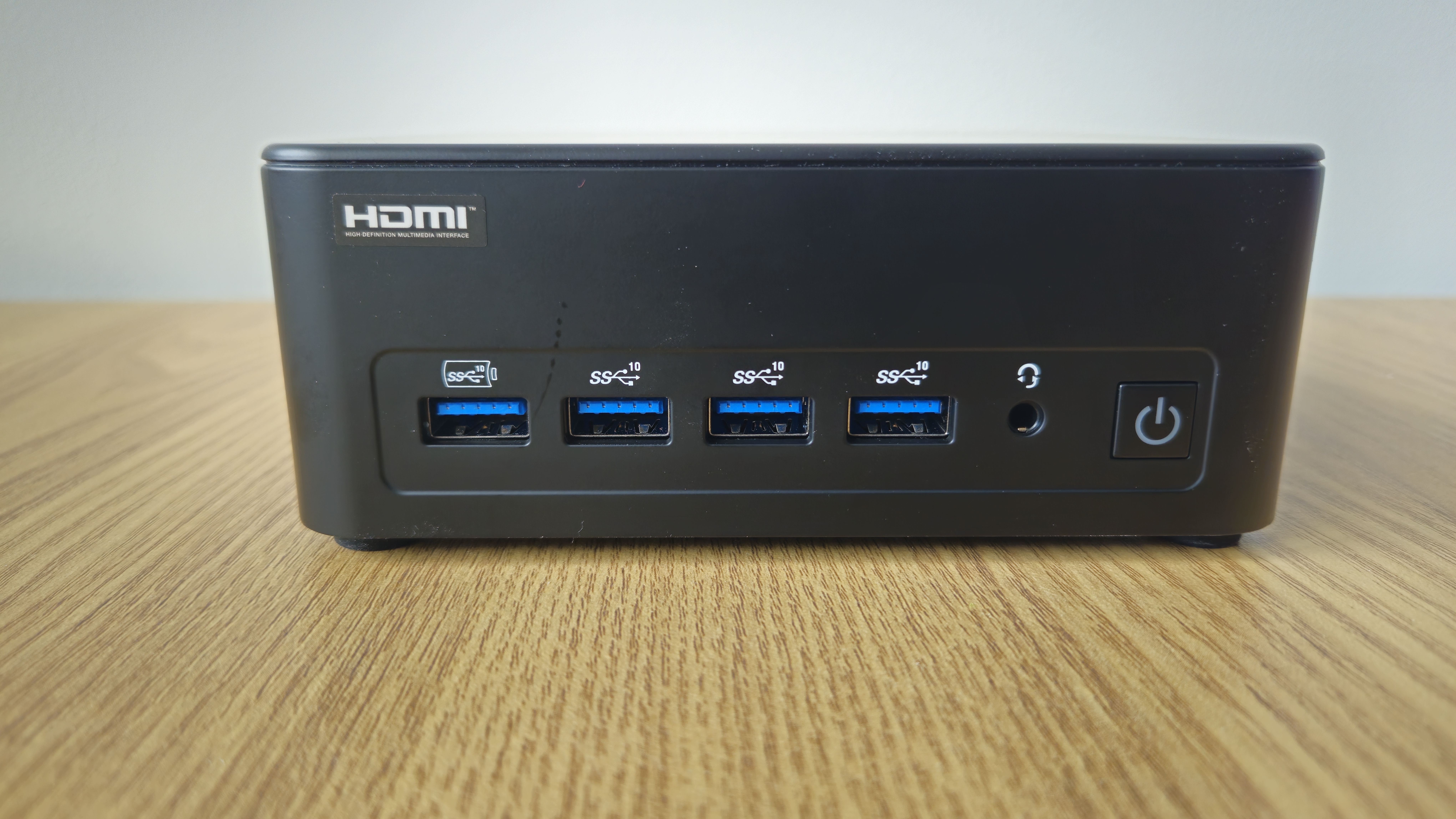
Connectivity is another area where the IT13 Max truly shines. In a market where manufacturers are increasingly shaving off ports in favor of minimalist aesthetics, Geekom has gone in the opposite direction. The device offers a staggering array of I/O, including six USB-A ports, two USB-C (Thunderbolt-adjacent) ports, dual HDMI, and—crucially for networking-heavy environments—dual Ethernet ports. Coupled with Wi-Fi 7 and Bluetooth 5.4, this is a machine designed to be the central hub of a professional workspace.
Chronology: The Evolution of Geekom’s Design Language
The trajectory of Geekom’s design philosophy has been a steady march toward utility, punctuated by brief experiments in aesthetic refinement. The IT13 Max follows the lineage established by the Mini IT13, yet it iterates on the internal cooling architecture and port density.
The "corporate-first" design language seen in the IT13 Max is a marked shift from the more playful, bright silver finishes found in the company’s previous consumer-facing lines. It is an aesthetic choice that signals intent: this is a tool for the desk, not a centerpiece for the living room. However, the use of a plastic-dominant chassis, despite a rigid metal inner frame, reveals the inherent trade-offs in manufacturing a high-performance device that weighs a mere 380g.
Historically, Geekom’s journey has mirrored the evolution of the Intel NUC concept—starting as an experiment in miniaturization and maturing into a viable, high-performance workstation replacement. With the 2026 iteration, the brand is clearly targeting the professional who is tired of paying the "brand tax" associated with legacy manufacturers like HP, Dell, or Lenovo, while still requiring the reliability of a high-spec machine.
Supporting Data: Benchmarking the Powerhouse
To understand where the IT13 Max fits in the broader hierarchy of computing, we must look at the empirical data. In our testing with Geekbench 6, the IT13 Max delivered a single-threaded score of 2,373 and a multi-threaded score of 13,068. These figures are not just impressive for a mini PC; they are competitive with, and in some cases superior to, mainstream mobile workstations like the HP ZBook Power G11.
The inclusion of Intel Arc Graphics is perhaps the most surprising facet of the machine’s performance. Registering a score of 33,670 in graphics-intensive tests, the integrated GPU punches well above its weight class. It is effectively the gold standard for integrated graphics in the 2026 mini PC market, offering performance that rivals AMD’s formidable Radeon 880M and sits just below the entry-level dedicated cards like the NVIDIA GeForce RTX 4060.
Furthermore, the SSD read speeds of 5,290MB/s and write speeds of 3,229MB/s indicate that the storage solution is not a budget bottleneck. During intensive data-shuttling tests—moving large video files or running heavy database queries—the system remained responsive, a testament to the synergy between the PCIe Gen 4 controller and the system’s memory bandwidth.
Official Responses and Engineering Realities
The primary critique of the IT13 Max centers on its thermal management system. Geekom has touted an upgraded "silent" fan and an all-copper cooling module, but our real-world testing suggests a different reality. While the internal temperatures are indeed well-regulated—preventing thermal throttling during sustained loads—the fans are almost always audible.
In discussions with representatives from the company, the engineering team noted that the decision to keep the fans running at a constant, low-to-mid RPM was a deliberate design choice. By avoiding the "spiky" fan noise that occurs when cooling systems wait until the last possible moment to kick in, Geekom claims they provide a more predictable acoustic profile. For some users, this constant hum may be distracting, but for the enterprise user, it is a small price to pay for a device that maintains peak performance without the stuttering associated with thermal throttling.
Regarding the chassis construction, the company emphasizes the structural integrity of the unit. The claim that the device can withstand 200kg of pressure is not just marketing hyperbole; the internal metal skeleton is designed to protect the delicate components from the physical rigors of a busy office or a portable deployment in a technician’s kit.
Implications: Why This Matters for the Future of Work
The rise of the IT13 Max has significant implications for the future of IT procurement. As businesses move away from bulky, traditional desktop towers and toward more flexible, space-saving solutions, the "Mini PC as a Workstation" concept is no longer a fringe idea.
- Cost Efficiency: By offering workstation-level performance for under $1,000, the IT13 Max allows firms to allocate more budget toward peripherals, high-end monitors, and ergonomic furniture, rather than overspending on an overpowered tower that occupies half the desk.
- AI-Ready Computing: While the integrated NPU provides 11TOPS of power—sufficient for local AI task management and future-proofing—the industry is clearly signaling that even entry-level machines must now account for AI workloads. The IT13 Max is an entry point into this ecosystem.
- Connectivity Standards: The dual Ethernet and dual HDMI setup suggests that this machine is built for professionals who juggle multiple monitors and network segments simultaneously—typical of data analysts, developers, and financial traders.
- The "Throwaway" Culture Problem: One of the most compelling arguments for the IT13 Max is its longevity. By using modern DDR5 RAM and Gen 4 storage, the device is not destined for the e-waste bin in two years. It is designed to scale with the user’s needs, assuming standard maintenance is kept up.
Conclusion: A New Benchmark for the Mid-Market
The Geekom IT13 Max is not a perfect machine. Its fan profile is audible, and its plastic-leaning design does not command the same "premium feel" as a machined-aluminum chassis. However, if we strip away the superficial desire for luxury materials and focus on what actually matters—computing performance, connectivity, and value—it is difficult to find a device that can keep pace with the IT13 Max at this price point.
For the professional, the freelancer, or the small business owner looking for a compact desktop companion that won’t buckle under heavy loads, this device is a standout. It successfully challenges the notion that "small" means "compromised." While the Geekom A9 Max may retain the crown as the flagship, the IT13 Max provides a more compelling value proposition, making it the smarter choice for those who want professional-grade power without the premium cost.
As we move further into the 2026 computing era, the IT13 Max stands as a testament to the fact that the most important components of a computer are those that live on the motherboard, not those that make up the outer shell. In the crowded market of mini PCs, Geekom has managed to deliver a machine that is, quite simply, more than the sum of its parts.
About the Author