The American economic landscape is undergoing a profound transformation. From the bayous of Louisiana to the tech corridors of New England, a "New Industrial Revolution" is taking root, defined not by the smoke-stack industries of the past, but by the high-tech, high-stakes infrastructure of the future. Across the Eastern United States, states are reporting record-breaking capital investments, driven by an unprecedented convergence of artificial intelligence (AI), life sciences, quantum computing, and advanced manufacturing.
This surge in development is not merely a regional uptick; it is a fundamental restructuring of where and how the U.S. builds its economic engine. Data centers are sprouting in rural landscapes, while global biopharma giants are embedding themselves deep into local ecosystems, signaling a shift toward long-term, high-value industrial permanence.
The Pillars of Modern Growth
The current economic expansion is underpinned by three primary pillars:
- Digital Infrastructure: With the insatiable global demand for AI-ready compute, states like Arkansas, Mississippi, and Virginia are positioning themselves as the backbone of the digital age. Multi-billion-dollar data center campuses are replacing traditional industrial sites.
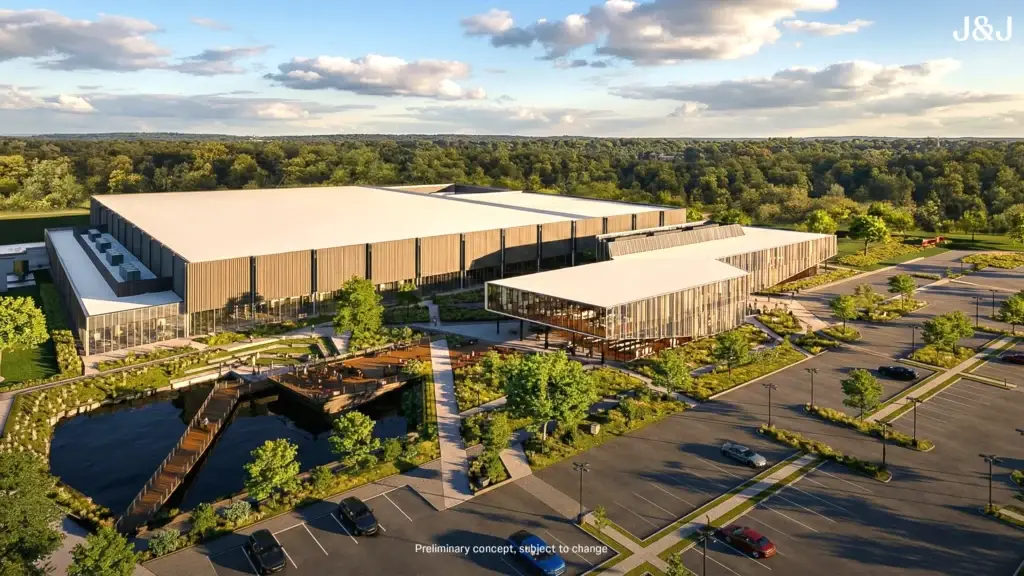
- Life Sciences Renaissance: Driven by post-pandemic reshoring efforts, companies like Johnson & Johnson, Eli Lilly, and AstraZeneca are investing billions into domestic biologics manufacturing. This represents a strategic move to insulate the U.S. pharmaceutical supply chain from global volatility.
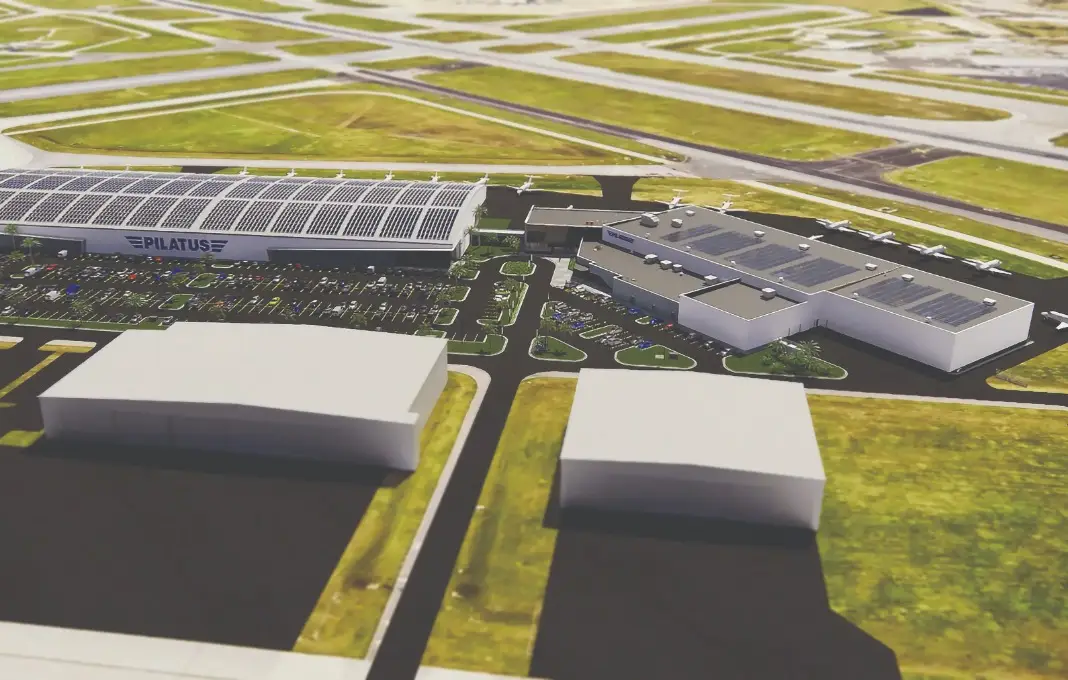
- Advanced Manufacturing & Aerospace: Aviation, EV battery production, and specialized defense manufacturing are leveraging regional clusters to create resilient, talent-dense ecosystems.
A Chronology of Economic Acceleration (2025–2026)
The pace of development over the last 18 months has been blistering. Below is a timeline of key milestones that have defined this period of growth:
- Early 2025: South Carolina begins its push toward federal tech hub status; Louisiana secures major LNG and steel manufacturing commitments.
- Late 2025: North Carolina records the largest job commitment in its history via JetZero; Virginia’s “overnight success” in pharma manufacturing begins to materialize after 20 years of ecosystem building.
- January 2026: Arkansas signals its arrival as a data hub with a $6 billion investment from AVAIO Digital Partners; Pennsylvania cements its life sciences status with a $3.5 billion Eli Lilly investment.
- March 2026: Georgia and Alabama experience massive industrial waves, with multi-billion dollar commitments from UCB and Mercedes-Benz respectively; Mississippi enters the global AI conversation with the xAI project.
- April–May 2026: Maryland makes major strides in quantum computing and port expansion, while New England states like Massachusetts continue to solidify the Boston-Cambridge corridor’s dominance in biotech.
Regional Snapshots: The Engines of Investment
The South: A Powerhouse of Scale
The Southeastern states are currently leading the nation in capital absorption. Georgia has seen an economic harvest of $26 billion in investment within a single year, outpacing national averages for trade and export growth. Meanwhile, Alabama shattered its own records, with Eli Lilly’s $6 billion Huntsville facility serving as a bellwether for the state’s ability to handle massive-scale manufacturing.
In Mississippi, a bold pivot toward a digital identity is underway. The arrival of xAI’s $20 billion data center, combined with Amazon’s $11 billion commitment, has fundamentally changed the state’s economic trajectory, proving that rural, pro-business environments can host the world’s most advanced computing systems.
The Mid-Atlantic and Northeast: Knowledge-Based Expansion
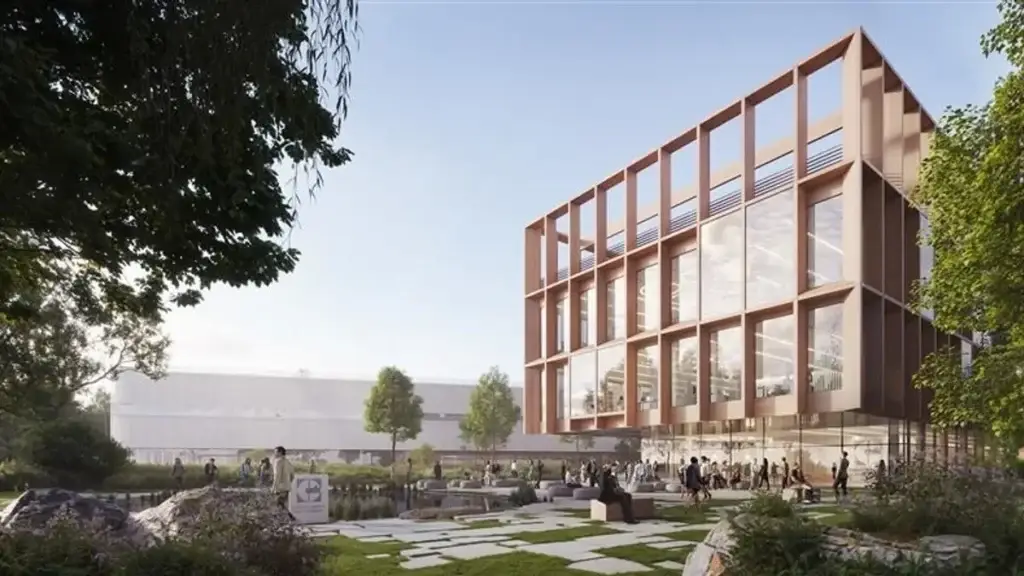
While the South focuses on scale, the Northeast and Mid-Atlantic are doubling down on high-value R&D and specialized manufacturing. Pennsylvania has become a sanctuary for life sciences, with over $40 billion in private investment over three years. Similarly, Maryland is balancing its traditional strengths in defense with new, cutting-edge initiatives in quantum computing, highlighted by the University of Maryland’s new Quantum Technology Center.
New Jersey is experiencing a different kind of growth, successfully diversifying its economy through aggressive tax credit programs for the film and television industry, while simultaneously maintaining its long-standing status as a global leader in the pharmaceutical sector.
The New England Corridor: Resilience and Specialization
States like New Hampshire and Vermont are leveraging stable pro-business policies to attract companies fleeing higher-cost markets. New Hampshire’s focus on near-universal broadband is setting the stage for rural development, while Vermont’s grassroots approach, supported by the VEDA loan programs, ensures that manufacturing remains a cornerstone of the state’s identity.
Official Responses and Strategic Implications
The success of these regions is rarely accidental. It is the result of decades of careful infrastructure investment and targeted legislative efforts.
"Georgia is not just keeping pace; it is outpacing the nation in year-over-year growth for trade and export values," notes Pat Wilson, commissioner of the Georgia Department of Economic Development. This sentiment is echoed across statehouses, where economic development agencies are acting more like venture capital firms than traditional government offices.
In Virginia, John Newby, CEO of Virginia Bio, offers a perspective on the timeline of success: "This was an overnight success that took 20 years." His comment highlights the reality that the current boom is the result of long-term ecosystem building—investing in universities, workforce development, and infrastructure years before the marquee investment announcements actually occur.
Implications for the National Economy
The shift toward these "clusters of excellence" carries significant implications for the U.S. economy:
- Workforce Specialization: As these industries concentrate, states are being forced to align their education systems with specific industrial needs. From quantum research at Vanderbilt to aerospace training in Florida, the labor market is becoming increasingly specialized.
- Energy Demands: The proliferation of AI-ready data centers is creating an unprecedented strain on local power grids. States that solve this—such as Tennessee, with its investments in nuclear energy and quantum infrastructure—will likely see a competitive advantage in the coming decade.
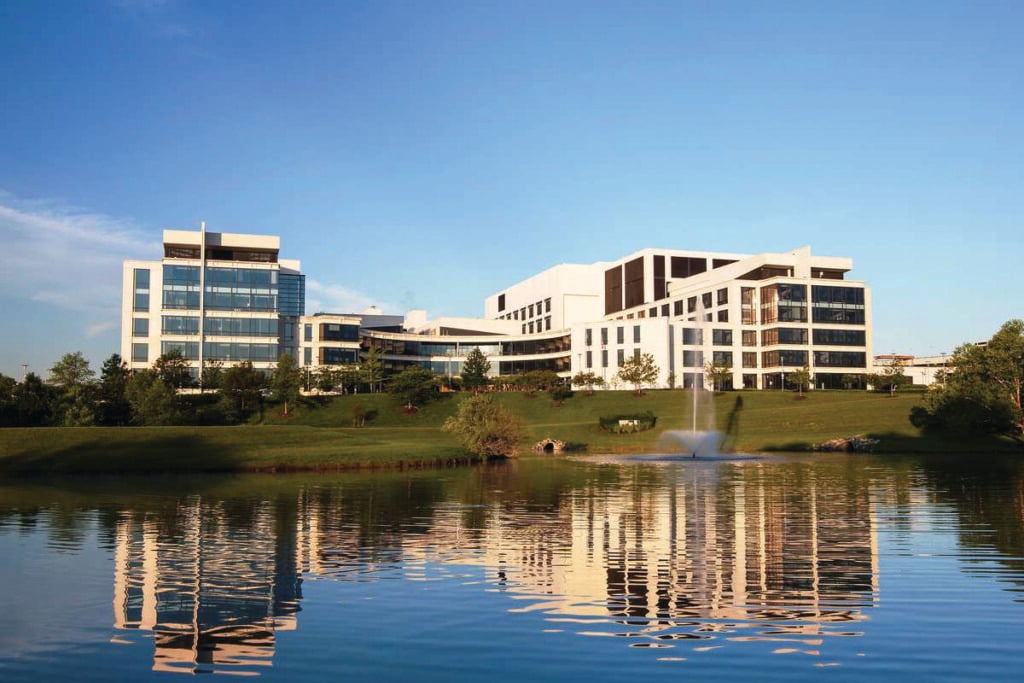
- Reshoring as a Permanent Policy: The massive capital injections by companies like J&J, Mercedes-Benz, and Micron demonstrate a departure from the offshoring trends of the early 2000s. Supply chain security has moved from a corporate talking point to a primary driver of capital allocation.
Looking Ahead: The Challenges of Sustained Growth
While the current indicators are overwhelmingly positive, the long-term sustainability of this growth depends on three factors:
- Infrastructure Capacity: Can the existing power, water, and transportation grids handle the massive demands of 21st-century manufacturing? States like West Virginia and Arkansas are already aggressively expanding their digital infrastructure to meet this need.
- Regulatory Efficiency: The success of projects like those in Arkansas, aided by IMPACT legislation that streamlines permitting, shows that regulatory speed is now a primary competitive advantage in the global market.
- Talent Retention: As competition for high-skilled labor intensifies, the states that offer the best quality of life—coupled with proximity to top-tier research universities—will retain the intellectual capital necessary to support these high-tech industries.
In conclusion, the Eastern United States has effectively transitioned from a period of recovery to one of expansion. By fostering a environment that rewards innovation, incentivizes long-term capital commitment, and leverages regional strengths, these states are not just participating in the global economy—they are actively defining its future. The record-breaking figures of 2025 and 2026 are likely just the beginning of a broader trend that will see the East Coast remain the epicenter of American industrial ingenuity for years to come.
About the Author