When Star Wars: The Force Awakens introduced the world to BB-8 in 2015, the droid’s unique, spherical, rolling locomotion was widely regarded as a triumph of industrial design—albeit one that seemed destined to remain a piece of cinematic fantasy. Audiences were captivated by the physics-defying agility of a robot that moved on a singular, rotating sphere. Yet, as with many sci-fi innovations, reality is now catching up to fiction.
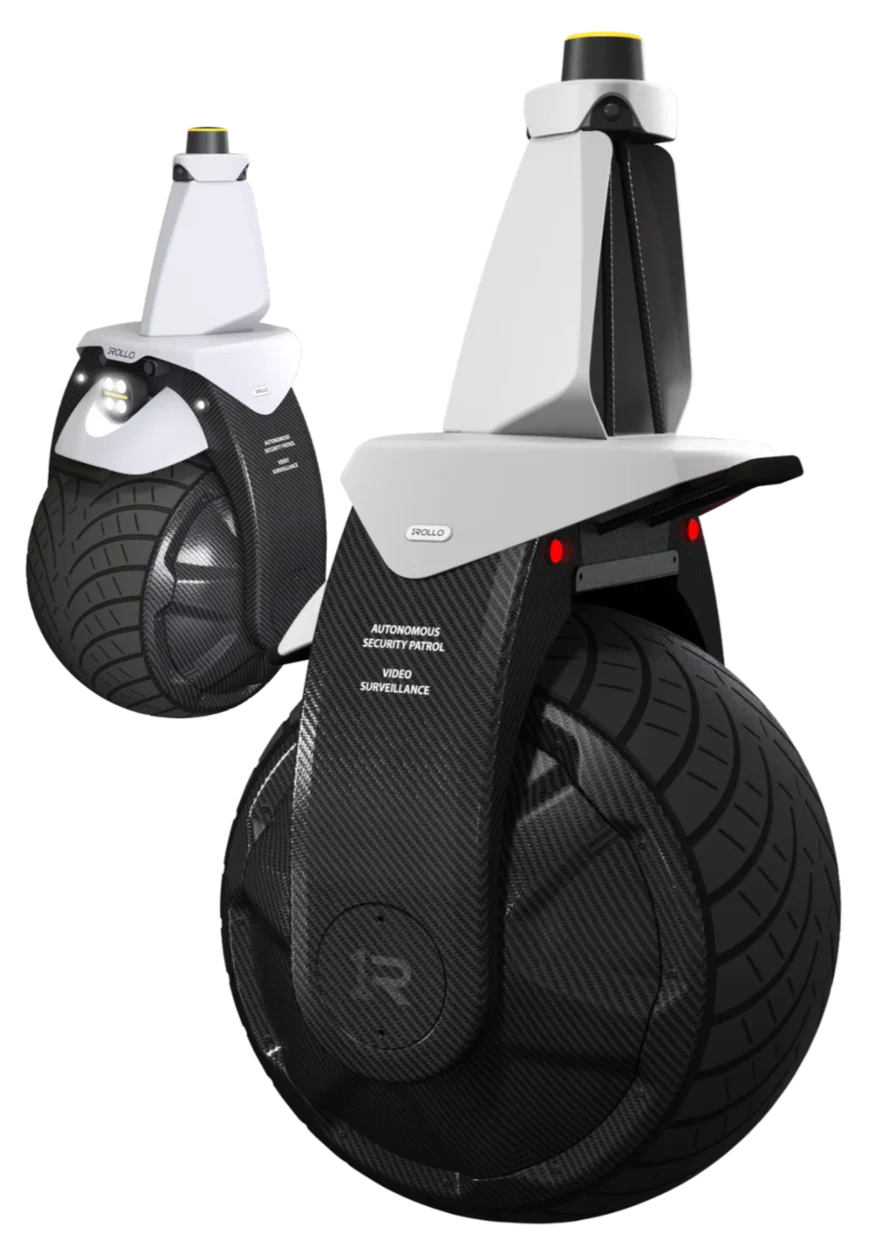
Estonian startup Rollo Robotics has unveiled the 1Rollo, an autonomous security robot that brings the "monowheel" aesthetic into the professional industrial sector. Eschewing the multi-legged or four-wheeled designs that currently dominate the robotics market, the 1Rollo offers a radical rethink of how mobile surveillance platforms should function. By stripping away mechanical complexity, the team at Rollo Robotics aims to prove that in the world of security, sometimes the simplest shape is the most effective.
The Core Concept: Engineering Simplicity for Security
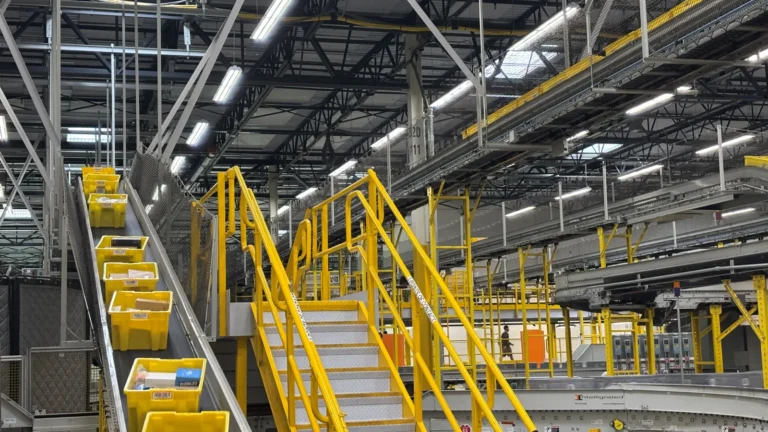
At its heart, the 1Rollo is a testament to the philosophy of "less is more." While competitors like Boston Dynamics’ Spot have mastered complex bipedal and quadrupedal movement to navigate rough terrain, the 1Rollo occupies a different niche. It is designed for high-efficiency, long-duration patrols in structured environments—warehouses, corporate offices, and secure facilities.
Mechanical Efficiency and Cost-Effectiveness
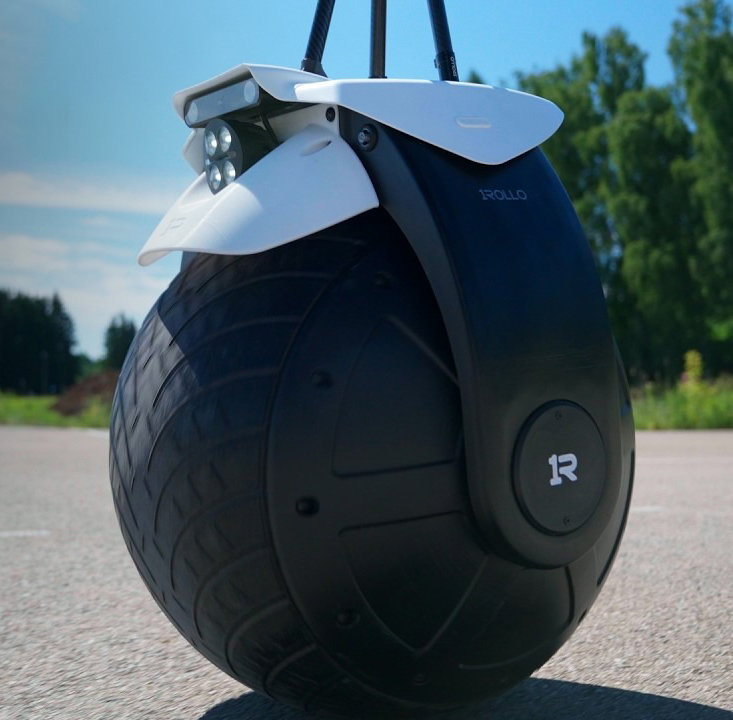
The most striking feature of the 1Rollo is its reliance on a singular, high-torque wheel mechanism. From an engineering perspective, this design choice serves two primary functions:
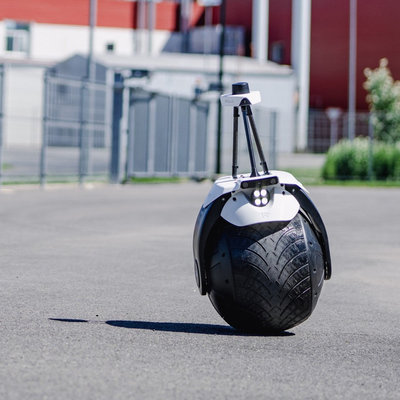
- Reduced Mechanical Overhead: Traditional robots with legs or multiple wheels require a high count of actuators, joints, and sensors to maintain balance and coordinate movement. Each moving part is a potential point of failure. By centering the robot’s locomotion on a single wheel, Rollo Robotics has significantly reduced the number of moving parts, thereby decreasing manufacturing costs and streamlining long-term maintenance requirements.
- Energy Optimization: Rolling resistance is a critical factor in battery longevity. Multi-wheeled robots often suffer from friction loss and complex drivetrain drag. The 1Rollo’s monowheel design maximizes contact efficiency, allowing the robot to patrol for extended periods on a single charge. This makes it an ideal candidate for "round-the-clock" security operations where downtime for recharging is a logistical burden.
Chronology: From Concept to Reality
The journey of the 1Rollo reflects the rapid maturation of the European robotics ecosystem.
- 2020-2022: R&D Phase: The founders of Rollo Robotics began exploring the limits of autonomous locomotion, focusing on the intersection of gyroscopic stability and compact form factors.
- Early 2023: The Prototype Stage: The first functional models were tested in controlled warehouse environments in Estonia. The primary challenge was refining the self-balancing algorithms necessary to keep the robot upright while navigating uneven industrial floor surfaces.
- Late 2023: Field Testing: The robot was integrated into live, non-public environments to test its suite of sensors. During this time, the team focused on software integration, ensuring the unit could communicate seamlessly with existing security management systems.
- 2024: Public Unveiling: Following successful pilot programs, the company moved toward a commercial-ready design.
- 2025: The Path to Market: Rollo Robotics has confirmed that the 1Rollo will enter full-scale production in the coming year, positioning the device as a scalable solution for enterprise security.
Technical Specifications and Surveillance Capabilities
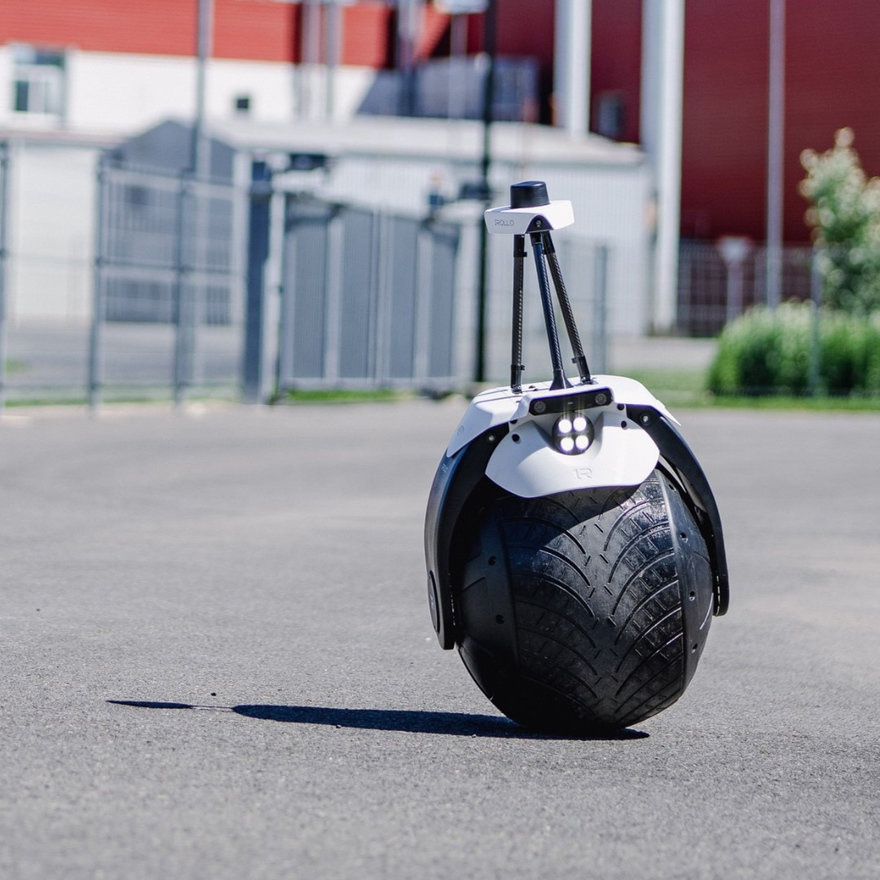
The 1Rollo is not merely a rolling wheel; it is a sophisticated data-gathering platform. Its narrow vertical profile—which allows it to navigate tight corridors that would be inaccessible to bulkier autonomous vehicles—is packed with advanced hardware.
Sensory Suite
The robot is designed to be a modular platform, allowing clients to tailor the hardware to specific security needs:
- High-Definition Optical Cameras: Standard on all units for continuous video logging.
- Thermal Imaging: Crucial for detecting intruders in complete darkness or identifying overheating machinery in industrial settings.
- Night Vision Systems: Utilizing infrared illuminators to maintain surveillance without the need for high-intensity ambient lighting.
- Two-Way Audio: Integrated speakers and microphones allow for remote communication between a human operator and individuals on-site, enabling the robot to act as a mobile intercom or a warning device.
Navigation and AI
The robot utilizes a combination of LiDAR and visual odometry to build real-time maps of its environment. Its small footprint allows it to operate alongside human workers without creating a hazard, a key requirement for modern industrial safety standards.

Official Responses and Industry Positioning
In recent briefings, the leadership at Rollo Robotics has emphasized that the 1Rollo is not designed to replace human security guards, but to augment them.
"The goal is to eliminate the mundane aspects of patrolling," a spokesperson for the company noted. "Human guards are most effective when they are responding to incidents. By using the 1Rollo to handle the repetitive task of checking doors, monitoring hallways, and scanning perimeters, we allow security personnel to focus on higher-level decision-making."
The reception from the security industry has been cautiously optimistic. While some critics argue that the monowheel design lacks the vertical mobility of dog-bots—noting that the 1Rollo cannot climb stairs—the consensus is that its cost-to-performance ratio makes it a compelling choice for flat, single-story facilities where budget and energy efficiency are paramount.
Implications: The Future of Autonomous Patrols
The arrival of the 1Rollo signals a broader shift in the robotics industry: the move away from "all-terrain" generalist robots toward highly specialized, purpose-built machines.
Addressing the "Stairs Problem"
While the 1Rollo excels in hallways, its inability to climb stairs is its most significant limitation. In multi-level buildings, it would require elevators or human assistance to move between floors. This creates a clear market bifurcation:
- Quadrupedal robots (like Boston Dynamics’ Spot) will likely remain the gold standard for high-complexity, multi-level environments where the cost of the robot is secondary to the need for total mobility.
- Monowheel robots (like the 1Rollo) will likely dominate the vast market of single-story warehouses, logistics centers, and office campuses, where cost-efficiency and simplicity provide a higher return on investment.
The Democratization of Security
Perhaps the most significant implication of the 1Rollo is the potential democratization of automated security. By simplifying the mechanical design, Rollo Robotics is lowering the barrier to entry for small-to-medium-sized enterprises (SMEs) that previously could not afford the six-figure price tags associated with advanced security drones or quadrupedal robots. If the 1Rollo can successfully reach the consumer-adjacent commercial market, it could set a new standard for what a "basic" security package looks like for a business.
Integration with Smart Infrastructure
As the 1Rollo enters the market, it will likely be part of a larger ecosystem of "Smart Buildings." Its ability to communicate with building management systems means that in the event of an alarm, the robot could be automatically routed to the location of a breach, providing live video feeds to security teams before they even leave their desks. This creates a proactive rather than reactive security posture.
Conclusion: A Turning Point in Industrial Design
The 1Rollo is a reminder that innovation often comes from identifying a specific constraint—in this case, the need for a slim, efficient, and cost-effective patrol unit—and building a solution that ignores the "standard" approach in favor of something more efficient.
While it may not replace the agility of a four-legged machine, it doesn’t have to. By carving out a specific niche, Rollo Robotics has created a robot that is both a practical tool for the modern facility and a fascinating look at the future of autonomous locomotion. As we move into 2025 and beyond, the sight of a monowheel robot patrolling the aisles of a warehouse may become as common as the security camera on the wall, proving that the lessons learned from a Star Wars droid were not just for show—they were the blueprint for a new era of industrial security.
About the Author