For generations, the "camping experience" has been inextricably linked to the struggle of the setup. The image of weary travelers fumbling with color-coded poles, tangled guy lines, and confusing instruction manuals—often in the fading light of dusk—has become a trope of the great outdoors. For many, this barrier to entry is enough to turn a weekend getaway into a source of frustration before the first marshmallow is even roasted.
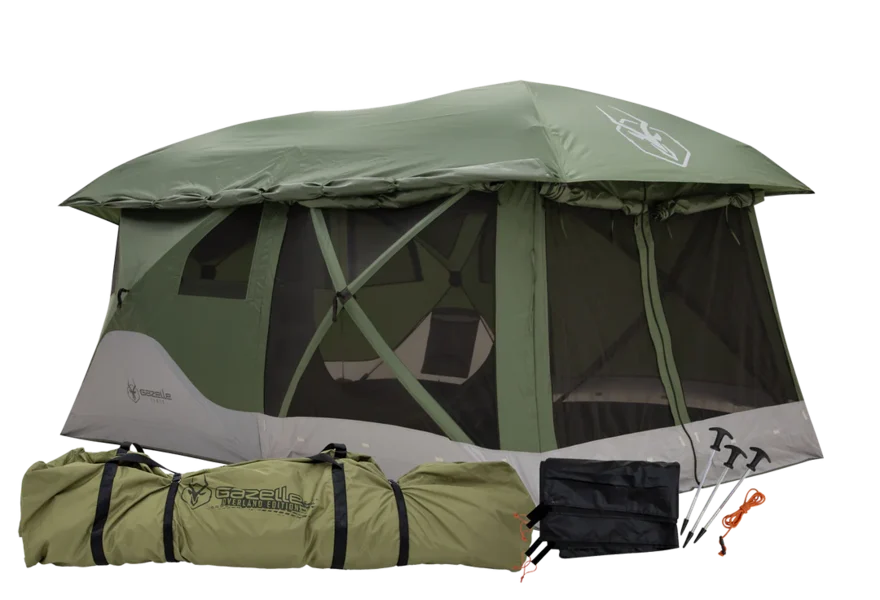
However, Wisconsin-based outdoor gear innovator Gazelle is rewriting this narrative. By reimagining the structural mechanics of traditional shelters, the company has introduced a line of "Hub Tents" that prioritize speed, ease, and structural integrity, effectively borrowing the intuitive, rapid-deployment mechanics of an umbrella to change how we interact with the wilderness.
The Core Concept: Engineering Simplicity
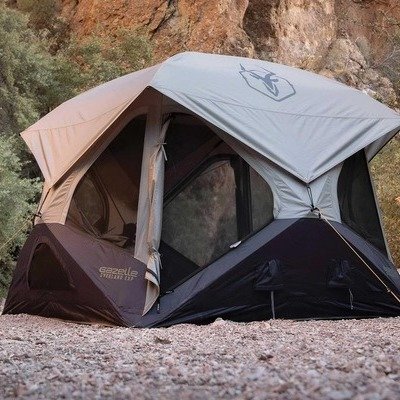
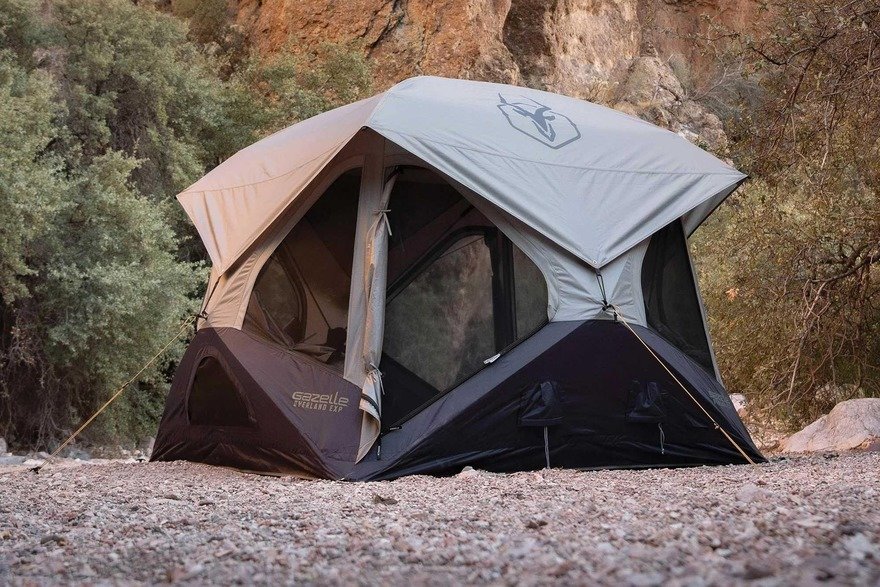
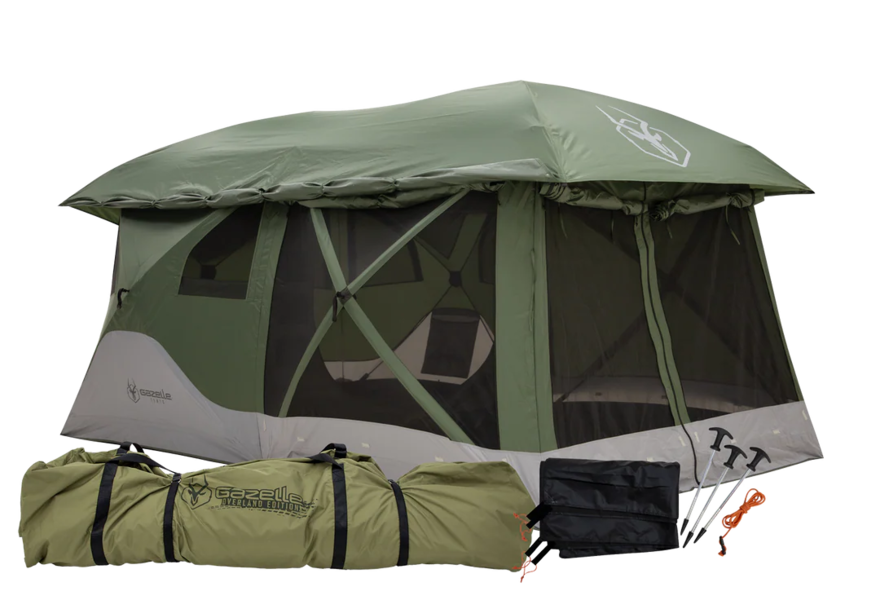
At the heart of the Gazelle tent lineup is a patented hub-based structural system. Unlike traditional dome or cabin tents, which require users to thread flexible poles through sleeves or attach clips to fabric, Gazelle’s design integrates the support structure directly into the walls and ceiling.
Each facet of the tent features a central hub into which heavy-duty, fiberglass poles are permanently inserted. This architecture allows the tent to remain a single, unified piece of equipment. When a user arrives at their campsite, the setup process is remarkably simple: the tent is pulled from its carrying bag, unfolded, and the walls are "pushed out" until the hubs lock into place. This mechanical action is reminiscent of opening a standard rain umbrella, turning what was once a 20-minute ordeal into a 60-to-90-second task.
The Mechanics of the "Hub"
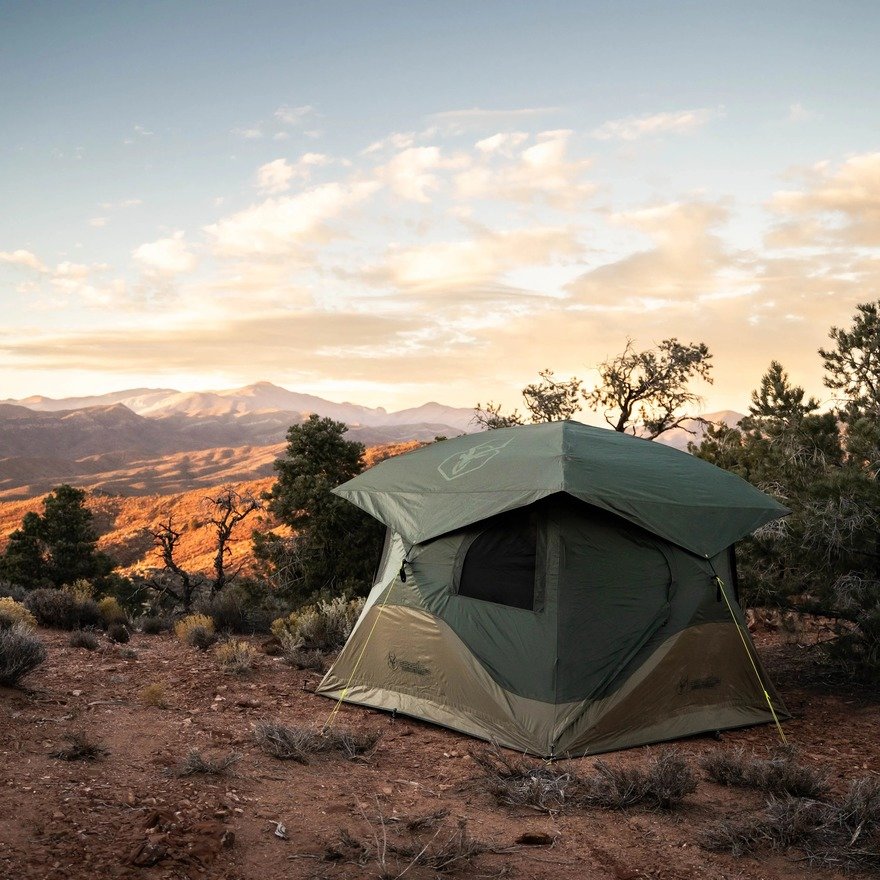
The genius of the Gazelle system lies in the permanent attachment of the poles. Because the poles never leave their sleeves, there is zero risk of losing a critical component or misaligning the frame. This "pre-assembled" philosophy reduces the cognitive load on the camper, allowing them to focus on site selection and campsite comfort rather than structural engineering. The use of fiberglass provides the necessary flexibility to withstand tension while maintaining a lightweight profile, essential for gear that needs to be transported into the backcountry or packed into a trunk for a family road trip.
Chronology: A Shift in Outdoor Gear Evolution
The evolution of tent design has historically been a slow crawl from heavy canvas and steel poles to lightweight nylon and aluminum. However, the last decade has seen a pivot toward "instant" technology.
- Pre-2010s: The market was dominated by traditional pitch tents. While reliable, they offered little in terms of user experience for casual campers.
- 2010–2015: The rise of "pop-up" tents offered speed, but often at the cost of structural integrity and weather resistance. These were frequently criticized as being flimsy and difficult to fold back down.
- 2016–Present: Gazelle entered the market with a focus on bridging the gap between professional-grade durability and consumer-grade convenience. By iterating on the hub-and-pole mechanism, the brand managed to achieve the stability of a traditional tent with the deployment speed of a pop-up.
This trajectory reflects a broader consumer trend: the "democratization of the outdoors." As more families and casual enthusiasts enter the camping space, gear manufacturers have recognized that the friction of assembly is the primary deterrent to participation.
Supporting Data: Capacity, Cost, and Construction
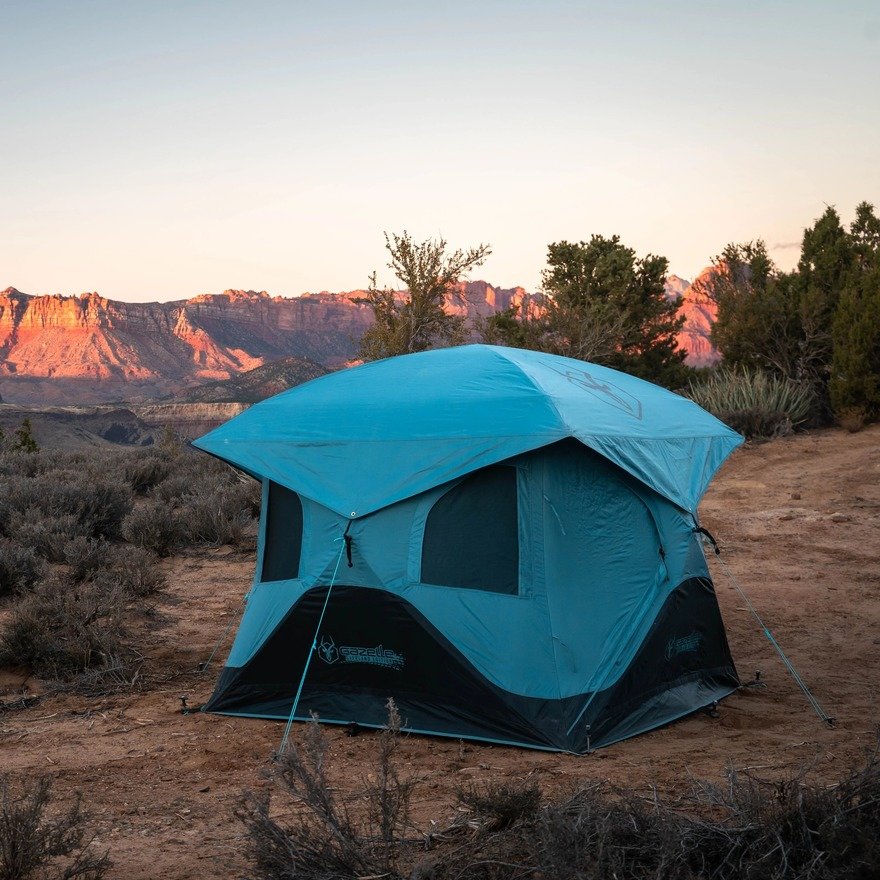
Gazelle’s current product portfolio caters to a wide spectrum of users, from solo backpackers to large families. Their range includes configurations for 3, 4, and 8 occupants, ensuring that the technology is scalable regardless of group size.
Pricing and Scalability
- Entry-Level (3-Person): Starting at approximately $280, these models are designed for quick weekend escapes and solo adventurers who require high mobility.
- Mid-Range (4-Person): These units provide a balance of interior volume and portability, typically serving as the "sweet spot" for couples or small families.
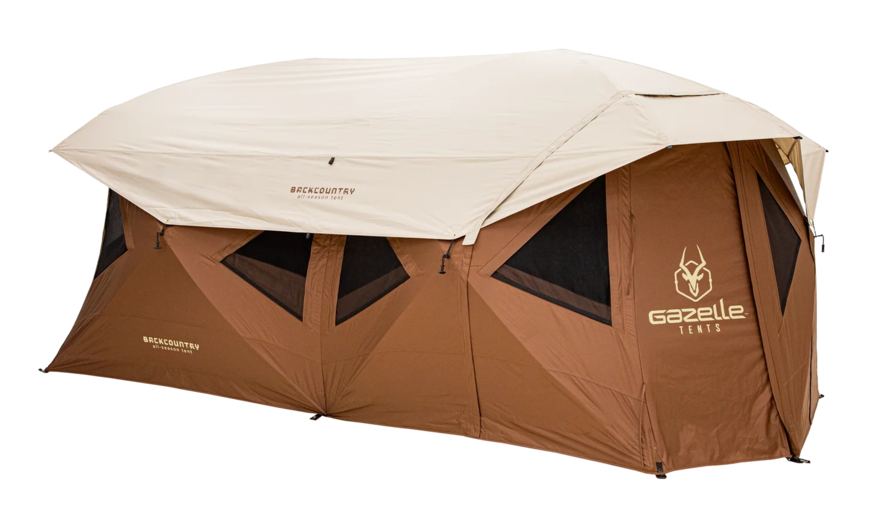
- Premium (8-Person): Priced up to $1,400, these large-format tents are essentially portable living rooms. They feature multiple hubs to create expansive, high-ceiling environments that allow occupants to stand upright—a luxury in the camping world.
Technical Specifications
The material science behind these tents is as important as the hub mechanism. Gazelle utilizes high-denier fabrics treated for UV resistance and water repellency. The hub system itself is constructed from reinforced plastics or lightweight alloys, engineered to undergo thousands of cycles of folding and unfolding without fatigue. This data-driven approach to component longevity ensures that the "rapid set-up" feature does not compromise the tent’s lifespan.
Official Responses and Industry Reception
Industry experts have noted that Gazelle’s entry into the market has forced competitors to re-evaluate their own "instant" tent designs. In various trade publications and outdoor gear reviews, the consensus is that the hub-style tent is no longer a niche product but a serious contender for the standard in recreational camping.
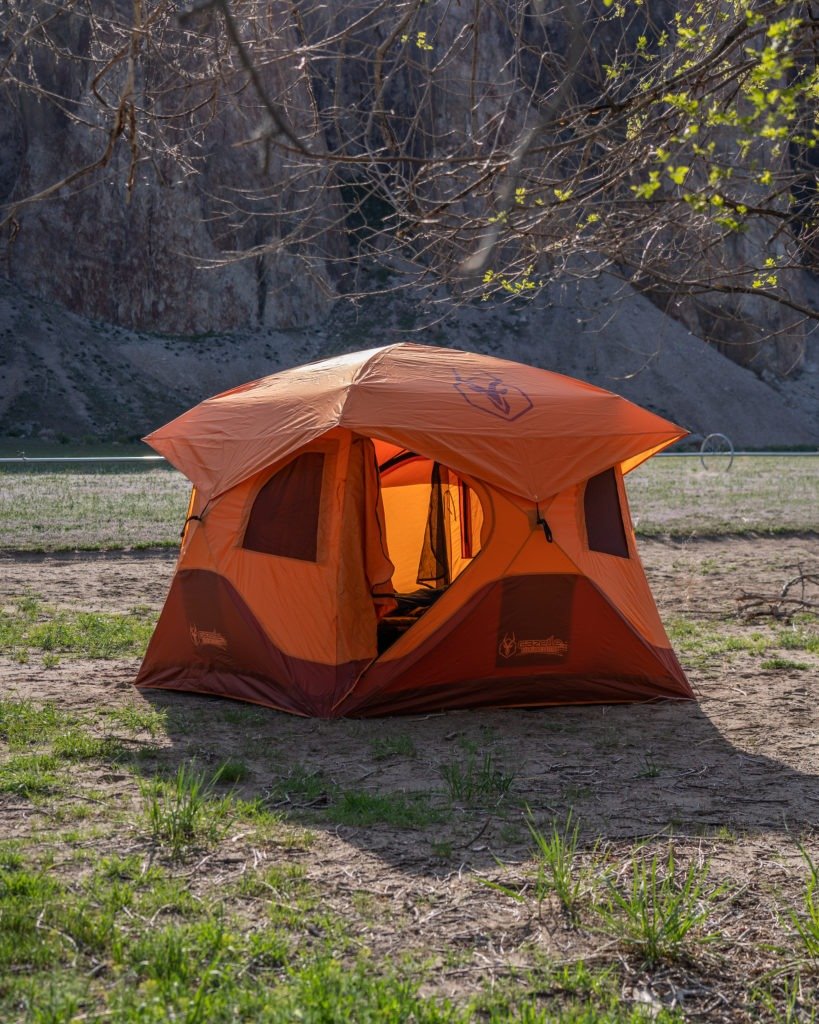
When asked about the design philosophy, representatives from the outdoor gear industry have emphasized that the goal is not merely "speed," but "confidence." The primary feedback from Gazelle users suggests that the ability to set up a tent in the rain or dark—without needing a second pair of hands—is a transformative feature.
"The design borrows from umbrellas for rapid set-up," a company representative noted in previous product briefings, "but we’ve evolved that concept to handle high-wind conditions and environmental stressors that an umbrella would never face. We are essentially merging the convenience of a modern appliance with the ruggedness of a traditional expedition shelter."
Implications: The Future of Recreational Camping
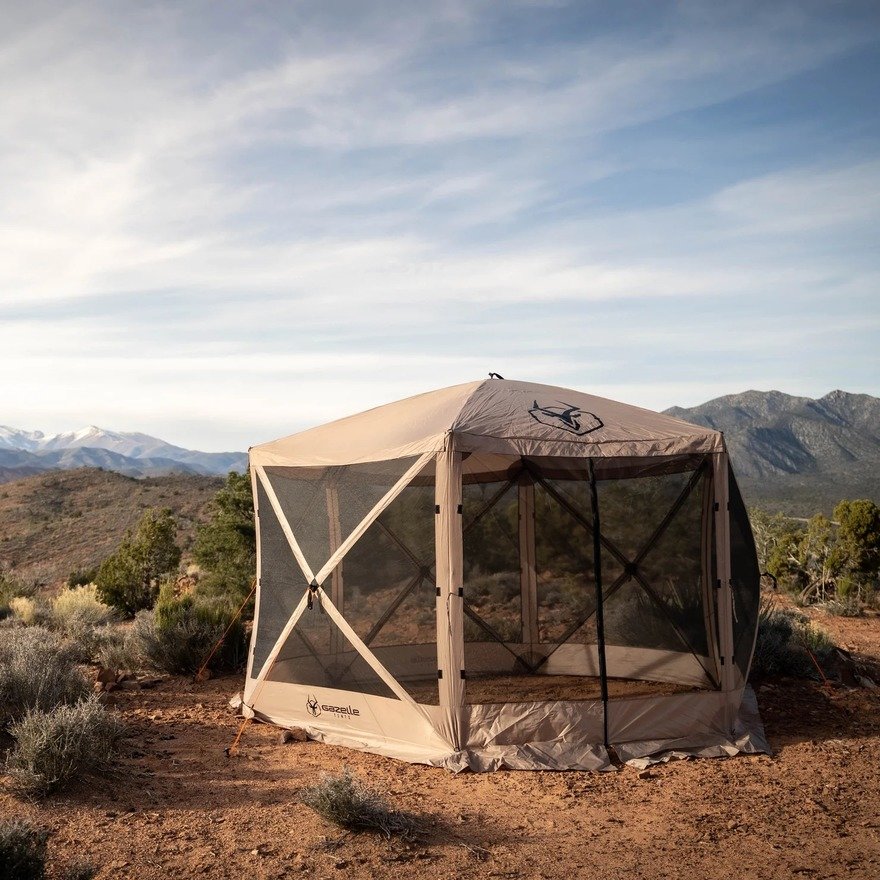
The rise of rapid-setup technology has significant implications for the future of outdoor recreation. As camping continues to grow in popularity—fueled in part by the post-pandemic desire for remote travel and nature-based wellness—the barrier to entry must remain low.
1. Increased Participation
By removing the "assembly anxiety," companies like Gazelle are helping to retain new campers who might otherwise have been discouraged by the technical hurdles of traditional tent pitching. This contributes to a healthier outdoor industry and encourages more people to engage with public lands.
2. Design Standardization
We are likely to see a shift across the industry where "hub" systems become the default for family and car-camping gear. The convenience factor is simply too high to ignore. While ultralight mountaineering tents may continue to prioritize weight savings above all else, the recreational market is clearly signaling a preference for ease of use.
3. Sustainability Through Longevity
While the "instant" category was once associated with disposable, low-quality gear, the emergence of premium hub tents changes the narrative. High-quality materials and repairable hub components suggest that these tents are designed to last for years, rather than seasons. This shift toward durable, convenient equipment is a win for both the consumer’s wallet and the environment, as it reduces the cycle of purchasing and discarding poorly made gear.
Conclusion: A New Standard for the Wilderness
The Gazelle Hub Tent is more than just a piece of camping equipment; it is a testament to the power of functional design. By analyzing the most persistent "pain point" in the camping process—the setup—and addressing it through mechanical innovation, Gazelle has succeeded in making the outdoors more accessible.
Whether you are a seasoned camper looking to minimize the effort required to reach your campsite’s "relaxation phase" or a newcomer intimidated by the prospect of pole-and-sleeve assemblies, the evolution of the hub tent provides a clear path forward. As the outdoor industry continues to innovate, it is likely that the "umbrella-style" deployment mechanism will be remembered as the pivotal moment when camping finally stopped being a chore and started being, as it should be, an effortless escape into nature.
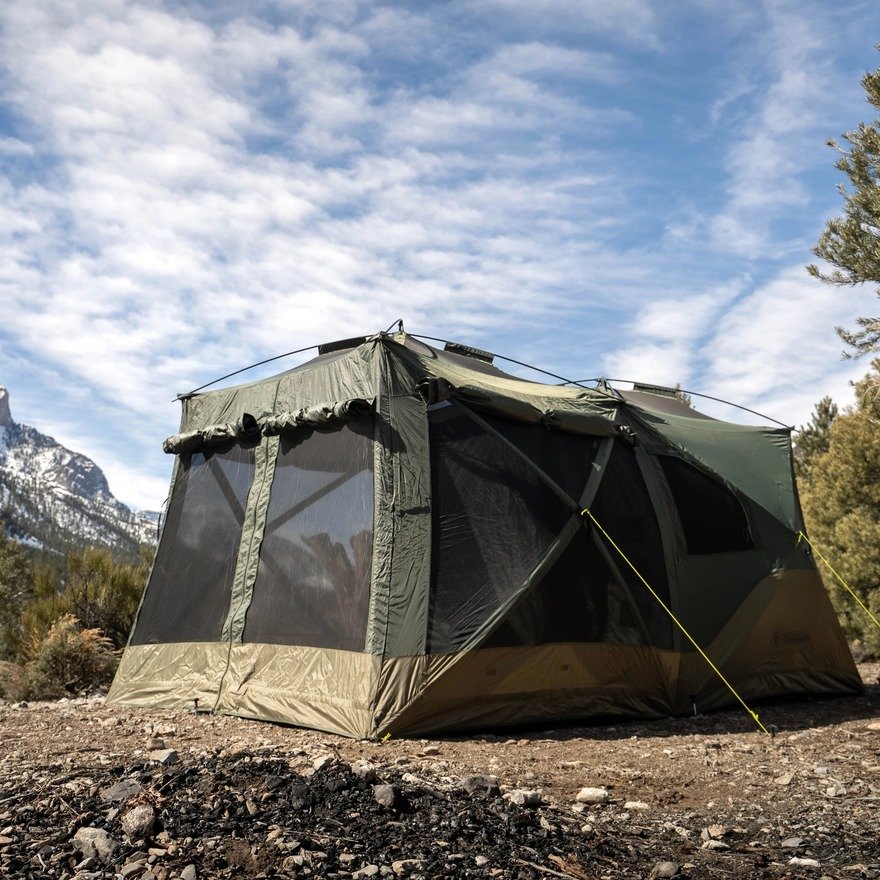
For those planning their next excursion, the message is clear: the gear has evolved. You no longer have to pay for your time in nature with your patience. With modern hub technology, the tent is ready before you’ve even had a chance to breathe in the fresh air.
About the Author