In the sprawling, rugged landscapes of rural America, there is a quiet, enduring love affair with the older pickup truck. It is not a matter of nostalgia, but of necessity. Across the heartland, a beat-up, decade-old vehicle is often more valuable than a brand-new, sensor-laden SUV because it is fundamentally knowable. When a belt snaps or a sensor fails, the owner can pop the hood, diagnose the issue with a wrench, and get back on the road before the sun sets.
However, in the pristine, snow-swept reaches of rural Scandinavia, the automotive landscape is shifting toward a future that threatens this tradition of self-reliance. As modern vehicles become increasingly digitized, automated, and tethered to proprietary software, the ability of the driver to act as their own mechanic is evaporating.
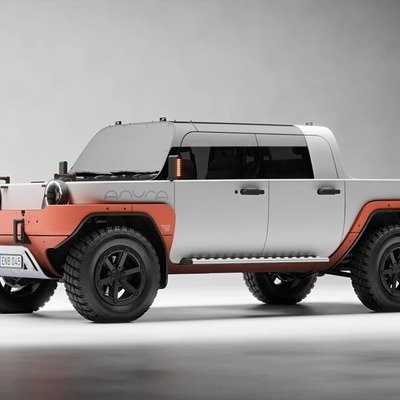
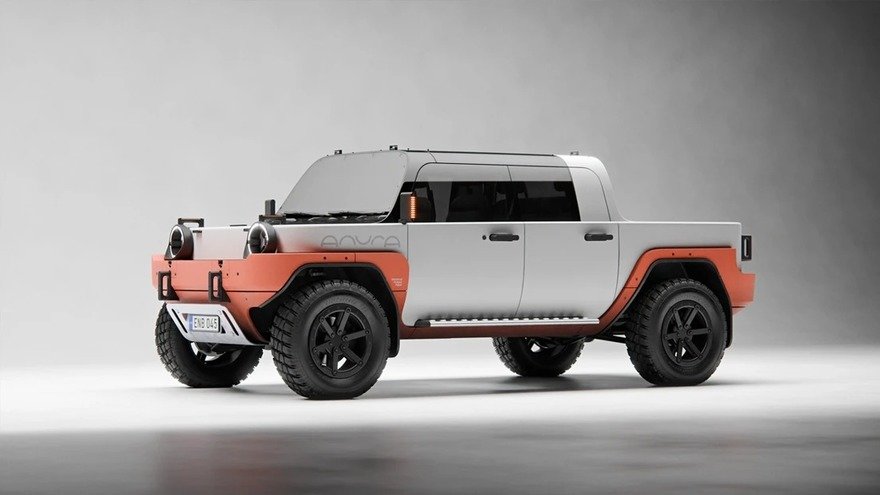
Love Björklund, a visionary Transportation Design student at the world-renowned Umeå Institute of Design, has responded to this crisis of complexity with his master’s thesis: the ANURA. It is more than just a car; it is a manifesto for a new era of automotive design—one that prioritizes human capability over digital convenience.
Main Facts: A Vehicle Designed for Human Agency
The ANURA project represents a radical departure from the current trajectory of the automotive industry. As vehicles transition toward electrification and autonomous driving, they have become increasingly "closed systems." Modern cars are now effectively rolling computers, often requiring specialized, encrypted diagnostic tools—available only to authorized dealerships—to perform even routine maintenance.

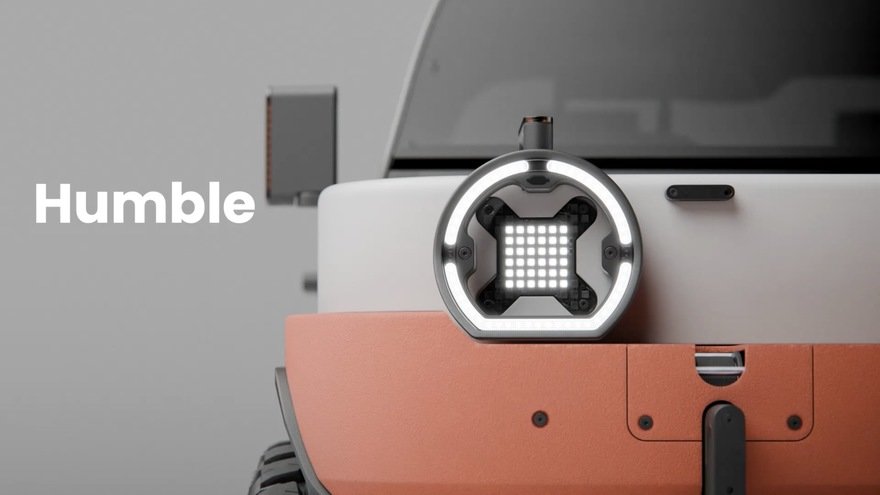
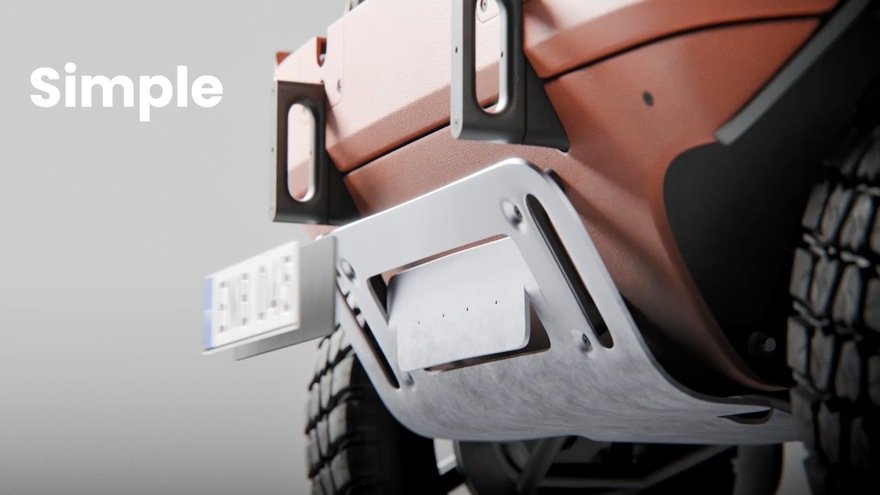
Björklund’s ANURA flips this paradigm. Designed specifically for the harsh, unforgiving environment of the Scandinavian wilderness in 2040, the vehicle is built upon four pillars: humble, simple, curious, and confident.
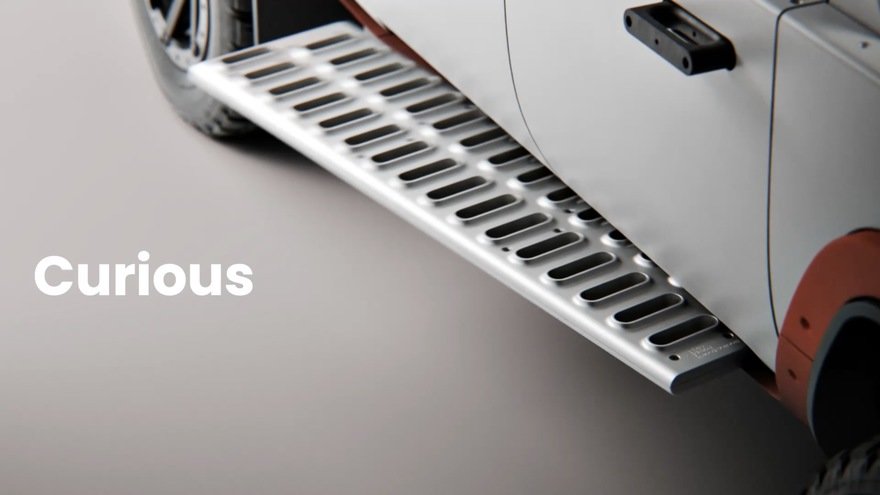
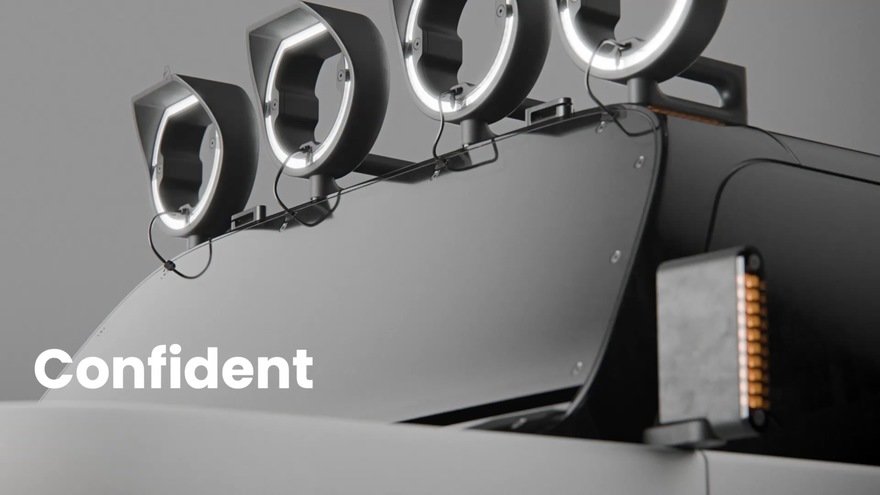
The ANURA is not a "smart" car that dictates how it should be driven or maintained. Instead, it is a tool that trusts the user. It features a modular architecture where components are not merely integrated into a seamless, untouchable shell, but are designed to be detached, repurposed, and repaired. From headlights that double as portable lanterns to running boards that transform into loading ramps, the ANURA is built to adapt to the immediate, unpredictable needs of its environment.
Chronology of a Design Philosophy
The genesis of the ANURA project was rooted in observation. Björklund, raised in the rural North, witnessed a disconnect between the increasingly delicate, high-tech machines entering the market and the rugged, problem-solving lifestyle of the people living there.
The Initial Inquiry (2022-2023)
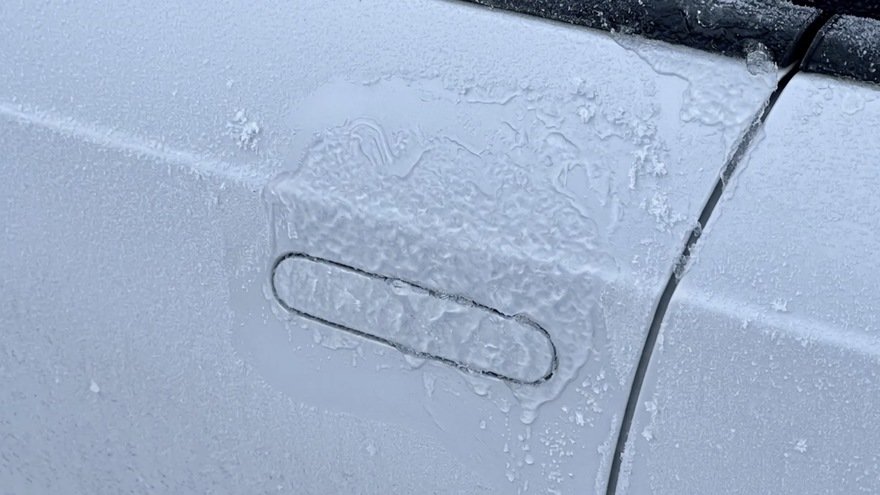
The project began with a series of anthropological studies. Björklund analyzed how people in rural communities interact with their equipment. He noted that when conditions are rarely "optimal"—when temperatures plummet and service centers are hundreds of miles away—the vehicle must act as a partner, not a burden. He contrasted this with the "black box" reality of modern EVs, where features like flush-mounted, automated door handles can freeze shut, rendering the entire vehicle useless in extreme winter conditions.
The Ideation Phase (Mid-2023)
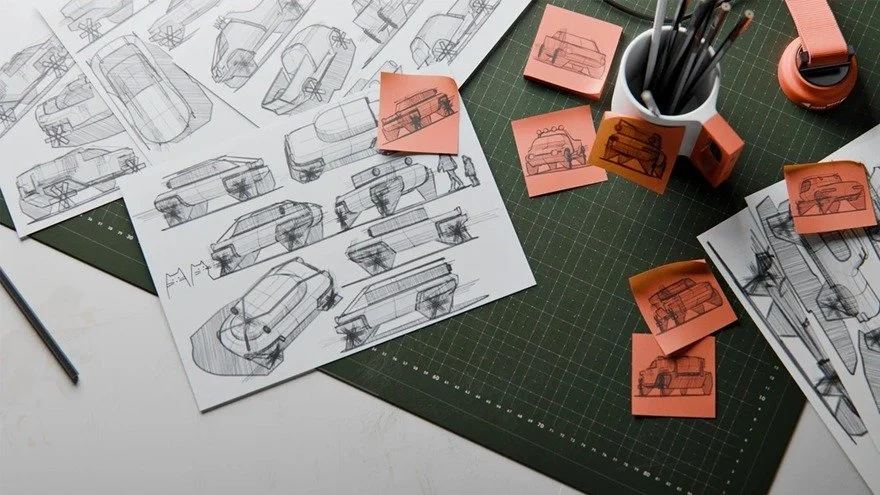
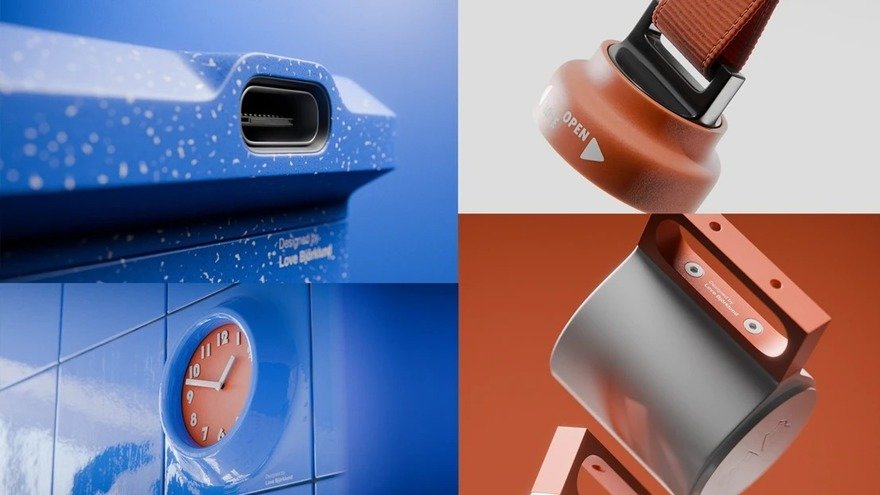
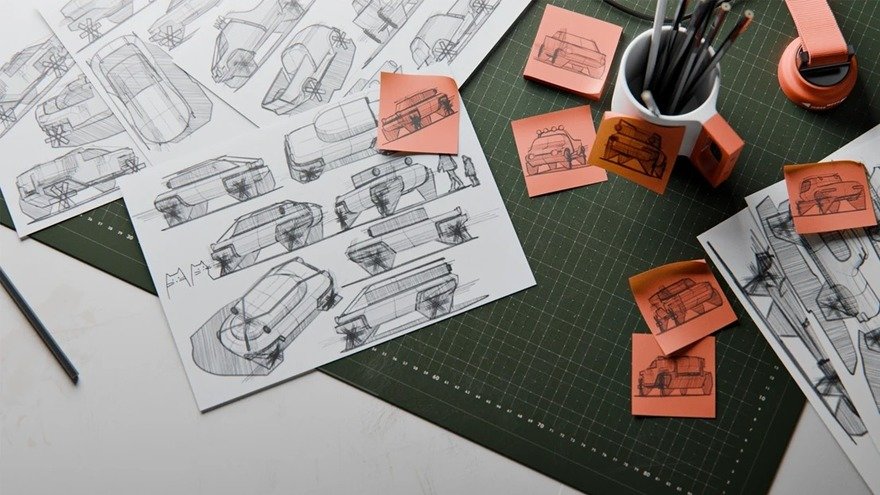
Björklund moved from observation to abstraction, creating a "mood board" of four distinct reference products. These objects were stripped of excess, focusing purely on their core functionality. This process helped distill the brand’s four principles. By studying tools that were inherently "humble" and "confident," he began sketching a vehicle that prioritized stance, proportion, and visible mechanical relationships.
Prototyping and Refinement (Late 2023-2024)
The design process involved an iterative loop of form ideation. Björklund focused on the "language" of the vehicle: how the panels meet, how the parts are fastened, and how the user physically engages with the machine. The ANURA evolved from a hypothetical sketch into a fully realized conceptual system, complete with integrated winches, modular lighting, and a philosophy that invites the user to "look under the hood" with genuine curiosity.
Supporting Data: The Cost of Complexity
The industry shift toward "connected" vehicles is well-documented, but the impact on rural sustainability is often overlooked.
- The Repairability Gap: According to recent data on automotive Right-to-Repair initiatives, the number of sensors and electronic control units (ECUs) in vehicles has grown exponentially over the last decade. This increase in complexity has led to a 30% rise in dealership-only repair requirements for vehicles built after 2020.
- Environmental Efficiency: While electric vehicles are touted for their environmental benefits, the "throwaway culture" associated with complex, unserviceable battery and software systems creates a massive e-waste footprint.
- The "Cold Weather" Failure Rate: In Scandinavian climate studies, high-tech automotive components—specifically touch-sensitive surfaces and motorized exterior hardware—show a 15% higher failure rate in temperatures below -20°C compared to mechanical alternatives.
Björklund’s research integrates these realities, proposing that "high-tech" is not always "better tech." By utilizing manual mechanisms and modular, user-accessible components, the ANURA aims to increase the operational lifespan of the vehicle by decades, effectively reducing the lifetime carbon footprint of the car far more effectively than a complex, disposable luxury EV.
Official Responses and Industry Reception
The Umeå Institute of Design has long been a breeding ground for disruptive automotive concepts, and the ANURA has garnered significant attention from both design critics and industry engineers.
"Björklund has identified a critical failure point in modern transportation design," says a lead instructor at the institute. "We have spent years teaching students how to make cars look ‘seamless.’ Love is asking us to reconsider the value of the ‘seam.’ When you can see how a car is held together, you feel empowered to fix it."
Outside of academia, the reception has been equally spirited. Enthusiasts of the Right-to-Repair movement have lauded the project for its honesty. While major manufacturers remain committed to closed ecosystems—citing safety and cybersecurity concerns—independent mechanics and rural advocates have pointed to the ANURA as a "North Star" for what a utility vehicle should be: an extension of the user’s own hands.
Implications: The Future of Mobility
What does the ANURA mean for the global automotive market? Its implications are profound, suggesting a future where the "premium" nature of a vehicle is defined by its transparency rather than its digital opacity.
The Return of User Authority
The primary implication is a shift in power dynamics. In the ANURA model, the vehicle is a tool, and the user is the master. This requires a departure from the current trend of "over-the-air" updates that can lock features behind paywalls or disable functions arbitrarily. It suggests a future where vehicles are sold with service manuals, not just software subscriptions.
Designing for Longevity
By creating components that serve multiple functions—such as the headlight that becomes a lantern or the running board that doubles as a traction board—the ANURA encourages a design language that values material efficiency. If a part breaks, you don’t need a custom-molded, proprietary replacement; you need a part that is designed to be understood and maintained.
A Catalyst for Policy
The existence of projects like the ANURA serves as a powerful argument for policymakers currently debating Right-to-Repair legislation. It demonstrates that it is entirely possible to design a modern, safe, and efficient vehicle that remains accessible to the average person. It provides a visual, tangible answer to the question: Is it possible to have innovation without alienation?
The Psychological Impact
Finally, there is the aspect of curiosity. Modern cars have turned driving into a passive experience, insulating the driver from the road and the machine. The ANURA, by contrast, signals its state through its design. When a headlight is removed to serve as a lantern, the vehicle displays an "X" in the mount—it communicates its status. It invites the driver to be a participant in the vehicle’s operation, fostering a sense of competence and confidence that is increasingly absent in today’s automated landscape.
Conclusion
The ANURA is more than a master’s thesis. It is a vital intervention in the discourse of sustainable mobility. As we hurtle toward a future dominated by screens, sensors, and software, Love Björklund reminds us that the most sophisticated technology is not that which hides its functions, but that which trusts its user.
For those who live on the edge—whether in the fjords of Sweden or the plains of the American Midwest—the ANURA offers a promise: that even in the year 2040, the best way to move forward is to stay grounded in the ability to fix what we rely on. In a world that is becoming increasingly fragile, the ANURA provides a blueprint for a resilient, human-centered future.
About the Author