In the high-stakes world of industrial engineering, the “greenfield” project represents the ultimate blank canvas. It is a rare, pristine opportunity to construct a facility from the ground up, unencumbered by the legacy constraints of aging infrastructure or the rigid boundaries of brownfield retrofits. Yet, this freedom is deceptive. Greenfield projects are arguably the most complex challenges an engineer will ever face, requiring the orchestration of disparate engineering disciplines, global technology vendors, specialized contractors, and rigorous stakeholder expectations.
The success of these massive undertakings hinges on one critical, often misunderstood discipline: system integration.
System integration is the connective tissue of the modern industrial plant. It is the process of ensuring that automation systems, vendor-supplied skids, networking infrastructure, data architecture, and operator interfaces function as a unified, cohesive organism the moment the “start” button is pressed. However, too many projects treat integration as a final checkbox—a late-stage activity to be completed once the hardware is bolted down. This article explores why early integration planning is not merely a best practice, but an existential requirement for project viability.
The Anatomy of a Greenfield Project: Main Facts and Realities
The fundamental reality of a greenfield project is that the “design basis” does not exist until the engineers create it. Unlike an expansion project, where an existing plant provides a physical reference point, a greenfield site requires the simultaneous development of process design, automation architecture, safety systems, and documentation standards.
The Integration Paradox
On most projects, system integration is the phase where hidden problems finally surface. If communication protocols were poorly defined six months prior, the failure manifests during commissioning. If a vendor package was purchased without considering its interface with the Distributed Control System (DCS), the bottleneck appears during startup.
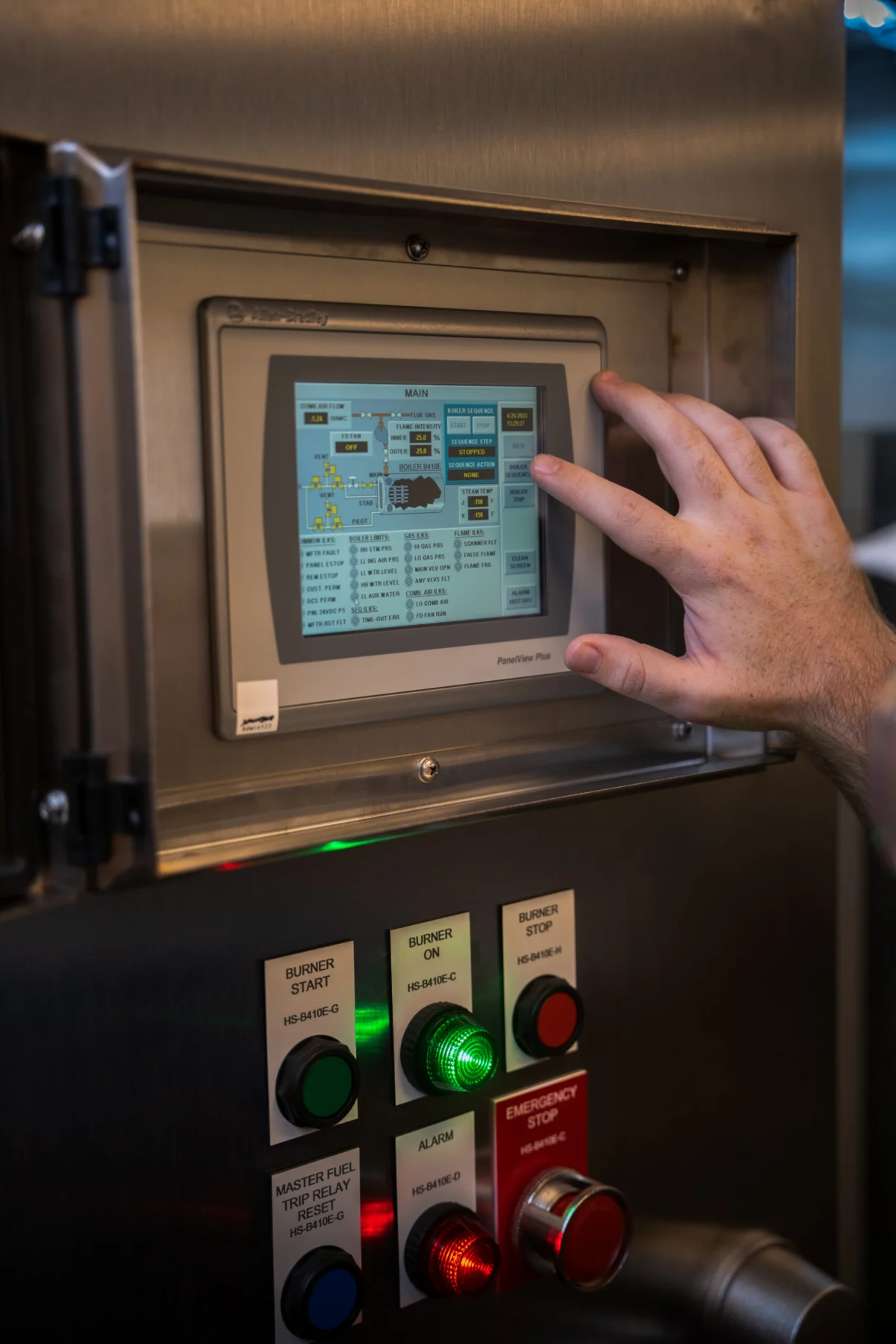
By the time a project reaches the commissioning phase, the schedule is typically compressed, the budget is nearing its limit, and the flexibility for design changes has evaporated. The system integrator is then tasked with checking loops, proving interlocks, and taking graphics live while under immense pressure. When these stages are treated as the “start” of integration, the team is forced into a reactive stance, turning what should be a planned sequence into a series of emergency repairs.
Chronology: Integration as a Lifecycle, Not a Milestone
To avoid the pitfalls of late-stage integration, project managers must shift their perspective. Integration must be woven into the project lifecycle from the moment of conception.
Phase 1: Conceptualization and Front-End Engineering (FEED)
This is the most critical window. During FEED, the focus should be on defining the automation philosophy, cybersecurity requirements, and data structure. This is the time to involve commissioning specialists—individuals who think in terms of "operability"—to critique the design. If a control narrative is flawed, it is far cheaper to rewrite it on paper than to reconfigure a live system.
Phase 2: Procurement and Technical Bid Evaluation
Integration expertise should be brought into vendor discussions early. When evaluating bids for a boiler skid or a compressor package, the evaluation criteria must extend beyond physical specifications. Questions should be tactical:
- How will the skid’s HMI share data with the plant-wide DCS?
- Does the vendor’s communication protocol match the plant’s security standards?
- Is the vendor’s documentation compliant with our naming conventions?
Phase 3: Detailed Design and Configuration
As the design matures, the integration team must maintain a living "operational memory." This involves rigorous documentation. If a decision is made in a design review but never captured in a specification, that knowledge is lost the moment a team member rotates off the project. Robust design specifications and control narratives serve as the project’s source of truth.
Phase 4: Factory Acceptance Testing (FAT) and Site Commissioning
If the previous phases were executed correctly, this stage becomes a process of validation rather than creation. Testing should be treated as the final proof that the design basis—established in Phase 1—was sound.
Supporting Data: The High Cost of Rework
The financial implications of ignoring early integration are profound. Industry data suggests that rework during the commissioning phase can cost up to 10 times more than if the same issues were corrected during the design phase.

The Ripple Effect of Delays:
- Engineering Hours: Every hour a control engineer spends troubleshooting a misaligned communication protocol is an hour stolen from startup activities.
- Schedule Slippage: Delayed startup impacts production schedules, market entry, and revenue targets.
- Stakeholder Confidence: For publicly traded firms or those reliant on investor capital, failing to meet the initial production date can lead to a significant decline in shareholder confidence.
In a case study involving a novel process scaled beyond pilot operations, Hargrove Controls & Automation demonstrated the value of this approach. As the project progressed, the design basis evolved—a common occurrence for first-of-its-kind facilities. Because the integration team had established a culture of early, documented communication, these shifts were managed as planned iterations rather than disruptive crises, allowing the project to meet its startup milestones.
Official Perspectives: The Role of Cybersecurity and Data
In the modern landscape, integration is no longer limited to Programmable Logic Controllers (PLCs). It now encompasses the entire OT (Operational Technology) stack. Cybersecurity and data architecture are frequently treated as afterthoughts, but they are integral to the system’s foundation.
"If digital strategy and cybersecurity are treated as separate conversations, they will inevitably collide during commissioning," says industry experts.
One common point of friction is the transfer of data between the operations network and the business network. Some teams may default to simple but insecure methods, such as manual USB transfers or unsecured spreadsheets. Modern OT cybersecurity standards, however, mandate secure, segmented architectures. Addressing these requirements during the initial design—rather than post-installation—prevents expensive, late-stage security overhauls.
Implications: Building for Day One
The ultimate goal of integration planning is to ensure that the facility is "operable" on Day One. Success is defined by the following outcomes:
- Operational Clarity: Operators should be greeted with intuitive graphics, accurate alarm management, and clearly defined procedures that reflect the actual control logic.
- Maintenance Efficiency: Maintenance teams must have access to meaningful diagnostic data and trends, enabling them to troubleshoot issues before they lead to downtime.
- Management Visibility: Leadership should have access to reliable performance data, allowing for data-driven decisions regarding throughput, quality, and safety.
Three Pillars of Early Integration Strategy
For engineers embarking on a greenfield journey, success requires adherence to three core priorities:
1. Establish Structured, Cross-Discipline Communication:
Break down the silos. Ensure that process engineers, electrical teams, IT professionals, and vendors are speaking the same language. Use integrated design reviews to force the identification of cross-discipline risks early.
2. Protect Team Continuity:
The "operational memory" of a project is held by its people. High turnover in key integration roles is a major risk factor. Retaining key personnel who understand the project’s history and rationale provides a buffer against complex integration challenges.
3. Build the Testing Strategy from Day One:
Testing should not be an afterthought. By defining acceptance criteria, naming conventions, and validation procedures during the design phase, you ensure that the system is built to be tested. When testing and documentation are woven into the configuration process, the commissioning phase becomes a controlled, orderly execution rather than a frantic race against the clock.
Conclusion: Designing for the Future
The greenfield project is an invitation to excellence. However, that excellence is not an accident; it is the result of deliberate, front-loaded effort. By treating system integration as a fundamental design discipline—equal in importance to process and mechanical engineering—project teams can transform the commissioning process from a source of anxiety into a moment of verified success.
When the integration plan is robust, the facility becomes more than just a collection of machines and software; it becomes a responsive, efficient, and secure asset. The transition from "construction complete" to "operational success" is not measured in days or weeks, but in the clarity and foresight applied during the very first months of the project. For the modern engineer, the mandate is clear: build for the startup, plan for the integration, and design for the future.
About the Author