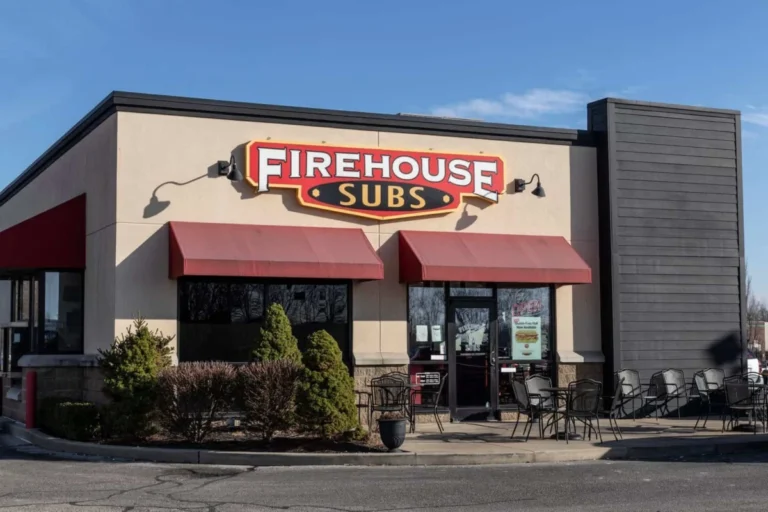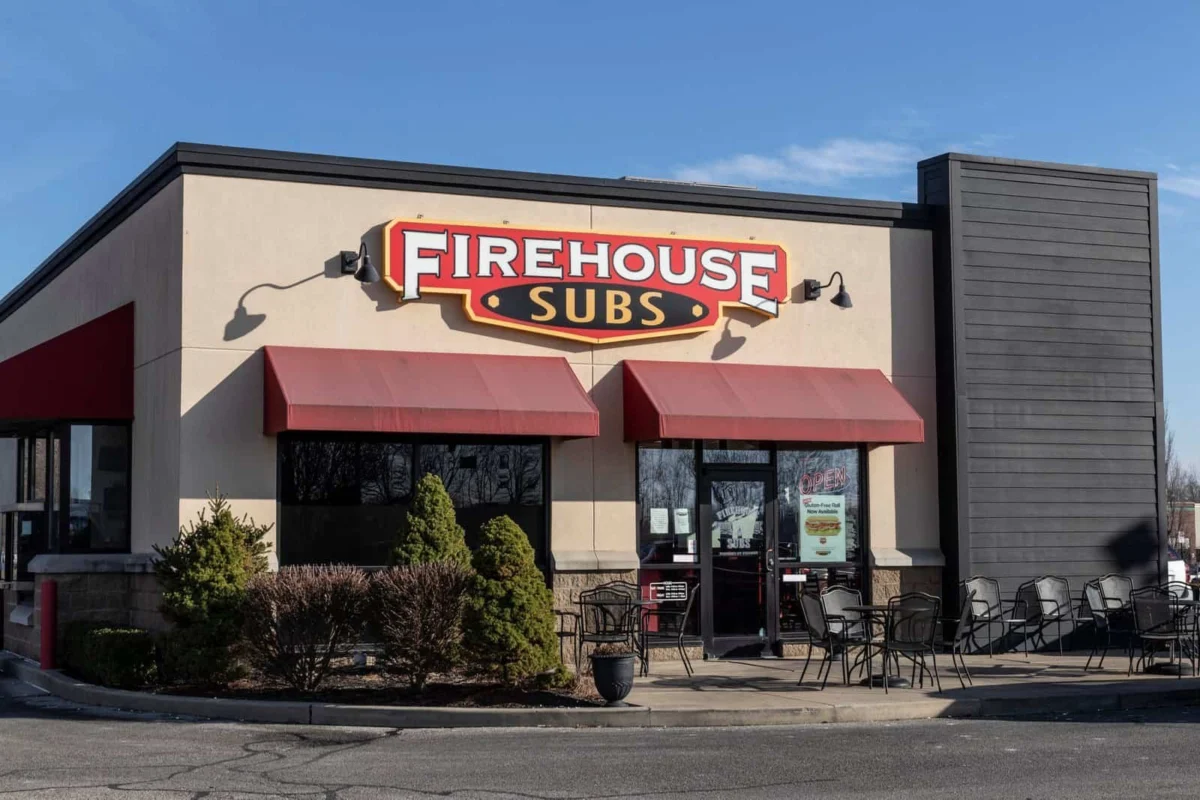
In a move that signals a strategic recalibration for one of the quick-service restaurant (QSR) industry’s most recognizable sub brands, Firehouse Subs has announced the appointment of Carolina Berti as its new Chief Marketing Officer for U.S. and Canadian operations. The hire comes at a pivotal juncture for the Jacksonville-based chain, which is currently navigating a high-stakes transition from a beloved regional player to a major global competitor under the stewardship of Restaurant Brands International (RBI).
Berti, a seasoned executive with a decade of experience within the RBI ecosystem, is tasked with overseeing the brand’s end-to-end marketing, menu development, and guest engagement strategies. Her mandate is clear: to leverage the operational rigor that fueled her success at Tim Hortons to accelerate Firehouse Subs’ growth trajectory in an increasingly crowded and competitive sandwich market.
The Architect of Growth: A Look at Carolina Berti’s Pedigree
Carolina Berti’s transition to Firehouse Subs is not merely a change in scenery; it is a calculated deployment of proven talent. During her ten-year tenure at Tim Hortons—another subsidiary of RBI—Berti served in various senior capacities, most recently as the Vice President of Marketing and Innovation.
Her track record during that period is widely cited as a benchmark for QSR marketing success. Berti was instrumental in orchestrating a period of sustained performance for the coffee-and-bakery giant, overseeing 17 consecutive quarters of sales growth. Beyond the balance sheet, she managed a prolific pipeline of product innovation, successfully shepherding more than 100 distinct menu launches to market.
This background is precisely what RBI leadership believes will translate into success for Firehouse Subs. In the modern QSR landscape, the distinction between "marketing" and "operations" has blurred significantly. To be effective, a CMO must now be a product developer, a data scientist, and a brand strategist simultaneously. Berti’s ability to synthesize these disciplines into a cohesive growth strategy is expected to be the catalyst for Firehouse’s next chapter.
Chronology: From First Responders to Global Expansion
The story of Firehouse Subs is one of steady, organic growth that has suddenly shifted into overdrive.
- 1994: Former firefighters Chris and Robin Sorensen founded the first Firehouse Subs in Jacksonville, Florida. Built on a foundation of "hot subs" and a commitment to public safety, the brand carved out a niche as a high-quality, community-oriented alternative to traditional fast food.
- 2010s: The brand achieved significant national footprint, steadily growing its store count while maintaining a distinct identity focused on premium ingredients and its iconic "Firehouse Subs Public Safety Foundation," which provides equipment and support to first responders.
- 2021: A watershed moment occurred when Restaurant Brands International (RBI)—the parent company of Burger King, Popeyes, and Tim Hortons—acquired Firehouse Subs for $1 billion. This acquisition placed Firehouse into a global powerhouse, providing it with the capital and supply chain infrastructure necessary for rapid scaling.
- 2023–2024: RBI formalized its goal of reaching 40,000 restaurants across all its banners by the end of the decade. Firehouse Subs began aggressive international franchising efforts, including high-profile development agreements in Mexico and Brazil.
- 2024: The appointment of Carolina Berti as CMO marks the current phase of the brand’s evolution: a pivot toward digital-first loyalty, menu innovation, and international market penetration.
Supporting Data: Firehouse Subs in the Competitive Landscape
To understand the scale of the challenge Berti faces, one must look at the numbers. Firehouse Subs currently operates just over 1,200 restaurants. While this represents a successful expansion from its humble Florida beginnings, it remains a "challenger brand" when compared to industry behemoth Subway, which boasts more than 20,000 U.S. locations.
However, the competition is more nuanced than just raw unit count. Firehouse operates in the "fast-casual" or "upscale QSR" segment, placing it in direct competition with heavyweights like Jersey Mike’s and Jimmy John’s. These brands have successfully captured consumer interest by emphasizing fresh-sliced meats, higher-quality bread, and customizable, hot-pressed sandwiches.
The RBI acquisition has provided Firehouse with a significant competitive edge: the ability to participate in a shared, massive-scale corporate engine. By tapping into the resources of a parent company that manages thousands of global locations, Firehouse is able to optimize its supply chain and marketing spend in ways that were previously unavailable to it as a standalone entity.
Official Perspectives: Aligning Vision and Execution
Mike Hancock, the President of Firehouse Subs, has been vocal about the necessity of this leadership change. "Carolina brings a rare combination of creative vision and disciplined business acumen that is essential for writing the next chapter of this brand," Hancock stated.
The emphasis on "business acumen" is a nod to the current reality of the QSR sector. Marketing is no longer just about television spots and brand awareness; it is about driving specific behaviors through loyalty apps, optimizing menu profitability, and navigating the complexities of digital ordering.
For Berti, the transition is a natural progression. Her perspective on brand growth—shaped by the Canadian coffee market—is rooted in the idea that menu innovation is the primary driver of guest frequency. Whether it’s introducing new flavor profiles or iterating on core favorites, Berti’s experience at Tim Hortons provides a blueprint for how to keep a menu "fresh" without alienating the core customer base that built the brand’s initial success.
Strategic Implications: The Future of the CMO Role
The appointment of Berti highlights a broader, industry-wide trend: the professionalization and centralization of the CMO role. In the past, a CMO might have focused primarily on advertising. Today, the role has evolved into a "Chief Growth Officer" hybrid.
The Power of Internal Talent Rotation
One of the most notable aspects of this move is RBI’s strategy of rotating leadership between its brands. By moving an executive from Tim Hortons to Firehouse Subs, RBI is effectively "cross-pollinating" intellectual capital. The "playbooks" used to drive coffee-and-bakery sales in Canada are being adapted for the U.S. sandwich market. This internal mobility creates a cohesive corporate culture and ensures that best practices—whether in digital loyalty or operational efficiency—are shared across the entire portfolio.
The Battlegrounds of Innovation
Berti’s mandate includes a heavy focus on two specific battlegrounds:
- Menu Innovation: In an era of high food costs and labor shortages, the menu must be both craveable and profitable. Berti is expected to streamline Firehouse’s menu to maximize efficiency while introducing limited-time offers (LTOs) that drive social media engagement and foot traffic.
- Loyalty and Digital Engagement: The "loyalty war" is arguably the most intense front in the QSR industry. Brands are competing for space on consumers’ phones, using personalized offers and data-driven rewards to ensure that when a customer wants a sandwich, they go to the Firehouse app first.
Global Scaling
The international development deals—100 units in Mexico and a staggering 500-unit target for Brazil—show that Firehouse is no longer just a U.S.-centric brand. This creates a complex marketing challenge: how to maintain the "hometown firefighter" brand equity while adapting to foreign palates and cultural norms. Berti’s experience in international markets at Tim Hortons will be critical in navigating these cultural nuances.
Conclusion: A High-Stakes Bet on Alignment
As Firehouse Subs moves into this next phase of its life cycle, the appointment of Carolina Berti serves as a signal to both franchisees and competitors. It is an acknowledgment that while the brand’s foundation—built on quality and community—remains strong, the path to 40,000+ units requires a level of sophistication and operational synergy that only a veteran leader can provide.
The challenge for Berti will be to balance the brand’s authentic, service-oriented heritage with the aggressive, data-driven strategies required to compete on a global stage. If she can successfully replicate the growth cycles she established at Tim Hortons, Firehouse Subs may well transition from a "challenger brand" to a dominant force in the global sandwich landscape.
For industry observers, the performance of the Firehouse/RBI partnership over the next 24 months will serve as a masterclass in how to scale a niche concept without losing the soul of the business. With marketing, menu development, and digital strategy now aligned under a single, proven leader, the stage is set for a significant expansion effort. Whether in a local strip mall in Jacksonville or a bustling metropolitan center in Brazil, the "next chapter" for Firehouse Subs promises to be defined by a new level of rigor, innovation, and strategic clarity.
About the Author