The clash between industrial expansion and the preservation of irreplaceable cultural heritage has reached a flashpoint in the American Southwest. The Trump administration’s aggressive "drill, baby, drill" energy policy has set its sights on the periphery of the Chaco Culture National Historical Park, a UNESCO World Heritage site in New Mexico. By moving to dismantle a critical 10-mile buffer zone that currently protects the park from industrial activity, federal regulators have ignited a firestorm of opposition from Indigenous leaders, archaeologists, and international conservation bodies.
The Core Conflict: Chaco at the Crossroads
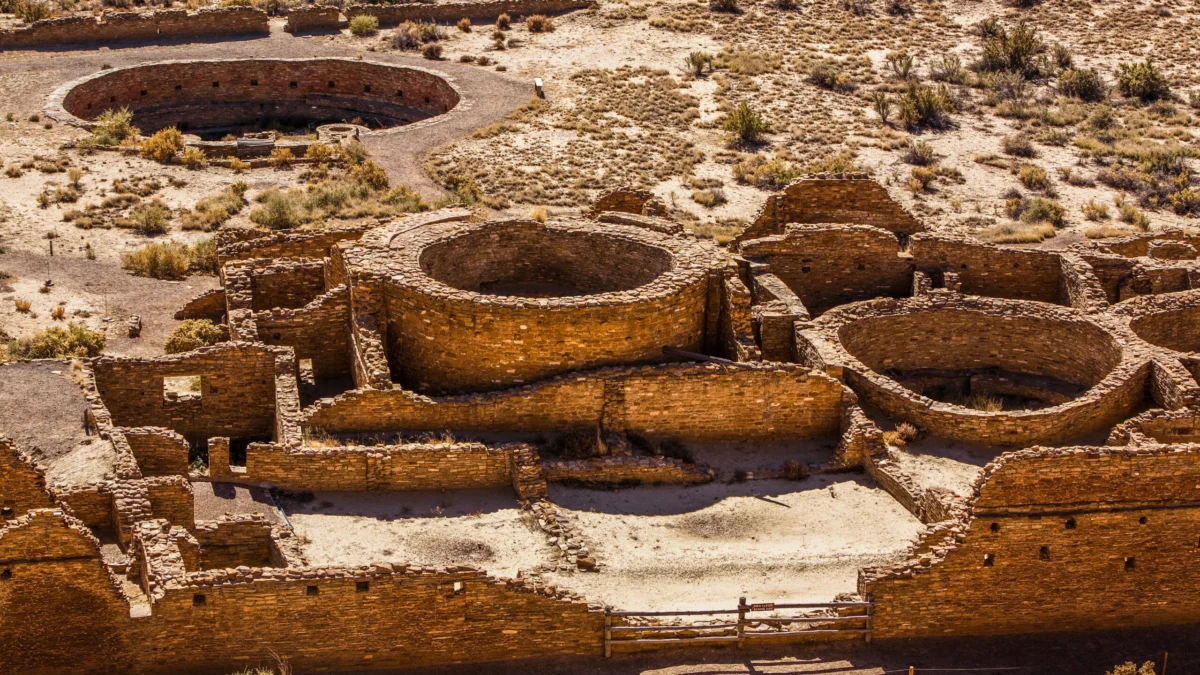
Chaco Canyon is more than a collection of sandstone ruins; it is the spiritual and ancestral heart of the Puebloan peoples. Containing massive, sophisticated architectural complexes that date back over a thousand years, the site offers a window into a society that mastered desert agriculture and celestial navigation.
The Bureau of Land Management (BLM) has formally proposed the eradication of a 10-mile "protection zone" established in 2023. This zone was designed to act as a buffer against the encroaching sprawl of oil, gas, and uranium extraction. Opponents argue that if this shield is removed, the "outstanding universal value" of the park—the very criteria that earned it World Heritage status—will be irrevocably compromised.
Chronology of a Controversy
The tension surrounding Chaco Canyon has been a slow-burning fire that has now accelerated into a full-scale political crisis.
- 2023: Under the stewardship of then-Interior Secretary Deb Haaland, the federal government establishes a 10-mile buffer zone around Chaco Culture National Historical Park, effectively placing 336,400 acres off-limits to new oil and gas leasing.
- Late 2025–Early 2026: As the current administration shifts its energy focus toward total domestic resource extraction, pressure mounts to open federal lands previously designated for conservation.
- June 2026: Reports surface that the BLM is drafting plans to rescind the 2023 buffer zone, citing the need for domestic energy independence.
- July 2026: A truncated, 14-day public comment period concludes, drawing over 100,000 submissions—the vast majority of which are staunchly opposed to the drilling expansion.
- August 2026: UNESCO issues a formal inquiry, signaling that the international community is monitoring the situation and warning that industrialization could jeopardize the site’s protected status.
Supporting Data: The Cost of Extraction
The arguments against drilling in the Greater Chaco region are multifaceted, ranging from environmental health to the preservation of "dark skies."
Environmental and Health Impacts
For the Navajo and Pueblo communities living in the shadow of existing rigs, the experience is already dire. Community leaders report that in areas outside the current buffer, industrial infrastructure sits within 100 feet of residential homes. The consequences include:
- Water Contamination: The potential for fracking chemicals to leach into local aquifers, which are currently pristine within the buffer zone.
- Air Quality: The introduction of "toxic haze" caused by volatile organic compounds (VOCs) and methane leaks, which pose long-term respiratory risks to residents.
- Light Pollution: Chaco is world-renowned for its dark sky preservation. Modern drilling operations involve intense lighting and constant gas flaring, which would destroy the celestial viewing conditions that are central to the park’s historical and educational mission.
Economic Fallacy
Critics of the administration’s plan point to the lack of economic necessity. "Almost all of the federal land around places like Chaco and Carlsbad is already leased for oil and gas drilling," notes Maude Dinan of the National Parks Conservation Association. "The idea that there is an urgent new demand for this is an illusion." Analysts argue that the administration’s focus is ideological rather than market-driven, prioritizing symbolic resource dominance over the long-term stewardship of the nation’s most sacred landscapes.
Official Responses and International Scrutiny
The intervention by UNESCO represents a significant escalation. A spokesperson for the heritage body stated, "The World Heritage Committee has consistently considered extractive activities to be incompatible with World Heritage status."
The committee’s position is clear: any project proposed in the vicinity of a World Heritage site must undergo rigorous impact assessments to ensure it does not adversely affect the site’s "outstanding universal value." UNESCO is currently awaiting a formal response from the US federal government.
Conversely, the administration has remained largely silent. Requests for comment sent to the Department of the Interior and the National Park Service have gone unanswered. However, the president’s public rhetoric—championing the "liquid gold" under American feet—suggests an administration that views federal land management as a tool for economic growth rather than a mandate for preservation.
Broader Implications: A National Pattern
The threat to Chaco is not an isolated incident; it is part of a systemic rollback of environmental and cultural protections across the United States.
The "Danger" List Precedent
The Everglades in Florida already carries the designation of being "in danger" due to industrial development and pollution. Conservationists fear that Chaco, along with other sites like Carlsbad Caverns—where leasing for drilling near fragile cave systems is already underway—could be the next to face this ignominious classification.
The Shrinking of Monuments
The pattern is consistent with the administration’s recent decisions to shrink protected areas in Utah (Bears Ears and Grand Staircase-Escalante) and the dismantling of rules protecting untouched old-growth forests. This suggests a "line in the sand" has been crossed, where the intrinsic value of a site—whether ecological, historical, or cultural—no longer serves as a barrier to exploitation.
The Indigenous Perspective
For tribal leaders like Daniel Tso, the issue is one of sovereignty and sanctity. The land surrounding Chaco is not merely "public land" to be auctioned; it is a repository of indigenous history that remains a living, breathing component of modern tribal life. The disregard shown to landholders and the environment by current leasing practices is seen by many as a continuation of historical cycles of dispossession.
Conclusion: The Price of Progress
As the deadline for a final decision on the Chaco buffer zone approaches, the nation faces a profound choice. The current trajectory favors short-term energy yields at the expense of long-term cultural preservation. While the administration frames its policy as a path to national wealth, opponents maintain that some assets—like the star-filled skies and ancient dwellings of Chaco—are fundamentally priceless.
If the buffer zone is indeed removed, the "irreversible damage" warned of by former Secretary Haaland may become the defining legacy of this era’s land management. The eyes of the international community are now fixed on New Mexico, waiting to see if the United States will honor its commitment to the global heritage of humanity or if it will choose to turn its most sacred spaces into industrial zones.
The question remains: When every acre of "liquid gold" has been extracted, what will remain of the landscape that once anchored a civilization? For now, the silence from the Department of the Interior speaks volumes, leaving the future of Chaco Canyon hanging in a fragile, uncertain balance.
About the Author