By [Your Name/Journalistic Staff]
August 24, 2024
In the quiet corners of industrial design, utility often intersects with aesthetics to create objects that transcend their function. However, few tools carry the weight of both precision and patriotism quite like the recent series of tape measures crafted by Kyiv-based industrial designer Vitaly Fedorchuk. These objects, which blur the line between professional measurement tool and high-end objet d’art, are not merely products of craftsmanship; they are tangible conduits for humanitarian and military aid.
As the conflict in Ukraine persists, the design community has increasingly sought ways to contribute to the war effort. Fedorchuk’s initiative stands out not for its scale—it is a modest, artisan-driven project—but for its intentionality. By transforming raw materials into numbered, limited-edition tools, Fedorchuk has created a sustainable model for micro-fundraising that resonates with makers, designers, and collectors worldwide.
Main Facts: The Intersection of Utility and Activism
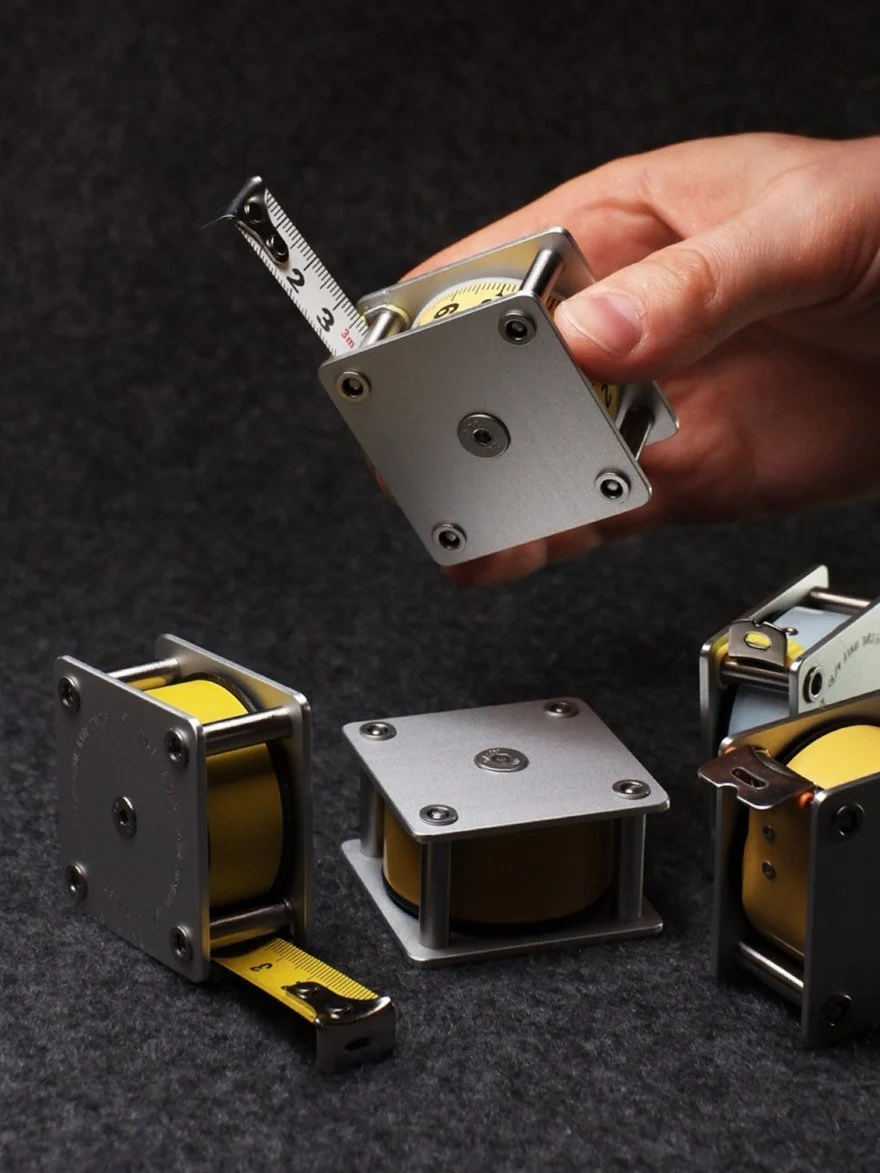
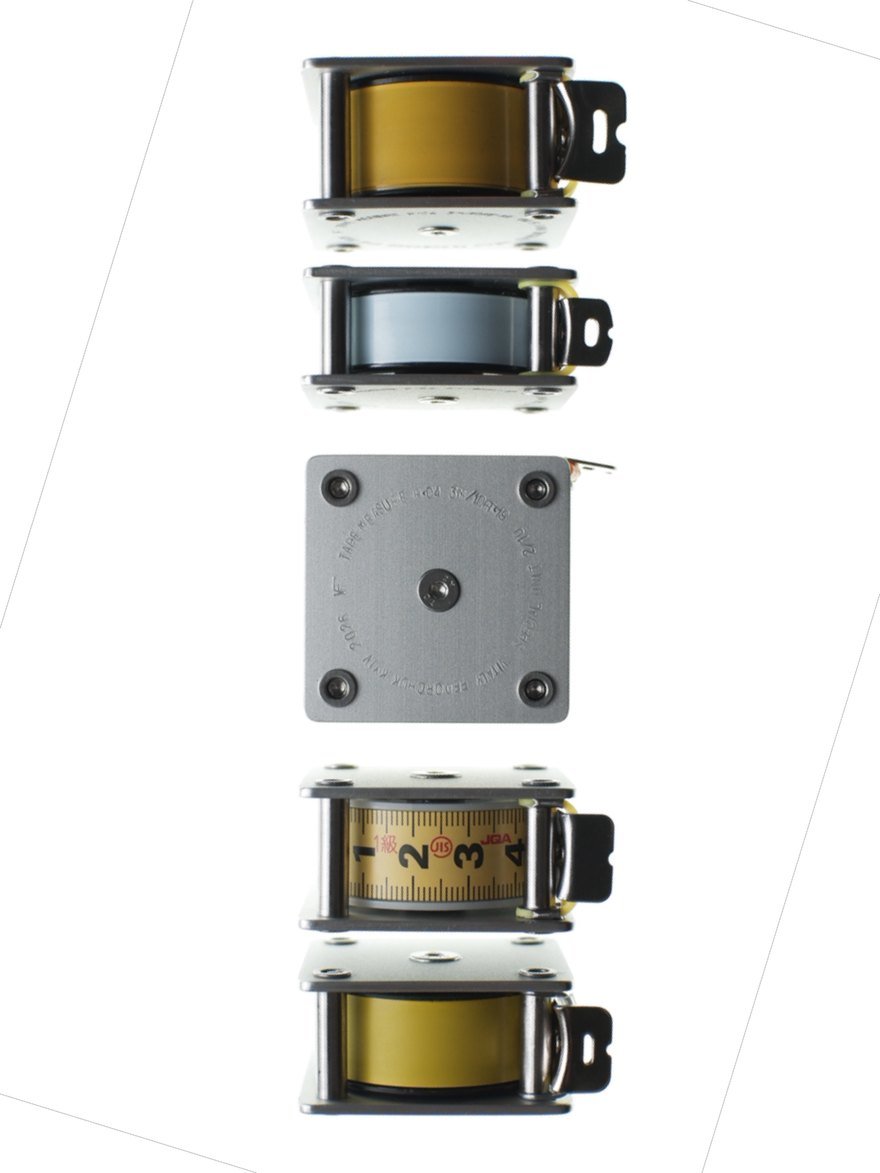
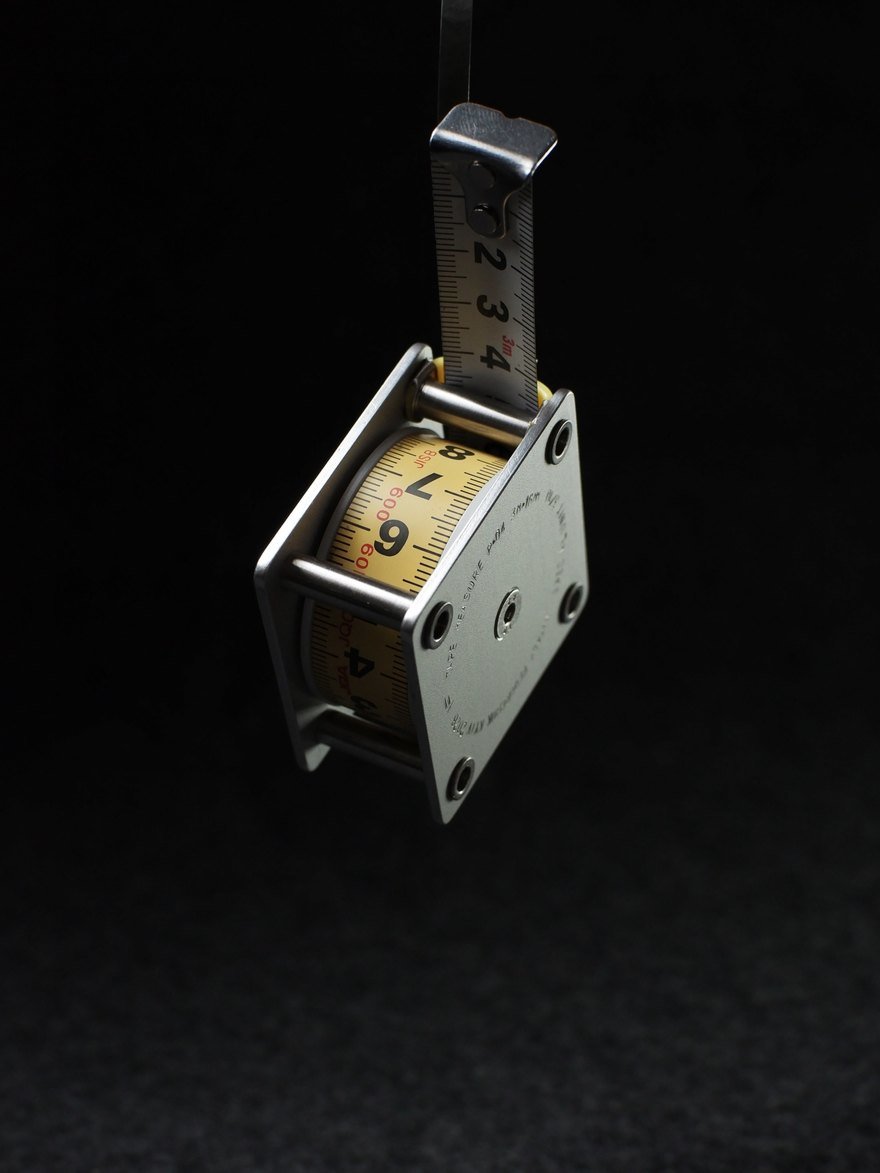
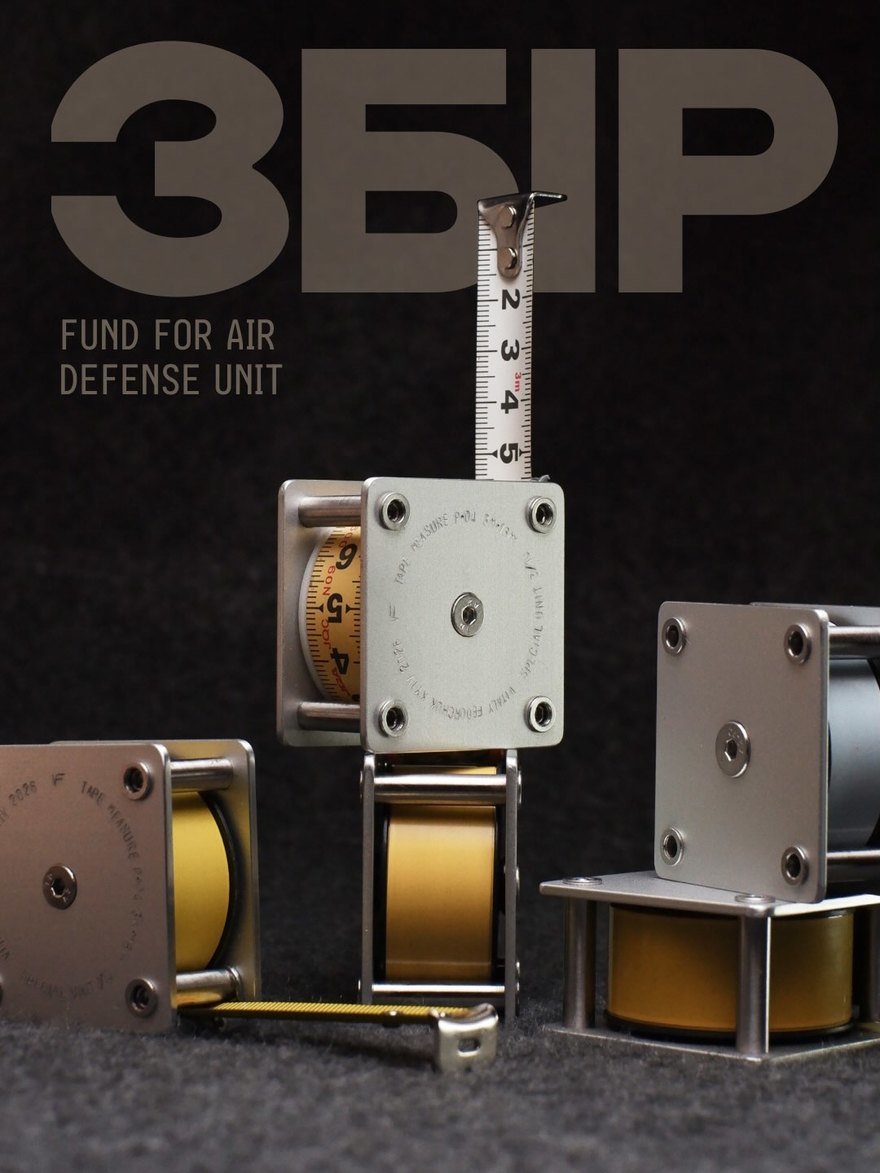
Vitaly Fedorchuk, an industrial designer known for his minimalist sensibilities and deep understanding of material properties, has launched a unique project that marries high-end fabrication with a critical cause. Each tape measure in the collection is individually handmade, utilizing high-grade aluminum and stainless steel.
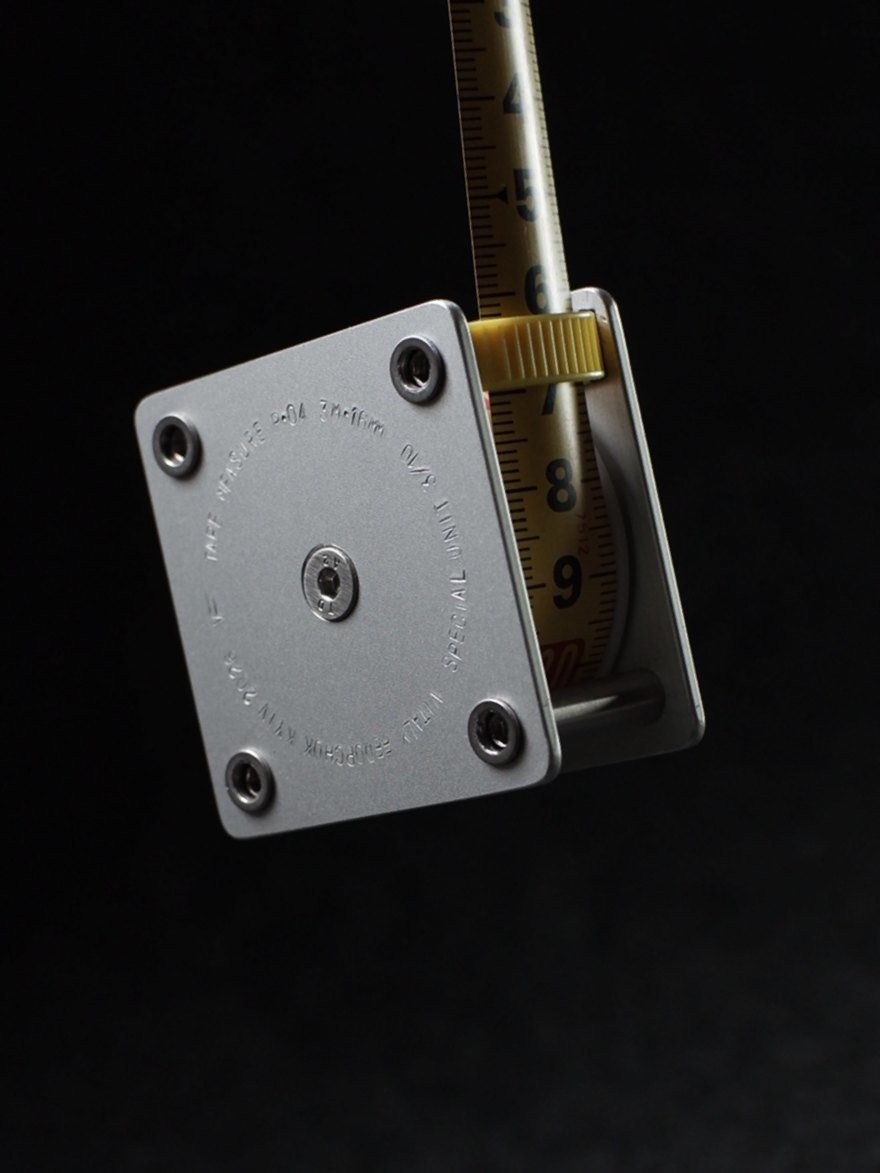
The design is starkly modern, reflecting an aesthetic that values structural integrity and tactile feedback. Unlike mass-produced plastic variants, these tools feel deliberate in the hand, serving as a reminder of the precision required both in design and in the defense of a nation. Each piece is serialized with a unique number, creating a sense of provenance and exclusivity that has turned these functional items into highly sought-after collectibles.
The core motivation behind this endeavor is entirely altruistic. Every cent generated from the sale of these tape measures is funneled directly into supporting the Ukrainian defense efforts. Specifically, Fedorchuk has pledged the proceeds to the military unit where a close friend currently serves—a unit tasked with the critical mission of protecting the skies over Ukraine.
Chronology: From Concept to Community Impact
The evolution of Fedorchuk’s tape measure project follows a timeline deeply intertwined with the ongoing challenges faced by his home city of Kyiv.
The Genesis (Early 2024): As the conflict evolved, the need for specialized equipment and support for frontline units became increasingly apparent. Fedorchuk began experimenting with the idea of a tool that could serve a dual purpose: providing high-quality utility for craftsmen while acting as a fundraising vehicle.
The Prototyping Phase: Utilizing his workshop in Kyiv, Fedorchuk moved through several iterations. The challenge was to balance the weight of the metals—aluminum for lightness and stainless steel for durability—while ensuring the retraction mechanism remained smooth and accurate. By mid-year, the final design was locked in.
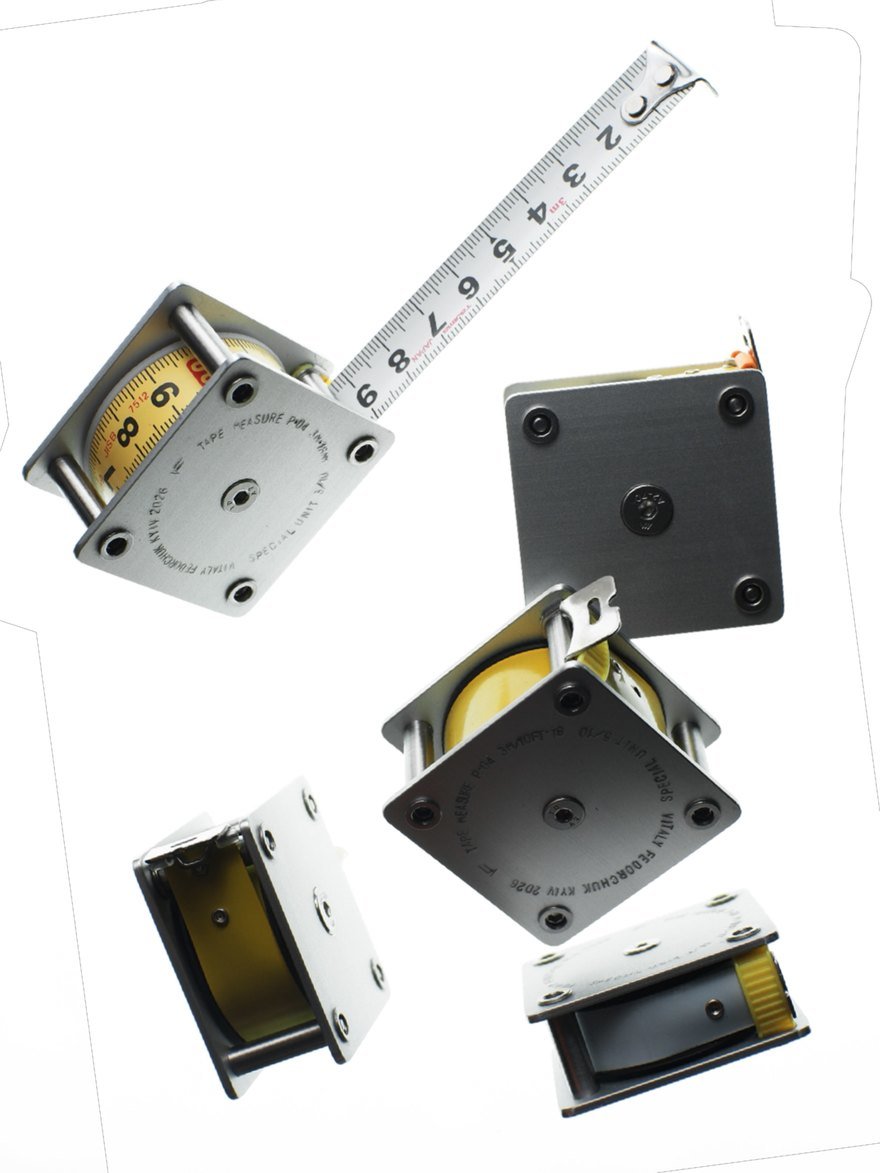
The Public Launch: Fedorchuk introduced the project via his social media channels, specifically Instagram. The response was immediate. The design community, already sensitive to the plight of Ukrainian artists, reacted with fervor. The first batch, though limited, sold out almost instantly.
The Current State: As of August 2024, the most recent batch of these handmade tools has been entirely claimed by supporters. Fedorchuk continues to operate in a high-pressure environment, managing production while navigating the complexities of life in a city under persistent threat.
Supporting Data: Materiality and Craft
To understand why these objects have captured the attention of the design world, one must examine the specifications of the product. The tape measure is an archetypal tool; it is the cornerstone of any workshop. Fedorchuk’s choice to elevate this specific item is symbolic.
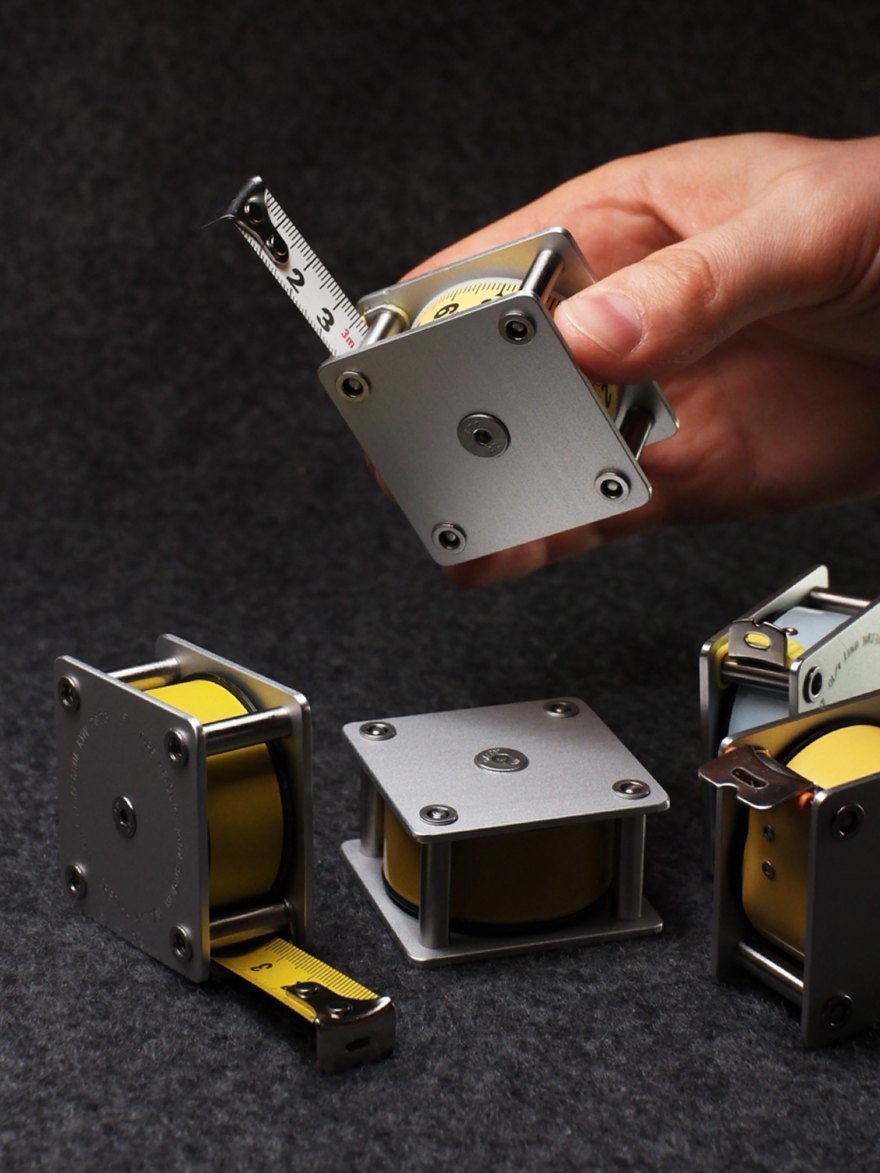
- Materials: The use of aluminum provides a lightweight, corrosion-resistant chassis, while stainless steel is employed for the critical components, such as the internal springs and the blade housing. These are materials designed to last a lifetime, contrasting sharply with the "disposable" culture of modern hardware.
- The "Numbered" Strategy: By numbering each piece, Fedorchuk taps into the collector’s market. This transforms a commodity into an artifact. Each number represents a specific contribution to the defense of Ukraine, creating a personal link between the donor and the recipient of the funds.
- Production Constraints: Due to the manual labor involved in turning, milling, and assembling these units, production is inherently limited. This scarcity has inadvertently created a secondary market of demand, as those who missed out on the first rounds are now waiting for the next production cycle.
Official Responses and the Design Community’s Role
While there is no "official" government endorsement of this specific commercial initiative, the broader design community in Ukraine and abroad has championed such efforts as vital to maintaining morale and logistical support.
Professional design outlets like Core77 have highlighted Fedorchuk’s work, positioning it within a long tradition of "design as protest." This is not the first time designers have used their skill sets to aid war efforts—dating back to the posters of the World Wars or the repurposed factories of the mid-20th century—but Fedorchuk’s approach is uniquely 21st-century. It relies on the decentralized nature of the internet and the global reach of social media to bypass traditional supply chains and NGO bureaucracy.
In his own words, shared via his social platforms, Fedorchuk maintains a humble stance. He does not position himself as a manufacturer, but as a facilitator of aid. The narrative is clear: "My friend is protecting our skies; I am protecting his supply chain." This direct, person-to-person connection is what separates this initiative from larger, more impersonal donation drives.
Implications: The Future of "Designer-Led" Philanthropy
The success of Fedorchuk’s project carries significant implications for the role of the designer in geopolitical crises.
1. The Democratization of Aid
Fedorchuk has demonstrated that one does not need to be a large corporation or an international foundation to make a tangible impact. By leveraging existing skills and production capabilities, individual designers can create niche products that appeal to a specific demographic—in this case, other designers and makers—to raise funds efficiently.
2. The Value of the "Slow" Object
In an era of mass-produced, low-quality goods, there is an inherent value in the "slow" object. The fact that these tape measures are handmade, imperfect, and labor-intensive actually increases their perceived value. Supporters are not just buying a tape measure; they are buying a story of resilience.
3. Sustainability Under Duress
One of the most profound implications is the sustainability of the business model. Fedorchuk is producing these items in Kyiv, a city that faces frequent power outages and supply chain disruptions. The fact that he can continue to deliver high-quality industrial goods under such conditions is a testament to the adaptability of the human spirit. It sends a message to the world that Ukraine’s creative industry is not just surviving—it is innovating.
Conclusion: Measuring More Than Distance
When one pulls the tape from a Vitaly Fedorchuk measure, they are using a tool that is calibrated not just to millimeters or inches, but to the reality of a nation’s struggle for sovereignty. It is a tool that measures distance, yes, but also the distance traveled by a project from a small workshop in Kyiv to the global stage.
As the batches continue to sell out, the project stands as a quiet but firm testament to the power of design. It reminds us that in the face of overwhelming geopolitical adversity, the act of making—of creating something beautiful, precise, and useful—is a radical act of hope.
For those interested in following future drops or supporting the initiative, Fedorchuk’s Instagram serves as the primary hub for updates. While the current stock is exhausted, the demand suggests that the project will continue to grow, proving that even in the darkest times, the precision of a well-made tool can help build a path toward a better future.
The story of these tape measures is, ultimately, the story of Ukraine itself: handmade, resilient, and built to withstand the pressure of the world. As we look toward the future of independent design, we may find that the most impactful projects are not those designed for the mass market, but those designed for the human heart.
About the Author