In the landscape of modern parenting, the bedtime routine is often framed as a logistical hurdle—a final, often exhausting race against a toddler’s waning energy. However, a groundbreaking collaboration between the Artsana Group (the parent company of Chicco) and students from La Sapienza University of Rome has reimagined these final five minutes of the day. The result is the "You&Me Star," a night light that transcends mere utility to become a sophisticated tool for emotional regulation and bonding.
By synthesizing prenatal auditory research with the biology of circadian rhythms, this project marks a significant intersection where academic design theory meets the realities of mass-market manufacturing.
The Core Concept: Engineering the Last Five Minutes
The You&Me Star is not simply a source of illumination; it is a multi-sensory companion designed to facilitate the transition from the high-stimulation environment of the day to the calm of sleep. The device utilizes a combination of soft-glow light, gentle acoustics, and tactile feedback to create a "bridge" between the security of the womb and the independence of early childhood.
The project originated in the Final Synthesis Course in Product Design at La Sapienza, led by Professor Sabrina Lucibello. The pedagogical goal was to push students beyond theoretical sketches, forcing them to grapple with the constraints of industrial production, safety standards, and market viability. For the students involved—Luca Montanaro, Fabio Mattei, Leonardo Marongiu, and Paolo Maurizi—the challenge was to solve the "bedtime struggle" by answering two fundamental questions: What sensory triggers provide the greatest sense of safety, and how can design facilitate an emotional connection between parent and child?
Chronology: From Academic Inquiry to Consumer Reality
Phase 1: The Research Foundation
The development process began with a deep dive into developmental psychology. The students investigated two primary threads: auditory memory and light-based physiological responses.
Research suggests that fetuses possess a degree of auditory memory, responding to external sounds and rhythmic melodies while in utero. By identifying melodies that could accompany a child from the prenatal period into their first months of life, the team sought to create a "familiarity anchor." When a child hears these specific, consistent sounds at bedtime, they are primed to enter a state of neurological safety.
Phase 2: Biological Lighting
Simultaneously, the team examined the science of circadian rhythms. The proliferation of blue-light-emitting devices in modern homes often interferes with melatonin production—the hormone essential for sleep. The students turned to the longer wavelengths of red light, which are scientifically documented to be less disruptive to the brain’s sleep-wake cycle. By integrating a warm, red-hued light, the You&Me Star acts as a biological cue for the brain to begin "winding down" rather than "waking up."
Phase 3: Prototyping and Form
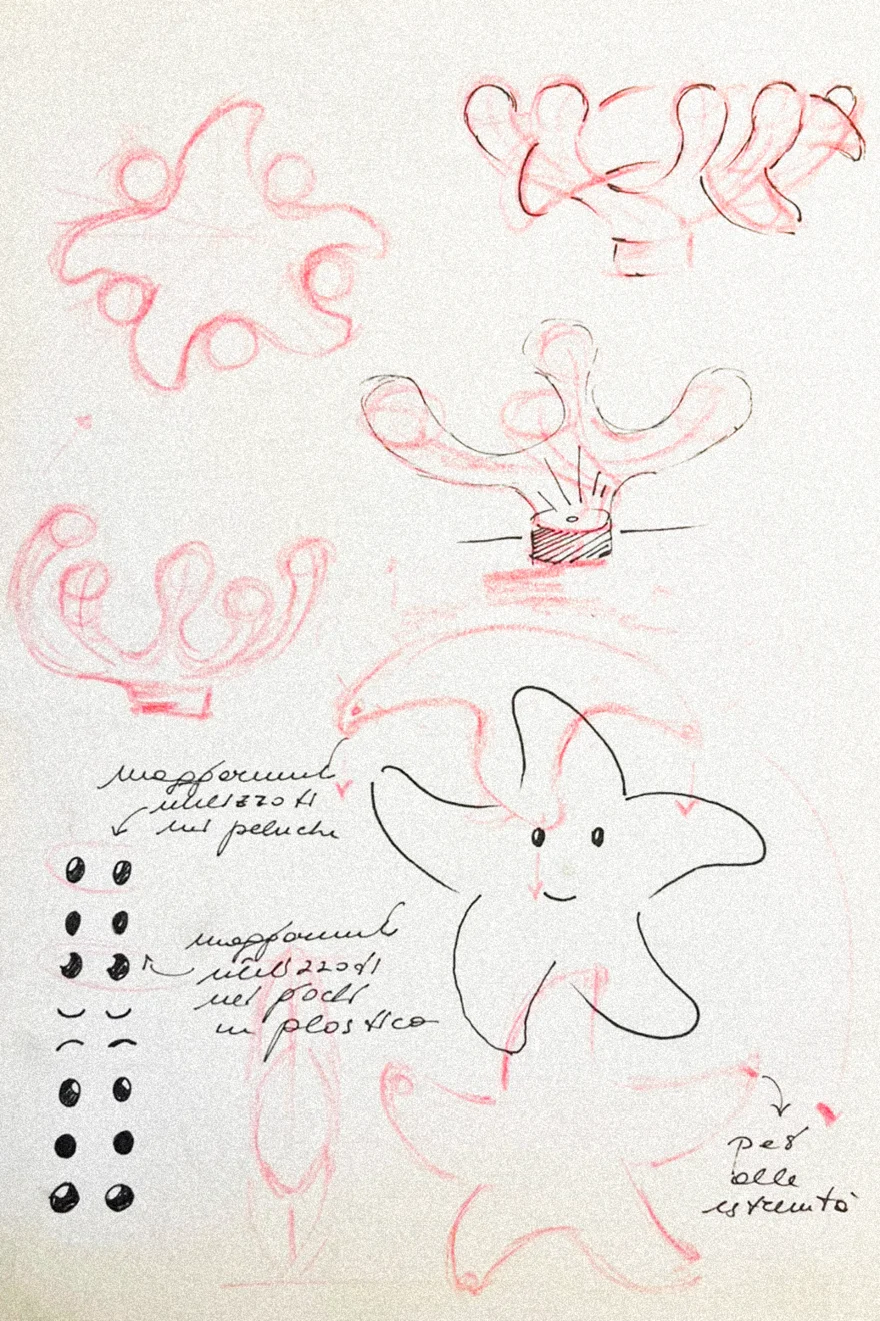
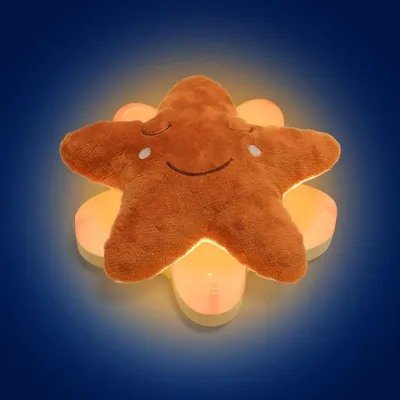
The design phase moved from the abstract to the tactile. The team sought a form that felt organic and welcoming. Drawing inspiration from marine life, they settled on the "starfish" motif. The final product is a two-part design:
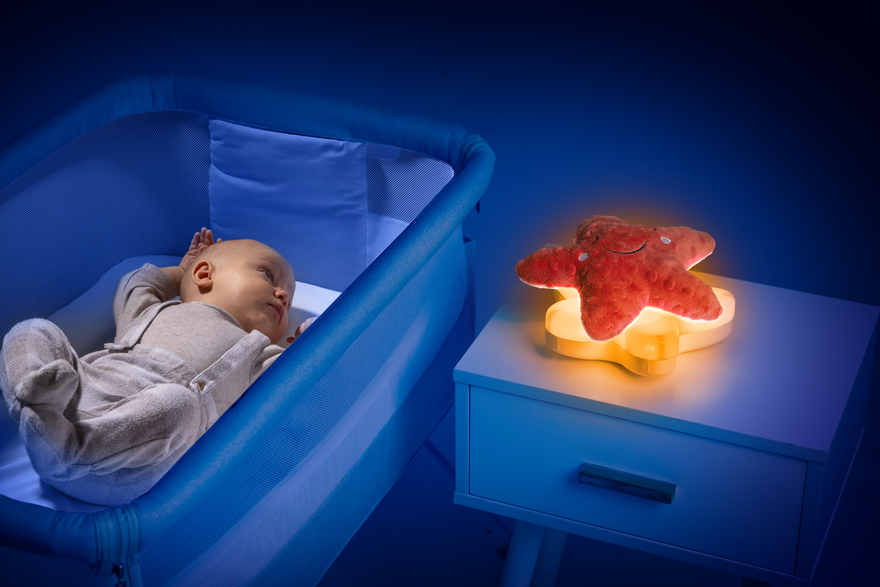
- The Base: A rigid, sculptural starfish that cradles the device, serving as the stationary light source.
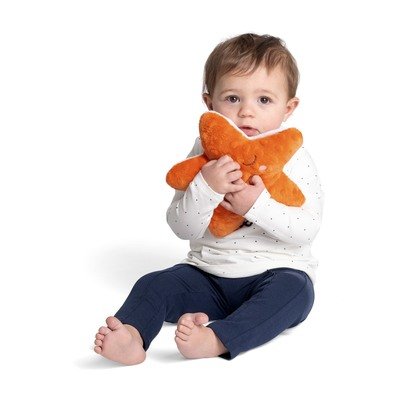
- The Toy: A soft, tactile starfish that sits atop the base. This element is portable, allowing the child to hold it, touch its textures, and take comfort in its physical presence.
The physical interplay between the hard base and soft toy was intended to represent a "handshake"—a visual metaphor for the connection, love, and protection shared between parent and child.
Supporting Data: The Science of Comfort
The efficacy of the You&Me Star rests on three scientific pillars:
- Auditory Priming: Prenatal perception research indicates that fetuses develop preferences for sounds heard consistently during the third trimester. By utilizing rhythmic, melodic sequences, the device leverages this "auditory bridge," reducing the anxiety associated with the separation of sleep.
- Circadian Modulation: The device’s specific light spectrum is engineered to avoid the "alertness spike" associated with cool-toned LED lighting. By focusing on the red end of the visible spectrum, the device minimizes retinal stimulation, facilitating the natural onset of sleepiness.
- Haptic Comfort: Material science in baby gear has long recognized the importance of tactile stimulation. The soft, forgiving material of the portable starfish is specifically selected to mimic the comforting textures infants seek out in blankets and plush toys, acting as a "transitional object" that provides security in the absence of a caregiver.
Official Perspectives: Bridging Academia and Industry
The collaboration between La Sapienza and the Artsana Group is a rare example of a "cradle-to-market" academic project. In a typical industrial design curriculum, student work often remains in the concept stage. However, the rigor applied by Professor Lucibello’s team ensured that the research could withstand the technical scrutiny required for mass production.
"This is what it looks like when design education and industry meet in the middle," notes the project lead. "Students get the rare chance to carry research and raw creative thinking all the way through to something that ends up in a child’s hands."
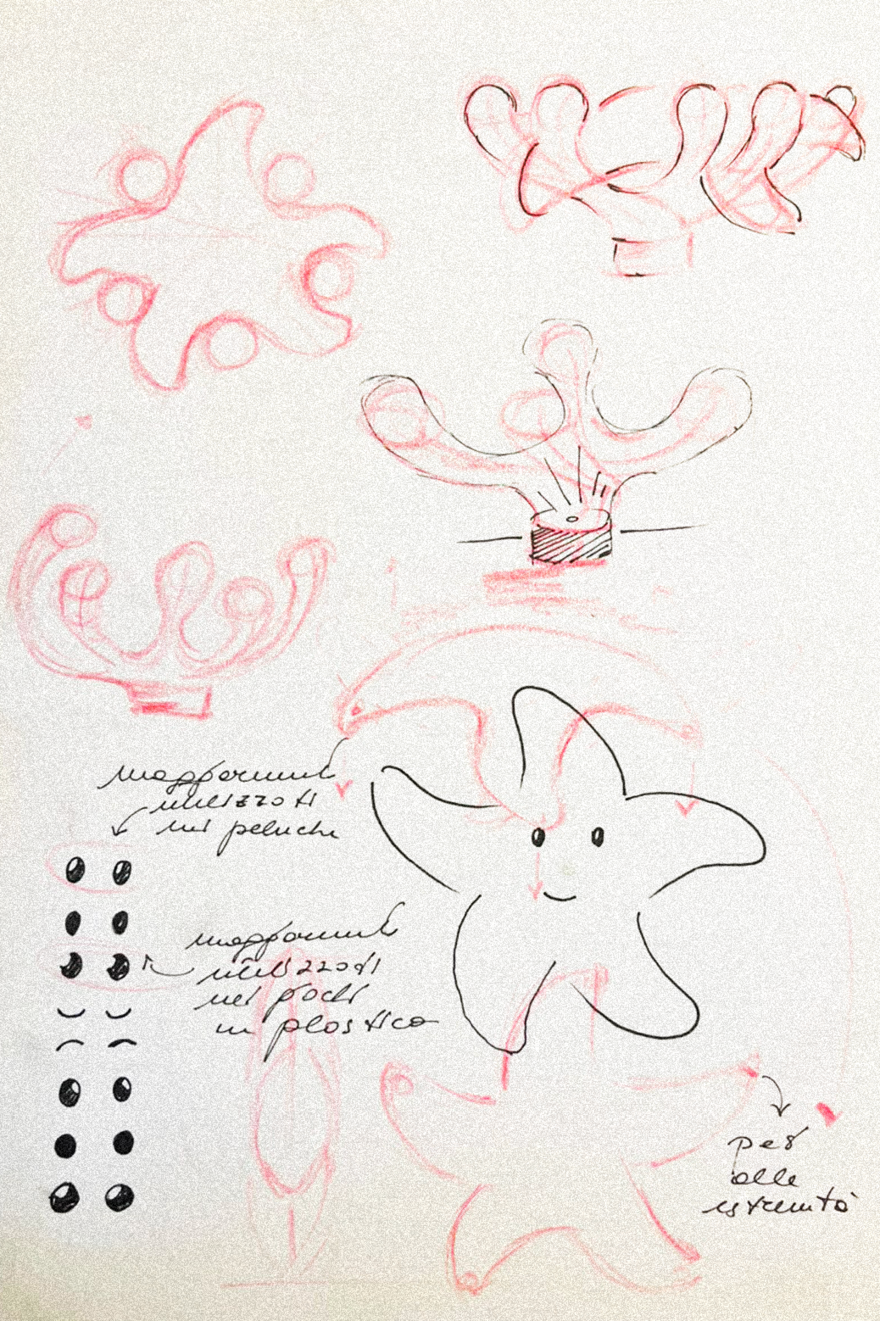
By involving students in the industrial process, the Artsana Group not only secured a unique product design but also invested in a methodology that prioritizes psychological and biological data over purely aesthetic trends. This synthesis has resulted in a product that feels less like a gadget and more like a carefully considered companion for the nightly routine.
Implications: The Future of "Emotional Design"
The You&Me Star represents a growing trend in product design known as "Emotional Design." In this framework, the functionality of an object is secondary to its role as an "emotional mediator."
The Shift Toward Intentional Parenting
As families navigate an increasingly digitized world, there is a renewed demand for tools that foster physical and emotional connection. The You&Me Star does not replace the parent’s presence; rather, it facilitates it. By turning the act of switching on a light into a ritual, the device provides a consistent, predictable environment that mitigates the power struggles often associated with bedtime.
Scalability and Design Education
The success of this partnership serves as a blueprint for future collaborations between universities and manufacturers. When academic institutions are tasked with solving real-world problems—rather than just theoretical ones—the resulting output is often more innovative and socially conscious. The implications extend beyond childcare; similar methodologies could be applied to products for the elderly, healthcare facilities, or high-stress workspaces where emotional regulation is a critical factor.
A New Standard for Nightlights
Moving forward, the bar for nursery technology has been raised. Consumers are no longer satisfied with simple functionality. The "You&Me Star" proves that if a device can incorporate evidence-based research regarding human biology and memory, it can move from being an accessory to an essential element of a child’s development.
Conclusion: A Small Object with a Large Goal
The You&Me Star is a poignant reminder that design is at its best when it solves for the human condition. It takes one of the most ordinary, repetitive moments of the day—going to sleep—and infuses it with intentionality.
By grounding the product in prenatal auditory memory, circadian biology, and tactile comfort, the students and researchers involved have successfully created more than just a lamp. They have created a vessel for connection. In a world that is constantly moving, the You&Me Star offers a small, steady light that invites both parent and child to slow down, connect, and rest. It is a testament to the power of design to not just change how we live, but how we feel about the most fundamental parts of our lives.
About the Author