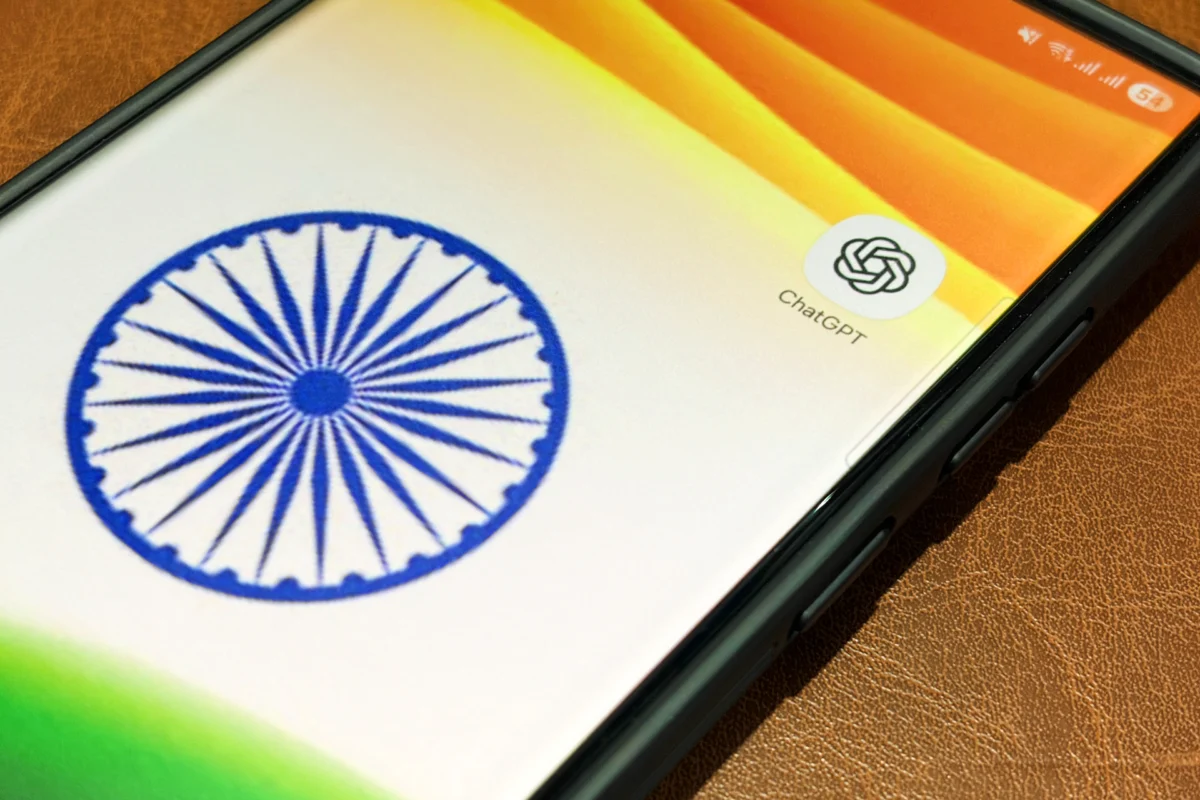
It appears there is no escaping the gravity of the advertising industry, even in the rarefied air of advanced generative artificial intelligence. OpenAI, the architect of the modern AI boom, officially confirmed on Thursday that it is introducing advertisements to its ChatGPT platform in India. This strategic shift will affect users on the "Free" and "Go" subscription tiers, marking a significant evolution in the company’s business model as it seeks to stabilize and diversify its revenue streams in one of its most critical international markets.
The transition follows a recent update to the company’s terms of service, which signaled to users that their interactions with the AI assistant might soon be accompanied by sponsored content. For millions of Indian users—who have embraced ChatGPT with unprecedented fervor—this shift represents the inevitable transition from a growth-at-all-costs product model to a sustainable, ad-reliant commercial platform.
A Strategic Pivot in a High-Growth Market
India has become a cornerstone of OpenAI’s global operations. In February, the company revealed that it maintains over 100 million weekly active users in the country. A vast majority of this demographic relies on the Free and the lower-priced "ChatGPT Go" tiers, making them the primary audience for this new advertising experiment.
By targeting these specific tiers, OpenAI is effectively monetizing the "long tail" of its user base. While premium users on "Plus" or "Pro" plans pay for an ad-free, high-performance experience, the company is now turning its massive free-tier footprint into a powerful advertising network.
The Mechanism of Monetization
OpenAI is not entering this space blindly. The company announced that it will debut with 50 launch partners. To facilitate this, they have secured partnerships with global advertising giants WPP and Omnicom, ensuring that the transition into the Indian market is handled with the precision of established media buying strategies.
Starting next month, OpenAI will launch an "Ad Manager" platform. This tool will democratize access to the platform for businesses of all sizes, allowing marketers to craft and deploy campaigns directly. The entry barrier is intentionally low, with a daily minimum budget set at ₹725 (approximately $7.60), signaling an intent to capture everything from local small-to-medium enterprises (SMEs) to national conglomerates.
Chronology: Building the Indian Infrastructure
The move to integrate ads into the Indian experience is not an isolated incident; it is the culmination of a multi-year strategy to embed ChatGPT into the fabric of Indian digital life.
- August 2025: OpenAI launched the "ChatGPT Go" plan in India, priced at under $5 per month, aimed at capturing a price-sensitive market that still demanded higher performance than the free tier provided.
- October 2025: In a bold maneuver to secure market dominance, OpenAI offered the "Go" tier for free for an entire year to all users in India, effectively neutralizing local competition and creating a massive, loyal user base.
- Sports Marketing Blitz: OpenAI heavily leveraged the popularity of Indian cricket, advertising its products during the Women’s Premier League (WPL) and the Indian Premier League (IPL). This mass-market exposure helped transition ChatGPT from a tech-enthusiast tool to a household name.
- June 2026: The company appointed a high-profile veteran—the former India head of Uber—to lead its regional expansion, signaling that the "experimental" phase of its Indian operations was over and the "revenue-generation" phase had begun.
- February 2026 to Present: Having successfully tested ad integration in the United States and expanded it across Europe earlier this month, the India rollout represents the final piece of the global puzzle for the current fiscal cycle.
Supporting Data: The Pressure to Scale
The urgency behind these changes is rooted in the harsh realities of the balance sheet. As OpenAI prepares for a potential Initial Public Offering (IPO)—widely expected within the next 12 to 18 months—the company is under intense pressure to demonstrate sustainable growth.
According to data reported by The Wall Street Journal, OpenAI recorded revenue of $6.7 billion in the second quarter ending June 2026. While this is an increase from the $5.7 billion recorded in the previous quarter, analysts have noted that the growth is somewhat tepid compared to aggressive competitors like Anthropic.
The goal is clear: reach 220 million paying subscribers by 2030. However, with the current count of paying users hovering around 35 million, the gap between the status quo and the long-term vision is massive. Advertising provides a bridge to that future, turning non-paying users into revenue-generating assets.
Official Responses and Corporate Philosophy
OpenAI has framed the introduction of ads as a value-add for both businesses and consumers, rather than a degradation of the user experience.
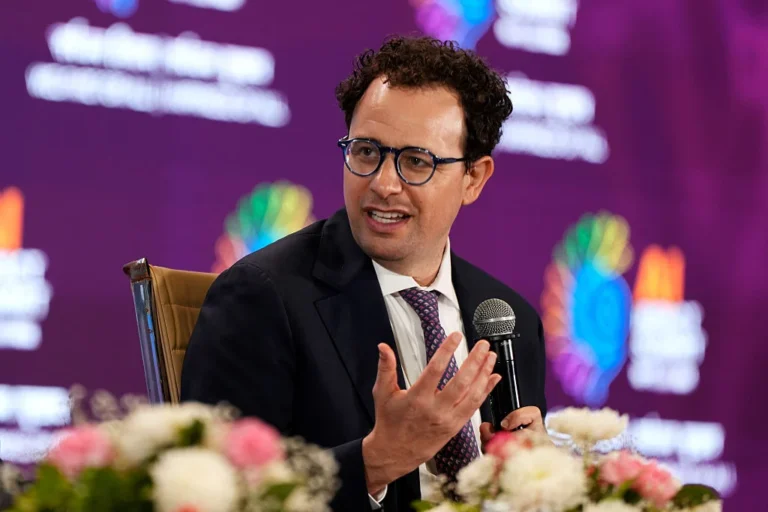
"With ChatGPT Ads, businesses of every size can introduce themselves at relevant, high-context moments when decisions are beginning to take shape," said Dave Dugan, head of global ads solutions at OpenAI.
This framing highlights the company’s unique selling proposition: unlike traditional search engine ads or social media banner ads, ChatGPT ads are contextually aware. Because the AI understands the intent behind a user’s query—whether they are researching a purchase, planning a trip, or drafting a professional document—the advertisements can be hyper-targeted to the user’s immediate needs. For a brand, being mentioned at the precise moment a user is "forming a decision" is significantly more valuable than a passive advertisement seen on a feed.
The Implications: What This Means for the Future of AI
The implications of this move are far-reaching, touching on user privacy, the evolution of the attention economy, and the future of the internet itself.
1. The Death of the "Pure" AI Experience
For the past two years, the promise of generative AI was a clean, minimalist interface—a stark contrast to the cluttered, ad-heavy environments of Google Search or Facebook. By introducing ads, OpenAI is signaling that the era of "utility-only" AI is coming to an end. Users will now have to weigh the convenience of the AI against the subtle nudges of marketing content.
2. A New Paradigm for Advertising
If successful, OpenAI’s ad platform could redefine digital advertising. Traditional ads are static; AI-driven ads can be interactive. Imagine a scenario where a user asks for "the best budget laptops in India." Instead of just getting a list, the AI might suggest a specific brand based on an ad campaign, answer follow-up questions about that specific laptop, and provide a link to purchase. This creates a "conversational commerce" funnel that is much more effective than current models.
3. The IPO Mandate
The decision to prioritize revenue in India suggests that the pressure from investors to show a clear path to profitability is the primary driver of corporate strategy. As the company moves toward an IPO, it cannot rely solely on the capital-intensive "Plus" subscription model. By layering advertising revenue on top of subscription revenue, OpenAI is building a dual-engine financial structure that is far more attractive to public market investors.
4. Privacy Concerns and User Trust
The biggest challenge for OpenAI will be maintaining user trust. If the AI begins to prioritize brands that pay for placement over the most accurate or neutral information, the integrity of the tool could be compromised. OpenAI must navigate the delicate balance of showing relevant ads without "hallucinating" or manipulating answers to favor advertisers. The company has yet to detail how it will distinguish between sponsored suggestions and organic responses, a point of contention that will likely be scrutinized by regulators and privacy advocates in the coming months.
Conclusion
The introduction of ads in India is more than just a new revenue stream; it is a fundamental shift in how the world’s most powerful AI lab interacts with its users. By transforming the conversation between human and machine into a marketplace, OpenAI is betting that the utility of its technology is high enough that users will tolerate, or perhaps even welcome, the inclusion of sponsored content.
As the company marches toward a likely IPO, the success of this initiative in India will serve as a bellwether for its global operations. For now, the millions of users in India are the front-line testers of this new digital economy, where the question is no longer just "What do you want to know?" but "What do you want to buy?"
About the Author