By [Your Name/Journalistic Desk]
As the lights flicker back on across Gary, Indiana, the mood among residents is far from celebratory. For thousands, the restoration of power marks the end of a harrowing, weeks-long ordeal that left the city’s most vulnerable to swelter in extreme heat, navigate hazardous, tree-blocked streets, and rely on the charity of local churches to survive.
While the Northern Indiana Public Service Company (NIPSCO) reports that fewer than 2,500 customers remained without power as of Tuesday morning, the statistics do little to soothe the anger permeating the community. Gary currently accounts for over 70 percent of the remaining outages in the entire county, a disparity that has fueled allegations of systemic neglect and environmental injustice. The crisis has transcended a mere utility failure, evolving into a high-stakes battle involving the Governor’s office, national religious organizations, and a burgeoning class-action lawsuit.
The Anatomy of a Man-Made Crisis: Main Facts
The crisis began when a powerful storm tore through Northwest Indiana, leaving approximately 370,000 customers across the region in the dark. While utility companies often cite "acts of God" in the wake of severe weather, local leaders and residents in Gary are pushing back, characterizing the extended recovery as a failure of infrastructure management rather than a product of the elements.
At the height of the catastrophe, over 36,000 Gary households were disconnected from the grid. Even a week after the initial event, on August 19, over 22,000 customers remained off the grid. The delay in restoration has been described by many as the worst power outage in the city’s history.
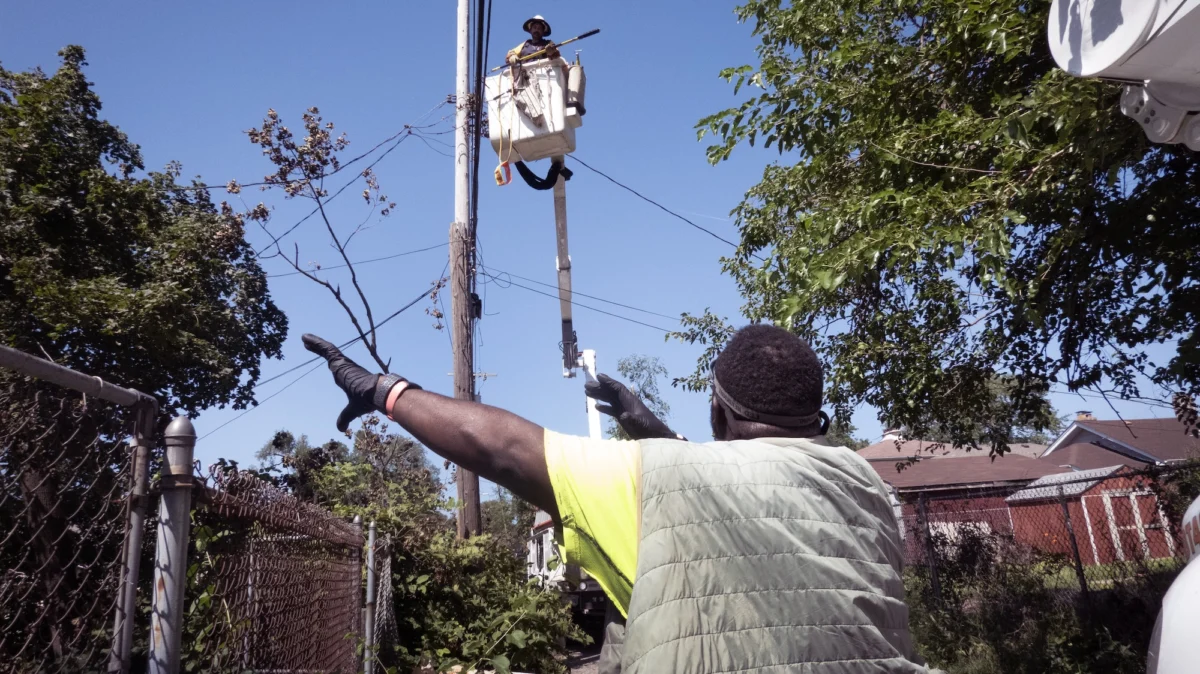
The focal point of the public’s ire is NIPSCO’s maintenance record. Critics, including plaintiffs in a newly filed class-action lawsuit, argue that the utility’s vegetation management—specifically its trimming and removal of trees near power lines—was insufficient. This failure, they contend, transformed a standard summer storm into a prolonged humanitarian crisis.
A Chronology of the Blackout
The timeline of the outage highlights a growing gap between corporate promises and the lived reality of Gary residents:
- Initial Impact: The storm hits Northwest Indiana, immediately knocking out power to 370,000 customers across the NIPSCO service area.
- The First Week: As the region experiences sweltering temperatures, Gary residents find themselves largely isolated. With roads blocked by fallen trees and power lines, emergency services face significant obstacles.
- Mid-Crisis: By August 19, more than a week post-storm, Gary remains the epicenter of the outage, with 22,000 homes still without electricity.
- The Faith-Led Response: Seeing the state’s slow response, Pastor Eric Boone of the Tree of Life Missionary Baptist Church opens the doors of his sanctuary to house displaced families, providing food, water, and cooling for seniors trapped in 85-degree homes.
- National Intervention: The National Baptist Convention, representing nearly 40 Gary churches, joins the fray, calling for immediate utility reform and financial compensation for residents.
- The Political Shift: Governor Mike Braun officially requests an investigation by the Indiana Utility Regulatory Commission (IURC) into NIPSCO’s spending and emergency protocols.
Supporting Data: The Cost of Neglect
The impact of the outage was not distributed equally. In neighborhoods like Marshalltown, residents described the situation as "devastating." Latrice Farmer, a local resident, noted that the neighborhood’s two main arteries were completely obstructed by debris, effectively trapping residents in their homes.
The economic toll is compounded by the demographic profile of the city. Many residents, already living paycheck to paycheck, were forced to spend their limited resources on gasoline for generators, spoiled groceries, and baby formula. The inability to maintain basic climate control was particularly dangerous for the elderly; reports of 80-year-olds living in homes reaching temperatures of 85 degrees or higher prompted urgent, community-led intervention.
Mayor Eddie Melton, who possesses unique insight into the utility’s inner workings from his 15-year tenure at NIPSCO, has publicly challenged the company’s timeline. "I worked at NIPSCO for 15 years," Melton stated. "It does not take that long to turn the lights on."
Official Responses and Accountability
The political response has been swift and severe. Governor Mike Braun, in a recent news release, did not mince words regarding the utility’s performance. "NIPSCO is a monopoly utility that Hoosiers pay every month with the expectation that it will use its considerable resources to maintain its system, prepare for severe weather, and restore service as quickly as possible," Braun said. "NIPSCO has failed to keep its end of the bargain."
The IURC investigation will specifically scrutinize how NIPSCO has utilized the funds collected from rate increases. There is a prevailing suspicion that the capital meant for infrastructure hardening and vegetation management was diverted elsewhere.
Furthermore, the class-action lawsuit filed in Porter County Superior Court represents a significant legal hurdle for the utility. By representing "all similarly situated" individuals, the suit aims to force NIPSCO to provide compensation for damages—ranging from food spoilage to medical expenses and property damage—without the bureaucratic "hurdles" that usually accompany utility claims processes.
The Rev. Boise Kimber, president of the National Baptist Convention, has demanded that residents be made whole immediately. "Too many times, promises are made, but barriers have been put in their way," Kimber said. "People should not be forced through this unnecessary hurdle."
Implications for the Future: A Turning Point?
The fallout from the Gary outage suggests a permanent shift in how municipal governments and community organizations will interact with monopoly utilities. The "list of demands" presented by Mayor Melton—which includes a moratorium on utility disconnections for 60 to 90 days and a transparent plan for future storm preparation—serves as a blueprint for accountability.
Beyond the immediate legal and political battles, there is a fundamental question of environmental justice. Pastor Eric Boone, who has been on the front lines of the relief efforts, believes this moment must be used to redefine the relationship between the utility and the public. "It shouldn’t be NIPSCO versus us," Boone said. "I believe we are better together, and this storm has forced us to have a relationship that’s beyond them just reading meters and us paying bills."
The implications are clear: the era of blind trust in utility monopolies is coming to an end. As climate change increases the frequency and intensity of severe weather events, the infrastructure of the past is proving incapable of meeting the demands of the present. For Gary, the cost of this realization has been weeks of darkness and a profound sense of abandonment.
As the regulatory investigation unfolds and the courts weigh the merits of the class-action lawsuit, the residents of Gary are watching closely. They are no longer asking for sympathy; they are demanding a systemic overhaul of a system they believe has long prioritized corporate profit over the basic human right to reliable, safe, and affordable power. Whether NIPSCO can regain the trust of the community or if this crisis marks the beginning of a long-term period of adversarial oversight remains to be seen, but one thing is certain: the city of Gary will not accept "business as usual" in the aftermath of this disaster.
About the Author