In an era defined by the frantic pace of "fast consumerism," the humble toothbrush has long stood as an overlooked environmental villain. Every year, billions of plastic toothbrushes are discarded, destined for landfills and oceans where they persist for centuries, breaking down into pervasive microplastics. Challenging this status quo is Swiss product designer Julien Bernard, whose latest creation, the Berninox 316, seeks to transform the daily ritual of oral hygiene into a sustainable, long-term investment. By merging industrial-grade durability with a modular design, Bernard has created what he calls a "permanent" toothbrush—a tool designed to outlast the user’s need for constant replacements.
The Main Facts: Engineering Longevity
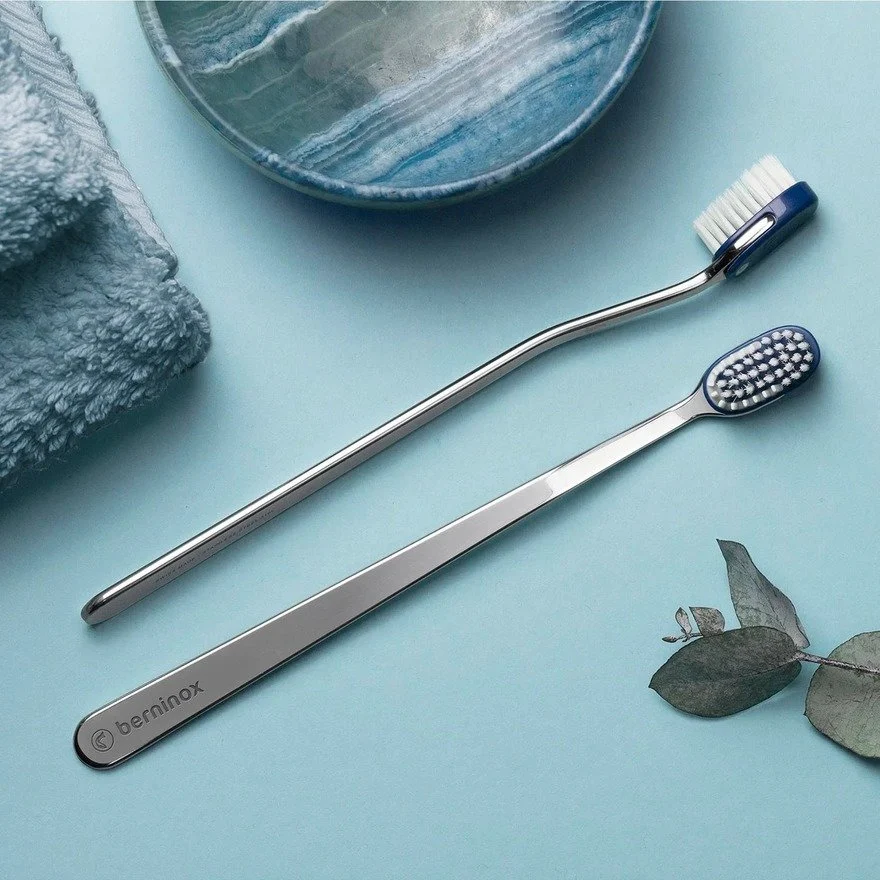
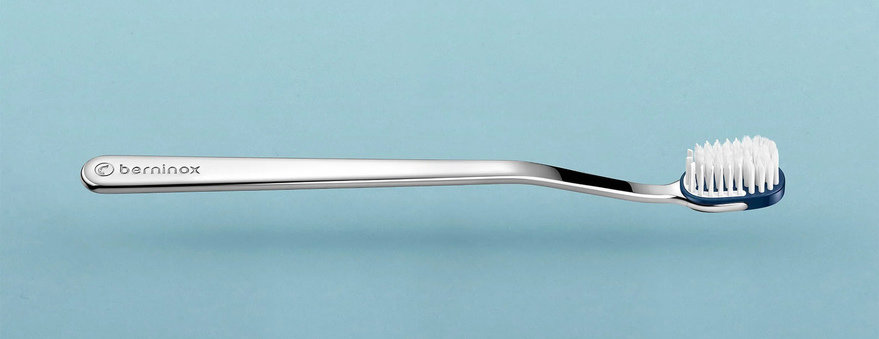
The Berninox 316 is not merely a grooming accessory; it is an exercise in material integrity. The centerpiece of the system is a handle crafted from 316L stainless steel—the same high-grade alloy utilized in the manufacturing of surgical instruments, marine hardware, and high-end horology. This specific grade of steel is renowned for its exceptional resistance to corrosion, pitting, and the humid, bacteria-prone environment of the typical bathroom.
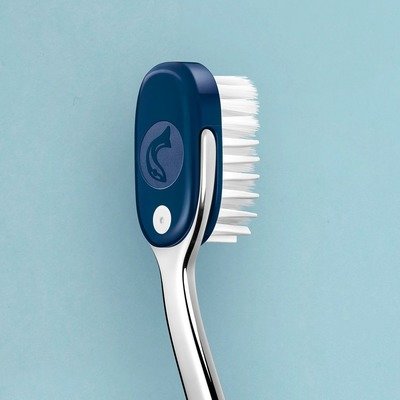
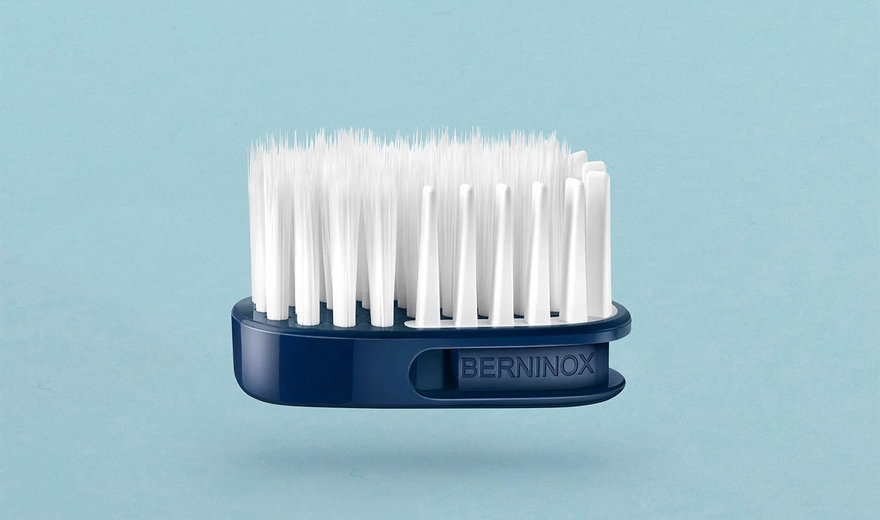
Unlike the injection-molded plastic handles that dominate the global market, the Berninox 316 is weighted and balanced to provide a tactile, premium experience. The "permanent" nature of the handle effectively decouples the handle from the bristles, allowing the consumer to retain the core structural component indefinitely. To address the hygiene necessity of replacing worn-out bristles, Bernard has implemented a proprietary, user-friendly "click-and-lock" mechanism. These replaceable bristle heads are manufactured from recycled plastic, ensuring that the only portion of the product destined for the waste stream is the smallest, most essential part of the device.
Chronology: The Evolution of a Sustainable Vision
The journey of the Berninox 316 began with a critique of the "disposable mindset." Julien Bernard, drawing from his background in Swiss design, observed that while many sustainable alternatives—such as bamboo toothbrushes—existed, they often failed to solve the underlying problem of degradation and hygiene. Bamboo, while compostable, often loses its structural integrity when exposed to constant moisture, leading to mold growth and a shorter lifespan than many consumers desire.
The Development Phases:
- Conceptualization (2021-2022): Bernard identified that the primary barrier to sustainable oral care was the "all-or-nothing" approach. Consumers were forced to throw away the entire handle to replace the worn-down bristles.
- Material Selection (Early 2023): The transition to 316L stainless steel was finalized. The goal was to select a material that was chemically inert, infinitely recyclable, and aesthetically timeless.
- Prototyping and Ergonomics: Several iterations were required to perfect the "snap-in" head mechanism. The challenge was to ensure that the connection remained watertight and secure under the pressure of daily brushing, yet intuitive enough to be replaced in seconds.
- Market Launch (Late 2023/Early 2024): The product officially debuted in European and Asian markets, focusing on a direct-to-consumer model that prioritizes transparency in supply chain and material sourcing.
Supporting Data: The Environmental Impact of Oral Care
To understand the significance of the Berninox 316, one must first look at the staggering statistics surrounding plastic waste. The American Dental Association (ADA) recommends replacing toothbrushes every three to four months. With a global population of over eight billion, the volume of plastic generated by toothbrushes alone is catastrophic.
- Waste Volume: Estimates suggest that over 1 billion plastic toothbrushes are thrown away in the United States alone each year, amounting to roughly 50 million pounds of plastic waste.
- Decomposition Rates: A standard polypropylene toothbrush can take up to 400 years to decompose in a landfill.
- The Carbon Advantage: By switching to a permanent stainless steel handle, a consumer reduces their individual contribution to plastic waste by approximately 90% over a five-year period. Even when accounting for the energy-intensive process of manufacturing stainless steel, the "breakeven point" for the Berninox 316 occurs within the first year of usage compared to the repeated purchase of plastic brushes.
The efficacy of the 316L stainless steel is also supported by metallurgical data. The "L" in 316L stands for "low carbon," which provides the handle with superior resistance to sensitization (the formation of chromium carbides), ensuring that the handle remains rust-free even when exposed to fluoride-heavy toothpaste or high-humidity environments.
Official Responses and Market Positioning
Currently, the Berninox 316 is priced at approximately $36 for the starter kit (handle), with a three-pack of replacement heads retailing for roughly $14. While these figures represent a higher upfront cost than a standard drugstore toothbrush, the long-term cost-to-use ratio is favorable.
However, the brand faces a distinct hurdle: geographic availability. Currently, the product is primarily distributed across Europe and Asia. When asked about a potential expansion into the North American market, spokespersons for the brand have cited logistical complexities and the need to establish localized, sustainable fulfillment centers to avoid increasing the carbon footprint of shipping. For the time being, the product remains an import-only commodity for American consumers, a factor that complicates its widespread adoption in one of the world’s largest consumer markets.
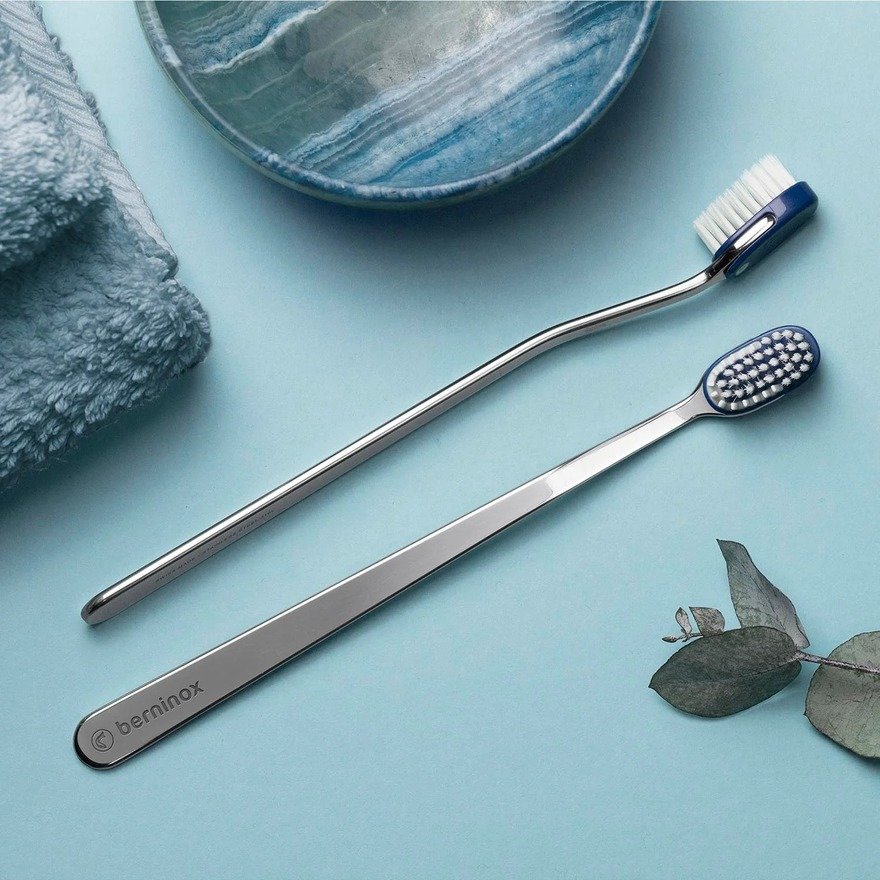
From a design perspective, the critical response has been largely positive. Critics have praised the "minimalist Swiss aesthetic," noting that the toothbrush looks less like a medical necessity and more like an object of industrial design. It fits into the broader "Slow Living" movement, which advocates for quality over quantity and the preservation of objects through repairability.
Implications: The Future of Consumer Goods
The Berninox 316 serves as a case study for a broader shift in consumer goods. It reflects a growing demand for "circular products"—goods that are designed with the end of their life cycle in mind from the very beginning.
1. The Death of Disposable Culture
The success of the Berninox 316 suggests that consumers are increasingly willing to pay a premium for products that offer a moral and environmental benefit. The "disposable toothbrush" model is an artifact of the mid-20th-century convenience boom; its obsolescence may be on the horizon.
2. Modular Engineering as a Standard
The "pop-on" head mechanism used by Berninox sets a potential standard for the industry. If larger oral care corporations were to adopt similar modular designs, the cumulative reduction in plastic waste would be measured in thousands of tons annually. The challenge, however, remains the economic incentive—traditional corporations profit from the recurring sale of entire units, whereas the Berninox model relies on brand loyalty to the handle and repeat sales of small, inexpensive heads.
3. The "Surgical" Standard in the Home
By bringing 316L stainless steel into the bathroom, Bernard has successfully elevated the consumer experience. The weight of the handle provides a sense of permanence and intentionality that plastic cannot replicate. It transforms the morning routine from a chore into a ritual.
Conclusion
The Berninox 316 is more than a tool for cleaning teeth; it is a protest against the temporary. While it is currently hampered by limited international distribution, its existence poses a provocative question to the consumer: Why are we still using plastic to do a job that requires something better?
As the world continues to grapple with the ecological consequences of our daily habits, the Berninox 316 stands as a reminder that the most radical change often comes from the most mundane objects. By re-engineering the toothbrush, Julien Bernard has offered a glimpse into a future where the things we use are built to last, designed to be repaired, and ultimately, crafted to respect the world we live in. Whether or not the model scales to reach the massive American market, it has already succeeded in proving that a better, cleaner, and more sustainable way to brush is not only possible—it is already here.
About the Author